
Fenugreek (Hu Lu Ba) Extract Powder 10:1, 20:1, 50:1 TLC
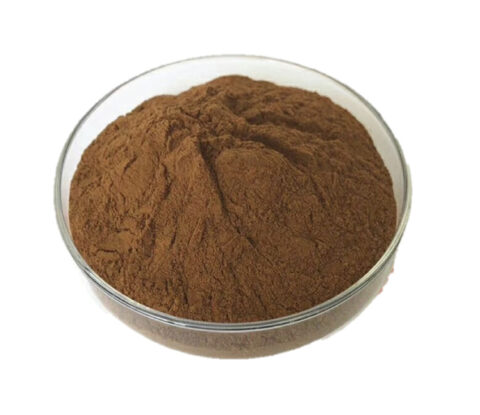


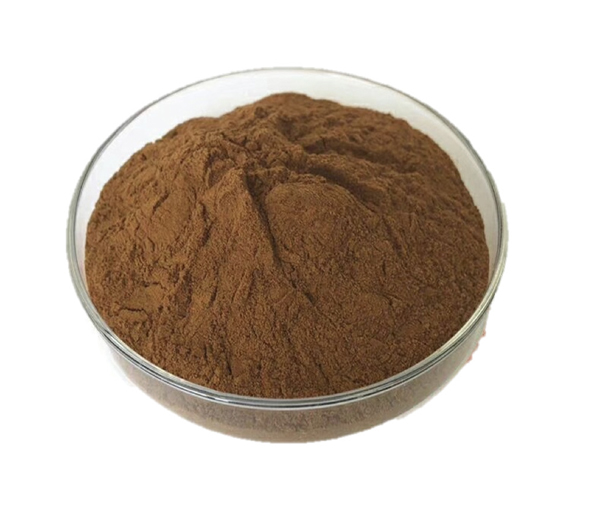
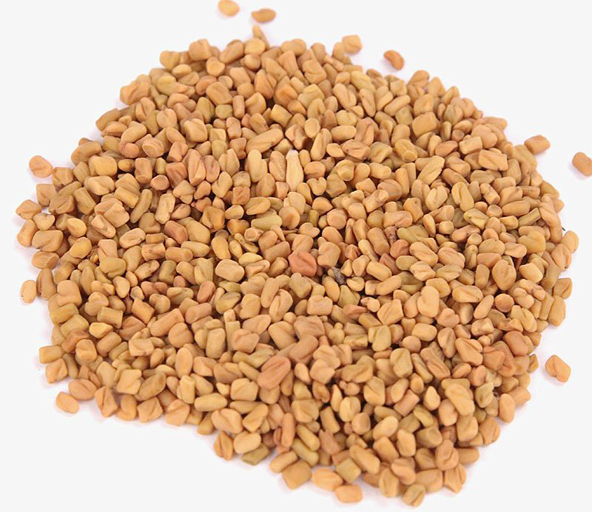
The functions of fenugreek/Huluba in traditional Chinese medicine include warming the kidneys, promoting yang, dispelling cold, and relieving pain. Commonly used for insufficient kidney yang, deficiency and coldness of the lower body, cold and painful lower abdomen, cold hernia and abdominal pain, and cold and damp athlete's foot.

Fenugreek (Hu Lu Ba) Extract Powder 10:1, 20:1, 50:1 TLC
【Other names】: Hu Lu Ba,Common Fenugreek Seed, Semen Trigonellae
【Botanical source】: Trigonella foenum-graecum
【Part used】: The mature seeds of Trigonella foenum graecum, a leguminous plant, have a bitter and warm taste, and are regulated by the kidney and liver meridians. They are traditionally used to warm the kidney, promote yang, dispel cold, and relieve pain. Modern research has confirmed that they have metabolic and hypoglycemic effects.
【Specification】: 10:1, 20:1, 50:1 TLC
【Appearance】: Brownish yellow fine powder
【Particle size】: 95% pass 80 mesh size
Fenugreek (Hu L u Ba)Extract Powder Production Flowchart
Fenugreek (Hu Lu Ba) raw materials – natural air drying–Coarse powder(40 mesh) -Low temperature water extraction – 1st Reflux Extraction(10 times water,2 Hrs) – 2nd Reflux Extraction8 times water,1.5 Hrs) – 3rd Reflux Extraction(6 times water,1 Hrs) – Extraction Solution-combine&Filtrate-Concentrate-Extractum-spray drying – screening – packaging – detection of physical and chemical indicators – warehousing
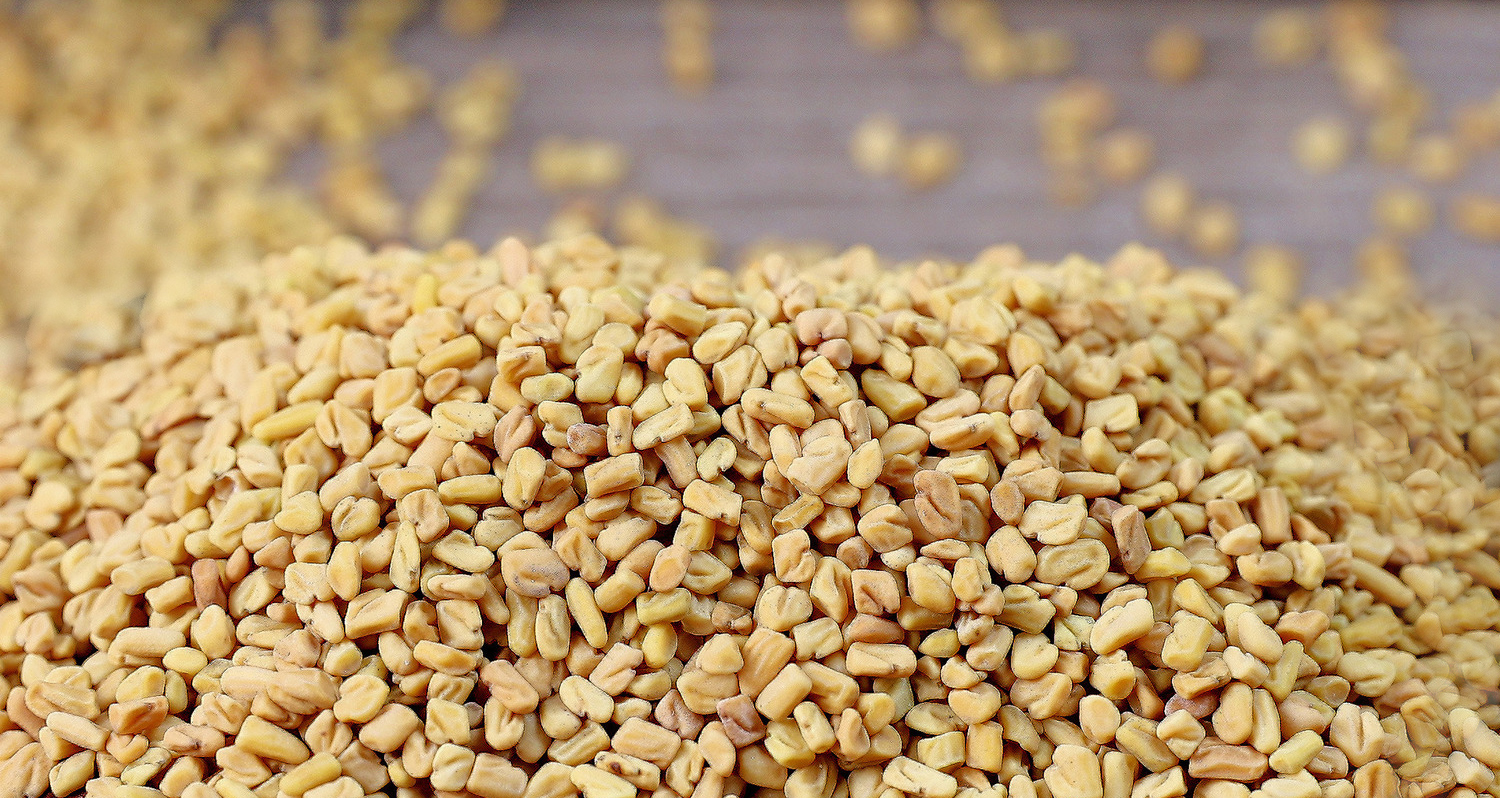
Specification Sheet of Fenugreek (Hu Lu Ba) Extract Powder
| Product name: | Fenugreek Extract | ||
| Specification: | 10:1 TLC | ||
| Part used: | Dried seeds of Trigonella foenum graecum | ||
| Solvent used: | Hot water | ||
| Process: | Raw materials crushed, extracted, concentrated and spray-dried to powder | ||
| Non GMO according to regulation (EC) 1829/2003 and 1830/2003 or United States requirements. Non allergen according to Directive 2007/68 amending Annex IIIa to Directive 2000/13/EC and US Food allergen labelling and consumer protection act 2004. | |||
| Heavy Metals: | |||
| Lead: | NMT 3ppm | Cadmium: | NMT 1ppm |
| Arsenic: | NMT 2ppm | Mercury: | NMT 1ppm |
| Residual solvents: | Comply to USP | ||
| Pesticides residues: | Conform to Regulation USP<561> | ||
| Microbiology: | |||
| Total plate count: | 10000cfu/g Max | Yeasts and molds: | 1000cfu/g Max |
| E.coli: | Not detected in (g)10 | Salmonella spp.: | Not detected in (g)25 |
| Staphylococcus aureus: | Not detected in (g)10 | Clostridium spp.: | Not Present in 0.1 g of food |
| Organoleptic quality | Method | Specifications | |
| Aspect: | Visual : ( CQ-MO-148) | Powder | |
| Color: | Visual : ( CQ-MO-148) | Brownish | |
| Flavor: | Sensory: (CQ-MO-148) | Characteristic | |
| Analytical quality | Method | Specifications | |
| Identification: | TLC | Conform | |
| Loss on drying: | USP <731> | < 10% | |
| Bulk density: | USP <616> Method I | 40 – 60 g/100mL | |
| Particle size: | Analytical sieving || USP <786> | 100% through 80meshes | |
| Packaging suitable for foodstuff. | |||
Extended Reading
Fenugreek (Hu Lu Ba) Function and Efficacy Recorded in TCM
Huluba is an important warming herb in traditional Chinese medicine, especially known for warming the kidney yang and dispelling cold and dampness. Its medicinal properties are warm and dry, and its main sites of action are in the lower burner (kidney, bladder).
Below is a detailed analysis of the role of Huluba in traditional Chinese medicine.
Fenugreek /Huluba has a bitter taste and a warm nature. Returning to the Kidney Meridian. Its core function is to warm the kidneys and promote yang, dispel cold and relieve pain. Mainly targeting various pain symptoms caused by insufficient kidney yang and invasion of cold and dampness.
1. Warming the kidneys and promoting yang
Function: Fenugreek /Huluba has a warm nature, can warm and nourish kidney yang, and strengthen muscles and bones. Applicable to the syndrome of kidney yang deficiency and decline, as well as the decline of fire in the vital energy gate.
Indications:
Erectile dysfunction and slippery semen: Sexual dysfunction caused by kidney yang deficiency.
Enuresis and frequent urination: Insufficient kidney yang, weak bladder gasification, and inability to absorb fluids.
Kidney deficiency and lower back pain: The waist is the home of the kidneys, and kidney deficiency can cause soreness, softness, coldness, and pain in the waist and knees.
2. Relieve cold and relieve pain
This is the most commonly used and prominent efficacy of Fenugreek /Huluba.
Function: The traditional Chinese medicine Huluba, with its spicy and warm properties, can dispel the evil of cold and dampness in the meridians and organs, thereby relieving pain
Indications:
Cold hernia and abdominal pain: Due to the invasion of cold pathogenic factors into the liver meridian, there is urgency in the lower abdomen and pain in pulling the testicles. This is the traditional specialty of huluba.
Cold and damp athlete’s foot: manifested as cold pain, weakness, swelling, or spasms in the legs and knees. Huluba can warm the kidney yang and lower the body, dispel cold and dampness, and promote the circulation of meridians.
Abdominal pain during menstruation: For dysmenorrhea caused by uterine cold and blood stasis, it has the effect of warming and dispersing cold to relieve pain.
Abdominal cold pain: Cold pain and bloating in the abdomen caused by spleen and stomach deficiency or coldness in the middle burner.
Modern Pharmacological Effects of Fenugreek (Hu Lu Ba)
The modern pharmacological research on Fenugreek /Huluba is very rich, which not only verifies its traditional efficacy, but also discovers many new potential health benefits. Its pharmacological activity mainly comes from its unique chemical components, including saponins (such as diosgenin), flavonoids, alkaloids (mainly cucurbitacin), 4-hydroxyisoleucine, and abundant dietary fiber (galactomannan).
The following are the main modern pharmacological effects of fenugreek:
1. Hypoglycemic effect
This is one of the most prominent modern pharmacological effects of fenugreek.
Mechanism:
Delaying glucose absorption: fenugreek is rich in soluble dietary fiber (galactomannan), which can form gel like substances in the intestinal tract, greatly delaying gastric emptying and the absorption rate of carbohydrates (sugars), so as to stabilize postprandial blood sugar.
Improving insulin sensitivity: Its 4-hydroxyisoleucine has been shown to directly stimulate insulin secretion and improve peripheral tissue sensitivity to insulin.
Inhibition of gluconeogenesis: may inhibit the production of glucose in the liver.
Application: A large number of preclinical and clinical studies support it as an adjuvant therapy for diabetes (especially type 2 diabetes).
2. Hypolipidemic effect
Mechanism: Huluba dietary fiber can bind with bile acids, increasing the excretion of bile acids in feces. To compensate for the loss of bile acids, the liver accelerates the conversion of cholesterol into bile acids, thereby reducing cholesterol levels in the blood, especially “bad cholesterol” (low-density lipoprotein cholesterol).
Application: It has a good regulating effect on hyperlipidemia and helps prevent atherosclerosis.
3. Sex hormones and their role in promoting lactation
Mechanism: Fenugreek /Huluba is one of the known sources of plant estrogen, containing steroidal saponins such as dioscin, which are precursors to synthetic hormones. Its lactation promoting effect may be related to its phytoestrogenic effect and the characteristic of stimulating sweat gland secretion (the mammary gland is a specialized sweat gland).
Application: Traditionally used for lactation, it is also commonly used as a dietary supplement in modern times to increase breast milk production. In addition, it has also been studied for alleviating menopausal symptoms.
4. Anti inflammatory and analgesic effects
Mechanism: Fenugreek /Huluba extract (especially saponins and flavonoids) can inhibit the production of inflammatory mediators such as prostaglandins and leukotrienes, exhibiting significant anti-inflammatory activity. Its analgesic effect is related to this.
Application: This provides a scientific basis for its traditional “dispelling cold and relieving pain” effect, especially for inflammatory pain such as arthritis and muscle pain.
5. Antioxidant effect
Mechanism: Flavonoids and phenolic compounds in fenugreek have strong ability to scavenge free radicals, reducing oxidative stress damage to cells.
Application: Its antioxidant effect helps to delay aging, protect cardiovascular and nervous system health.
6. Protection of gastric mucosa and anti ulcer effect
Mechanism: The mucinous substance (dietary fiber) of Huluba can form a protective film on the stomach wall, reducing the stimulation and damage of gastric acid and pepsin to the stomach wall.
Application: Scientifically explained the partial mechanism of its treatment for “epigastric cold pain” and has an auxiliary therapeutic effect on gastric ulcers.
7. Antitumor effect
Preliminary research: In vitro and animal experiments show that fenugreek saponins, polysaccharides, alkaloids and other components can inhibit proliferation and induce apoptosis of a variety of cancer cells (such as colon cancer, breast cancer, prostate cancer, etc.).
Mechanism: It may be achieved through various pathways such as regulating the cell cycle, activating apoptotic signaling pathways, and inhibiting angiogenesis.
Current situation: It is still in the preclinical research stage and is a potential source for future anti-cancer drug development.
8. Enhance immunity
Fenugreek /Huluba polysaccharides can activate immune cells such as macrophages and enhance the body’s non-specific immune function.