
Fig Fruit Extract Powder 10:1TLC, Fig Instant Powder
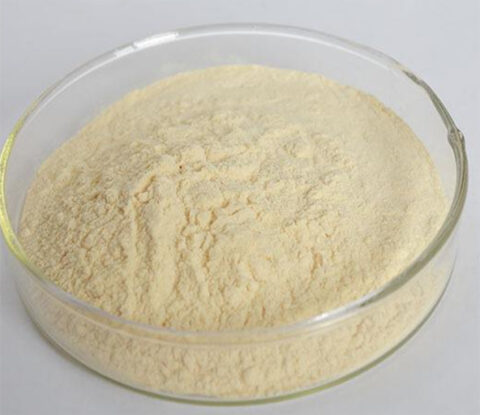
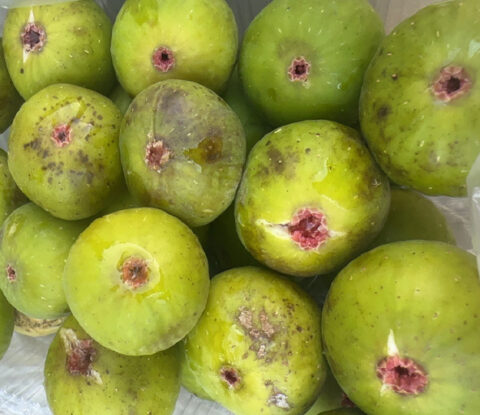


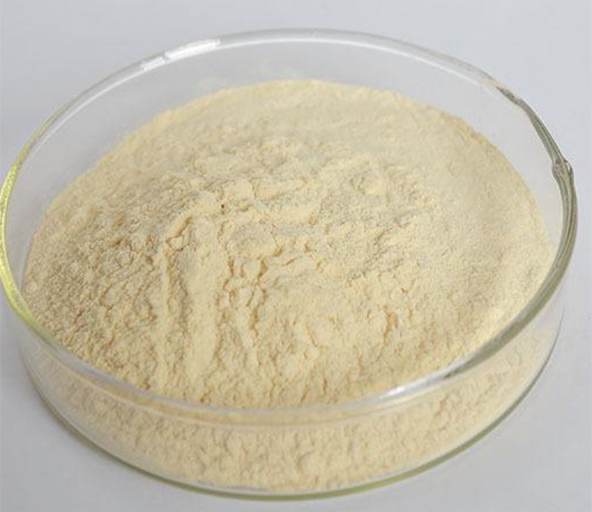
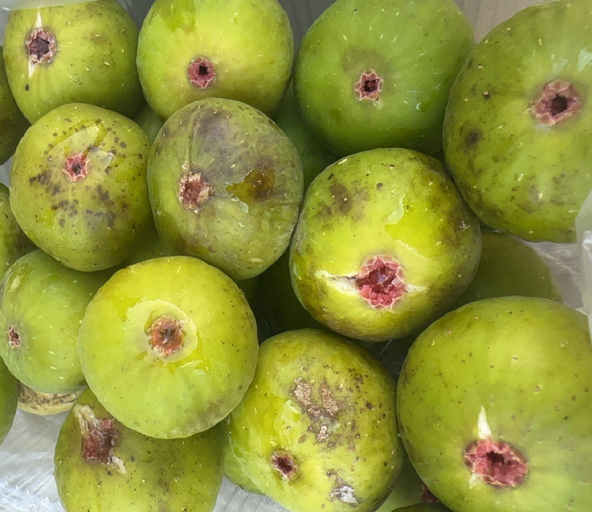
Fig extract contains malic acid, citric acid, lipase, protease, hydrolase, etc., which have the effects of promoting defecation, enhancing digestive function, and protecting cardiovascular health.

Fig Fruit Extract Powder 10:1, 20:1, 50:1 TLC, Fig Instant Powder
【Botanical source】: Ficus carica L
【Part used】: Fruit
【Specification】: 10:1, 20:1, 50:1 TLC, Fig instant powder
【Extraction solvents】: Water
【Appearance】: Light yellow or brownish fine powder
【Particle size】: 95% pass 80 mesh size
【Main ingredients】: Fig is rich in dietary fiber, vitamins, minerals, and antioxidants, and has the effects of moisturizing the intestines, promoting bowel movements, enhancing immunity, and regulating metabolism. It is not only a nutritious fruit, but also a natural ingredient commonly used in traditional Chinese medicine to relieve cough and throat discomfort.
【Storage conditions】:Store at room temperature in a sealed manner, away from light, and in a ventilated, cool, and dry environment.
【Shelf life】: 24 months from the production date
Fig Fruit Extract Powder Production Flowchart
Fig Fruit raw materials -Coarse powder(40 mesh) -Low temperature water extraction – 1st Reflux Extraction(10 times water,2 Hrs) – 2nd Reflux Extraction8 times water,1.5 Hrs) – 3rd Reflux Extraction(6 times water,1 Hrs) – Extraction Solution-combine&Filtrate-Concentrate-Extractum-spray drying – screening – packaging – detection of physical and chemical indicators – warehousing
Specification Sheet of Fig Fruit Extract Powder
| Product name: | Fig Fruit Extract | ||
| Specification: | 10:1 TLC | ||
| Part used: | Fruit of Ficus carica L | ||
| Solvent used: | Water | ||
| Process: | Raw materials crushed, extracted, concentrated and spray-dried to powder | ||
| Non GMO according to regulation (EC) 1829/2003 and 1830/2003 or United States requirements. Non allergen according to Directive 2007/68 amending Annex IIIa to Directive 2000/13/EC and US Food allergen labelling and consumer protection act 2004. | |||
| Heavy Metals: | |||
| Lead: | NMT 3ppm | Cadmium: | NMT 1ppm |
| Arsenic: | NMT 2ppm | Mercury: | NMT 1ppm |
| Residual solvents: | Comply to USP | ||
| Pesticides residues: | Conform to Regulation USP<561> | ||
| Microbiology: | |||
| Total plate count: | 10000cfu/g Max | Yeasts and molds: | 1000cfu/g Max |
| E.coli: | Not detected in (g)10 | Salmonella spp.: | Not detected in (g)25 |
| Staphylococcus aureus: | Not detected in (g)10 | Clostridium spp.: | Not Present in 0.1 g of food |
| Organoleptic quality | Method | Specifications | |
| Aspect: | Visual : ( CQ-MO-148) | Powder | |
| Color: | Visual : ( CQ-MO-148) | Light yellow to brownish | |
| Flavor: | Sensory: (CQ-MO-148) | Characteristic | |
| Analytical quality | Method | Specifications | |
| Identification: | TLC | Conform | |
| Loss on drying: | USP <731> | < 10% | |
| Bulk density: | USP <616> Method I | 40 – 60 g/100mL | |
| Particle size: | Analytical sieving || USP <786> | 100% through 80meshes | |
| Packaging suitable for foodstuff. | |||
Extended Reading
Summary of Modern Pharmacological Effects of Fig Fruit (Ficus carica) Extract
Fig fruit extract, derived specifically from the fruit (syconium) of Ficus carica L., is a rich source of unique bioactive compounds. These include anthocyanins (in dark varieties), flavonoids (rutin, quercetin), phenolic acids (chlorogenic acid, caffeic acid), phytosterols, triterpenoids (such as oleanolic acid), vitamins, minerals, and soluble fiber. Modern research has elucidated a diverse pharmacological profile for this extract.
The key pharmacological effects identified in contemporary research include:
- Antioxidant and Anti-inflammatory: Fig fruit extract exhibits potent free radical scavenging capacity against DPPH, ABTS, and superoxide anions. It inhibits lipid peroxidation and enhances endogenous antioxidant defenses (e.g., glutathione, SOD). Its anti-inflammatory action is demonstrated by suppressing the production of pro-inflammatory cytokines (TNF-α, IL-6, IL-1β) and mediators (NO, PGE2) via inhibition of the NF-κB and MAPK signaling pathways. This dual activity is foundational to its other protective effects.
- Anticancer and Antiproliferative (Preclinical): In vitro studies show that fig fruit extract can inhibit proliferation and induce apoptosis in various human cancer cell lines, including those of the colon, breast, liver, and cervix. Proposed mechanisms include:
- Induction of mitochondrial-mediated apoptosis (caspase-3 activation).
- Cell cycle arrest (often at the G2/M or S phase).
- Inhibition of angiogenesis and metastasis.
- The anthocyanin and flavonoid fractions are considered major contributors to these effects.
- Cardiometabolic Protection (Hypolipidemic & Antidiabetic Potential):
- Hypolipidemic: In animal models, fig fruit extract reduces serum total cholesterol, triglycerides, and LDL-cholesterol while increasing HDL-cholesterol. This is attributed to its fiber content (pectin) and phytosterols, which interfere with cholesterol absorption and biosynthesis.
- Antidiabetic: The extract demonstrates hypoglycemic effects by inhibiting carbohydrate-digesting enzymes (α-amylase and α-glucosidase), enhancing insulin sensitivity, and protecting pancreatic β-cells. Its high soluble fiber content also helps moderate postprandial blood glucose spikes.
- Hepatoprotective: Fig fruit extract protects against chemically induced (e.g., CCl₄, paracetamol) liver damage in animal models. It significantly lowers elevated serum markers of liver injury (ALT, AST, ALP), reduces oxidative stress in hepatic tissue, and ameliorates histopathological changes like necrosis and steatosis.
- Gastroprotective and Prebiotic: The extract shows efficacy against ethanol- and NSAID-induced gastric ulcers by strengthening the mucosal barrier, reducing acid secretion, and exerting antioxidant effects. Furthermore, its dietary fiber acts as a prebiotic, promoting the growth of beneficial gut bacteria (e.g., Lactobacillus, Bifidobacterium) and contributing to overall gut health.
- Antimicrobial: The fruit extract exhibits bacteriostatic activity against a range of foodborne and pathogenic bacteria, including Staphylococcus aureus, Escherichia coli, and Bacillus subtilis. Antifungal activity against species like Candida albicans has also been reported, linked to its phenolic constituents.
- Bone Health Support (Preclinical): Emerging in vitro and animal studies suggest that fig fruit extract, rich in calcium, potassium, and polyphenols, may inhibit osteoclast (bone-resorbing cell) formation and activity, potentially protecting against bone density loss.
Mechanistic Insights: The synergistic action of polyphenols (especially anthocyanins in purple figs), soluble fiber, and triterpenoids like oleanolic acid drives most effects. The antioxidant/anti-inflammatory activity is central, while the prebiotic action of its fiber is crucial for its metabolic and gut health benefits.
Conclusion: Modern pharmacological research substantiates the use of fig fruit as a functional food with broad-spectrum benefits. The most robust preclinical evidence supports its antioxidant, hepatoprotective, cardiometabolic, and potential anticancer properties. While human clinical trials are less abundant compared to animal studies, the existing data and its historical use suggest that regular consumption of fig fruit or its extract can contribute to managing oxidative stress, inflammation, and metabolic disorders. Further high-quality human studies are warranted to confirm therapeutic dosages and efficacy for specific health conditions.
References
- Solomon, A., Golubowicz, S., Yablowicz, Z., Grossman, S., Bergman, M., Gottlieb, H. E., … & Flaishman, M. A. (2006). Antioxidant activities and anthocyanin content of fresh fruits of common fig (Ficus carica L.). Journal of Agricultural and Food Chemistry, 54(20), 7717-7723.
- Jeong, M. R., Kim, H. Y., & Cha, J. D. (2009). Antimicrobial activity of methanol extract from Ficus carica leaves against oral bacteria. Journal of Bacteriology and Virology, 39(2), 97-102.
- Joseph, B., & Raj, S. J. (2011). Pharmacognostic and phytochemical properties of Ficus carica Linn – An overview. International Journal of PharmTech Research, 3(1), 8-12.
- Vallejo, F., Marín, J. G., & Tomás-Barberán, F. A. (2012). Phenolic compound content of fresh and dried figs (Ficus carica L.). Food Chemistry, 130(3), 485-492.
- Giraldo, E., Díaz, A., Corral, J. M., & García, A. (2019). Anticancer activity of fig fruit (Ficus carica L.) extract against human hepatocellular carcinoma cell line. Food Science and Biotechnology, 28(4), 1257-1264.
- Laxmi, A., Siddique, A., & Joshi, S. (2020). Hepatoprotective effect of Ficus carica fruit extract against carbon tetrachloride-induced hepatic damage in rats. Journal of Ethnopharmacology, 259, 112931.
- Belščak-Cvitanović, A., Durgo, K., Huđek, A., Bačun-Družina, V., & Komes, D. (2018). Antioxidant and antibacterial properties of fig (Ficus carica L.) fruit and leaf extracts. Food Technology and Biotechnology, 56(2), 261-270.
- Oliveira, A. P., Silva, L. R., Andrade, P. B., Valentão, P., Silva, B. M., & Gonçalves, R. F. (2010). Further insight into the mechanism of action of Ficus carica L. leaves: Antioxidant and antiangiogenic effects. Journal of Agricultural and Food Chemistry, 58(20), 10855-10863.
- Mawa, S., Husain, K., & Jantan, I. (2013). Ficus carica L. (Moraceae): Phytochemistry, traditional uses and biological activities. Evidence-Based Complementary and Alternative Medicine, 2013, 974256.
- Yang, X. M., Yu, W., Ou, Z. P., Ma, H. L., Liu, W. M., & Ji, X. L. (2009). Antioxidant and immunity activity of water extract and crude polysaccharide from Ficus carica L. fruit. Plant Foods for Human Nutrition, 64(2), 167-173.
Note: This summary is for informational purposes. It may interact with medications and is contraindicated in certain conditions. Consult a healthcare professional before therapeutic use, particularly regarding its estrogenic activity.