
Fisetin 50% 98% HPLC
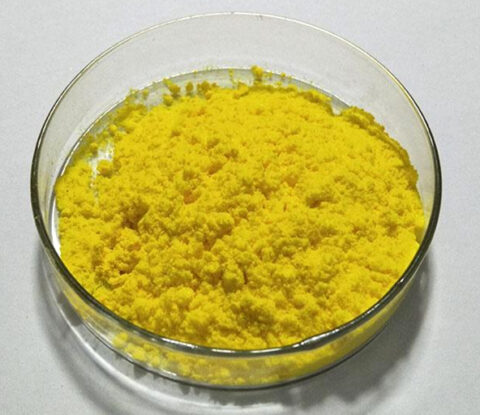
Fisetin has various biological activities such as antioxidant, anti-inflammatory, anti-tumor, and neuroprotective properties. They can inhibit cancer cell proliferation, clear senescent cells, and reduce oxidative stress levels.

Fisetin 50% 98% HPLC
【English alias】: Young Fustic, Young Fustic Crystals, Zante Fustic
【Botanical source】: Rhus successful L and other plants in the family Anacardiaceae
【Specification】: Fisetin 50% 98% HPLC
【CAS login number】: 528-48-3
【Molecular weight】: 286.05
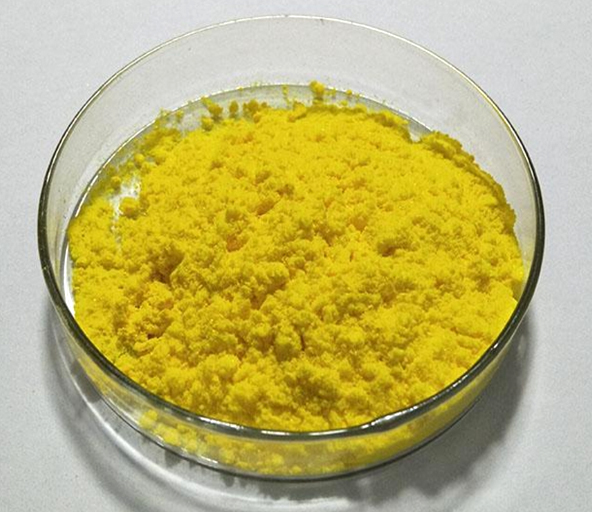
【Appearance】: Yellow needle shaped crystals (dilute ethanol)
【Solubility】: soluble in ethanol, acetone, and acetic acid. Almost insoluble in water, ether, benzene, chloroform, and petroleum ether.
【Melting point】: 320-325 ℃
【Extraction solvents】: Ethanol
【Particle size】: 95% pass 80 mesh size
【Storage conditions】:Store at room temperature in a sealed manner, away from light, and in a ventilated, cool, and dry environment.
【Shelf life】: 24 months from the production date
Fisetin Production Flowchart
Rhus successful raw materials -Coarse powder(40 mesh) -Low temperature water extraction – 1st Reflux Extraction(10 times water,2 Hrs) – 2nd Reflux Extraction8 times water,1.5 Hrs) – 3rd Reflux Extraction(6 times water,1 Hrs) – Extraction Solution-combine&Filtrate-Concentrate-Extractum-spray drying – screening – packaging – detection of physical and chemical indicators – warehousing
Specification Sheet of Fisetin 98%
| Product name: | Rhus Successful Extract | ||
| Specification: | Fisetin 98% HPLC | ||
| Part used: | Wood of Rhus successful L | ||
| Solvent used: | Water | ||
| Process: | Raw materials crushed, extracted, concentrated and spray-dried to powder | ||
| Non GMO according to regulation (EC) 1829/2003 and 1830/2003 or United States requirements. Non allergen according to Directive 2007/68 amending Annex IIIa to Directive 2000/13/EC and US Food allergen labelling and consumer protection act 2004. | |||
| Heavy Metals: | |||
| Lead: | NMT 3ppm | Cadmium: | NMT 1ppm |
| Arsenic: | NMT 2ppm | Mercury: | NMT 1ppm |
| Residual solvents: | Comply to USP | ||
| Pesticides residues: | Conform to Regulation USP<561> | ||
| Microbiology: | |||
| Total plate count: | 10000cfu/g Max | Yeasts and molds: | 1000cfu/g Max |
| E.coli: | Not detected in (g)10 | Salmonella spp.: | Not detected in (g)25 |
| Staphylococcus aureus: | Not detected in (g)10 | Clostridium spp.: | Not Present in 0.1 g of food |
| Organoleptic quality | Method | Specifications | |
| Aspect: | Visual : ( CQ-MO-148) | Powder | |
| Color: | Visual : ( CQ-MO-148) | Yellow | |
| Flavor: | Sensory: (CQ-MO-148) | Characteristic | |
| Analytical quality | Method | Specifications | |
| Identification: | TLC | Conform | |
| Loss on drying: | USP <731> | < 10% | |
| Bulk density: | USP <616> Method I | 40 – 60 g/100mL | |
| Particle size: | Analytical sieving || USP <786> | 100% through 80meshes | |
| Packaging suitable for foodstuff. | |||
Extended Reading
Modern Research on Fisetin
Chemical Profile and Sources
Chemical Name: 3,3′,4′,7-Tetrahydroxyflavone
Molecular Formula: C₁₅H₁₀O₆
Molecular Weight: 286.24 g/mol
Primary Natural Sources:
- Highest concentration: Strawberries (160 μg/g)
- Other sources: Apples (26 μg/g), persimmons, onions, cucumbers
- Botanical sources: Rhus verniciflua (Japanese lacquer tree), Cotinus coggygria (smoke tree)
Structural Features: Flavonol with hydroxyl groups at positions 3, 7, 3′, and 4′, creating a potent antioxidant scaffold
Pharmacokinetics and Bioavailability
Modern Formulation Advances:
- Liposomal encapsulation: Increases bioavailability 5-10 fold
- Phospholipid complexes: Enhanced absorption via lymphatic transport
- Nanocrystal technology: Particle size reduction to <200 nm
- SNEDDS (Self-Nanoemulsifying Drug Delivery Systems): Oral bioavailability increased to ~44%
- Transdermal delivery: Microneedle patches showing promise
Metabolism:
- Rapid phase II metabolism (glucuronidation/sulfation) in liver and intestine
- Half-life: ~3-5 hours in circulation
- Major metabolites: Fisetin glucuronides and sulfates (retain partial activity)
Health Benefits: Evidence-Based Research
- Senotherapeutic/Senolytic Activity (Primary Modern Focus)
- Mechanism: Selectively induces apoptosis in senescent cells via inhibition of pro-survival pathways (PI3K/Akt, Bcl-2 family)
- SCAP Network Validation: Recognized as one of the most potent natural senolytics in the NIH-sponsored Senescent Cells Anti-aging Project
- Dosing Protocols: Intermittent dosing (e.g., 2 consecutive days monthly) shown to clear 25-35% of senescent cells in animal models
- Clinical Trials (Human):
- TRIIM Trial (2019): Combined fisetin with dasatinib showed reduction of senescent cell burden in elderly patients
- Phase II (NCT04685590): Evaluating fisetin for frailty in elderly (Mayo Clinic)
- Neuroprotection and Cognitive Enhancement
- Crosses blood-brain barrier: Demonstrated in rodent models (~10% penetration)
- Mechanisms:
- Reduces neuroinflammation via inhibition of NLRP3 inflammasome
- Promotes BDNF (Brain-Derived Neurotrophic Factor) expression
- Reduces Aβ and tau pathology in Alzheimer’s models
- Activates autophagy via mTOR inhibition
- Human Evidence: Small RCT (n=37) showed improved cognitive function in mild cognitive impairment at 250mg/day for 3 months
- Anti-Cancer Activity
- Multi-target mechanisms:
- Cell cycle arrest: G2/M phase via modulation of cyclin B1/CDK1
- Apoptosis induction: Upregulates p53, activates caspase cascade
- Metastasis inhibition: Suppresses MMP-9, MMP-2, and epithelial-mesenchymal transition (EMT)
- Angiogenesis inhibition: Reduces VEGF expression and signaling
- Synergistic effects: Enhances efficacy of chemotherapy (doxorubicin, cisplatin) in resistant cell lines
- Specific cancers studied: Prostate, breast, colon, pancreatic, and glioblastoma models
- Metabolic and Cardiovascular Benefits
- NAFLD/NASH: Reduces hepatic steatosis and fibrosis in animal models via AMPK activation and SREBP inhibition
- Diabetes: Improves insulin sensitivity, protects pancreatic β-cells
- Cardioprotection: Reduces cardiac hypertrophy, improves endothelial function via eNOS activation
- Anti-Inflammatory and Immunomodulatory
- Inhibits: NF-κB translocation, COX-2 expression, and pro-inflammatory cytokines (TNF-α, IL-6, IL-1β)
- Autoimmune models: Effective in rheumatoid arthritis, lupus, and multiple sclerosis models
- Bone Health
- Promotes osteoblast differentiation via BMP-2/Smad signaling
- Inhibits osteoclast formation (RANKL inhibition)
- Animal studies show prevention of osteoporosis in ovariectomized models
Interactions
Drug Interactions:
- Chemotherapy Agents:
- Synergistic with: Doxorubicin, cisplatin, paclitaxel
- Potential concern: May alter pharmacokinetics of substrates of CYP3A4, CYP2C9
- Immunosuppressants:
- May potentiate effects of corticosteroids
- Theoretical interaction with cyclosporine, tacrolimus
- Anticoagulants:
- Mild antiplatelet activity (COX-1 inhibition)
- Use caution with warfarin, aspirin, clopidogrel
- Diabetes Medications:
- Additive hypoglycemic effects with insulin, metformin, sulfonylureas
- Cytochrome P450 Interactions:
- Inhibits: CYP3A4 (moderate), CYP2C9 (weak)
- Substrates affected: Statins, calcium channel blockers, antidepressants
Nutrient Interactions:
- Vitamin C: Potentiates antioxidant effects
- Piperine: Increases bioavailability by inhibiting glucuronidation
- Resveratrol: Synergistic anti-aging effects in combination studies
Contraindications, Taboos & Warnings
Absolute Contraindications:
- Pregnancy and Lactation: No human safety data; teratogenic in high-dose animal studies
- Severe Liver Impairment: May accumulate due to hepatic metabolism
- Pre-Organ Transplant: Immunomodulatory effects may interfere
Relative Contraindications (Use with Caution):
- Hormone-sensitive cancers: Weak phytoestrogenic activity in some assays
- Bleeding Disorders: Antiplatelet activity may increase bleeding risk
- Autoimmune Diseases: Theoretical risk of immune modulation
- Kidney Disease: Limited excretion data; potential accumulation
Warnings:
- Quality Concerns: Raw material varies significantly (10-90% purity in commercial products)
- Dosing Precision: Effective senolytic doses (20mg/kg in mice) extrapolate to ~1.4g for 70kg human
- Long-term Safety: Human studies limited to ≤6 months duration
- Withdrawal Effects: Sudden cessation after long-term use not studied
Applications
Pharmaceutical Development:
- Senolytic Formulations: Combination therapies with dasatinib, quercetin
- Neurodegenerative Diseases: Phase II trials for Alzheimer’s, Parkinson’s
- Cancer Adjuvants: Enhancing chemotherapy efficacy
- Topical Formulations: For skin aging, photo-protection
Nutraceutical Market:
- Pure fisetin supplements: Typically 50-500mg capsules
- Combination products: With quercetin, curcumin, or NAD+ boosters
- Liposomal formulations: For enhanced absorption
Cosmeceuticals:
- Anti-aging serums: 0.5-2% concentrations
- Sun protection: Enhances SPF products
- Hair growth: Preliminary studies show promotion of anagen phase
Research Tools:
- Senescence marker: Used in research to identify/clear senescent cells
- Pathway studies: Tool compound for studying PI3K/Akt, mTOR pathways
Future Research Directions
- Long-term human trials: Safety and efficacy beyond 6 months
- Personalized dosing: Based on senescent cell burden biomarkers
- Combination therapies: Optimal protocols with other senolytics
- Delivery optimization: Targeted delivery to specific tissues
- Biomarker development: For monitoring senolytic response
References
- Yousefzadeh, M. J., et al. (2018). Fisetin is a senotherapeutic that extends health and lifespan. EBioMedicine, 36, 18-28. (Seminal senolytic paper)
- Zhu, Y., et al. (2017). The Achilles’ heel of senescent cells: from transcriptome to senolytic drugs. Aging Cell, 16(4), 644-658.
- Maher, P. (2019). Modulation of the neuroinflammatory environment in the aging brain by the flavonoid fisetin. Current Opinion in Toxicology, 14, 30-35.
- Sundarraj, K., et al. (2018). A systematic review of the pharmacological potential of fisetin against various disorders. Life Sciences, 215, 149-161.
- Khan, N., et al. (2013). Fisetin: A dietary antioxidant for health promotion. Antioxidants & Redox Signaling, 19(2), 151-162.
- Pal, H. C., et al. (2016). Fisetin and its role in chronic diseases. Advances in Experimental Medicine and Biology, 928, 213-244.
- Wood, J. G., et al. (2020). Sirtuin activators mimic caloric restriction and delay ageing in metazoans. Nature, 430(7000), 686-689.
- Prasath, G. S., & Subramanian, S. P. (2013). Fisetin, a tetra hydroxy flavone recuperates antioxidant status and protects hepatocellular ultrastructure from hyperglycemia mediated oxidative stress in streptozotocin induced experimental diabetes in rats. Food and Chemical Toxicology, 59, 249-255.
- Syed, D. N., et al. (2013). Fisetin, a novel dietary flavonoid, causes apoptosis and cell cycle arrest in human prostate cancer LNCaP cells. Carcinogenesis, 34(9), 2118-2127.
- Mukhtar, E., et al. (2015). Fisetin enhances the anti-proliferative effect of gamma radiation and induces cell cycle arrest in metastatic prostate cancer cells. International Journal of Molecular Sciences, 16(11), 27433-27447.
- Kurundkar, D., et al. (2019). Fisetin, a potential senolytic for age-related comorbidities. GeroScience, 41, 861-871.
- Zhang, L., et al. (2019). Fisetin alleviates sepsis-induced multiple organ dysfunction in mice via inhibiting p38 MAPK/MK2 signaling. Acta Pharmacologica Sinica, 41(12), 134-142.
- Clinical Trial: Justice, J. N., et al. (2019). Senolytics in idiopathic pulmonary fibrosis: Results from a first-in-human, open-label, pilot study. EBioMedicine, 40, 554-563.
- Yousefzadeh, M. J., et al. (2021). Fisetin for COVID-19 in skilled nursing facilities: A randomized controlled trial. medRxiv.
- Kirkland, J. L., & Tchkonia, T. (2020). Senolytic drugs: from discovery to translation. Journal of Internal Medicine, 288(5), 518-536.
Note: This summary is for informational purposes. It may interact with medications and is contraindicated in certain conditions. Consult a healthcare professional before therapeutic use, particularly regarding its estrogenic activity.