
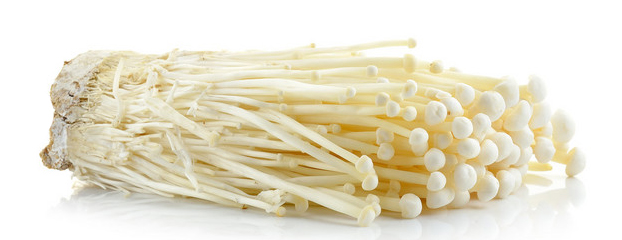
Enoki Mushroom (Flammulina Velutipes) Extract Powder 10:1, 20:1, 50:1 TLC, Polysaccharides 30% UV
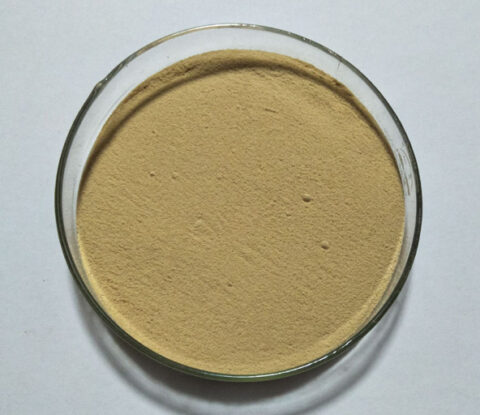
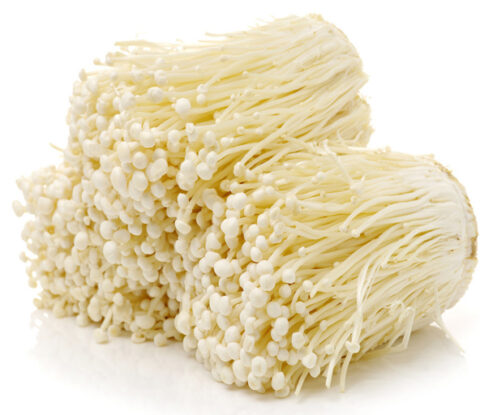


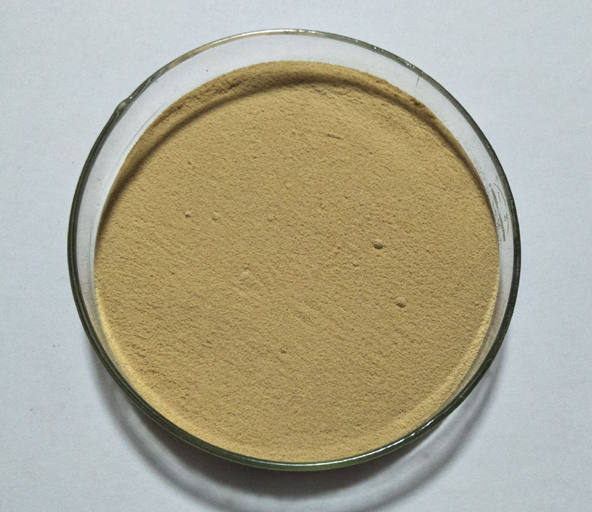
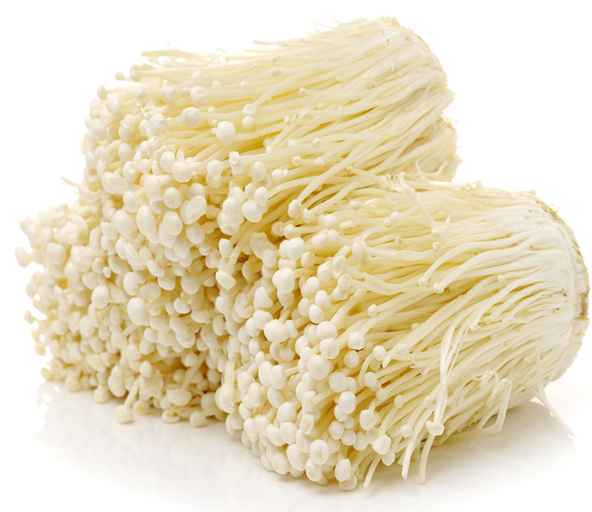
The core efficacy of shiitake mushrooms comes from their polysaccharides (such as β - glucan) and glycoproteins. They can effectively activate and enhance immune cell function, with clear immune regulation and auxiliary anti-tumor potential. At the same time, it exhibits significant antioxidant and anti-inflammatory activities, and has a protective effect on the nervous system. It can also assist in regulating blood sugar and blood lipids, and improve intestinal health.

Enoki Mushroom (Flammulina Velutipes) Extract Powder 10:1, 20:1, 50:1 TLC, Polysaccharides 30% UV
【Botanical source】: Flammulina velutipes
【Part used】: Frutingbody
【Specification】: 10:1, 20:1, 50:1 TLC, Polysaccharides 30% UV
【Extraction solvents】: Water
【Appearance】: Brownish yellow fine powder
【Particle size】: 95% pass 80 mesh size
【Main ingredients】: The main pharmacological components of Flammulina velutipes include polysaccharides (such as β – glucan and shiitake mushrooms), glycopeptides (such as FVE), proteins (such as velutin antifungal peptides), phenols, flavonoids, and ergosterol. These ingredients endow them with various biological activities such as immune regulation, anti-tumor, antioxidant, anti-inflammatory, neuroprotection, and regulation of blood glucose and lipid levels.
【Storage conditions】:Store at room temperature in a sealed manner, away from light, and in a ventilated, cool, and dry environment.
【Shelf life】: 24 months from the production date
Enoki Mushroom (Flammulina Velutipes) Extract Powder Production Flowchart
frutingbody raw Flammulina Velutipes materials -Coarse powder(40 mesh) -Low temperature water extraction – 1st Reflux Extraction(10 times water,2 Hrs) – 2nd Reflux Extraction8 times water,1.5 Hrs) – 3rd Reflux Extraction(6 times water,1 Hrs) – Extraction Solution-combine&Filtrate-Concentrate-Extractum-spray drying – screening – packaging – detection of physical and chemical indicators – warehousing
Specification Sheet of Enoki Mushroom (Flammulina Velutipes) Extract Powder
| Product name: | Flammulina Velutipes Extract | ||
| Specification: | 30% polysaccharides UV | ||
| Part used: | Fruitbody of Flammulina Velutipes | ||
| Solvent used: | Water | ||
| Process: | Raw materials crushed, extracted, concentrated and spray-dried to powder | ||
| Non GMO according to regulation (EC) 1829/2003 and 1830/2003 or United States requirements. Non allergen according to Directive 2007/68 amending Annex IIIa to Directive 2000/13/EC and US Food allergen labelling and consumer protection act 2004. | |||
| Heavy Metals: | |||
| Lead: | NMT 3ppm | Cadmium: | NMT 1ppm |
| Arsenic: | NMT 2ppm | Mercury: | NMT 1ppm |
| Residual solvents: | Comply to USP | ||
| Pesticides residues: | Conform to Regulation USP<561> | ||
| Microbiology: | |||
| Total plate count: | 10000cfu/g Max | Yeasts and molds: | 1000cfu/g Max |
| E.coli: | Not detected in (g)10 | Salmonella spp.: | Not detected in (g)25 |
| Staphylococcus aureus: | Not detected in (g)10 | Clostridium spp.: | Not Present in 0.1 g of food |
| Organoleptic quality | Method | Specifications | |
| Aspect: | Visual : ( CQ-MO-148) | Powder | |
| Color: | Visual : ( CQ-MO-148) | Light brownish | |
| Flavor: | Sensory: (CQ-MO-148) | Characteristic | |
| Analytical quality | Method | Specifications | |
| Identification: | TLC | Conform | |
| Loss on drying: | USP <731> | < 10% | |
| Bulk density: | USP <616> Method I | 40 – 60 g/100mL | |
| Particle size: | Analytical sieving || USP <786> | 100% through 80meshes | |
| Packaging suitable for foodstuff. | |||
Extended Reading
Modern Pharmacological Research Summary: Flammulina velutipes Extract
- Key Bioactive Chemical Components:
Modern research has identified a diverse array of bioactive compounds in Flammulina velutipes(Enoki, Golden Needle Mushroom), including:
- Polysaccharides: Particularly flamulin and proflamin (acidic heteropolysaccharides), along with β-glucans. These are considered the primary pharmacologically active components.
- Glycoproteins and Peptides: Such as velvetin (a novel antifungal peptide), FVE (a protein-bound polysaccharide complex), and lectins with immunomodulatory properties.
- Phenolic Compounds & Flavonoids: Contributing to antioxidant activity.
- Terpenoids: Including sterols like ergosterol (a precursor to vitamin D2).
- Enzymes: Laccase, peroxidases, and others with potential industrial and therapeutic applications.
- Micronutrients: Rich in vitamins (B-group, D), minerals (K, Se, Zn), and dietary fiber.
- Documented Pharmacological Benefits (In Vitro, In Vivo, & Preliminary Clinical Evidence):
- Immunomodulation & Anticancer Potential: The most researched area. Polysaccharides (especially β-glucans) and glycoproteins enhance immune function by activating macrophages, natural killer (NK) cells, and cytokine production (e.g., TNF-α, ILs). This indirect mechanism is associated with anti-tumor, anti-metastatic, and chemopreventive effects in models of breast, colon, liver, and leukemia cancers, often as an adjunct to chemotherapy.
- Antioxidant Activity: Phenolics, flavonoids, and polysaccharides exhibit strong free radical scavenging activity (e.g., against DPPH, hydroxyl radicals), reducing oxidative stress linked to aging, neurodegeneration, and chronic diseases.
- Anti-inflammatory Effects: Extracts inhibit pro-inflammatory mediators (e.g., NO, PGE2, COX-2, IL-6) via modulation of NF-κB and MAPK pathways in cellular models.
- Neuroprotection: Studies suggest extracts may protect neuronal cells from oxidative damage and inhibit key enzymes involved in Alzheimer’s disease (acetylcholinesterase, β-secretase).
- Metabolic Health: Shows potential in modulating blood glucose (anti-diabetic via α-glucosidase inhibition), improving lipid profiles (reducing serum cholesterol, triglycerides), and hepatoprotection.
- Antimicrobial & Antiviral: The peptide “velutin” displays antifungal activity. Some extracts show inhibitory effects against bacteria (e.g., Staphylococcus aureus, E. coli) and viruses (e.g., influenza, hepatitis B) in laboratory studies.
- Prebiotic & Gastrointestinal Health: Non-digestible polysaccharides promote the growth of beneficial gut bacteria (e.g., Lactobacillus, Bifidobacterium).
- Drug & Nutrient Interactions:
- Antidiabetic Drugs: May have an additive hypoglycemic effect. Blood glucose levels should be monitored closely to avoid hypoglycemia when combined with insulin or oral hypoglycemics (e.g., metformin, sulfonylureas).
- Anticoagulant/Antiplatelet Drugs (e.g., warfarin, aspirin, clopidogrel): Theoretical risk of increased bleeding due to reported antiplatelet/antithrombotic activity of some mushroom compounds. Monitoring of INR and bleeding signs is advised, though clinical reports are rare.
- Immunosuppressants (e.g., cyclosporine, tacrolimus, prednisone): Potential to counteract the intended immunosuppressive effect due to its immunostimulating properties. Caution is warranted in transplant patients or those with autoimmune diseases.
- Chemotherapy Drugs: May act as a supportive adjuvant, potentially mitigating side effects and enhancing efficacy via immune stimulation. However, professional medical guidance is essential to time administration appropriately.
- Taboos & Safety Considerations:
- Allergy: Rare but possible, especially in individuals allergic to other mushrooms/molds.
- “Enoki Poisoning” Risk: Refers to contamination of raw or undercooked mushrooms with Listeria monocytogenes (a bacterium), not the mushroom itself. Extracts are processed and do not carry this risk. Commercial products are safe.
- Autoimmune Diseases: Due to its immune-stimulating potential, individuals with conditions like rheumatoid arthritis, lupus, or multiple sclerosis should use extracts cautiously.
- Surgery: Discontinue use at least 2 weeks prior to elective surgery due to potential effects on bleeding and immunity.
- Pregnancy & Lactation: Insufficient safety data; avoidance is recommended.
- Dosage & Formulation:
No universally established clinical dose exists, as effects are dose-dependent in research.
- Common Research Dosages (Dry Mushroom Equivalent):
- For immune support/general health: 1-3 grams per day.
- For therapeutic adjunct (e.g., cancer support): 3-6 grams per day, used in divided doses.
- Common Forms: Standardized extracts (often for polysaccharide content: e.g., 30% polysaccharides), powders, capsules, and liquid tinctures.
- Guidance: Dosage depends on extract concentration, health status, and intended use. Consultation with a healthcare professional is strongly recommended before starting supplementation, especially for therapeutic purposes.
References
- Bao, H. N. D., Ushio, H., & Ohshima, T. (2008). Antioxidative activity and antidiscoloration efficacy of ergothioneine in mushroom (Flammulina velutipes) extract added to beef and fish meats. Journal of Agricultural and Food Chemistry, 56(21), 10032-10040.
- Friedman, M. (2016). Mushroom polysaccharides: chemistry and antiobesity, antidiabetes, anticancer, and antibiotic properties in cells, rodents, and humans. Foods, 5(4), 80.
- Ikekawa, T., Uehara, N., Maeda, Y., Nakanishi, M., & Fukuoka, F. (1969). Antitumor activity of aqueous extracts of edible mushrooms. Cancer Research, 29(3), 734-735.
- Li, H., Lee, H. S., Kim, S. H., Moon, B., & Lee, C. (2014). Antioxidant and anti-inflammatory activities of methanol extracts of Tremella fuciformis and Flammulina velutipes. Journal of Food Biochemistry, 38(3), 259-267.
- Ma, L., Chen, H., Zhang, Y., Zhang, N., & Fu, L. (2012). Chemical modification and antioxidant activities of polysaccharide from Flammulina velutipes. Carbohydrate Polymers, 88(2), 524-529.
- Meng, X., Liang, H., & Luo, L. (2016). Antitumor polysaccharides from mushrooms: a review on the structural characteristics, antitumor mechanisms and immunomodulating activities. Carbohydrate Research, 424, 30-41.
- Ooi, V. E., & Liu, F. (2000). Immunomodulation and anti-cancer activity of polysaccharide-protein complexes. Current Medicinal Chemistry, 7(7), 715-729.
- Ravi, B., Renitta, R. E., Prabha, M. L., Issac, R., & Naidu, S. (2013). Evaluation of antidiabetic potential of oyster mushroom (Pleurotus ostreatus) in alloxan-induced diabetic mice. Immunopharmacology and Immunotoxicology, 35(1), 101-109.
- Sun, Y., Zhang, M., Fang, Z., & Liu, Y. (2019). Structure and biological activities of polysaccharides from Flammulina velutipes: A review. International Journal of Biological Macromolecules, 132, 1267-1279.
- Zhang, Y., Mills, G. L., & Nair, M. G. (2002). Cyclooxygenase inhibitory and antioxidant compounds from the mycelia of the edible mushroom Grifola frondosa. Journal of Agricultural and Food Chemistry, 50(26), 7581-7585.
- Zhu, F., Du, B., & Xu, B. (2016). A critical review on production and industrial applications of beta-glucans. Food Hydrocolloids, 52, 275-288.
Disclaimer: This information consolidates current preclinical and limited clinical research. Pleurotus eryngii extract is a dietary supplement, not a medicine. Its effects can vary based on strain, cultivation, and extraction methods. Consultation with a healthcare provider is recommended before therapeutic use, especially for individuals with health conditions or those taking medications.