
Flaxseed Extract Powder 10:1, 20:1, 50:1 TLC, Flax Lignans/SDG 10%, 20%, 40% HPLC
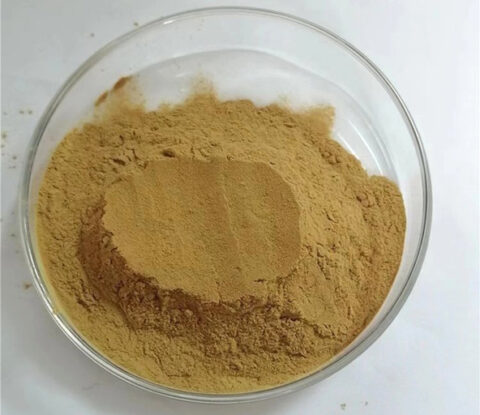
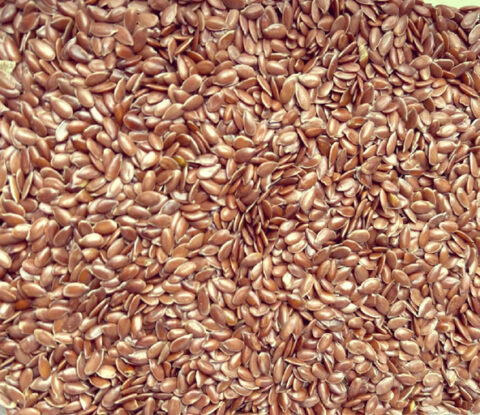


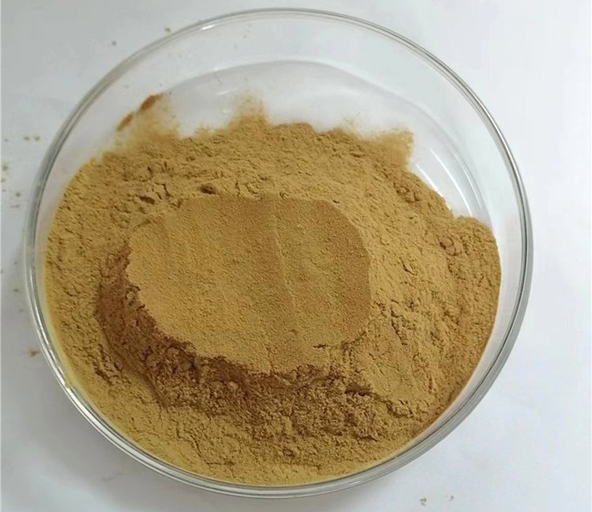
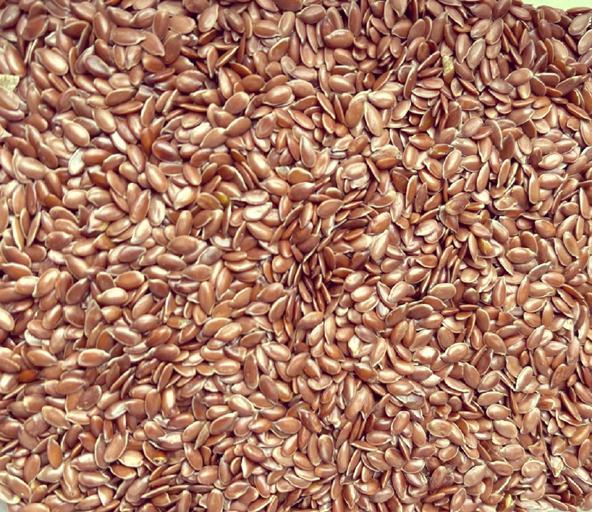
Flaxseed extract linolenin can inhibit the growth of estrogen dependent tumors such as breast cancer and prostate cancer by competitively binding to estrogen receptors, and has a preventive effect on estrogen related diseases such as menstrual syndrome and osteoporosis. Its metabolites can regulate cholesterol synthesis, enhance insulin sensitivity, and improve cardiovascular disease and diabetes.

Flaxseed Extract Powder 10:1, 20:1, 50:1 TLC, Flax Lignans/SDG 10%, 20%, 40% HPLC
【Botanical source】: Linum usitatissmum
【Part used】: Seeds
【Specification】: 10:1, 20:1, 50:1 TLC, Flax Lignans/SDG 10%, 20%, 40% HPLC
【Extraction solvents】: Ethanol
【Appearance】: Brownish fine powder
【Particle size】: 95% pass 80 mesh size
【Main ingredients】: Flax Lignans, also known as open-loop isoquercetin diglucoside (SDG), has a chemical formula of C32H46O16 and a molecular weight of 686. It is a plant estrogen compound rich in flaxseeds, accounting for about 0.9% -1.5% of the seed weight, depending on the variety, climate, and ecological conditions of flaxseed, and is 100-800 times higher than other foods. The substance appears as a yellow brown powder and needs to be broken down by gut microbiota into lactones and diols before it can be absorbed and utilized by the human body.
【Storage conditions】:Store at room temperature in a sealed manner, away from light, and in a ventilated, cool, and dry environment.
【Shelf life】: 24 months from the production date
Flaxseed Extract Powder Production Flowchart
Flaxseed raw materials -Coarse powder(40 mesh) -Low temperature water extraction – 1st Reflux Extraction(10 times water,2 Hrs) – 2nd Reflux Extraction8 times water,1.5 Hrs) – 3rd Reflux Extraction(6 times water,1 Hrs) – Extraction Solution-combine&Filtrate-Concentrate-Extractum-spray drying – screening – packaging – detection of physical and chemical indicators – warehousing
Specification Sheet of Flaxseed Extract Powder
| Product name: | Flaxseed Extract | ||
| Specification: | 10:1 TLC | ||
| Part used: | Seeds of Linum usitatissmum | ||
| Solvent used: | Water | ||
| Process: | Raw materials crushed, extracted, concentrated and spray-dried to powder | ||
| Non GMO according to regulation (EC) 1829/2003 and 1830/2003 or United States requirements. Non allergen according to Directive 2007/68 amending Annex IIIa to Directive 2000/13/EC and US Food allergen labelling and consumer protection act 2004. | |||
| Heavy Metals: | |||
| Lead: | NMT 3ppm | Cadmium: | NMT 1ppm |
| Arsenic: | NMT 2ppm | Mercury: | NMT 1ppm |
| Residual solvents: | Comply to USP | ||
| Pesticides residues: | Conform to Regulation USP<561> | ||
| Microbiology: | |||
| Total plate count: | 10000cfu/g Max | Yeasts and molds: | 1000cfu/g Max |
| E.coli: | Not detected in (g)10 | Salmonella spp.: | Not detected in (g)25 |
| Staphylococcus aureus: | Not detected in (g)10 | Clostridium spp.: | Not Present in 0.1 g of food |
| Organoleptic quality | Method | Specifications | |
| Aspect: | Visual : ( CQ-MO-148) | Powder | |
| Color: | Visual : ( CQ-MO-148) | Brownish yellow | |
| Flavor: | Sensory: (CQ-MO-148) | Characteristic | |
| Analytical quality | Method | Specifications | |
| Identification: | TLC | Conform | |
| Loss on drying: | USP <731> | < 10% | |
| Bulk density: | USP <616> Method I | 40 – 60 g/100mL | |
| Particle size: | Analytical sieving || USP <786> | 100% through 80meshes | |
| Packaging suitable for foodstuff. | |||
Extended Reading
Modern Research on Flaxseed Extract
Chemical Components
Flaxseed (Linum usitatissimum) is a rich source of bioactive compounds. Modern analytical techniques (HPLC, LC-MS, GC-MS) have characterized its key components:
- Lignans: Primarily secoisolariciresinol diglucoside (SDG), which constitutes about 1-3% of defatted flaxseed. Upon ingestion, gut microbiota metabolize SDG into the mammalian lignans enterodiol (END) and enterolactone (ENL), which are the primary bioactive forms.
- Alpha-Linolenic Acid (ALA): An omega-3 fatty acid constituting 40-60% of flaxseed oil.
- Dietary Fiber: Both soluble (mucilage gums) and insoluble fiber.
- Protein: High-quality proteins, including bioactive peptides with ACE-inhibitory properties.
- Other Phytochemicals: Phenolic acids, flavonoids, and cyanogenic glycosides (linamarin, lotaustralin) in minimal amounts.
Health Benefits (Evidence-Based)
- Cardiovascular Health
- Cholesterol & Lipid Profile: Multiple meta-analyses confirm that flaxseed (especially lignan-rich extracts) significantly reduces total and LDL-cholesterol, particularly in hyperlipidemic and postmenopausal individuals.
- Blood Pressure: AHA-endorsed studies show systolic and diastolic blood pressure reduction with daily flaxseed consumption (>30g/day).
- Antioxidant & Anti-inflammatory: SDG and its metabolites reduce oxidative stress markers (MDA) and pro-inflammatory cytokines (TNF-α, IL-6), improving endothelial function.
- Hormone-Related Cancers
- Breast Cancer: Epidemiological and preclinical studies suggest a protective role. ENL and END act as weak phytoestrogens, competing with endogenous estrogen for receptor binding, potentially reducing hormone-driven cancer proliferation. Clinical trials show improved biomarker profiles (reduced Ki-67, increased apoptosis) in women consuming flaxseed lignans.
- Prostate Cancer: Some human trials indicate flaxseed lignan supplementation can slow cancer cell proliferation and reduce PSA levels in men with early-stage prostate cancer.
- Metabolic Health
- Glycemic Control: Systematic reviews report modest improvements in insulin sensitivity and reductions in fasting glucose and HbA1c, especially in type 2 diabetics, attributed to fiber and lignans.
- Body Composition: Some studies suggest a role in reducing central adiposity.
- Gastrointestinal Health
- High fiber and lignan content promote beneficial gut microbiota (increasing Bifidobacterium, Lactobacillus) and alleviate constipation.
Interactions
- Anticoagulant/Antiplatelet Drugs (Warfarin, Aspirin): Theoretical interaction due to ALA’s mild antiplatelet effect, though clinical significance is debated. Monitoring is advised.
- Antihypertensive & Antidiabetic Drugs: Additive effects may occur, requiring blood pressure and glucose monitoring.
- Hormone Therapies (Tamoxifen, HRT): Phytoestrogenic lignans may interact, though evidence is mixed. Consultation with an oncologist is crucial.
- Oral Medications: High fiber content may delay or reduce absorption of some drugs (e.g., digoxin). Separate administration by 1-2 hours is recommended.
Taboos & Warnings
- Raw/Unripe Flaxseed: Contains cyanogenic glycosides. Heat processing (baking, roasting) degrades most cyanogens. Commercially prepared extracts are generally safe.
- Pregnancy & Lactation: Insufficient safety data for high-dose extracts; moderate dietary intake is considered safe.
- Bowel Obstruction: Contraindicated in individuals with esophageal, intestinal, or pyloric stenosis due to high fiber content in whole/milled seeds (less concern for extracts).
- Allergy: Rare, but possible.
- Bleeding Disorders: High-dose supplementation should be avoided.
Applications
- Dietary Supplements: SDG-standardized capsules/tablets (typically 50-600 mg/day).
- Functional Foods & Beverages: Fortification of bread, cereals, juices, and dairy alternatives.
- Animal Nutrition: Used to improve omega-3 content of eggs, meat, and milk.
- Cosmeceuticals: In skincare products for anti-inflammatory and antioxidant properties.
Deep Dive: Flax Lignans (SDG, ENL, END)
Flax lignans are the most researched component of flaxseed extract. Their unique enterolignan pathway (conversion by gut bacteria) is central to their bioactivity.
- Mechanisms of Action:
- Phytoestrogenic Activity: ENL/END bind to estrogen receptors (ERα/ERβ) with a preference for ERβ, often exerting anti-estrogenic effects in reproductive tissues but estrogenic benefits in bone and cardiovascular systems (SERM-like activity).
- Enzyme Inhibition: Inhibit aromatase (reducing estrogen synthesis) and 5α-reductase (reducing DHT conversion).
- Antioxidant: Scavenge free radicals and upregulate endogenous antioxidants (glutathione, SOD).
- Anti-angiogenic & Pro-apoptotic: Inhibit VEGF and induce apoptosis in cancer cell lines.
- Prebiotic & Anti-inflammatory: Modulate gut microbiome, leading to increased production of anti-inflammatory short-chain fatty acids.
- Clinical Dosing: Most human studies showing benefits use 50-600 mg of SDG (equivalent to ~10-120 mg of enterolignans) daily for 4 weeks to 12 months. Response varies based on individual gut microbiota composition.
References
- Parikh, M., et al. (2019). Flaxseed: Its bioactive components and their cardiovascular benefits. American Journal of Physiology-Heart and Circulatory Physiology, 316(1), H122-H136.
- Calado, A., et al. (2018). The effect of flaxseed in breast cancer: A literature review. Frontiers in Nutrition, 5, 4.
- Rodriguez-Leyva, D., et al. (2010). The cardiovascular effects of flaxseed and its omega-3 fatty acid, alpha-linolenic acid. Canadian Journal of Cardiology, 26(9), 489-496.
- Adolphe, J. L., et al. (2010). Health effects with consumption of the flax lignan secoisolariciresinol diglucoside. British Journal of Nutrition, 103(7), 929-938.
- Prasad, K. (2009). Flaxseed and cardiovascular health. Journal of Cardiovascular Pharmacology, 54(5), 369-377.
- Goyal, A., et al. (2014). Flax and flaxseed oil: an ancient medicine & modern functional food. Journal of Food Science and Technology, 51(9), 1633-1653.
- Peterson, J., et al. (2010). Dietary lignans: physiology and potential for cardiovascular disease risk reduction. Nutrition Reviews, 68(10), 571-603.
- Touré, A., & Xueming, X. (2010). Flaxseed lignans: source, biosynthesis, metabolism, antioxidant activity, bio-active components, and health benefits. Comprehensive Reviews in Food Science and Food Safety, 9(3), 261-269.
- Landmark Study: Thompson, L. U., et al. (2005). Dietary flaxseed alters tumor biological markers in postmenopausal breast cancer. Clinical Cancer Research, 11(10), 3828-3835.
- Meta-Analysis: Pan, A., et al. (2009). Meta-analysis of the effects of flaxseed interventions on blood lipids. The American Journal of Clinical Nutrition, 90(2), 288-297.
Note: This summary is for informational purposes. It may interact with medications and is contraindicated in certain conditions. Consult a healthcare professional before therapeutic use, particularly regarding its estrogenic activity.