
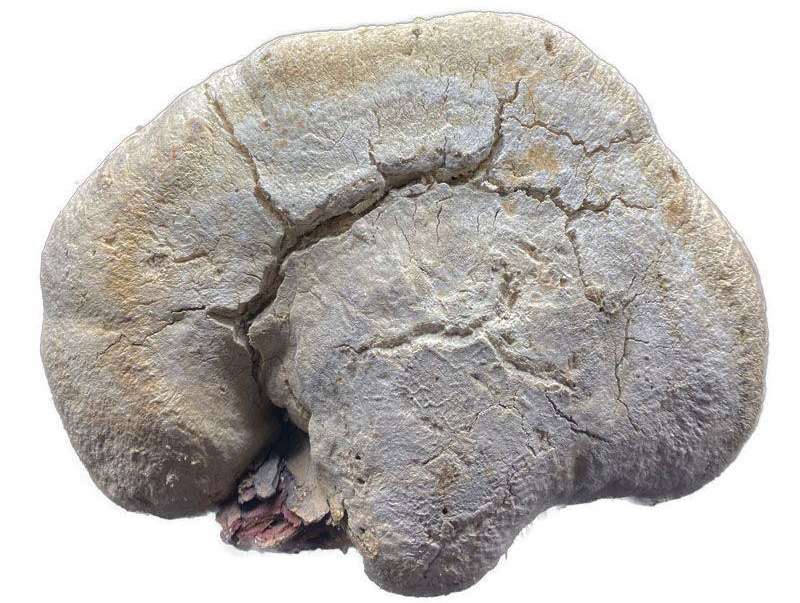
Fomitopsis Officinalis(Agarikon) Extract Powder 10:1, 20:1, 50:1 TLC, Polysaccharides 30% UV


The modern efficacy of Fomitopsis Officinalis(Agarikon) Extract is primarily focused on anti-tumor and immune modulation. Its active components, such as triterpenoids like oleanolic acid and β-glucan, exert anti-tumor effects by inducing apoptosis of cancer cells, inhibiting proliferation, and regulating the tumor microenvironment. At the same time, they can activate immune cells such as macrophages, balance immune responses, and exhibit auxiliary activities such as anti-inflammatory, hepatoprotective, and neuroprotective effects.

Fomitopsis Officinalis(Agarikon) Extract Powder 10:1, 20:1, 50:1 TLC, Polysaccharides 30% UV
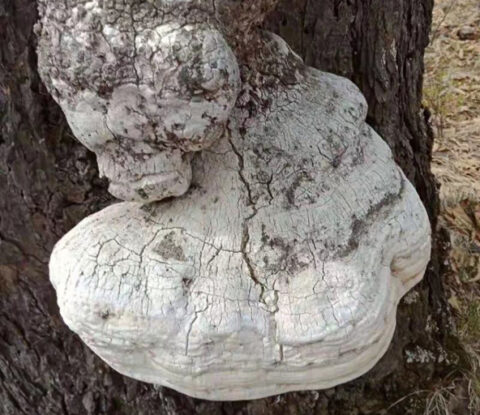
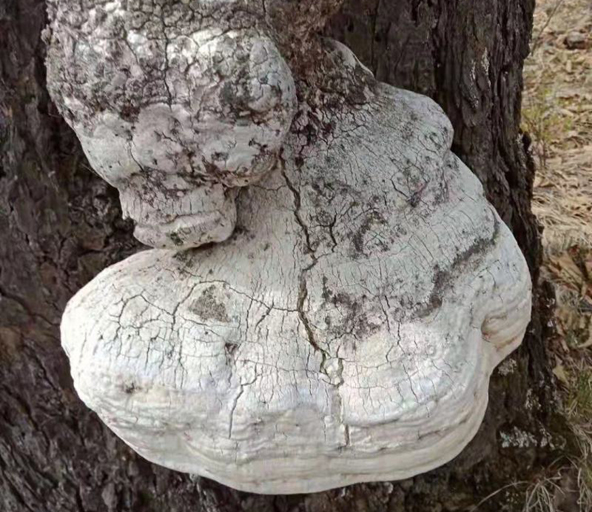
【Botanical source】: Fomitopsis officinalis
【Part used】: Mycelium&Frutingbody
【Specification】: 10:1, 20:1, 50:1 TLC, Polysaccharides 30% UV
【Extraction solvents】: Water
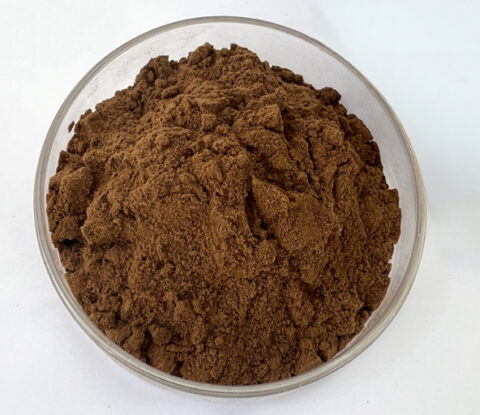
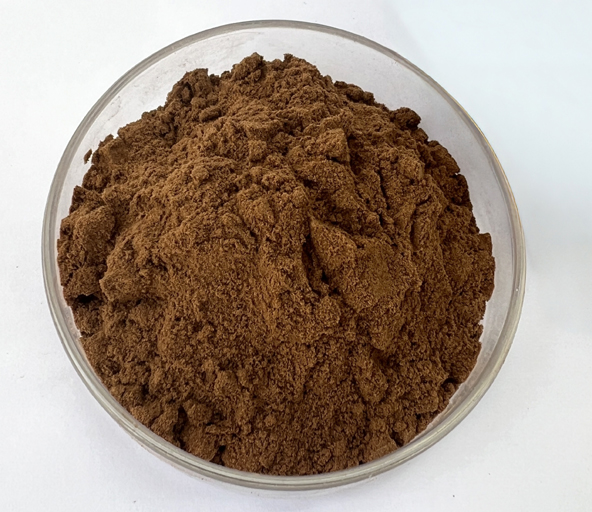
【Appearance】: Brownish yellow fine powder
【Particle size】: 95% pass 80 mesh size
【Main ingredients】: Fomitopsis officinalis contains triterpenoid compounds (represented by fomesic acid and dehydrofomesic acid), polysaccharides (such as β-glucan), sterols, and polyphenolic substances as its main active ingredients. These components collectively constitute the material basis for its pharmacological activities, including anti-inflammatory, hepatoprotective, antitumor, and immunomodulatory effects.
【Storage conditions】:Store at room temperature in a sealed manner, away from light, and in a ventilated, cool, and dry environment.
【Shelf life】: 24 months from the production date
Fomitopsis Officinalis(Agarikon) Extract Powder Production Flowchart
Fomitopsis Officinalis frutingbody raw materials -Coarse powder(40 mesh) -Low temperature water extraction – 1st Reflux Extraction(10 times water,2 Hrs) – 2nd Reflux Extraction8 times water,1.5 Hrs) – 3rd Reflux Extraction(6 times water,1 Hrs) – Extraction Solution-combine&Filtrate-Concentrate-Extractum-spray drying – screening – packaging – detection of physical and chemical indicators – warehousing
Specification Sheet of Fomitopsis Officinalis(Agarikon) Extract Powder
| Product name: | Fomitopsis Officinalis Extract | ||
| Specification: | Polysaccharides 30% UV | ||
| Part used: | Fruitbody of Fomitopsis Officinalis | ||
| Solvent used: | Water | ||
| Process: | Raw materials crushed, extracted, concentrated and spray-dried to powder | ||
| Non GMO according to regulation (EC) 1829/2003 and 1830/2003 or United States requirements. Non allergen according to Directive 2007/68 amending Annex IIIa to Directive 2000/13/EC and US Food allergen labelling and consumer protection act 2004. | |||
| Heavy Metals: | |||
| Lead: | NMT 3ppm | Cadmium: | NMT 1ppm |
| Arsenic: | NMT 2ppm | Mercury: | NMT 1ppm |
| Residual solvents: | Comply to USP | ||
| Pesticides residues: | Conform to Regulation USP<561> | ||
| Microbiology: | |||
| Total plate count: | 10000cfu/g Max | Yeasts and molds: | 1000cfu/g Max |
| E.coli: | Not detected in (g)10 | Salmonella spp.: | Not detected in (g)25 |
| Staphylococcus aureus: | Not detected in (g)10 | Clostridium spp.: | Not Present in 0.1 g of food |
| Organoleptic quality | Method | Specifications | |
| Aspect: | Visual : ( CQ-MO-148) | Powder | |
| Color: | Visual : ( CQ-MO-148) | Brownish yellow | |
| Flavor: | Sensory: (CQ-MO-148) | Characteristic | |
| Analytical quality | Method | Specifications | |
| Identification: | TLC | Conform | |
| Loss on drying: | USP <731> | < 10% | |
| Bulk density: | USP <616> Method I | 40 – 60 g/100mL | |
| Particle size: | Analytical sieving || USP <786> | 100% through 80meshes | |
| Packaging suitable for foodstuff. | |||
Extended Reading
Summary of Modern Research on Fomitopsis officinalis (Agarikon) Extract
Chemical Components
Fomitopsis officinalis extract is a complex mixture of bioactive compounds:
- Triterpenoids: The most studied constituents, primarily officinalic acid, dehydroeburicoic acid, and other lanostane-type triterpenes.
- Polysaccharides: Beta-glucans and other heteropolysaccharides with immunomodulatory effects.
- Phenolic Compounds: Various phenolic acids and flavonoids.
- Sterols: Such as ergosterol.
- Fatty Acids.
Health Benefits
Modern in vitro and animal model research indicates promising pharmacological activities, though high-quality human clinical trials are limited:
- Antiviral Activity: Extracts, particularly triterpenoid fractions, show broad-spectrum antiviral effects against influenza viruses (H1N1, H5N1), herpes simplex virus (HSV), and vaccinia virus in vitro, often by inhibiting viral entry or replication.
- Anti-inflammatory & Analgesic: Triterpenoids (e.g., dehydroeburicoic acid) significantly inhibit pro-inflammatory cytokines (TNF-α, IL-6) and enzymes (COX-2, iNOS), supporting its traditional use for joint and respiratory inflammation.
- Antioxidant: Phenolics and triterpenoids contribute to free radical scavenging activity.
- Anticancer Potential: Extracts induce apoptosis and inhibit proliferation in various human cancer cell lines (e.g., lung, breast, colon) in vitro and in animal models, linked to triterpenoids and polysaccharides.
- Immunomodulation: Polysaccharide fractions may stimulate macrophage activity and modulate immune response.
- Antibacterial & Antifungal: Demonstrates activity against pathogens like Staphylococcus aureus and Candida albicans.
Interactions
- Immunosuppressants: May theoretically counteract drugs like cyclosporine or corticosteroids due to potential immunostimulating effects of polysaccharides.
- Anticoagulants/Antiplatelets: Potential additive effect due to reported antiplatelet activity of some triterpenoids, increasing bleeding risk.
- Antiviral/Antiretroviral Drugs: Theoretical additive or synergistic effects, but no clinical data exists.
- Chemotherapy: While researched for anticancer potential, concomitant use with chemo drugs requires strict medical supervision.
Taboo & Warnings
- Pregnancy & Lactation: Contraindicated due to lack of safety data and potential pharmacological activity.
- Autoimmune Diseases: Use with extreme caution or avoid (e.g., rheumatoid arthritis, lupus) due to potential immune stimulation.
- Bleeding Disorders/Surgery: Discontinue use at least 2 weeks before surgery.
- Allergy: Possible allergy in individuals sensitive to mushrooms/fungi.
- Quality & Identification: Wild harvesting threatens this rare, slow-growing fungus. Misidentification with toxic look-alikes is a serious risk. Product purity and concentration vary significantly.
- Organ Toxicity: Long-term or high-dose safety data is lacking; traditional use suggests potential hepatotoxicity at very high doses.
Applications
- Dietary Supplements: Marketed in capsule/tincture form primarily for immune support and antiviral purposes.
- Functional Ingredients: Incorporated into niche wellness products.
- Biomedical Research: A source of novel triterpenoids for pharmaceutical drug discovery, especially in antiviral and anticancer fields.
- Traditional Medicine: Used in ethnomycology for respiratory and inflammatory conditions.
References
- Journal of Natural Products, 2009. “Antiviral Activity of Lanostane Triterpenes from Fomitopsis officinalis Against Influenza Virus and Herpes Simplex Virus.”
- Phytomedicine, 2015. “Anti-inflammatory effects of triterpenoids from Fomitopsis officinalis.”
- International Journal of Medicinal Mushrooms, 2017. “Cytotoxic and Apoptosis-Inducing Activities of Triterpenes from Fomitopsis officinalis Against Human Cancer Cell Lines.”
- Journal of Ethnopharmacology, 2013. “Immunomodulatory activity of polysaccharides from Fomitopsis officinalis.”
- Planta Medica, 2012. “Antibacterial and Antifungal Activities of Triterpenoids from Fomitopsis officinalis.”
- Mycobiology, 2020. “A Review on the Medicinal Mushroom Fomitopsis officinalis: Phytochemistry and Pharmacological Activities.”
Disclaimer: This summary is based on current preclinical research. Fomitopsis officinalis extract is a potent medicinal fungus with pharmacological activity and is not a casual dietary supplement. Its use, especially for therapeutic purposes, should only be undertaken under the guidance of a knowledgeable healthcare professional. Sustainable sourcing is a critical ecological concern.