
Gentianae Cephalanthae (Long Dan Cao) Extract Powder 10:1, 20:1, 50:1 TLC


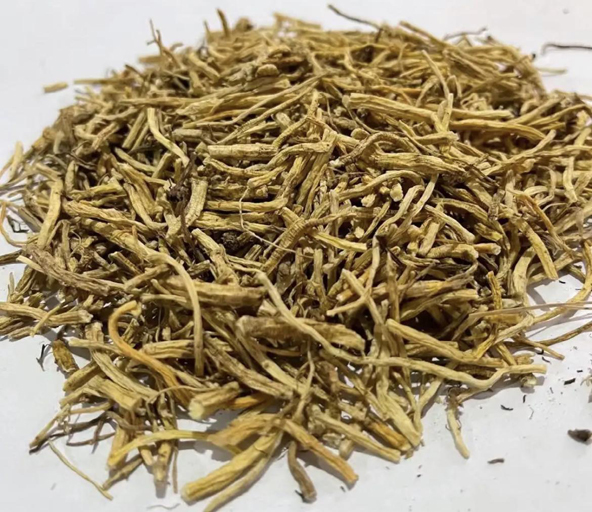
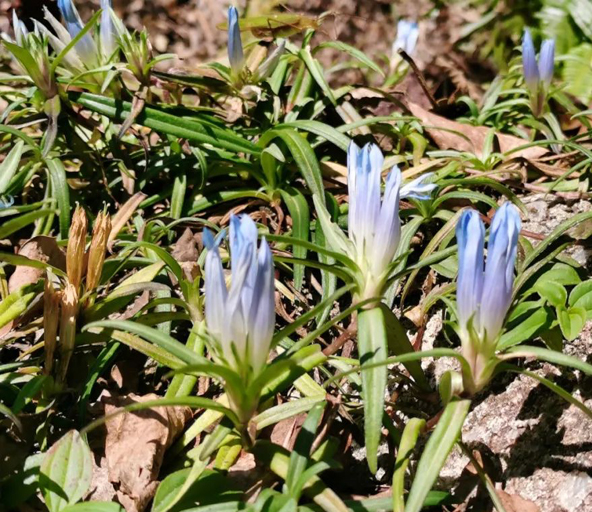
The functions of Gentiana scabra in traditional Chinese medicine include clearing heat and dampness, and relieving liver and gallbladder fire. Used for damp heat jaundice, yin swelling and itching, vaginal discharge, eczema itching, liver fire and red eyes, tinnitus and hearing loss, rib pain and bitter mouth, strong to moderate, and convulsions.

Gentianae Cephalanthae (Long Dan Cao) Extract Powder 10:1, 20:1, 50:1 TLC
【Other names】: Long Dan, Radix Gentianae, Long Dan Cao, Chinese Gentian
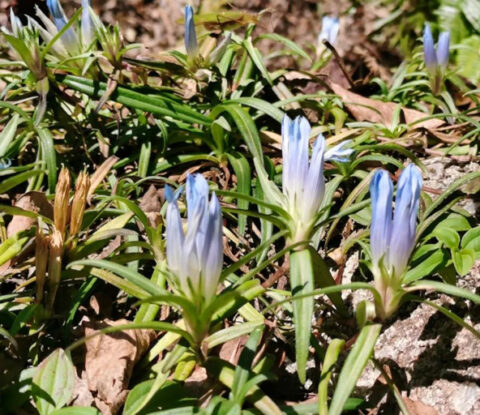
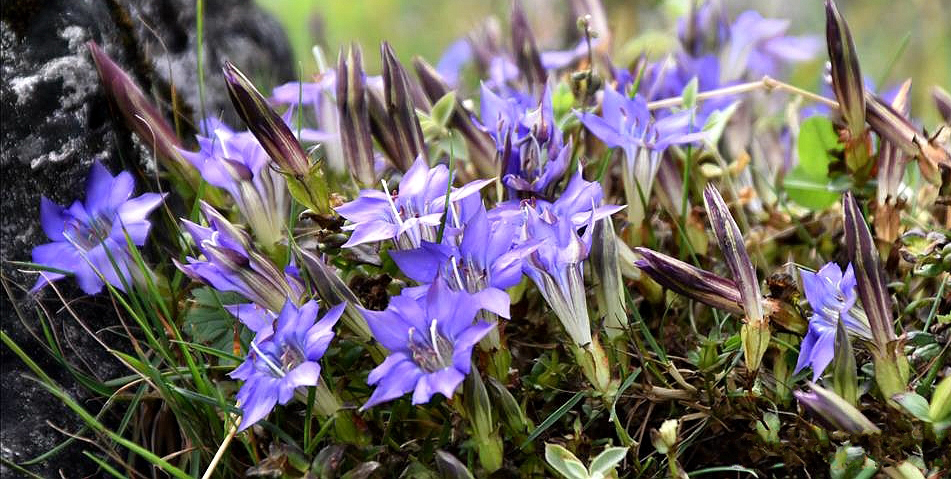
【Botanical source】: Gentiana cephalantha Franch.
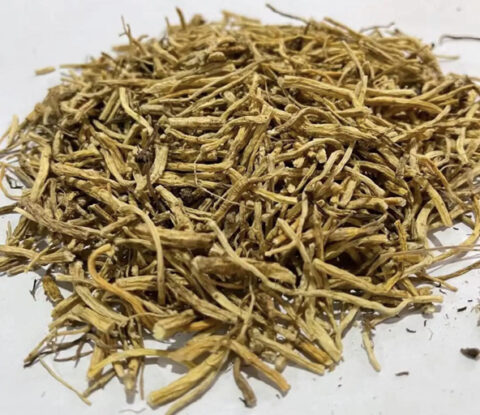
【Part used】: Dry whole plant of Gentiana cephalantha Franch., the head flower of Gentiana family.
【Specification】: 10:1, 20:1, 50:1 TLC
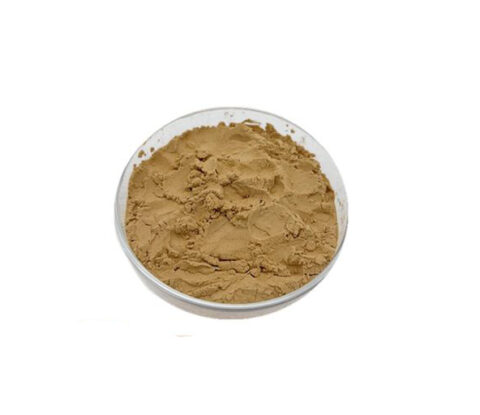
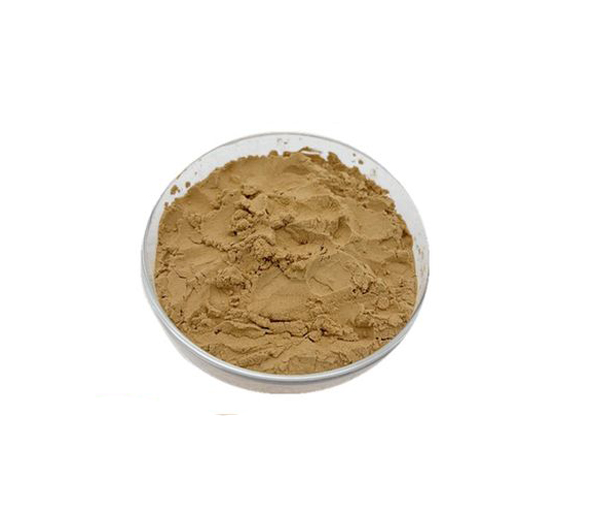
【Appearance】: Brownish yellow fine powder
【Particle size】: 95% pass 80 mesh size
Gentianae Cephalanthae (Long Dan Cao) Extract Powder Production Flowchart
Gentianae Cephalanthae (Long Dan Cao) raw materials – natural air drying–Coarse powder(40 mesh) -Low temperature water extraction – 1st Reflux Extraction(10 times water,2 Hrs) – 2nd Reflux Extraction8 times water,1.5 Hrs) – 3rd Reflux Extraction(6 times water,1 Hrs) – Extraction Solution-combine&Filtrate-Concentrate-Extractum-spray drying – screening – packaging – detection of physical and chemical indicators – warehousing
Specification Sheet of Gentianae Cephalanthae (Long Dan Cao) Extract Powder
| Product name: | Gentianae Extract | ||
| Specification: | 10:1 TLC | ||
| Part used: | Dry whole plant of Gentiana cephalantha Franch | ||
| Solvent used: | Hot water | ||
| Process: | Raw materials crushed, extracted, concentrated and spray-dried to powder | ||
| Non GMO according to regulation (EC) 1829/2003 and 1830/2003 or United States requirements. Non allergen according to Directive 2007/68 amending Annex IIIa to Directive 2000/13/EC and US Food allergen labelling and consumer protection act 2004. | |||
| Heavy Metals: | |||
| Lead: | NMT 3ppm | Cadmium: | NMT 1ppm |
| Arsenic: | NMT 2ppm | Mercury: | NMT 1ppm |
| Residual solvents: | Comply to USP | ||
| Pesticides residues: | Conform to Regulation USP<561> | ||
| Microbiology: | |||
| Total plate count: | 10000cfu/g Max | Yeasts and molds: | 1000cfu/g Max |
| E.coli: | Not detected in (g)10 | Salmonella spp.: | Not detected in (g)25 |
| Staphylococcus aureus: | Not detected in (g)10 | Clostridium spp.: | Not Present in 0.1 g of food |
| Organoleptic quality | Method | Specifications | |
| Aspect: | Visual : ( CQ-MO-148) | Powder | |
| Color: | Visual : ( CQ-MO-148) | Brownish | |
| Flavor: | Sensory: (CQ-MO-148) | Characteristic | |
| Analytical quality | Method | Specifications | |
| Identification: | TLC | Conform | |
| Loss on drying: | USP <731> | < 10% | |
| Bulk density: | USP <616> Method I | 40 – 60 g/100mL | |
| Particle size: | Analytical sieving || USP <786> | 100% through 80meshes | |
| Packaging suitable for foodstuff. | |||
Extended Reading
Gentianae Cephalanthae (Long Dan Cao) Function and Efficacy Recorded in TCM
In contrast to the mild and nourishing Astragalus membranaceus, Gentiana scabra is a highly effective herb in traditional Chinese medicine for clearing internal heat. It is particularly good at clearing and eliminating internal heat in the liver and gallbladder, as well as dampness and heat in the lower burner. Its medicinal properties are bitter and cold. Therefore, it has strict dialectical requirements in application.
Core efficacy and mechanism of action
The core function of Gentiana scabra is to “clear heat and dry dampness”, especially focusing on clearing the damp heat of the liver, gallbladder, and lower burner. Its main functions can be summarized as follows:
1. Diarrhea of the liver and gallbladder with excess fire
This is the most famous function of gentian grass.
Treatment of liver fire inflammation: When there is solid fire (true and excessive fire evil) in the liver and gallbladder meridians, it can lead to a series of “fire” symptoms, which are usually more severe. Gentiana scabra can break through the fire and clear the liver and gallbladder fire.
Typical symptoms: headache, red eyes, tinnitus, deafness, bitter mouth, and rib pain.
Application: The famous formula Longdan Xiegan Tang uses gentian herb as its main ingredient and is a representative formula for treating this type of syndrome.
2. Clean the damp heat of Lower Jiao
‘Lower Jiao’ generally refers to the lower body of the human body, including the urinary and reproductive systems, intestines, etc.
Treatment of Damp Heat and Damp Heat: When dampness and heat combine and invade the lower burner, it can cause related problems. The bitter and cold properties of Gentiana scabra effectively eliminate these dampness and heat.
Typical symptoms:
Urinary system: Short and red urine, hot and painful (similar to urinary tract infections).
Reproductive system: For males, scrotal dampness, swelling, and itching (scrotal eczema) may occur; For women, there may be yellow and thick discharge, as well as odor (such as vaginitis, cervicitis, etc.).
Dermatology: eczema, itching, etc. at the base of the thighs.
3. Clear heat and dry dampness
This is a broader function, referring to its ability to eliminate damp heat and evil qi through its bitter and cold properties, which is the basis of the above two functions.
Modern Pharmacological Effects of Gentianae Cephalanthae (Long Dan Cao)
The main active ingredients of Gentiana scabra include iridoid compounds such as gentiopicroside and swertiamarin, as well as gentian flavonoids and gentian polysaccharides.
The following are the main modern pharmacological effects of Gentiana scabra:
1. Anti inflammatory effect
This is the core modern explanation for its “clearing heat and purging fire” effect.
Mechanism: The iridoid compounds in Gentiana scabra, especially gentiopicroside, can significantly inhibit the production and release of various inflammatory factors, such as tumor necrosis factor – α (TNF – α), interleukin-6 (IL-6), and prostaglandin E2 (PGE2).
Application: This explains why Gentiana scabra can effectively treat the redness and swelling of the eyes caused by “liver fire inflammation” in traditional Chinese medicine, as well as the itching and inflammation of the genital area caused by “damp heat stagnation”.
2. Hepatoprotective and choleretic effects
This directly corresponds to its traditional efficacy of “purging the liver and gallbladder and solidifying fire”.
Liver protection: Gentiana scabra has a clear protective effect on the liver, which can reduce chemical liver damage (such as caused by carbon tetrachloride and acetaminophen), lower serum transaminase levels, and combat liver fibrosis.
Lidan: It can stimulate the secretion and excretion of bile, promote digestion, especially the digestion of fat. This has positive implications for the adjuvant treatment of cholecystitis and cholelithiasis.
3. Antibacterial and antiviral effects
Antibacterial: Gentiana scabra decoction has inhibitory effects on various bacteria, such as Staphylococcus aureus, Streptococcus, Escherichia coli, Shigella, etc. This provides a scientific basis for its treatment of urinary system infections and intestinal infections caused by dampness and heat.
Antiviral: Studies have shown that extracts of Gentiana scabra have a certain inhibitory effect on influenza virus, herpes simplex virus, and other viruses.
4. Sedative, anticonvulsant, and analgesic effects
Sedation: Gentiana scabra has a central inhibitory effect and can help alleviate tension and anxiety.
Anticonvulsant: It has an antagonistic effect on experimental seizure models.
Analgesia: has a certain analgesic effect.
Contact: Traditional Chinese medicine believes that “the liver is responsible for regulating and releasing qi”, and excessive liver fire can lead to impatience and irritability. The sedative effect of gentian grass can effectively alleviate these mental and neurological symptoms.
5. Promote digestion
Stomach boosting: Although gentian grass is extremely bitter, taking it in small amounts before meals can stimulate gastric juice secretion reflexively through bitterness, promoting appetite and digestion. This is the modern understanding of traditional Chinese medicine’s concept of “bitter taste promotes stomach health”. However, it should be noted that high-dose or long-term use can actually inhibit digestion and damage the gastric mucosa.
6. Anti allergic and immune regulatory effects
Research has shown that extracts of Gentiana scabra can inhibit the release of histamine and other allergic mediators from mast cells, thereby reducing allergic reactions. This has therapeutic potential for allergy related diseases such as eczema and skin itching. It also has a certain regulatory effect on the immune function of the body.
7. Antitumor effect
Some in vitro and animal experiments have shown that the active ingredients in Gentiana scabra, such as gentiopicroside, have inhibitory effects on proliferation and induce apoptosis in certain cancer cells, such as liver cancer, gastric cancer, and cervical cancer cells. But this is still in the research stage and has not yet been applied to clinical treatment.
8. Antioxidant effect
The flavonoids in Gentiana scabra have the ability to scavenge free radicals, which helps alleviate oxidative stress damage to cells in the body.