
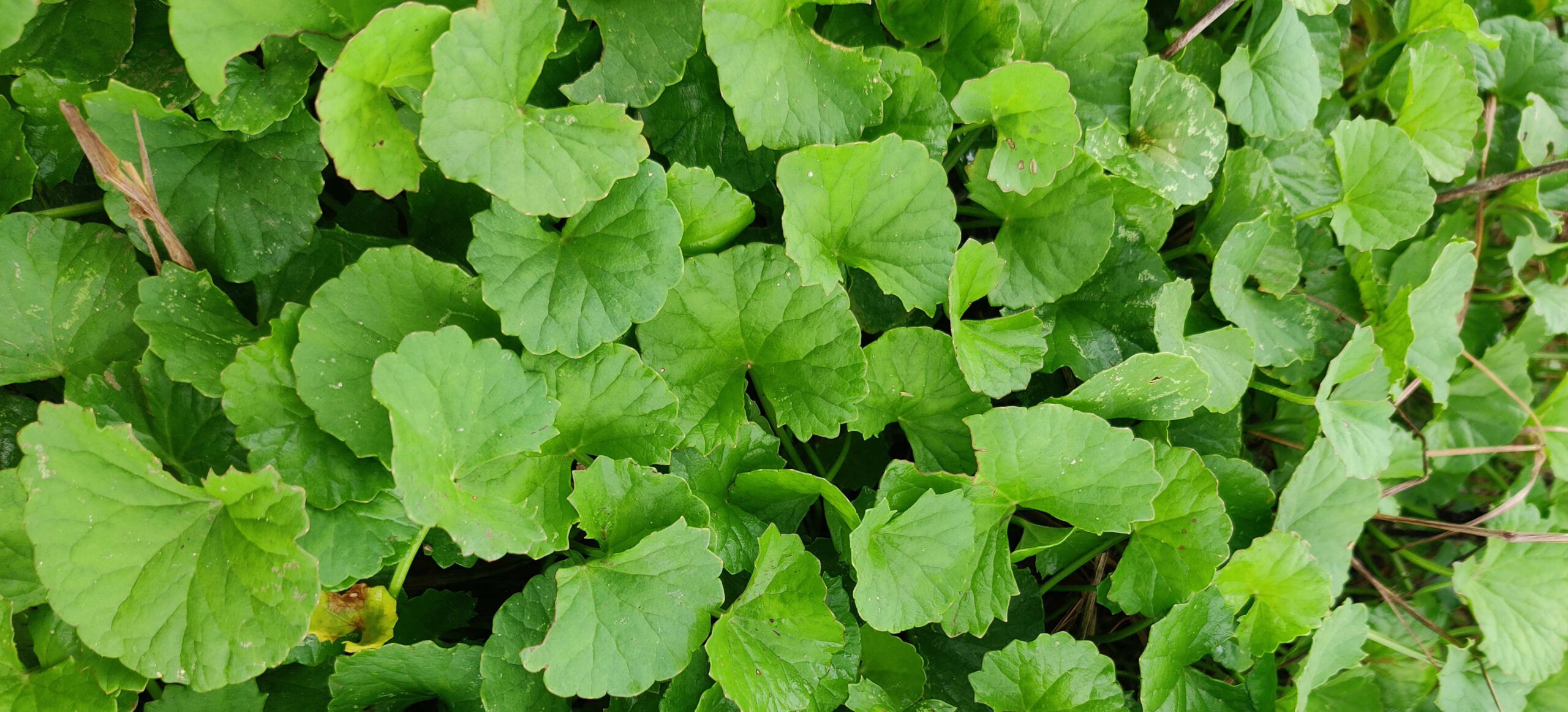
Centella Asiatica(Gotu Kola) Extract Extract Powder 10:1 20:1 TLC
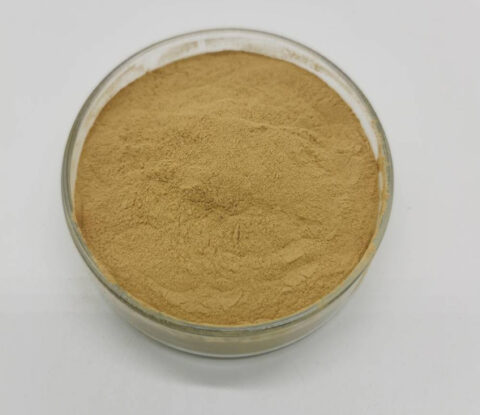
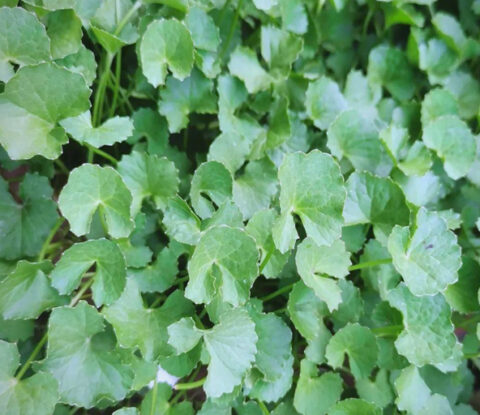


Centella asiatica glycoside and hydroxyl Centella asiatica glycoside are the main active ingredients in Centella asiatica, which have the effects of promoting wound healing, repairing skin scars, anti sensitivity, anti-inflammatory, whitening, antioxidant, anti gastric ulcer, and treating hepatitis.

Centella Asiatica(Gotu Kola) Extract Extract Powder 10:1 20:1 TLC
【Botanical source】: Centella asiatica (L.) Urban
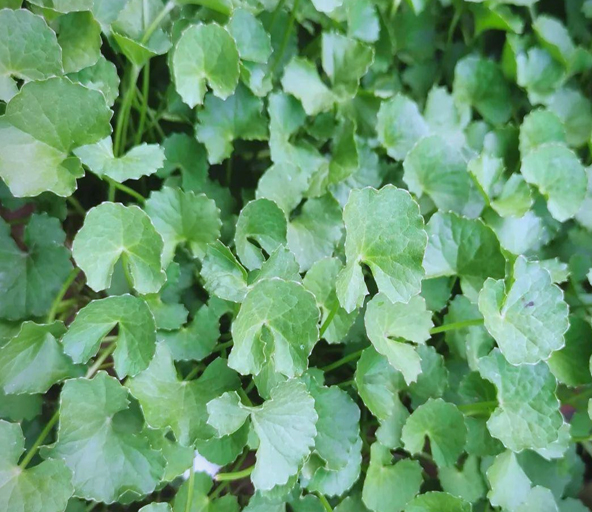
【Part used】: Dried whole plant of Centella asiatica (L.) Urb in the Umbelliferae family.
【Specification】: 10:1 20:1 TLC
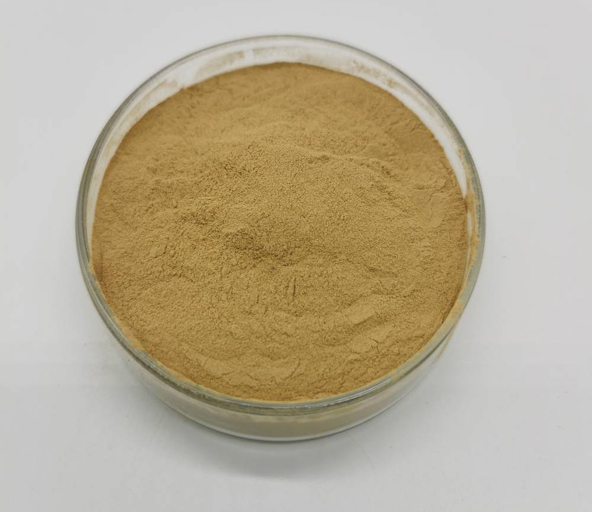
【Appearance】: Brownish yellow fine powder
【Extraction solvents】: Water
【Particle size】: 95% pass 80 mesh size
【Main ingredients】: Main component functions:
Centelloside, also known as Asiatic Centelloside, is one of the main active ingredients of Centella asiatica, which has anti-inflammatory, antioxidant, and collagen synthesis promoting effects. It is very helpful for skin health and repair.
Asiatic acid, also known as Asiatic acid, has anti-inflammatory, antibacterial, antioxidant and other effects, and has certain benefits for skin health.
Madecassic acid: It has anti-inflammatory, antibacterial, antioxidant and other effects, and is helpful for skin repair and regeneration.
Hydroxyasiatic acid: It has anti-inflammatory, antibacterial, antioxidant and other effects. These ingredients together form the pharmacological basis of centella asiatica, making it effective in skincare, treating skin diseases, and other areas.
Centella Asiatica(Gotu Kola) Extract Powder Production Flowchart
Centella Asiatica(Gotu Kola) raw materials -Coarse powder(40 mesh) -Low temperature water extraction – 1st Reflux Extraction(10 times water,2 Hrs) – 2nd Reflux Extraction8 times water,1.5 Hrs) – 3rd Reflux Extraction(6 times water,1 Hrs) – Extraction Solution-combine&Filtrate-Concentrate-Extractum-spray drying – screening – packaging – detection of physical and chemical indicators – warehousing
Specification Sheet of Centella Asiatica(Gotu Kola) Extract Powder
| Product name: | Gotu Kola Extract | ||
| Specification: | 10:1 TLC | ||
| Part used: | Dried whole plant of Centella asiatica (L.) Urb | ||
| Solvent used: | Water | ||
| Process: | Raw materials crushed, extracted, concentrated and spray-dried to powder | ||
| Non GMO according to regulation (EC) 1829/2003 and 1830/2003 or United States requirements. Non allergen according to Directive 2007/68 amending Annex IIIa to Directive 2000/13/EC and US Food allergen labelling and consumer protection act 2004. | |||
| Heavy Metals: | |||
| Lead: | NMT 3ppm | Cadmium: | NMT 1ppm |
| Arsenic: | NMT 2ppm | Mercury: | NMT 1ppm |
| Residual solvents: | Comply to USP | ||
| Pesticides residues: | Conform to Regulation USP<561> | ||
| Microbiology: | |||
| Total plate count: | 10000cfu/g Max | Yeasts and molds: | 1000cfu/g Max |
| E.coli: | Not detected in (g)10 | Salmonella spp.: | Not detected in (g)25 |
| Staphylococcus aureus: | Not detected in (g)10 | Clostridium spp.: | Not Present in 0.1 g of food |
| Organoleptic quality | Method | Specifications | |
| Aspect: | Visual : ( CQ-MO-148) | Powder | |
| Color: | Visual : ( CQ-MO-148) | Brownish | |
| Flavor: | Sensory: (CQ-MO-148) | Characteristic | |
| Analytical quality | Method | Specifications | |
| Identification: | TLC | Conform | |
| Loss on drying: | USP <731> | < 10% | |
| Bulk density: | USP <616> Method I | 40 – 60 g/100mL | |
| Particle size: | Analytical sieving || USP <786> | 100% through 80meshes | |
| Packaging suitable for foodstuff. | |||
Extended Reading
Modern Pharmacological Research on Centella Asiatica(Gotu Kola)
Core Active Components: The primary bioactive compounds are triterpenoids, including asiaticoside, madecassoside, asiatic acid, and madecassic acid.
Key Pharmacological Activities:
- Wound Healing & Skin Health: Most well-documented effect. Stimulates collagen synthesis, promotes fibroblast proliferation, and enhances skin barrier function. Clinically used for scar management (e.g., hypertrophic scars, striae), burn recovery, and as an anti-aging ingredient in cosmetics.
- Neuroprotective & Cognitive Effects: Demonstrates anxiolytic, antidepressant, and cognitive-enhancing potential. Modulates neurotransmitters, reduces oxidative stress in the brain, and may support neuronal health. Investigated for adjunct use in anxiety, mild cognitive impairment, and Alzheimer’s disease models.
- Antioxidant & Anti-inflammatory: Potently scavenges free radicals and inhibits key inflammatory mediators (e.g., TNF-α, IL-6, COX-2). Underlies its therapeutic benefits for various conditions.
- Venous Insufficiency & Microcirculation: Effective in managing chronic venous insufficiency (e.g., edema, heaviness in legs) by improving vascular integrity and microcirculatory flow.
- Potential Additional Activities:
- Antifibrotic: Shows promise in reducing fibrosis in organs like the liver and lungs.
- Antimicrobial: Exhibits activity against certain bacteria and viruses.
- Antidiabetic: May improve insulin sensitivity and reduce diabetic complications in preclinical studies.
- Cardioprotective: Potential benefits on endothelial function and atherosclerosis markers.
Mechanisms of Action: Actions are attributed to:
- Upregulation of antioxidant enzymes (e.g., SOD, catalase).
- Modulation of key signaling pathways (e.g., TGF-β/Smad, Nrf2, PI3K/Akt).
- Inhibition of pro-inflammatory transcription factors (e.g., NF-κB).
Safety: Generally well-tolerated. Occasional reports of contact dermatitis with topical use. High doses may lead to transient gastrointestinal upset or hepatotoxicity in rare cases.
Conclusion: Modern research validates several traditional uses of Centella asiatica, particularly for wound healing, skin repair, and venous disorders. Its neuroprotective, antioxidant, and anti-inflammatory properties offer promising avenues for therapeutic development in neurology, psychiatry, and metabolic diseases. Further high-quality clinical trials are needed to standardize dosages and confirm efficacy for newer indications.