
Grape Seed Extract Powder 10:1, 20:1, 50:1 TLC, proanthocyanidins/OPCs 95% UV


The core pharmacological effects of grape seed extract (rich in anthocyanins OPCs) are strong antioxidant and free radical scavenging, which can significantly protect vascular endothelium, improve blood pressure and blood lipids, and have anti-inflammatory activity. Research has shown that it can inhibit collagenase to protect the skin, improve insulin sensitivity, and exhibit neuroprotective, antiplatelet aggregation, and potential anti-tumor adjuvant effects.

Grape Seed Extract Powder 10:1, 20:1, 50:1 TLC, proanthocyanidins/OPCs 95% UV
【Botanical source】: Vitis vinifera L.
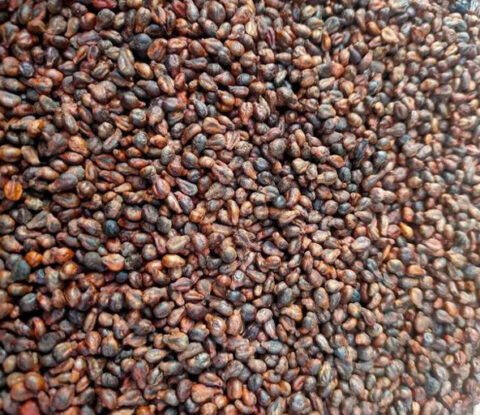
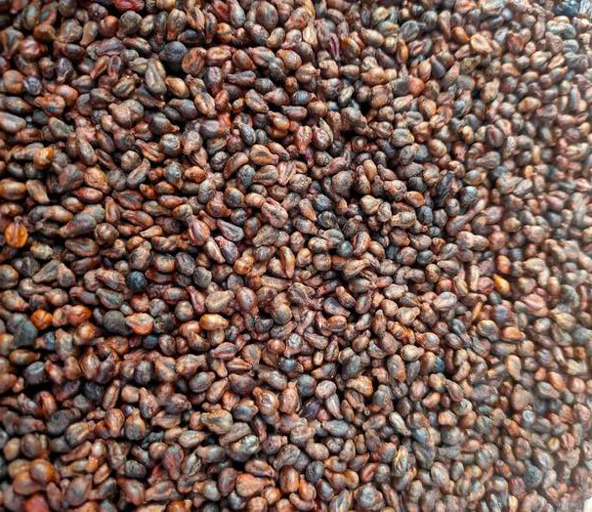
【Part used】: Seeds
【Specification】: 10:1, 20:1, 50:1 TLC, proanthocyanidins/OPCs 95% UV
【Extraction solvents】: Water
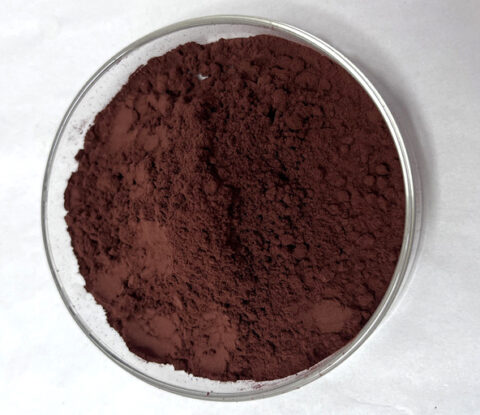
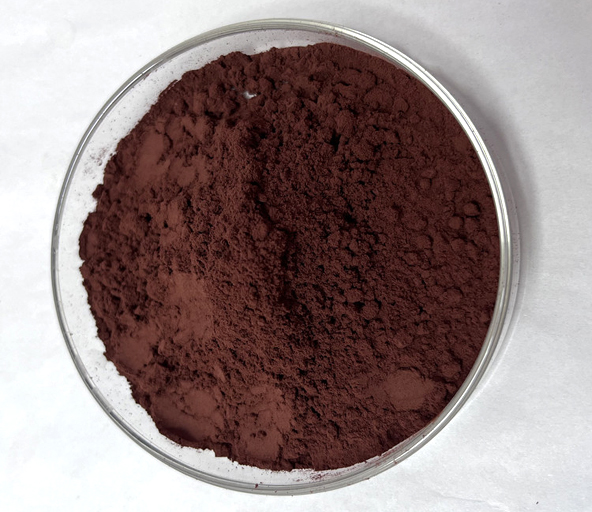
【Appearance】: Brownish fine powder
【Particle size】: 95% pass 80 mesh size
【Main ingredients】: The core component of grape seed extract is anthocyanins (OPCs), especially oligomeric OPCs. In addition, it contains polyphenolic substances such as catechins and epicatechins, resveratrol, organic acids such as gallic acid, vitamin E, and minerals. These ingredients synergistically endow it with strong antioxidant and free radical scavenging abilities, which are the basis for its cardiovascular protection, anti-inflammatory, and collagen health maintenance effects.
【Storage conditions】:Store at room temperature in a sealed manner, away from light, and in a ventilated, cool, and dry environment.
【Shelf life】: 24 months from the production date
Grape Seed Extract Powder Production Flowchart
Grape Seed raw materials -Coarse powder(40 mesh) -Low temperature water extraction – 1st Reflux Extraction(10 times water,2 Hrs) – 2nd Reflux Extraction8 times water,1.5 Hrs) – 3rd Reflux Extraction(6 times water,1 Hrs) – Extraction Solution-combine&Filtrate-Concentrate-Extractum-spray drying – screening – packaging – detection of physical and chemical indicators – warehousing
Specification Sheet of Grape Seed Extract Powder
| Product name: | Grape Seed Extract | ||
| Specification: | 10:1 TLC | ||
| Part used: | Seeds of Vitis vinifera L. | ||
| Solvent used: | Water | ||
| Process: | Raw materials crushed, extracted, concentrated and spray-dried to powder | ||
| Non GMO according to regulation (EC) 1829/2003 and 1830/2003 or United States requirements. Non allergen according to Directive 2007/68 amending Annex IIIa to Directive 2000/13/EC and US Food allergen labelling and consumer protection act 2004. | |||
| Heavy Metals: | |||
| Lead: | NMT 3ppm | Cadmium: | NMT 1ppm |
| Arsenic: | NMT 2ppm | Mercury: | NMT 1ppm |
| Residual solvents: | Comply to USP | ||
| Pesticides residues: | Conform to Regulation USP<561> | ||
| Microbiology: | |||
| Total plate count: | 10000cfu/g Max | Yeasts and molds: | 1000cfu/g Max |
| E.coli: | Not detected in (g)10 | Salmonella spp.: | Not detected in (g)25 |
| Staphylococcus aureus: | Not detected in (g)10 | Clostridium spp.: | Not Present in 0.1 g of food |
| Organoleptic quality | Method | Specifications | |
| Aspect: | Visual : ( CQ-MO-148) | Powder | |
| Color: | Visual : ( CQ-MO-148) | Brownish yellow | |
| Flavor: | Sensory: (CQ-MO-148) | Characteristic | |
| Analytical quality | Method | Specifications | |
| Identification: | TLC | Conform | |
| Loss on drying: | USP <731> | < 10% | |
| Bulk density: | USP <616> Method I | 40 – 60 g/100mL | |
| Particle size: | Analytical sieving || USP <786> | 100% through 80meshes | |
| Packaging suitable for foodstuff. | |||
Extended Reading
Modern Research on Grape Seed Extract (GSE)
Chemical Components
Grape Seed Extract is standardized to its most active and abundant components, primarily oligomeric proanthocyanidins (OPCs).
- Proanthocyanidins (PACs)/Condensed Tannins (60-95% of standardized extract):
- Oligomeric Procyanidins (OPCs): Dimers, trimers, tetramers of catechin and epicatechin (e.g., Procyanidin B1, B2). These are the most bioavailable and extensively studied.
- Polymeric Procyanidins: Larger, less absorbable complexes.
- Monomeric Flavonoids: Catechin, epicatechin, gallocatechin, epigallocatechin.
- Phenolic Acids: Gallic acid, ellagic acid, protocatechuic acid.
- Other: Minor amounts of resveratrol, vitamins (E, C), minerals, and linoleic acid.
Health Benefits (Evidence-Based)
- Potent Antioxidant & Cardiovascular Health
- Mechanism: OPCs are among nature’s most potent antioxidants, scavenging free radicals (ROS/RNS) and upregulating endogenous antioxidant enzymes (SOD, glutathione peroxidase) via Nrf2 pathway activation. They protect vascular endothelium from oxidative damage.
- Clinical Evidence:
- Blood Pressure: Meta-analyses confirm significant reductions in systolic and diastolic BP, especially in hypertensive or pre-hypertensive individuals.
- Lipids & Arterial Stiffness: Improves lipid profile (↓LDL, ↑HDL), reduces oxidized LDL, and improves arterial elasticity (pulse wave velocity).
- Venous Insufficiency: Improves symptoms of chronic venous insufficiency (CVI) and capillary fragility.
- Anti-inflammatory
- Modulates key inflammatory pathways (NF-κB, MAPK), reducing cytokines like TNF-α, IL-6, and CRP. Beneficial in metabolic syndrome, arthritis, and neuroinflammation models.
- Neuroprotection
- Crosses the blood-brain barrier. In preclinical models, protects against Aβ-induced toxicity, reduces tau hyperphosphorylation, improves cognitive function, and shows promise in models of stroke and Parkinson’s.
- Metabolic Syndrome & Diabetes
- Improves insulin sensitivity, reduces fasting glucose and HbA1c. Protects pancreatic β-cells and mitigates diabetic complications (nephropathy, retinopathy) via anti-glycation and antioxidant effects.
- Skin Health & Anti-Aging
- Collagen Protection: Inhibits collagenase, elastase, and hyaluronidase, preserving skin matrix integrity. Stimulates collagen synthesis.
- Clinical Use: Improves skin elasticity, hydration, and reduces UV-induced photoaging and hyperpigmentation. Used orally and topically.
- Potential Anti-cancer Adjuvant
- In vitro and animal studies show chemopreventive effects via cell cycle arrest, apoptosis induction, and inhibition of angiogenesis and metastasis. Human data is preliminary but suggests potential in reducing chemotherapy side effects.
Interactions
- Anticoagulant/Antiplatelet Drugs (Warfarin, Aspirin, Clopidogrel): MODERATE RISK. GSE may inhibit platelet aggregation (via reduced TXA2 synthesis) and potentially increase bleeding risk. Several case reports note increased INR with warfarin. Close monitoring required.
- Chemotherapy Drugs (Doxorubicin, Cisplatin): COMPLEX. While potentially protective against organ toxicity, it may also theoretically interfere with the pro-oxidant mechanism of some chemotherapies. Oncologist consultation is crucial.
- Cytochrome P450: In vitro, components may inhibit CYP3A4, 2C9, and 2E1. Clinical relevance is unclear but caution is advised with substrates of these enzymes (e.g., statins, some antidepressants).
- Antihypertensive Drugs: Additive blood pressure-lowering effects; monitor BP.
- NSAIDs: May potentiate antiplatelet effects.
Taboos & Warnings
- Bleeding Disorders or Upcoming Surgery: Contraindicated due to antiplatelet activity. Discontinue at least 2 weeks prior to surgery.
- Pregnancy & Lactation: Safety not established for high-dose extracts; avoid.
- Autoimmune Diseases: Theoretical risk of immune stimulation; use with caution in conditions like multiple sclerosis, lupus.
- Allergy: Possible allergy to grapes or grape products.
- Iron Absorption: High tannin content may non-significantly inhibit non-heme iron absorption. Separate intake from iron supplements/meals by 1-2 hours.
Applications
- Nutraceuticals: Standardized capsules/tablets (often to 95% OPCs or PACs) for antioxidant, cardiovascular, and skin health support. Typical dose: 150-300 mg/day.
- Cosmeceuticals: In anti-aging serums, moisturizers, sunscreens, and haircare products for antioxidant and collagen-protecting benefits.
- Food Industry: As a natural antioxidant preservative to prevent lipid oxidation in meats and oils.
- Animal Nutrition: Used in livestock and pet food for health and preservation.
- Dentistry: Investigated in mouthwashes for reducing periodontal inflammation.
References
- Feringa, H. H., et al. (2011). The effect of grape seed extract on cardiovascular risk markers: a meta-analysis of randomized controlled trials. Journal of the American Dietetic Association, 111(8), 1173-1181.
- Bagchi, D., et al. (2014). Oxygen free radical scavenging abilities of vitamins C and E, and a grape seed proanthocyanidin extract in vitro. Research Communications in Molecular Pathology and Pharmacology, 95(2), 179-189. (Classic antioxidant study)
- Sano, A., et al. (2007). Procyanidin B1 is detected in human serum after intake of proanthocyanidin-rich grape seed extract. Bioscience, Biotechnology, and Biochemistry, 71(5), 1140-1143. (Bioavailability study)
- Karam, J., et al. (2022). Grape seed proanthocyanidins and cognitive function: A systematic review and meta-analysis of randomized controlled trials. Nutrition Reviews, 80(11), 2035-2050.
- Zhang, H., et al. (2015). Beneficial effects of grape seed proanthocyanidin extract on hypertension. *Current Pharmaceutical Biotechnology, 16**(2), 162-169.
- Katiyar, S. K. (2008). Grape seed proanthocyanidines and skin cancer prevention: inhibition of oxidative stress and protection of immune system. Molecular Nutrition & Food Research, 52(S1), S71-S76. (Skin health focus)
- Alipour, M., et al. (2020). The effect of grape seed extract on glycemic control in patients with type 2 diabetes: A systematic review and meta-analysis of randomized clinical trials. *Phytotherapy Research, 34**(7), 1531-1542.
- Nassiri-Asl, M., & Hosseinzadeh, H. (2016). Review of the pharmacological effects of Vitis vinifera (Grape) and its bioactive compounds. *Phytotherapy Research, 30**(9), 1392-1403. (Comprehensive review)
- Fine, A. M. (2000). Oligomeric proanthocyanidin complexes: history, structure, and phytopharmaceutical applications. *Alternative Medicine Review, 5**(2), 144-151.
- Patel, P. B., et al. (2021). Grape seed extract: A potential therapeutic agent for cancer. *Journal of Food Biochemistry, 45**(12), e13984.
- Interaction Study: ** Bent, S., et al. (2004). Spontaneous bleeding associated with ginkgo biloba: a case report and systematic review of the literature. *Journal of General Internal Medicine, 19(7), 811-814. (Includes discussion of similar herbal antiplatelet effects relevant to GSE)
- EFSA Panel on Dietetic Products, Nutrition and Allergies (NDA). (2012). Scientific Opinion on the substantiation of health claims related to grape seed extract and protection of LDL particles from oxidative damage, etc. *EFSA Journal, 10**(2), 2557. (Regulatory perspective)
Note: This summary is for informational purposes. It may interact with medications and is contraindicated in certain conditions. Consult a healthcare professional before therapeutic use, particularly regarding its estrogenic activity.