
Grapefruit Fruit Extract Powder 10:1 TLC, Grapefruit Instant Powder
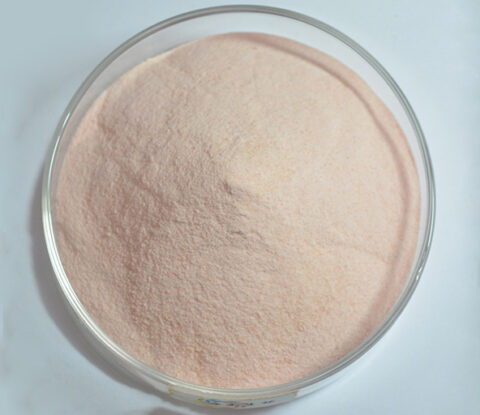
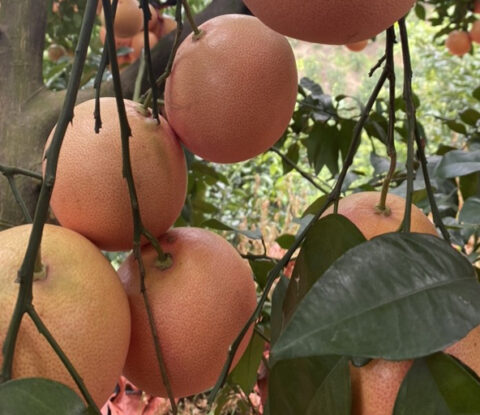


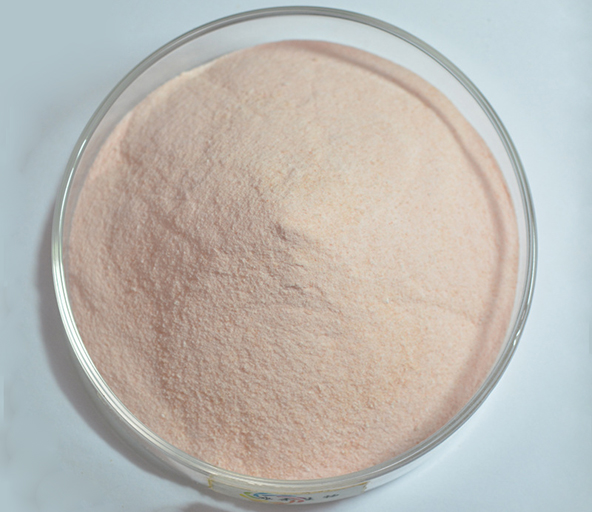
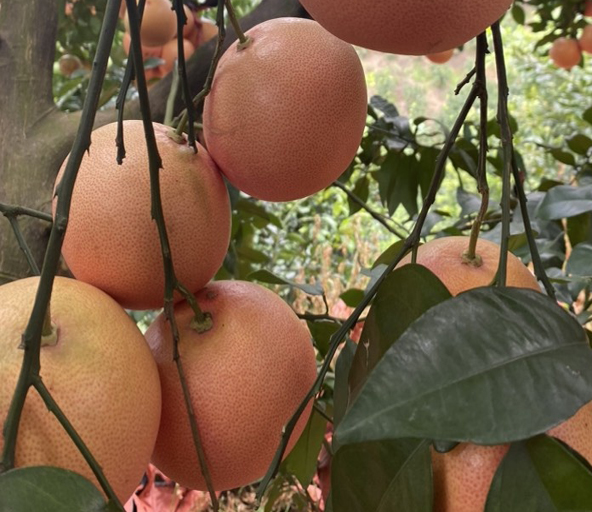
As a processed product, grapefruit instant powder mainly provides vitamin C and natural flavor. Its core active ingredients (such as naringin) and key drug interacting ingredients (furanocoumarin) are usually significantly reduced or removed during processing. Therefore, its antioxidant effect is weaker than that of fresh fruits, and the risk of drug interactions is greatly reduced. However, it is still recommended that those who take specific drugs consume them with caution.

Grapefruit Fruit Extract Powder 10:1 TLC, Grapefruit Instant Powder
【Botanical source】: Citrus paradisi
【Part used】: Fruit
【Specification】: 10:1TLC, Grapefruit Instant Powder
【Extraction solvents】: Water
【Appearance】: Light pink fine powder
【Particle size】: 95% pass 80 mesh size
【Main ingredients】: Grapefruit is rich in vitamin C, dietary fiber, potassium, and various phytochemicals such as furanocoumarin (which affects drug metabolism), naringin (flavanone), and limonin. These ingredients endow them with antioxidant, anti-inflammatory, potential auxiliary lipid-lowering, and sugar control effects, but attention should be paid to their interaction risks with multiple drugs.
【Storage conditions】:Store at room temperature in a sealed manner, away from light, and in a ventilated, cool, and dry environment.
【Shelf life】: 24 months from the production date
Grapefruit Fruit Extract Powder Production Flowchart
Grapefruit Fruit raw materials -Coarse powder(40 mesh) -Low temperature water extraction – 1st Reflux Extraction(10 times water,2 Hrs) – 2nd Reflux Extraction8 times water,1.5 Hrs) – 3rd Reflux Extraction(6 times water,1 Hrs) – Extraction Solution-combine&Filtrate-Concentrate-Extractum-spray drying – screening – packaging – detection of physical and chemical indicators – warehousing
Specification Sheet of Grapefruit Fruit Extract Powder
| Product name: | Grapefruit Fruit Extract | ||
| Specification: | 10:1 TLC | ||
| Part used: | Fruit of Citrus paradisi | ||
| Solvent used: | Water | ||
| Process: | Raw materials crushed, extracted, concentrated and spray-dried to powder | ||
| Non GMO according to regulation (EC) 1829/2003 and 1830/2003 or United States requirements. Non allergen according to Directive 2007/68 amending Annex IIIa to Directive 2000/13/EC and US Food allergen labelling and consumer protection act 2004. | |||
| Heavy Metals: | |||
| Lead: | NMT 3ppm | Cadmium: | NMT 1ppm |
| Arsenic: | NMT 2ppm | Mercury: | NMT 1ppm |
| Residual solvents: | Comply to USP | ||
| Pesticides residues: | Conform to Regulation USP<561> | ||
| Microbiology: | |||
| Total plate count: | 10000cfu/g Max | Yeasts and molds: | 1000cfu/g Max |
| E.coli: | Not detected in (g)10 | Salmonella spp.: | Not detected in (g)25 |
| Staphylococcus aureus: | Not detected in (g)10 | Clostridium spp.: | Not Present in 0.1 g of food |
| Organoleptic quality | Method | Specifications | |
| Aspect: | Visual : ( CQ-MO-148) | Powder | |
| Color: | Visual : ( CQ-MO-148) | Light pink | |
| Flavor: | Sensory: (CQ-MO-148) | Characteristic | |
| Analytical quality | Method | Specifications | |
| Identification: | TLC | Conform | |
| Loss on drying: | USP <731> | < 10% | |
| Bulk density: | USP <616> Method I | 40 – 60 g/100mL | |
| Particle size: | Analytical sieving || USP <786> | 100% through 80meshes | |
| Packaging suitable for foodstuff. | |||
Extended Reading
Modern Pharmacological Effects of Grapefruit Extract
Grapefruit extract, derived from Citrus × paradisi, is a rich source of bioactive compounds, with its pharmacological profile marked by both significant therapeutic potential and important drug interaction risks. Key constituents include flavonoids (notably naringin/naringenin, hesperidin), furanocoumarins (e.g., bergamottin, 6′,7′-dihydroxybergamottin – DHB), vitamin C, limonoids, and pectin. Its effects are a double-edged sword, requiring careful consideration.
Key Pharmacological Effects:
- Drug Metabolism Inhibition (Cytochrome P450 3A4): This is the most clinically significant and potentially dangerous effect. The furanocoumarins (primarily bergamottin and DHB) irreversibly inhibit the intestinal and hepatic enzyme CYP3A4. This inhibition dramatically increases the bioavailability and plasma concentrations of a vast array of medications (e.g., statins, calcium channel blockers, immunosuppressants, many others), leading to a high risk of toxicity and severe adverse effects.
- Antioxidant & Anti-inflammatory: The flavonoid complex, particularly naringenin, exhibits potent free radical scavenging and metal chelating activities. This underpins its anti-inflammatory effects, which involve the downregulation of pro-inflammatory cytokines (TNF-α, IL-6) and enzymes like COX-2 and iNOS via modulation of NF-κB and MAPK pathways. These properties are beneficial in managing chronic inflammatory conditions.
- Cardiometabolic Modulation: Components like naringin show potential lipid-lowering and anti-atherogenic effects in animal and in vitro models by inhibiting hepatic cholesterol synthesis and promoting fecal bile acid excretion. It may also improve insulin sensitivity and glucose tolerance, though human clinical data is limited and confounded by interaction risks.
- Anti-obesity & Hepatoprotective Potential: Studies in animal models suggest grapefruit extract or naringenin can reduce body weight gain, hepatic steatosis, and inflammation in high-fat diet-induced obesity. It modulates lipid metabolism in the liver and adipose tissue, showing promise for non-alcoholic fatty liver disease (NAFLD) management.
- Antimicrobial & Anticancer Activity: In vitro studies indicate antibacterial and antifungal properties. Furthermore, naringenin and other flavonoids demonstrate chemopreventive potential by inducing cell cycle arrest and apoptosis in various cancer cell lines (e.g., breast, colon, prostate), inhibiting tumor cell proliferation, angiogenesis, and metastasis. The clinical translation is uncertain.
- Cognitive & Neuroprotective Effects: Preliminary research suggests that the antioxidants in grapefruit may protect neurons from oxidative damage, reduce neuroinflammation, and improve cognitive function in animal models, indicating a potential role in neuroprotection against age-related decline.
Conclusion
Grapefruit extract possesses a powerful and complex pharmacological profile. While its antioxidant, anti-inflammatory, and metabolic-modulating properties offer therapeutic promise for conditions like metabolic syndrome, NAFLD, and inflammation, these are overshadowed by its potent and dangerous inhibition of CYP3A4-mediated drug metabolism. Its use as a therapeutic supplement is strongly contraindicated in individuals taking most prescription medications. Research into its benefits must always be contextualized by this critical safety concern.
References
- Bailey, D. G., et al. (1998). Grapefruit juice–drug interactions. British Journal of Clinical Pharmacology, 46(2), 101-110. (Seminal review on drug interactions).
- Chanet, A., et al. (2012). Citrus flavanones: What is their role in cardiovascular protection? Journal of Agricultural and Food Chemistry, 60(36), 8809-8822.
- Egert, S., & Rimbach, G. (2011). Which sources of flavonoids: complex diets or dietary supplements? Advances in Nutrition, 2(1), 8-14. (Includes discussion on citrus flavonoids).
- Girennavar, B., et al. (2008). Furanocoumarins from grapefruit juice and their effect on human CYP 3A4 and CYP 1B1 isoenzymes. Bioorganic & Medicinal Chemistry, 16(7), 3905-3913.
- Ho, P. C., et al. (2001). Drug interaction effects on the pharmacokinetics of CYP3A4-metabolized drugs. Clinical Pharmacokinetics, 40(11), 815-850.
- Jeon, S. M., et al. (2001). Antioxidative activity of naringin and lovastatin in high cholesterol-fed rabbits. Life Sciences, 69(24), 2855-2866.
- Mulvihill, E. E., & Huff, M. W. (2010). Antiatherogenic properties of flavonoids: implications for cardiovascular health. Canadian Journal of Cardiology, 26(Suppl A), 17A-21A.
- O’Neil, C. E., et al. (2012). Grapefruit consumption improves antioxidant status and lipid peroxidation in healthy adults. Nutrition Research, 32(7), 537-540.
- Raza, A., et al. (2013). Anticancer activity of grapefruit extract and its bioactive compounds: Current insights and future perspectives. Asian Pacific Journal of Cancer Prevention, 14(3), 1571-1575.
- Siltari, A., et al. (2022). Citrus Flavanones and the Central Nervous System. Molecules, 27(4), 1321.
Note: This summary is for informational purposes. It may interact with medications and is contraindicated in certain conditions. Consult a healthcare professional before therapeutic use, particularly regarding its estrogenic activity.