
Guava Fruit Extract Powder 10:1 TLC, Guava Instant Powder
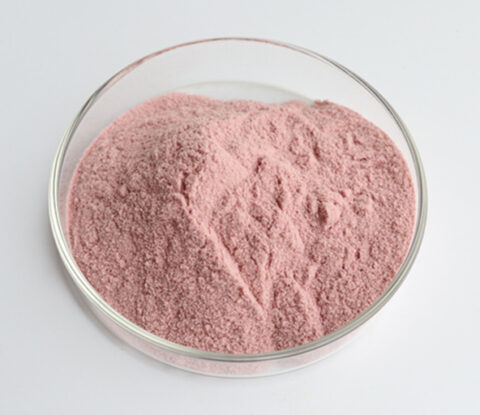
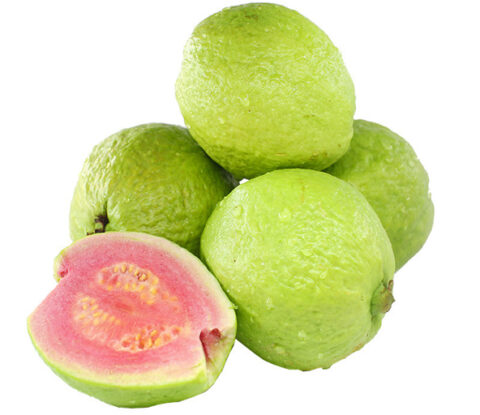


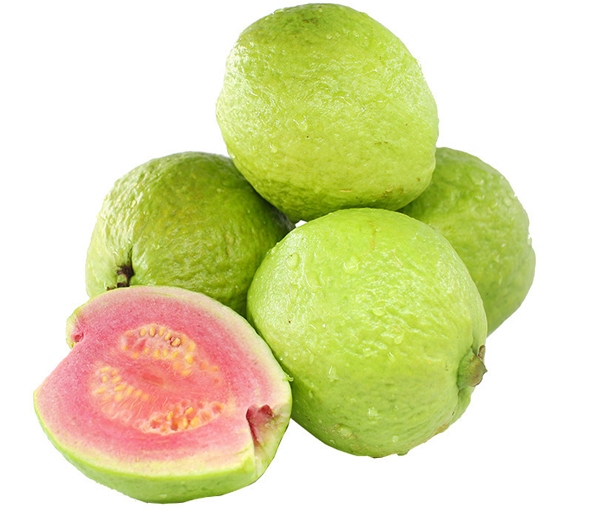
Guava instant powder is rich in fructose, maltodextrin, and some processed dietary fiber and vitamin C. Its core active ingredients (such as polyphenols and triterpenoids) are easily lost during processing, and its efficacy is much lower than that of fresh fruits or specialized extracts. It is mainly used as a convenient flavor beverage base and basic nutritional supplement.

Guava Fruit Extract Powder 10:1 TLC, Guava Instant Powder
【Botanical source】: Psidium guajava L.
【Part used】: Fruit
【Specification】: 10:1TLC, Guava Instant Powder
【Extraction solvents】: Water
【Appearance】: Pink fine powder
【Particle size】: 95% pass 80 mesh size
【Main ingredients】: Guava is rich in vitamin C (extremely high content), dietary fiber, potassium, and polyphenolic substances such as quercetin and epicatechin. Its leaves and skin contain abundant triterpenoids (such as oleanolic acid) and flavonoid glycosides. These ingredients endow it with strong antioxidant, anti-inflammatory, hypoglycemic, intestinal regulating, and immune enhancing core functions.
【Storage conditions】:Store at room temperature in a sealed manner, away from light, and in a ventilated, cool, and dry environment.
【Shelf life】: 24 months from the production date

Guava Fruit Extract Powder Production Flowchart
Guava Fruit raw materials -Coarse powder(40 mesh) -Low temperature water extraction – 1st Reflux Extraction(10 times water,2 Hrs) – 2nd Reflux Extraction8 times water,1.5 Hrs) – 3rd Reflux Extraction(6 times water,1 Hrs) – Extraction Solution-combine&Filtrate-Concentrate-Extractum-spray drying – screening – packaging – detection of physical and chemical indicators – warehousing
Specification Sheet of Guava Fruit Extract Powder
| Product name: | Guava Fruit Extract | ||
| Specification: | 10:1 TLC | ||
| Part used: | Fruit of Psidium guajava L. | ||
| Solvent used: | Water | ||
| Process: | Raw materials crushed, extracted, concentrated and spray-dried to powder | ||
| Non GMO according to regulation (EC) 1829/2003 and 1830/2003 or United States requirements. Non allergen according to Directive 2007/68 amending Annex IIIa to Directive 2000/13/EC and US Food allergen labelling and consumer protection act 2004. | |||
| Heavy Metals: | |||
| Lead: | NMT 3ppm | Cadmium: | NMT 1ppm |
| Arsenic: | NMT 2ppm | Mercury: | NMT 1ppm |
| Residual solvents: | Comply to USP | ||
| Pesticides residues: | Conform to Regulation USP<561> | ||
| Microbiology: | |||
| Total plate count: | 10000cfu/g Max | Yeasts and molds: | 1000cfu/g Max |
| E.coli: | Not detected in (g)10 | Salmonella spp.: | Not detected in (g)25 |
| Staphylococcus aureus: | Not detected in (g)10 | Clostridium spp.: | Not Present in 0.1 g of food |
| Organoleptic quality | Method | Specifications | |
| Aspect: | Visual : ( CQ-MO-148) | Powder | |
| Color: | Visual : ( CQ-MO-148) | Pink | |
| Flavor: | Sensory: (CQ-MO-148) | Characteristic | |
| Analytical quality | Method | Specifications | |
| Identification: | TLC | Conform | |
| Loss on drying: | USP <731> | < 10% | |
| Bulk density: | USP <616> Method I | 40 – 60 g/100mL | |
| Particle size: | Analytical sieving || USP <786> | 100% through 80meshes | |
| Packaging suitable for foodstuff. | |||
Extended Reading
Modern Pharmacological Effects of Guava Extract
Guava extract, derived primarily from the leaves and fruit of Psidium guajava L., is a rich source of diverse bioactive compounds. These include flavonoids (quercetin, myricetin), tannins (ellagitannins, gallotannins), triterpenoids (ursolic acid, oleanolic acid), essential oils, and an exceptionally high content of vitamin C (in fruit). Modern pharmacological research has extensively validated its traditional uses, revealing a broad and potent therapeutic profile.
Key Pharmacological Effects:
- Antidiabetic & Hypoglycemic: This is one of the most well-documented effects, particularly for leaf extract. It significantly lowers blood glucose levels by multiple mechanisms: inhibiting intestinal α-glucosidase and α-amylase enzymes (delaying carbohydrate absorption), enhancing peripheral glucose uptake, stimulating insulin secretion, and protecting pancreatic β-cells from oxidative damage.
- Antioxidant & Anti-inflammatory: The high concentration of polyphenols (flavonoids, tannins) and vitamin C confers powerful free radical scavenging activity. This underpins its strong anti-inflammatory effects, mediated through the inhibition of pro-inflammatory cytokines (TNF-α, IL-1β, IL-6), prostaglandins, and nitric oxide (NO) production, often via suppression of the NF-κB pathway.
- Gastrointestinal Therapeutic: Guava extract is highly effective against gastrointestinal pathogens and disorders. It exhibits potent antimicrobial activity against diarrhea-causing bacteria (e.g., Staphylococcus aureus, E. coli, Salmonella spp.) and Helicobacter pylori. Its antispasmodic and anti-secretory properties, largely due to flavonoids, help relieve gastrointestinal cramps and reduce diarrhea.
- Cardioprotective & Antihypertensive: The extract contributes to cardiovascular health by lowering blood pressure (ACE-inhibitory activity), reducing serum cholesterol and triglycerides, inhibiting LDL oxidation, and improving endothelial function, collectively reducing the risk of atherosclerosis and hypertension.
- Anticancer Potential: In vitro and in vivo studies demonstrate that guava leaf and fruit extracts possess antiproliferative and pro-apoptotic activities against various cancer cell lines (e.g., prostate, gastric, oral, breast). This is attributed to the induction of cell cycle arrest, apoptosis via mitochondrial pathways, and inhibition of tumor cell invasion and angiogenesis.
- Analgesic & Antipyretic: The extract exhibits central and peripheral analgesic (pain-relieving) effects as well as antipyretic (fever-reducing) properties, supporting its traditional use in managing pain and fever.
- Hepatoprotective & Anti-obesity: Studies show protective effects against chemical-induced liver injury and hepatic steatosis. Its compounds, like ursolic acid, can modulate lipid metabolism, reduce adipogenesis, and promote lipolysis, indicating utility in managing obesity and non-alcoholic fatty liver disease (NAFLD).
Conclusion
Guava extract is a pharmacologically versatile agent with strong scientific evidence supporting its use in managing diabetes, gastrointestinal infections, and inflammation. Its multi-target actions, ranging from enzyme inhibition and antimicrobial activity to immunomodulation and apoptosis induction, highlight its potential as a source of nutraceuticals and adjunct therapies for a wide array of chronic and infectious diseases.
References
- Deguchi, Y., & Miyazaki, K. (2010). Anti-hyperglycemic and anti-hyperlipidemic effects of guava leaf extract. Nutrition & Metabolism, 7(1), 9.
- Gutiérrez, R. M. P., Mitchell, S., & Solis, R. V. (2008). Psidium guajava: A review of its traditional uses, phytochemistry and pharmacology. Journal of Ethnopharmacology, 117(1), 1-27.
- Joseph, B., & Priya, R. M. (2011). Phytochemical and biopharmaceutical aspects of Psidium guajava (L.) essential oil: A review. Research Journal of Medicinal Plant, 5(4), 432-442.
- Kumar, M., et al. (2021). Guava (Psidium guajava L.) leaf extract as a potential therapeutic agent against metabolic disorders: A review. Journal of Ethnopharmacology, 278, 114266.
- Laily, N., et al. (2015). Antidiabetic activity of guava extract (Psidium guajava L.) in streptozotocin-induced diabetic rats. Journal of Pharmacy & Bioallied Sciences, 7(Suppl 1), S32–S35.
- Metwally, A. M., et al. (2020). Anticancer potential of Psidium guajava L. extracts against human cancer cell lines. *Evidence-Based Complementary and Alternative Medicine, 2020*, 7961382.
- Nascimento, P. L. A., et al. (2014). Antibacterial activity of Psidium guajava L. leaf extracts against clinical isolates of Helicobacter pylori. Journal of Medicinal Food, 17(5), 567-571.
- Oh, W. K., et al. (2005). Antidiabetic effects of extracts from Psidium guajava. Journal of Ethnopharmacology, 96(3), 411-415.
- Rai, P. K., et al. (2010). Anti-inflammatory activity of Psidium guajava Linn. leaves. International Journal of Pharmaceutical Sciences and Research, 1(9), 124-128.
- Soman, S., et al. (2016). Hepatoprotective activity of Psidium guajava Linn. leaf extract. Asian Pacific Journal of Tropical Biomedicine, 6(9), 755-759.
Note: This summary is for informational purposes. It may interact with medications and is contraindicated in certain conditions. Consult a healthcare professional before therapeutic use, particularly regarding its estrogenic activity.