
Hawthorn Leaf Extract Powder 10:1, 20:1, 50:1 TLC


The modern pharmacological core of hawthorn leaves lies in their high content of flavonoids (such as vitexin) and anthocyanins. The main function is to enhance myocardial contractility, improve coronary blood flow, and assist in the treatment of chronic heart failure (NYHA grades I-II); At the same time, it has multiple cardiovascular protective activities, such as lowering blood pressure, regulating blood lipid, anti atherosclerosis, anti-oxidation and neuroprotection.

Hawthorn Leaf Extract Powder 10:1, 20:1, 50:1 TLC
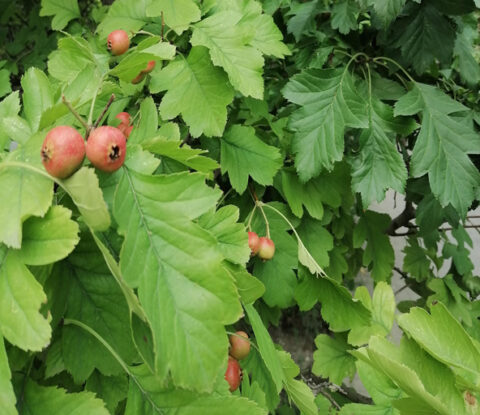
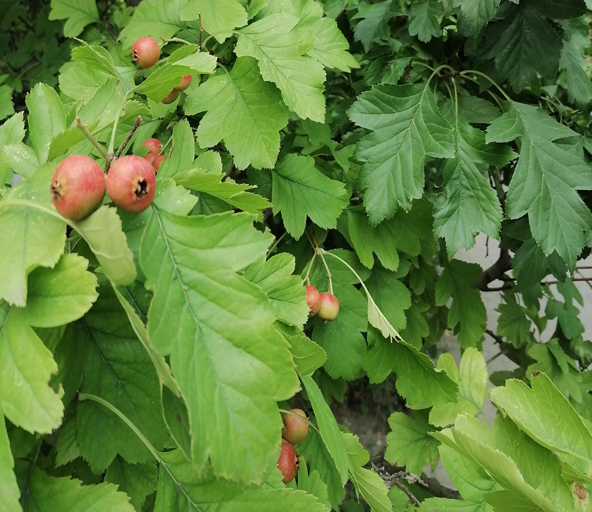
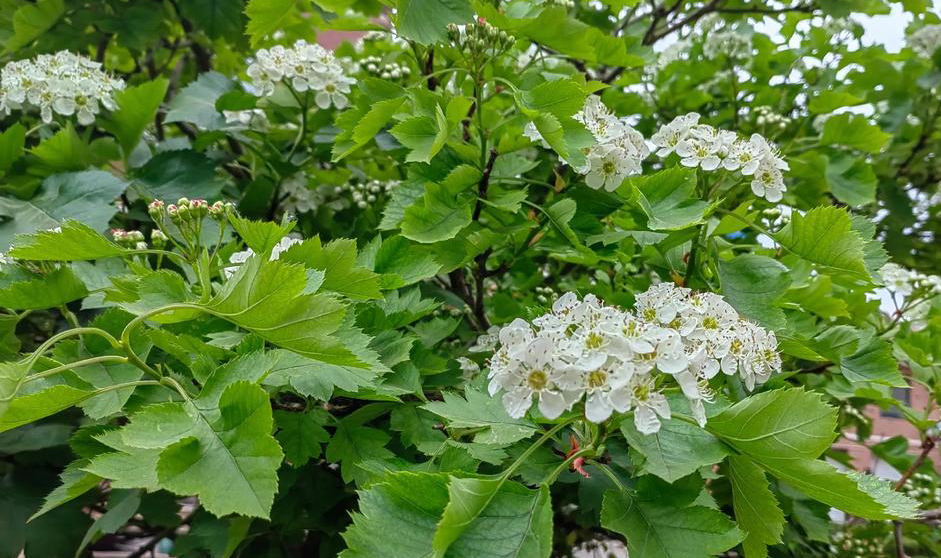
【Botanical source】: Crataegus pinnatifida Bunge
【Part used】: Leaf
【Specification】: 10:1, 20:1, 50:1 TLC
【Extraction solvents】: Water
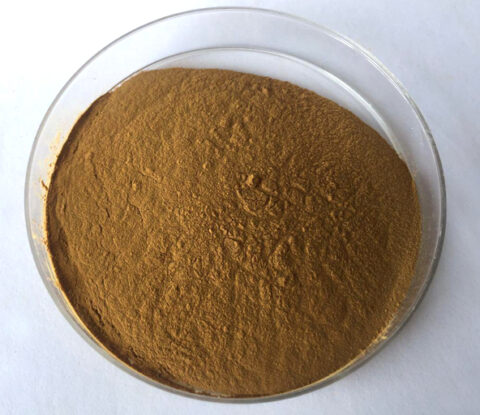
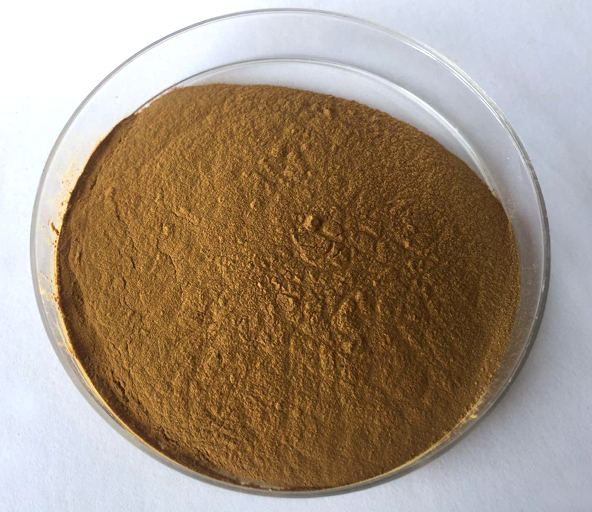
【Appearance】: Brownish fine powder
【Particle size】: 95% pass 80 mesh size
【Main ingredients】: Hawthorn leaves are rich in flavonoids, among which vitexin and its glycosides are its characteristic active ingredients. Simultaneously containing flavonols such as quercetin and hyperoside, as well as chlorogenic acid, anthocyanins, triterpenoids (such as ursolic acid), and polysaccharides. These ingredients endow them with modern pharmacological activities such as improving cardiovascular function, antioxidation, regulating blood lipids, and anti-inflammatory.
【Storage conditions】:Store at room temperature in a sealed manner, away from light, and in a ventilated, cool, and dry environment.
【Shelf life】: 24 months from the production date
Hawthorn Leaf Extract Powder Production Flowchart
Hawthorn Leaf raw materials -Coarse powder(40 mesh) -Low temperature water extraction – 1st Reflux Extraction(10 times water,2 Hrs) – 2nd Reflux Extraction8 times water,1.5 Hrs) – 3rd Reflux Extraction(6 times water,1 Hrs) – Extraction Solution-combine&Filtrate-Concentrate-Extractum-spray drying – screening – packaging – detection of physical and chemical indicators – warehousing
Specification Sheet of Hawthorn Leaf Extract Powder
| Product name: | Hawthorn Leaf extract | ||
| Specification: | 10:1 TLC | ||
| Part used: | Dried leaves of Crataegus pinnatifida Bunge | ||
| Solvent used: | Water | ||
| Process: | Raw materials crushed, extracted, concentrated and spray-dried to powder | ||
| Non GMO according to regulation (EC) 1829/2003 and 1830/2003 or United States requirements. Non allergen according to Directive 2007/68 amending Annex IIIa to Directive 2000/13/EC and US Food allergen labelling and consumer protection act 2004. | |||
| Heavy Metals: | |||
| Lead: | NMT 3ppm | Cadmium: | NMT 1ppm |
| Arsenic: | NMT 2ppm | Mercury: | NMT 1ppm |
| Residual solvents: | Comply to USP | ||
| Pesticides residues: | Conform to Regulation USP<561> | ||
| Microbiology: | |||
| Total plate count: | 10000cfu/g Max | Yeasts and molds: | 1000cfu/g Max |
| E.coli: | Not detected in (g)10 | Salmonella spp.: | Not detected in (g)25 |
| Staphylococcus aureus: | Not detected in (g)10 | Clostridium spp.: | Not Present in 0.1 g of food |
| Organoleptic quality | Method | Specifications | |
| Aspect: | Visual : ( CQ-MO-148) | Powder | |
| Color: | Visual : ( CQ-MO-148) | Brownish yellow | |
| Flavor: | Sensory: (CQ-MO-148) | Characteristic | |
| Analytical quality | Method | Specifications | |
| Identification: | TLC | Conform | |
| Loss on drying: | USP <731> | < 10% | |
| Bulk density: | USP <616> Method I | 40 – 60 g/100mL | |
| Particle size: | Analytical sieving || USP <786> | 100% through 80meshes | |
| Packaging suitable for foodstuff. | |||
Extended Reading
Modern Research on Hawthorn Leaf Extract Powder
Below is a detailed summary of modern research on Hawthorn Leaf Extract (primarily from Crataegus monogyna and C. laevigata), widely recognized for its cardiovascular benefits.
Chemical Components
Hawthorn leaf and flower extract (often standardized to leaf components) contains a complex mix of bioactive compounds:
- Flavonoids (2-3%): The primary active class. Includes vitexin, hyperoside, rutin, quercetin, and orientin derivatives. Vitexin-2”-O-rhamnoside is a key quality marker.
- Oligomeric Procyanidins (OPCs, 1-3%): Primarily dimers and trimers of epicatechin.
- Phenolic Acids: Chlorogenic acid and caffeic acid derivatives.
- Triterpenic Acids: Ursolic acid, oleanolic acid, and crataegolic acid.
- Other: Amines (e.g., acetylcholine), minerals, and simple sugars.
Health Benefits & Mechanisms
Extensively studied for cardiovascular support, with mechanisms centered on improving myocardial function and vascular integrity.
- Cardiovascular Health (Primary Use):
- Chronic Heart Failure (NYHA Classes I-II): Supported by positive meta-analyses of RCTs. Improves exercise tolerance, reduces fatigue, and enhances cardiac output. Acts as a mild positive inotrope (increases force of heart muscle contraction) without increasing oxygen demand, likely via cAMP phosphodiesterase inhibition and improved calcium handling.
- Anti-ischemic & Antiarrhythmic: Improves coronary blood flow and has demonstrated antiarrhythmic effects in animal models.
- Endothelial Function & Hypotensive Effect: Promotes vasodilation by upregulating endothelial nitric oxide (NO) production and exhibits mild ACE-inhibitory activity, aiding in blood pressure management.
- Antiatherosclerotic: Protects LDL from oxidation and may reduce arterial plaque formation.
- Antioxidant & Anti-inflammatory: Potent free radical scavenger that reduces systemic oxidative stress and inflammation, contributing to overall vascular protection.
- Neuroprotective Potential: Emerging research indicates vitexin and other flavonoids may protect neurons from oxidative damage and modulate pathways involved in Alzheimer’s and Parkinson’s diseases.
- Metabolic Syndrome: May improve lipid profiles (lowering LDL, triglycerides) and insulin sensitivity in preclinical models.
Drug & Supplement Interactions
- Cardiac Glycosides (e.g., Digoxin): Potential Risk. May have additive inotropic and chronotropic effects, theoretically increasing the risk of digoxin toxicity. Close monitoring of heart rate and digoxin levels is essential.
- Antihypertensive Drugs (e.g., ACE inhibitors, Beta-blockers, Calcium channel blockers): May have additive blood pressure-lowering and vasodilatory effects. Monitoring is advisable.
- Anticoagulant/Antiplatelet Drugs (e.g., Warfarin, Clopidogrel): Theoretical risk. Some studies suggest antiplatelet activity; case reports of potential interaction with warfarin exist. Caution is warranted.
- Nitrates: Additive vasodilation may potentially cause dizziness.
Contraindications, Warnings & Side Effects
- Contraindications: Known hypersensitivity. Not recommended in severe, decompensated heart failure (NYHA Class III-IV) without strict medical supervision.
- Warnings:
- Onset of Action: Therapeutic effects develop slowly over 4-8 weeks; it is not for acute cardiac events.
- Pregnancy & Lactation: Safety not fully established; avoid due to pharmacological activity.
- Side Effects: Generally very well tolerated. Mild and infrequent effects include dizziness, gastrointestinal complaints, headache, and palpitations.
Applications
- Pharmaceuticals/Nutraceuticals: Standardized extracts (e.g., WS® 1442) are widely used in Europe as a phytomedicine for mild heart failure, often adjunctive to conventional therapy.
- Dietary Supplements: For cardiovascular support, blood pressure and cholesterol management, and general antioxidant use.
- Functional Foods & Beverages: Included in herbal tea blends and health tonics.
- Cosmeceuticals: For antioxidant properties in anti-aging skincare.
References (Key Modern Studies & Reviews)
- Pittler, M.H., et al. (2008). “Hawthorn extract for treating chronic heart failure.” Cochrane Database of Systematic Reviews, (1). CD005312. (Key meta-analysis)
- Holubarsch, C.J.F., et al. (2018). “The efficacy and safety of Crataegus extract WS® 1442 in patients with heart failure: A systematic review and meta-analysis.” Frontiers in Pharmacology, 9, 1234.
- Tadić, V.M., et al. (2008). “Anti-inflammatory, gastroprotective, free-radical-scavenging, and antimicrobial activities of hawthorn (Crataegus monogyna Jacq.) leaves and flowers.” Journal of Ethnopharmacology, 119(2), 205-214.
- Wang, J., et al. (2013). “Hawthorn: Potential roles in cardiovascular disease.” The American Journal of Chinese Medicine, 41(01), 1-10.
- European Medicines Agency (EMA). (2016). “Assessment report on Crataegus monogyna Jacq. (Lindm.), Crataegus laevigata (Poir.) DC., folium cum flore.” EMA/HMPC/159075/2014. (Authoritative regulatory monograph)
- Koch, E., & Malek, F.A. (2011). “Standardized extracts from hawthorn leaves and flowers in the treatment of cardiovascular disorders—preclinical and clinical studies.” Planta Medica, 77(11), 1123-1128.
- Zhang, Y., et al. (2021). “Vitexin protects against myocardial ischemia/reperfusion injury by inhibiting inflammation and oxidative stress.” European Journal of Pharmacology, 909, 174-186.
Note: This summary is for informational purposes. It may interact with medications and is contraindicated in certain conditions. Consult a healthcare professional before therapeutic use, particularly regarding its estrogenic activity.