
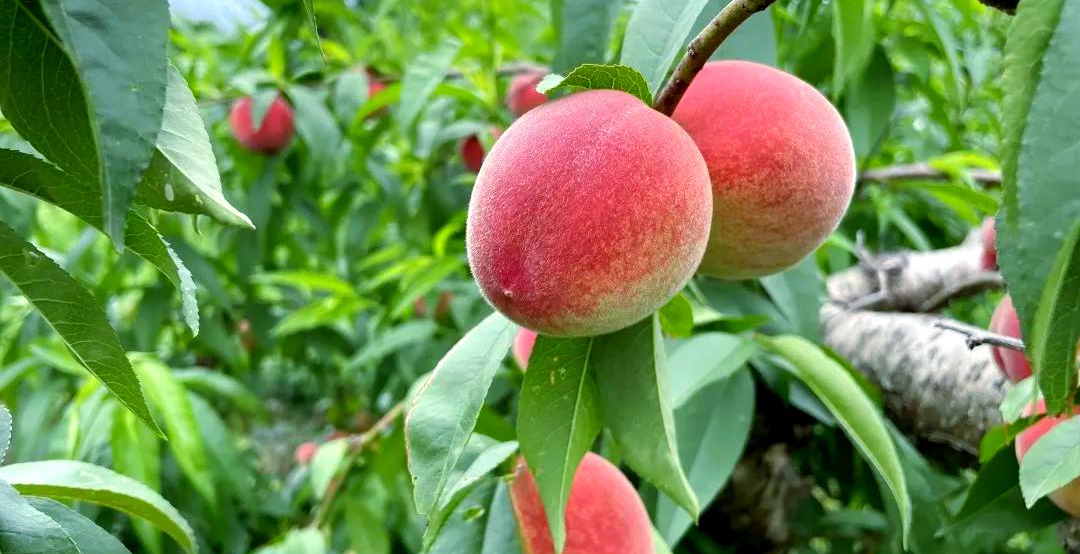
Honey Peach Fruit Extract Powder 10:1 TLC, Honey Peach Instant Powder
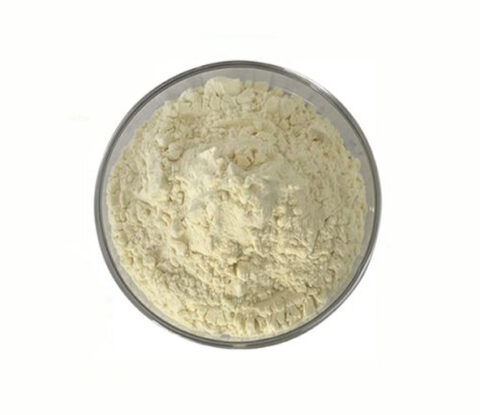
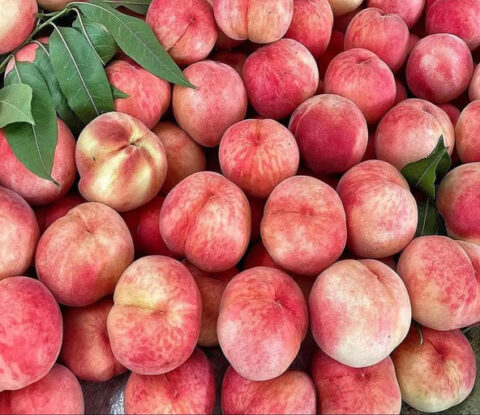


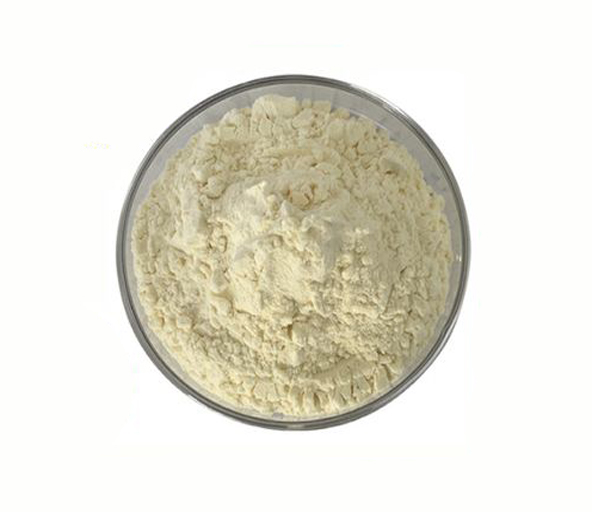
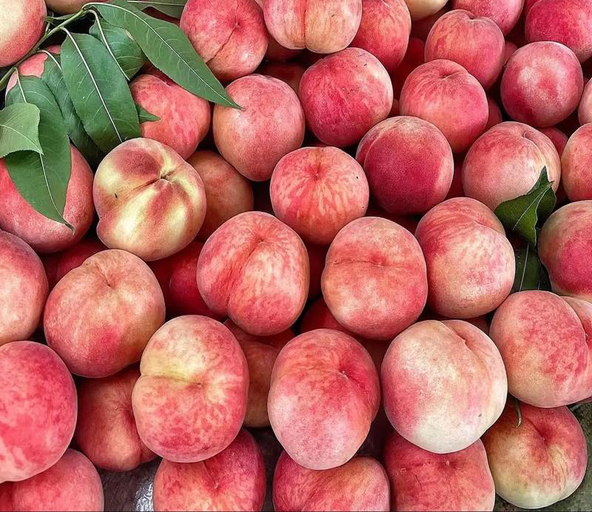
Peach instant powder is rich in vitamin C, natural fructose, and minerals, which can be quickly dissolved and absorbed, providing the body with instant energy and basic nutritional support. The preparation process usually retains some active substances such as polyphenols and flavonoids, which have antioxidant capacity, help resist free radicals, and maintain cell health.

Honey Peach Fruit Extract Powder 10:1 TLC, Honey Peach Instant Powder
【Botanical source】: Prunus persica (L.) Batsch
【Part used】: Fruit
【Specification】: 10:1 TLC, honey peach instant powder
【Extraction solvents】: Water
【Appearance】: Light yellow fine powder
【Particle size】: 95% pass 80 mesh size
【Main ingredients】: Honey peach is Rich in vitamin C, phenolic acids, flavonoids, and anthocyanins (especially fruit peels), it has the ability to clear free radicals and inhibit inflammatory mediators. And dietary fiber helps with intestinal peristalsis, and its active ingredients may assist in regulating blood sugar and lipid metabolism.
【Storage conditions】:Store at room temperature in a sealed manner, away from light, and in a ventilated, cool, and dry environment.
【Shelf life】: 24 months from the production date
Honey Peach Extract Powder Production Flowchart
Honey Peach Fruit raw materials -Coarse powder(40 mesh) -Low temperature water extraction – 1st Reflux Extraction(10 times water,2 Hrs) – 2nd Reflux Extraction8 times water,1.5 Hrs) – 3rd Reflux Extraction(6 times water,1 Hrs) – Extraction Solution-combine&Filtrate-Concentrate-Extractum-spray drying – screening – packaging – detection of physical and chemical indicators – warehousing
Specification Sheet of Honey Peach Fruit Extract Powder
| Product name: | Honey Peach Fruit Extract | ||
| Specification: | 10:1 TLC | ||
| Part used: | Fruit of Prunus persica (L.) Batsch | ||
| Solvent used: | Water | ||
| Process: | Raw materials crushed, extracted, concentrated and spray-dried to powder | ||
| Non GMO according to regulation (EC) 1829/2003 and 1830/2003 or United States requirements. Non allergen according to Directive 2007/68 amending Annex IIIa to Directive 2000/13/EC and US Food allergen labelling and consumer protection act 2004. | |||
| Heavy Metals: | |||
| Lead: | NMT 3ppm | Cadmium: | NMT 1ppm |
| Arsenic: | NMT 2ppm | Mercury: | NMT 1ppm |
| Residual solvents: | Comply to USP | ||
| Pesticides residues: | Conform to Regulation USP<561> | ||
| Microbiology: | |||
| Total plate count: | 10000cfu/g Max | Yeasts and molds: | 1000cfu/g Max |
| E.coli: | Not detected in (g)10 | Salmonella spp.: | Not detected in (g)25 |
| Staphylococcus aureus: | Not detected in (g)10 | Clostridium spp.: | Not Present in 0.1 g of food |
| Organoleptic quality | Method | Specifications | |
| Aspect: | Visual : ( CQ-MO-148) | Powder | |
| Color: | Visual : ( CQ-MO-148) | Light yellow | |
| Flavor: | Sensory: (CQ-MO-148) | Characteristic | |
| Analytical quality | Method | Specifications | |
| Identification: | TLC | Conform | |
| Loss on drying: | USP <731> | < 10% | |
| Bulk density: | USP <616> Method I | 40 – 60 g/100mL | |
| Particle size: | Analytical sieving || USP <786> | 100% through 80meshes | |
| Packaging suitable for foodstuff. | |||
Extended Reading
Modern Pharmacological Effects of Honey Peach Extract
Honey peach (Prunus persica (L.) Batsch) extract, derived from the pulp, peel, and kernel, is a source of diverse bioactive compounds. These include phenolic acids (e.g., chlorogenic acid, neochlorogenic acid), flavonoids (e.g., quercetin, cyanidin derivatives), carotenoids, vitamins, and unique compounds like persicoside and amygdalin (in kernels). Modern pharmacological research has begun to elucidate its potential health-promoting effects beyond basic nutrition.
Key Pharmacological Effects:
- Antioxidant & Anti-inflammatory: The high concentration of polyphenols, particularly in the peel, confers significant free radical scavenging (DPPH, ABTS, FRAP) and metal chelating activities. This antioxidant capacity directly reduces oxidative stress and underpins its anti-inflammatory effects, which involve the suppression of pro-inflammatory cytokines (e.g., TNF-α, IL-6) and enzymes like COX-2.
- Skin Health & Photoprotection: Topical application or oral intake of peach extract shows promise in skin health. It protects against UVB-induced damage by reducing oxidative stress, inflammation, and apoptosis in skin cells (keratinocytes and fibroblasts). It also inhibits the degradation of collagen by down-regulating matrix metalloproteinases (MMPs), potentially slowing skin aging.
- Metabolic & Prebiotic Regulation: Peach polyphenols demonstrate inhibitory activity against digestive enzymes like α-amylase and α-glucosidase, suggesting a role in moderating postprandial blood glucose levels. Furthermore, the dietary fiber and certain oligosaccharides in peach act as prebiotics, promoting the growth of beneficial gut bacteria (e.g., Bifidobacterium, Lactobacillus) and improving gut barrier function.
- Hepatoprotective & Chemopreventive Potential: In vivo studies indicate that peach extract can protect the liver from damage induced by toxins or high-fat diets, reducing serum ALT/AST levels and hepatic lipid peroxidation. Emerging research also suggests that its polyphenols may exert chemopreventive effects by inducing apoptosis and inhibiting proliferation in certain cancer cell lines (e.g., breast, colon), though this area requires more extensive study.
- Neuroprotective Potential: Preliminary cell-based studies indicate that peach kernel extracts (noting safe amygdalin content) and phenolic compounds may protect neuronal cells from oxidative stress-induced apoptosis, hinting at potential benefits for neurodegenerative diseases, but clinical evidence is lacking.
Conclusion
Honey peach extract is a promising source of bioactive compounds with demonstrated antioxidant, anti-inflammatory, and skin-protective properties. Its emerging roles in metabolic regulation, gut health, and organ protection highlight its potential as a functional food ingredient for preventive health strategies, particularly in combating oxidative stress-related conditions. However, much of the evidence is derived from in vitro and animal models, underscoring the need for more human clinical trials to validate these effects.
References
- Cantín, C. M., Moreno, M. A., & Gogorcena, Y. (2009). Evaluation of the antioxidant capacity, phenolic compounds, and vitamin C content of different peach and nectarine [Prunus persica (L.) Batsch] breeding progenies. Journal of Agricultural and Food Chemistry, 57(11), 4586-4592.
- Kim, H. J., Kim, K., Kim, N. S., & Lee, D. S. (2019). Determination of phenolic acids and flavonoids in raw propolis and peach (Prunus persica L.) extracts by liquid chromatography–tandem mass spectrometry. Applied Biological Chemistry, 62(1), 18. (Note: Study includes analysis of peach components).
- Noratto, G., Porter, W., Byrne, D., & Cisneros-Zevallos, L. (2014). Identifying peach and plum polyphenols with chemopreventive potential against estrogen-independent breast cancer cells. Journal of Agricultural and Food Chemistry, 57(12), 5219-5226.
- Rizzuti, B., Bartollino, S., & D’Agostino, M. (2021). Peach (Prunus persica (L.) Batsch) seeds and their potential health benefits: A review. International Journal of Food Science & Technology, 56(8), 3633-3643. (Focus on kernel bioactives, with caution on amygdalin).
- Scordino, M., Sabatino, L., Muratore, A., Belligno, A., & Gagliano, G. (2021). Phenolic characterization and skin protection activity of a peach (Prunus persica L. Batsch) extract. Cosmetics, 8(4), 104.
- Sultana, S., & Yaqoob, S. (2017). Hepatoprotective and antioxidant effects of peach (Prunus persica L. Batsch) pulp extract in carbon tetrachloride-induced liver injury in rats. Journal of the Pakistan Medical Association, 67(7), 1007-1011.
- Vizzotto, M., Porter, W., Byrne, D., & Cisneros-Zevallos, L. (2014). Polyphenols of selected peach and plum genotypes reduce cell viability and inhibit proliferation of breast cancer cells while not affecting normal cells. Food Chemistry, 164, 363-370.
- Yang, H., Kim, Y. J., & Shin, Y. (2020). Influence of ripening stage on the antioxidant capacity and anti-inflammatory effect of peach (Prunus persica L. Batsch) extracts in RAW 264.7 macrophage cells. Food Science and Biotechnology, 29(12), 1689-1698.
Note: This summary is for informational purposes. It may interact with medications and is contraindicated in certain conditions. Consult a healthcare professional before therapeutic use, particularly regarding its estrogenic activity.