
Honeysuckle Extract Powder 10:1, 20:1, 50:1 TLC
-
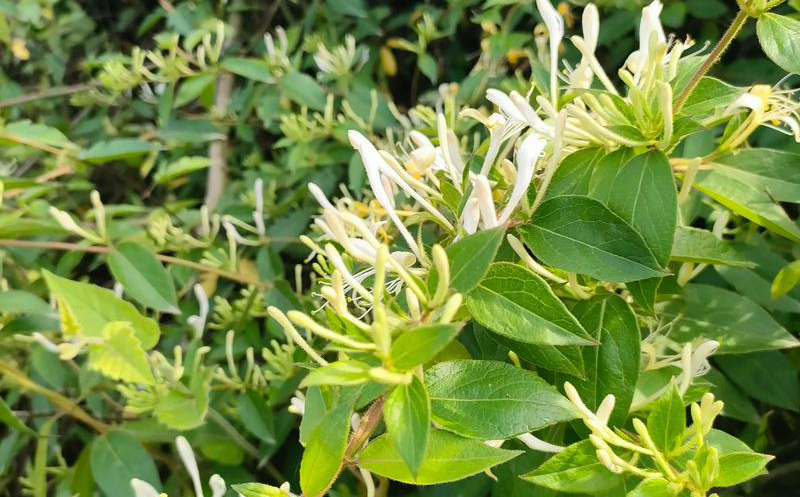
honeysuckle extract3
filter: 0; fileterIntensity: 0.0; filterMask: 0; captureOrientation: 90; runfunc: 0; algolist: 0; multi-frame: 1; brp_mask:0; brp_del_th:0.0000,0.0000; brp_del_sen:0.0000,0.0000; motionR: 1; delta:null; bokeh:0; module: photo;hw-remosaic: false;touch: (-1.0, -1.0);sceneMode: 4;cct_value: 0;AI_Scene: (17, 2);aec_lux: 177.18349;aec_lux_index: 0;albedo: ;confidence: ;motionLevel: 0;weatherinfo: weather??, icon:0, weatherInfo:101;temperature: 37;zeissColor: bright;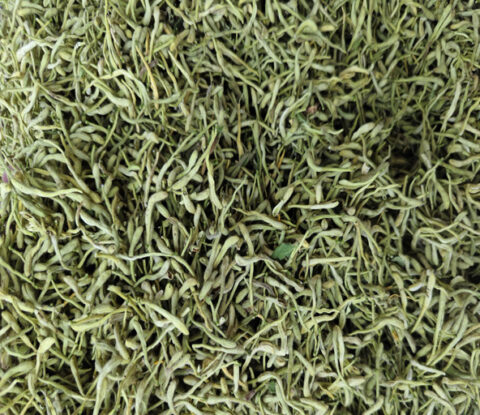


Honeysuckle has a cold nature and a sweet taste, and belongs to the lung, heart, and stomach meridians. The core function is to clear heat and detoxify, and disperse wind and heat. It is mainly used to treat febrile diseases, fever, toxic blood dysentery, carbuncles, boils, sore throat and many infectious diseases. Modern pharmacology has confirmed that it has antiviral (such as influenza virus), antibacterial, anti-inflammatory, antipyretic, and immune enhancing effects.

Honeysuckle Extract Powder 10:1, 20:1, 50:1 TLC
【Botanical source】: Lonicera japonica Thunb
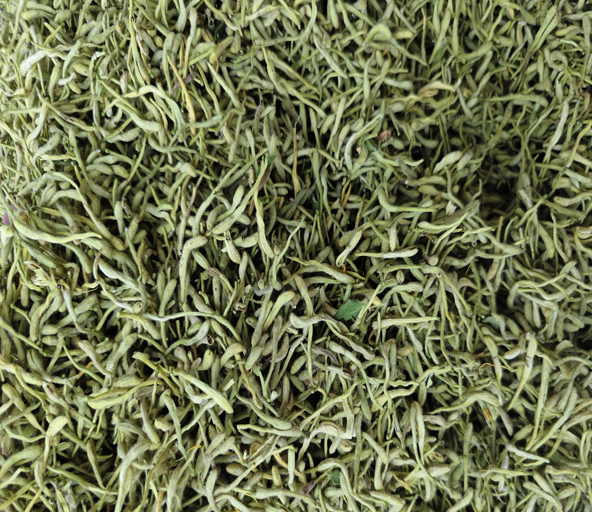
【Part used】: Flower
【Specification】: 10:1, 20:1, 50:1 TLC
【Extraction solvents】: Water
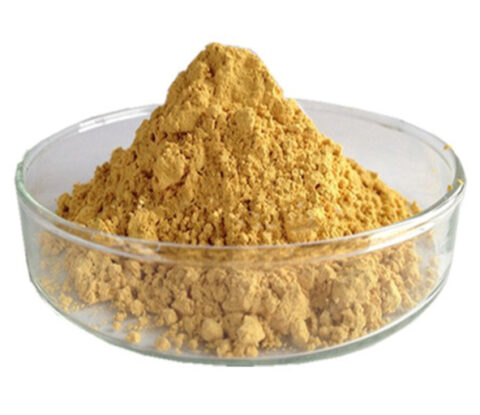
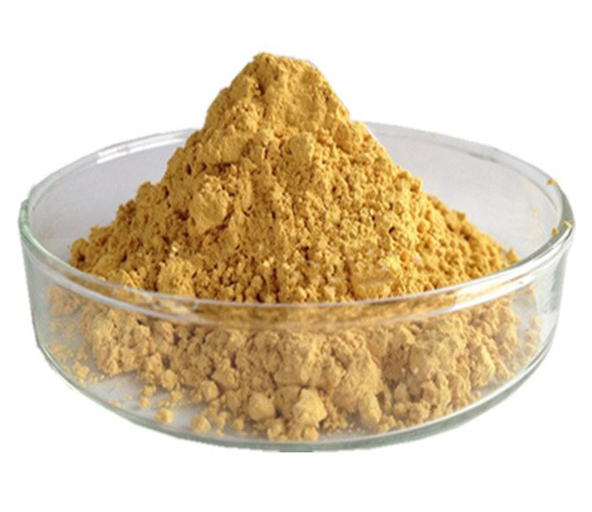
【Appearance】: Brownish fine powder
【Particle size】: 95% pass 80 mesh size
【Main ingredients】: Honeysuckle mainly contains organic acids (chlorogenic acid, isochlorogenic acid), flavonoids (verbascoside, etc.), volatile oils (linalool, etc.), triterpenoid saponins, and iridoid glycosides. Has antiviral, antibacterial, anti-inflammatory, antioxidant, and immunomodulatory effects.
【Storage conditions】:Store at room temperature in a sealed manner, away from light, and in a ventilated, cool, and dry environment.
【Shelf life】: 24 months from the production date
Honeysuckle Extract Powder Production Flowchart
Honeysuckle raw materials -Coarse powder(40 mesh) -Low temperature water extraction – 1st Reflux Extraction(10 times water,2 Hrs) – 2nd Reflux Extraction8 times water,1.5 Hrs) – 3rd Reflux Extraction(6 times water,1 Hrs) – Extraction Solution-combine&Filtrate-Concentrate-Extractum-spray drying – screening – packaging – detection of physical and chemical indicators – warehousing
Specification Sheet of Honeysuckle Extract Powder
| Product name: | Honeysuckle Extract | ||
| Specification: | 10:1 TLC | ||
| Part used: | Flower of Lonicera japonica Thunb | ||
| Solvent used: | Water | ||
| Process: | Raw materials crushed, extracted, concentrated and spray-dried to powder | ||
| Non GMO according to regulation (EC) 1829/2003 and 1830/2003 or United States requirements. Non allergen according to Directive 2007/68 amending Annex IIIa to Directive 2000/13/EC and US Food allergen labelling and consumer protection act 2004. | |||
| Heavy Metals: | |||
| Lead: | NMT 3ppm | Cadmium: | NMT 1ppm |
| Arsenic: | NMT 2ppm | Mercury: | NMT 1ppm |
| Residual solvents: | Comply to USP | ||
| Pesticides residues: | Conform to Regulation USP<561> | ||
| Microbiology: | |||
| Total plate count: | 10000cfu/g Max | Yeasts and molds: | 1000cfu/g Max |
| E.coli: | Not detected in (g)10 | Salmonella spp.: | Not detected in (g)25 |
| Staphylococcus aureus: | Not detected in (g)10 | Clostridium spp.: | Not Present in 0.1 g of food |
| Organoleptic quality | Method | Specifications | |
| Aspect: | Visual : ( CQ-MO-148) | Powder | |
| Color: | Visual : ( CQ-MO-148) | Brownish | |
| Flavor: | Sensory: (CQ-MO-148) | Characteristic | |
| Analytical quality | Method | Specifications | |
| Identification: | TLC | Conform | |
| Loss on drying: | USP <731> | < 10% | |
| Bulk density: | USP <616> Method I | 40 – 60 g/100mL | |
| Particle size: | Analytical sieving || USP <786> | 100% through 80meshes | |
| Packaging suitable for foodstuff. | |||
Extended Reading
Detailed Modern Research on Honeysuckle (Lonicera japonica) Extract
- Chemical Components:
Honeysuckle’s bioactivity is attributed to a complex mix of compounds:
- Phenolic Acids: Chlorogenic acid and its isomers (neochlorogenic, cryptochlorogenic acid) are the most abundant and studied, serving as primary quality markers.
- Flavonoids: Luteoloside (luteolin-7-O-glucoside), quercetin, and rutin contribute to antioxidant and anti-inflammatory effects.
- Iridoids and Saponins: Secoxyloganin, loganin, and triterpenoid saponins (e.g., lonicerosides) are associated with anti-viral and hepatoprotective activities.
- Volatile Oils: Contain linalool, geraniol, and other compounds with antimicrobial properties.
- Polysaccharides: Complex carbohydrates noted for immunomodulatory and prebiotic effects.
- Documented Health Benefits (Pharmacological Actions):
- Anti-Viral & Anti-Microbial: Strong evidence for inhibiting influenza (H1N1), herpes simplex virus (HSV), and SARS-CoV-2 (by targeting viral entry/replication). Exhibits broad-spectrum antibacterial action, even against MRSA, often by disrupting biofilms.
- Anti-Inflammatory & Immunomodulatory: Potently suppresses pro-inflammatory cytokines (TNF-α, IL-6) by inhibiting the NF-κB and MAPK signaling pathways. Modulates both innate and adaptive immunity.
- Antioxidant & Organoprotective: Scavenges free radicals, upregulates endogenous antioxidants (SOD, GSH), and protects against liver injury (e.g., from acetaminophen, alcohol) and neuronal oxidative stress.
- Anti-Tumor: Induces apoptosis and cell cycle arrest in various cancer cell lines (e.g., liver, breast, lung) via modulation of PI3K/Akt and other pathways. Shows anti-angiogenic potential.
- Metabolic Health: Improves lipid profiles, reduces insulin resistance, and shows promise in managing NAFLD and type 2 diabetes, partly through PPAR-γ activation and gut microbiota modulation.
III. Interactions, Taboos, and Warnings:
- Drug Interactions: Theoretical interaction with anticoagulants (e.g., warfarin) due to potential antiplatelet effects. May have additive effects with anti-diabetic or anti-hypertensive drugs, necessitating blood glucose/blood pressure monitoring. Could potentially reduce the absorption of simultaneously ingested mineral supplements (iron, zinc) due to its polyphenol content.
- Contraindications (Taboos): Traditional Chinese Medicine (TCM) cautions its use in individuals with spleen-stomach deficiency-cold (often presenting as chronic diarrhea, cold limbs, poor appetite). Safety during pregnancy and lactation is not conclusively established; thus, avoidance is generally advised.
- Warnings/Side Effects: Generally safe at dietary/traditional doses. High doses or concentrated extracts may cause gastrointestinal upset (nausea, diarrhea). Rare cases of allergic dermatitis have been reported.
- Applications:
- Pharmaceutical/Nutraceutical: Used in capsules, tablets, and liquid extracts for immune support, upper respiratory tract infection relief, and as an anti-inflammatory agent. A key component in the TCM formulation “Yin Qiao San.”
- Functional Foods & Beverages: Added to teas, infused waters, energy drinks, and snacks for its purported health benefits and mild flavor.
- Cosmeceuticals: Incorporated into skincare products for its antioxidant, anti-inflammatory, and antimicrobial properties to soothe irritated skin and combat acne.
- Veterinary Medicine: Studied for use in poultry and livestock as a natural growth promoter and alternative to antibiotics.
References
- Shang, X., Pan, H., Li, M., Miao, X., & Ding, H. (2011). Lonicera japonica Thunb.: Ethnopharmacology, phytochemistry and pharmacology of an important traditional Chinese medicine. Journal of Ethnopharmacology, *138*(1), 1–21.
- Wang, Z., Xia, Q., Liu, X., et al. (2018). Phytochemistry, pharmacology, quality control and future research of Lonicera japonica Thunb.: A review. Frontiers in Pharmacology, *9*, 571.
- Xu, T., Ge, Y., Du, H., et al. (2021). Lonicera japonica extracts and chlorogenic acid attenuate influenza virus infection by inhibiting viral entry and neuraminidase activity. Journal of Medical Virology, *93*(4), 2137–2146.
- Lee, K. H., Choi, E. M., Kim, S. R., & Woo, H. H. (2020). Lonicera japonica Thunb. extract inhibits lipopolysaccharide-stimulated inflammatory responses by suppressing NF-κB and MAPK activation in macrophages. Journal of Functional Foods, *75*, 104271.
- Zhang, Y., Shan, L., Hua, Y., et al. (2020). Lonicera japonica polysaccharides improve non-alcoholic fatty liver disease by shaping gut microbiota and modulating inflammation and autophagy. Food & Function, *11*(4), 3432–3442.
- Chen, H., Li, X., Liu, S., & Li, Z. (2022). A review on the potential interactions of traditional Chinese medicine with conventional drugs. Phytotherapy Research, *36*(4), 1490-1515. (For interaction context)
- Kang, S., Kim, D., Lee, B. H., et al. (2022). Anticancer activity of Lonicera japonica Thunb. against human hepatocellular carcinoma cells is mediated via caspase-dependent apoptosis and inhibition of cell migration. Nutrients, *14*(2), 425.
Note: This summary is for informational purposes. It may interact with medications and is contraindicated in certain conditions. Consult a healthcare professional before therapeutic use, particularly regarding its estrogenic activity.