
Hops Extract Powder 10:1 20:1 TLC; renylated flavonoids 5% UV; Xanthohumol 5% HPLC
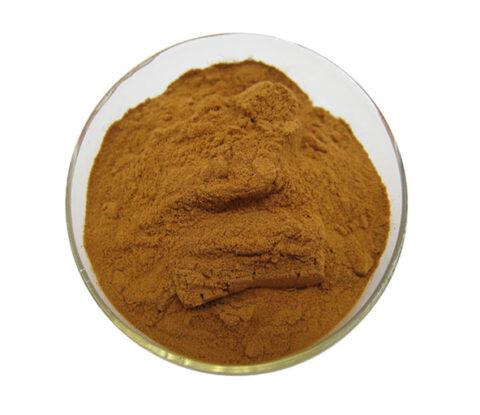
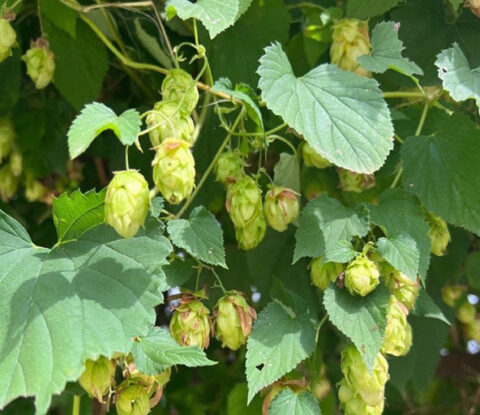


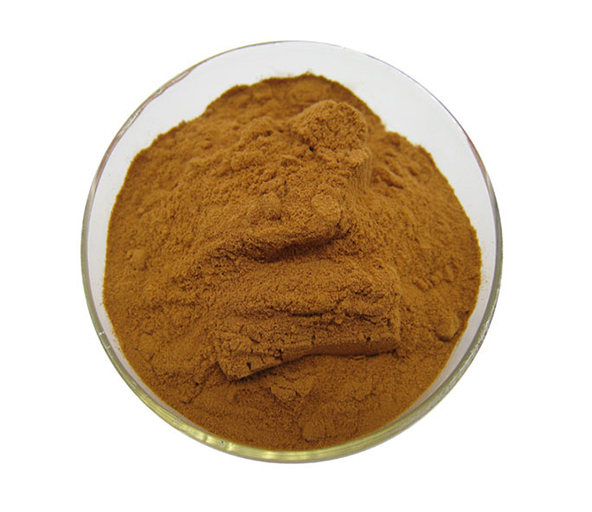
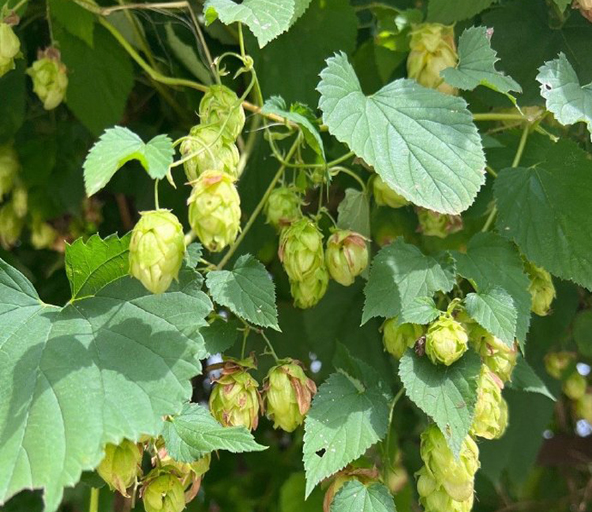
Hops extract contains resin, volatile oil, and is rich in beneficial components such as tannins, flavonoids, choline, fructose, sucrose, and glucose. These substances endow hops with excellent effects of promoting digestion, diuresis, calming the mind, and anti tuberculosis and anti-inflammatory effects, making them commonly used in traditional medicine to treat various diseases such as indigestion, bloating, edema, cystitis, tuberculosis, cough, insomnia, and leprosy.

Hops Extract Powder 10:1 20:1 TLC; renylated flavonoids 5% UV; Xanthohumol 5% HPLC
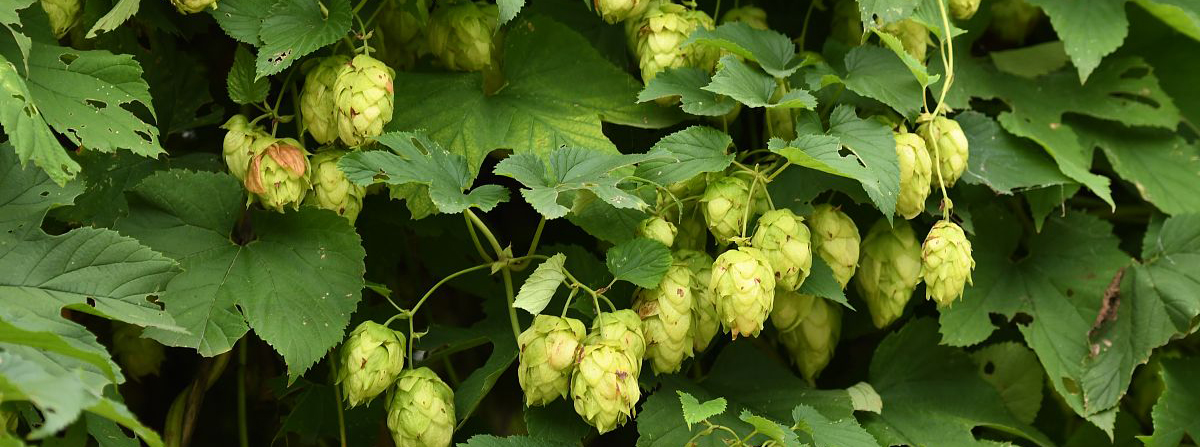
【Botanical source】: Humulus lupulus L
【Part used】: Strobile
【Specification】: 10:1 20:1 TLC; renylated flavonoids 5% UV; Xanthohumol 5% HPLC
【Appearance】: Brownish yellow fine powder
【Extraction solvents】: Water
【Particle size】: 95% pass 80 mesh size
【Main ingredients】: Many benefits of hops can be attributed to the essential oils and flavonoid compounds found in the flowers, such as xanthohumol, 8-isopentenyl naringin, humulone, and coumarin, which may have anti-inflammatory, antioxidant, anticancer, and antibacterial properties.
【Storage conditions】:Store at room temperature in a sealed manner, away from light, and in a ventilated, cool, and dry environment.【Shelf life】: 24 months from the production date
Hops Extract Powder Production Flowchart
Hops raw materials -Coarse powder(40 mesh) -Low temperature water extraction – 1st Reflux Extraction(10 times water,2 Hrs) – 2nd Reflux Extraction8 times water,1.5 Hrs) – 3rd Reflux Extraction(6 times water,1 Hrs) – Extraction Solution-combine&Filtrate-Concentrate-Extractum-spray drying – screening – packaging – detection of physical and chemical indicators – warehousing
Specification Sheet of Hops Extract Powder
| Product name: | Hops Extract | ||
| Specification: | Flavonoids 5% UV | ||
| Part used: | Strobile of Humulus lupulus L | ||
| Solvent used: | Water | ||
| Process: | Raw materials crushed, extracted, concentrated and spray-dried to powder | ||
| Non GMO according to regulation (EC) 1829/2003 and 1830/2003 or United States requirements. Non allergen according to Directive 2007/68 amending Annex IIIa to Directive 2000/13/EC and US Food allergen labelling and consumer protection act 2004. | |||
| Heavy Metals: | |||
| Lead: | NMT 3ppm | Cadmium: | NMT 1ppm |
| Arsenic: | NMT 2ppm | Mercury: | NMT 1ppm |
| Residual solvents: | Comply to USP | ||
| Pesticides residues: | Conform to Regulation USP<561> | ||
| Microbiology: | |||
| Total plate count: | 10000cfu/g Max | Yeasts and molds: | 1000cfu/g Max |
| E.coli: | Not detected in (g)10 | Salmonella spp.: | Not detected in (g)25 |
| Staphylococcus aureus: | Not detected in (g)10 | Clostridium spp.: | Not Present in 0.1 g of food |
| Organoleptic quality | Method | Specifications | |
| Aspect: | Visual : ( CQ-MO-148) | Powder | |
| Color: | Visual : ( CQ-MO-148) | Brownish | |
| Flavor: | Sensory: (CQ-MO-148) | Characteristic | |
| Analytical quality | Method | Specifications | |
| Identification: | TLC | Conform | |
| Loss on drying: | USP <731> | < 10% | |
| Bulk density: | USP <616> Method I | 40 – 60 g/100mL | |
| Particle size: | Analytical sieving || USP <786> | 100% through 80meshes | |
| Packaging suitable for foodstuff. | |||
Extended Reading
Modern Pharmacological Research on Hops (Humulus lupulus) Extract
- Active Constituents
Hops contain a complex array of bioactive compounds, primarily concentrated in the glandular trichomes (lupulin glands):
- Prenylated flavonoids (Phytoestrogens): 8-Prenylnaringenin (8-PN, most potent), isoxanthohumol (IX), xanthohumol (XN)
- Bitter acids: Alpha-acids (humulone, cohumulone, adhumulone) and beta-acids (lupulone, colupulone, adlupulone)
- Essential oil components: Myrcene, humulene, caryophyllene, farnesene
- Polyphenols: Various flavonoids, catechins, and phenolic acids
- Key Pharmacological Activities
- Sedative-Hypnotic and Anxiolytic Effects
- GABAergic Activity: Iso-alpha acids and humulones positively modulate GABA-A receptors, enhancing chloride ion influx and neuronal inhibition
- Clinical Evidence: Multiple randomized controlled trials demonstrate improved sleep latency, sleep quality, and reduced anxiety, particularly in combination with valerian
- Mechanism: Acts as allosteric modulators at benzodiazepine-binding sites without dependency risk; reduces cortisol secretion associated with stress
- Phytoestrogenic and Menopausal Symptom Relief
- Potent Activity: 8-Prenylnaringenin (8-PN) exhibits the highest estrogen receptor binding affinity of any known plant compound (ERα agonist)
- Clinical Applications: Significant reduction in menopausal vasomotor symptoms (hot flashes, night sweats) and improved mood in peri-menopausal women
- Mechanisms: Direct ER activation, modulation of estrogen metabolism, and possible SERM-like (Selective Estrogen Receptor Modulator) tissue-selective effects
- Anti-inflammatory and Analgesic Properties
- NF-κB Inhibition: Xanthohumol potently suppresses NF-κB pathway activation, reducing pro-inflammatory cytokine production (TNF-α, IL-1β, IL-6)
- COX-2 and iNOS Inhibition: Downregulates key inflammatory enzymes via MAPK and Akt pathway modulation
- Clinical Relevance: Demonstrated efficacy in preclinical models of arthritis, metabolic inflammation, and inflammatory bowel disease
- Anticancer and Chemopreventive Potential
- Broad-Spectrum Activity: Xanthohumol exhibits antiproliferative effects against breast, prostate, colon, ovarian, and hematological cancer lines
- Mechanisms:
- Cell cycle arrest (G1/S and G2/M phases)
- Induction of mitochondrial-mediated apoptosis
- Anti-angiogenesis via VEGF inhibition
- Inhibition of carcinogen activation (CYP450 modulation)
- Chemoprevention: Inhibits tumor initiation, promotion, and progression in various rodent models
- Metabolic Syndrome and Antidiabetic Effects
- PPAR Activation: Iso-alpha acids activate PPARγ and PPARα, improving insulin sensitivity and lipid metabolism
- Clinical Studies: Reduces fasting glucose, improves insulin response, and lowers triglycerides in prediabetic individuals
- Mechanisms: AMPK activation, adiponectin secretion enhancement, and inhibition of hepatic gluconeogenesis
- Antimicrobial Activity
- Broad Spectrum: Beta-acids (lupulones) show potent activity against Gram-positive bacteria (including MRSA), mycobacteria, and some fungi
- Anti-biofilm: Disrupts bacterial biofilm formation, enhancing antibiotic efficacy
- Mechanism: Membrane disruption and inhibition of bacterial fatty acid biosynthesis
- Hepatoprotective and Detoxification Support
- Nrf2 Pathway Activation: Xanthohumol induces phase II detoxification enzymes (glutathione S-transferase, quinone reductase)
- Liver Protection: Against alcohol-induced steatosis, chemical hepatotoxicity, and non-alcoholic fatty liver disease (NAFLD) in preclinical models
- Mechanisms: Antioxidant activity, reduction of hepatic lipid accumulation, and anti-fibrotic effects
- Pharmacokinetics and Metabolism
- Bioavailability Challenges: Low oral bioavailability of prenylated flavonoids; significant microbial transformation in gut (isoxanthohumol to 8-PN by Eubacterium limosum)
- Metabolism: Extensive phase I/II hepatic metabolism; CYP450 interactions possible
- Formulation Advances: Nanoparticle encapsulation and phospholipid complexes improve absorption and bioavailability
- Toxicology and Safety Profile
- Generally Recognized as Safe (GRAS) for food/brewing use
- Estrogenic Effects Caution: Potential concern in hormone-sensitive conditions (breast/endometrial cancer, endometriosis); though 8-PN concentrations in standard extracts are typically low
- Drug Interactions: Possible interactions with sedatives, anticoagulants, and CYP450 substrates (particularly CYP1A2)
- Pregnancy/Lactation: Contraindicated due to phytoestrogen content and traditional emmenagogue use
- Acute Toxicity: Very low (LD₅₀ > 2g/kg in rodents); chronic high-dose studies show good tolerance
- Clinical Evidence
- Strongest Evidence: Sedative effects (multiple RCTs with objective sleep measures) and menopausal symptom relief
- Emerging Evidence: Metabolic benefits in prediabetes, anti-inflammatory effects in osteoarthritis
- Dosage Variability: Effects highly dependent on extract type (standardized for alpha-acids, xanthohumol, or 8-PN) and preparation method
- Conclusion
Hops extract represents a pharmacologically multifaceted botanical with compelling evidence for central nervous system (sedation, anxiety reduction) and endocrine (menopausal symptom relief) applications. Its unique combination of prenylated flavonoids and bitter acids provides synergistic anti-inflammatory, chemopreventive, and metabolic benefits. Future research should focus on human trials for metabolic and anti-inflammatory indications, development of selective extracts with optimized bioavailability, and clarification of long-term safety in susceptible populations. The conversion of isoxanthohumol to potent 8-PN by gut microbiota presents both an opportunity for enhanced efficacy and a challenge for consistent dosing.
References
- Zanoli, P., & Zavatti, M. (2008). Pharmacognostic and pharmacological profile of Humulus lupulus L. Journal of Ethnopharmacology, 116(3), 383-396.
- Bowe, J., Li, X. F., Kinsey-Jones, J., Heyerick, A., Brain, S., Milligan, S., & O’Byrne, K. (2006). The hop phytoestrogen, 8-prenylnaringenin, reverses the ovariectomy-induced rise in skin temperature in an animal model of menopausal hot flushes. Journal of Endocrinology, 191(2), 399-405.
- Stevens, J. F., & Page, J. E. (2004). Xanthohumol and related prenylflavonoids from hops and beer: to your good health! Phytochemistry, 65(10), 1317-1330.
- Van Cleemput, M., Cattoor, K., De Bosscher, K., Haegeman, G., De Keukeleire, D., & Heyerick, A. (2009). Hop (Humulus lupulus)-derived bitter acids as multipotent bioactive compounds. Journal of Natural Products, 72(6), 1220-1230.
- Kyrou, I., Christou, A., Panagiotakos, D., Stefanaki, C., Skenderi, K., Katsana, K., & Tsigos, C. (2017). Effects of a hops (Humulus lupulus L.) dry extract supplement on self-reported depression, anxiety and stress levels in apparently healthy young adults: a randomized, placebo-controlled, double-blind, crossover pilot study. Hormones, 16(2), 171-180.
- Yajima, H., Ikeshima, E., Shiraki, M., Kanaya, T., Fujiwara, D., Odai, H., … & Ishimi, Y. (2004). Isohumulones, bitter acids derived from hops, activate both peroxisome proliferator-activated receptor α and γ and reduce insulin resistance. Journal of Biological Chemistry, 279(32), 33456-33462.
- Liu, M., Hansen, P. E., Wang, G., Qiu, L., Dong, J., Yin, H., … & Xia, Z. (2015). Pharmacological profile of xanthohumol, a prenylated flavonoid from hops (Humulus lupulus). Molecules, 20(1), 754-779.
- Bolton, J. L., Dunlap, T. L., Hajirahimkhan, A., Mbachu, O., Chen, S. N., Chadwick, L., … & Dietz, B. M. (2019). The multiple biological targets of hops and bioactive compounds. Chemical Research in Toxicology, 32(2), 222-233.
- Benkherouf, A. Y., Logren, N., Somborac, T., Kortesniemi, M., Soini, S. L., Yang, B., … & Laaksonen, O. (2020). Humulone modulation of GABAA receptors and its role in hop’s sleep-promoting activity. Frontiers in Neuroscience, 14, 594708.
- Heyerick, A., Vervarcke, S., Depypere, H., Bracke, M., & De Keukeleire, D. (2006). A first prospective, randomized, double-blind, placebo-controlled study on the use of a standardized hop extract to alleviate menopausal discomforts. Maturitas, 54(2), 164-175.
- Cho, H. M., Ha, T. K., Anh, H. L., Dang, N. H., Jung, D. W., Williams, D. R., … & Oh, W. K. (2021). Xanthohumol from hops inhibits histone deacetylases and enhances osteoblastogenesis. Journal of Natural Products, 84(5), 1502-1512.
- Rossi, G., Panigada, S., & Roda, G. (2022). Hop bitter acids: metabolism, bioavailability, and potential use in functional foods and dietary supplements for gastrointestinal health. Critical Reviews in Food Science and Nutrition, 62(30), 8394-8411.
- Foster, B. C., Arnason, J. T., & Briggs, C. J. (2005). Natural health products and drug disposition. Annual Review of Pharmacology and Toxicology, 45, 203-226.
- Aghamiri, V., Mirghafourvand, M., Mohammad-Alizadeh-Charandabi, S., & Nazemiyeh, H. (2016). The effect of hop (Humulus lupulus L.) on early menopausal symptoms and hot flashes: A randomized placebo-controlled trial. Complementary Therapies in Clinical Practice, 23, 130-135.
Note: This summary is for informational purposes. Hops extract may interact with medications and is contraindicated in certain conditions. Consult a healthcare professional before therapeutic use, particularly regarding its estrogenic activity.