
Horse Chestnut Extract Powder 10:1 20:1 TLC, Aescin (Escin) 20%, 40%, 98% HPLC
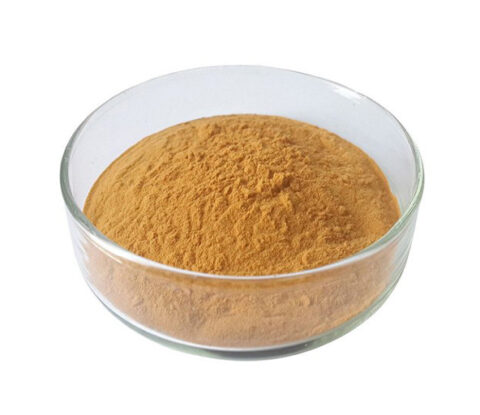
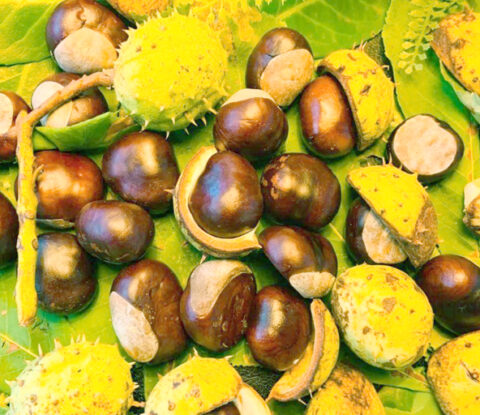


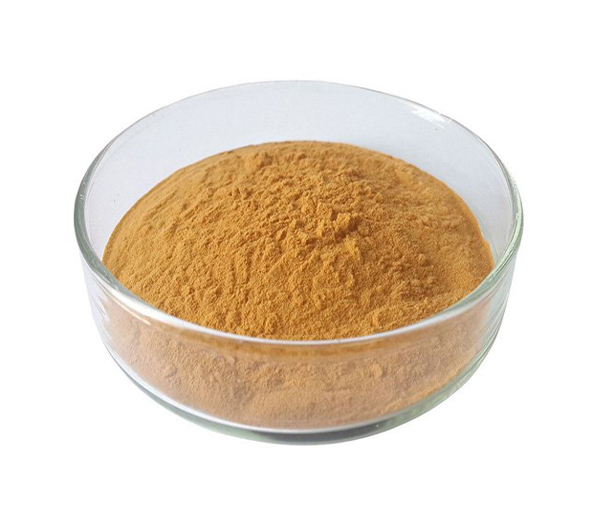
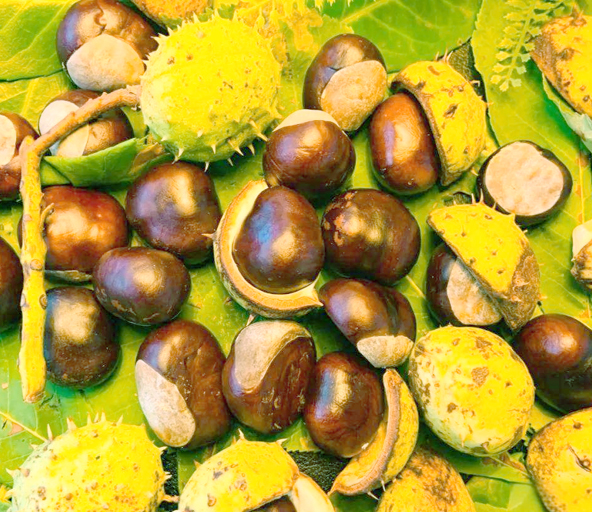
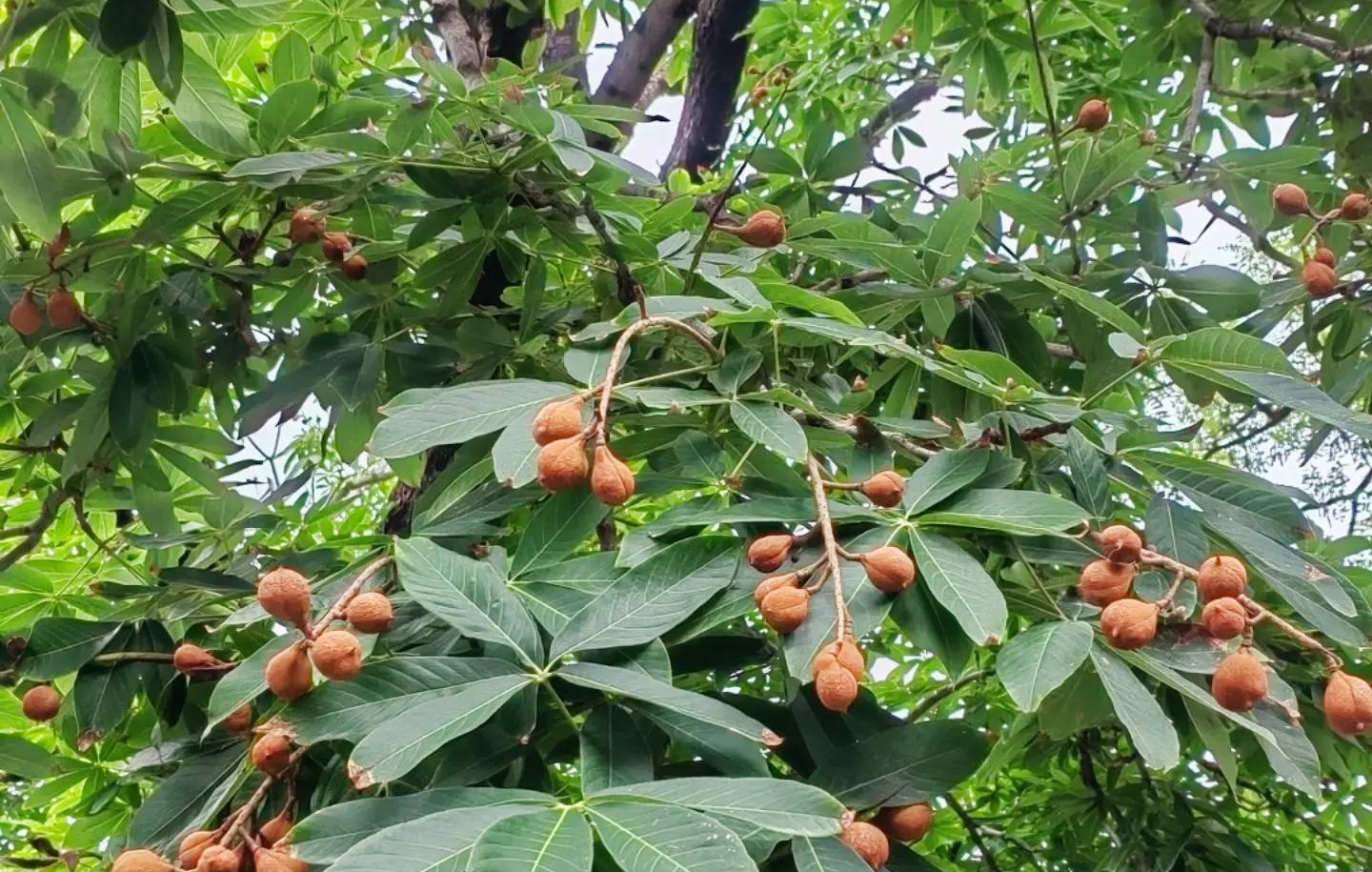
Horse Chestnut extract is a natural component extracted from the seeds or bark of seven leaf trees, with the main active substance being seven leaf saponins. Its core functions include promoting blood circulation, anti-inflammatory and anti-inflammatory effects, enhancing vascular elasticity, commonly used to improve venous function, alleviate edema, and skin care.

Horse Chestnut Extract Powder 10:1 20:1 TLC, Aescin (Escin) 20%, 40%, 98% HPLC
【Botanical source】: Aesculus hippocastanum L
【Part used】: Seeds
【Specification】: 10:1 20:1 TLC, Aescin (Escin) 20%, 40%, 98% HPLC
【Appearance】: Brownish yellow fine powder
【Extraction solvents】: Water
【Particle size】: 95% pass 80 mesh size
【Main ingredients】: Separate saponins and other compounds from the seeds of Horse Chestnut. So far, the following main components have been discovered from this genus of plants:
Saponins: Seven leaf saponins (Escin) are a mixture of over 30 types of saponins extracted from Sophora flavescens, belonging to the pentacyclic triterpenoid saponin class. They have anti-inflammatory, anti edema, and venous protection effects;
Flavonoids and polyphenolic compounds: Quercetin, glycoside derivatives of kaempferol, epicatechin, and proanthocyanidin A2. They have antioxidant and antibacterial effects;
Coumarins: Seven leaf extract (coumarin component), also known as 6,7-dihydroxycoumarin-6-0-glucoside;
Sterol compounds: containing coumarin, stigmasterol, stigmasterol, cholesterol, etc;
Organic acids: Contains organic acid components such as oxalic acid, fumaric acid, linoleic acid, palmitic acid, oleic acid, etc.
【Storage conditions】:Store at room temperature in a sealed manner, away from light, and in a ventilated, cool, and dry environment.
【Shelf life】: 24 months from the production date
Horse Chestnut Extract Powder Production Flowchart
Horse Chestnut raw materials -Coarse powder(40 mesh) -Low temperature water extraction – 1st Reflux Extraction(10 times water,2 Hrs) – 2nd Reflux Extraction8 times water,1.5 Hrs) – 3rd Reflux Extraction(6 times water,1 Hrs) – Extraction Solution-combine&Filtrate-Concentrate-Extractum-spray drying – screening – packaging – detection of physical and chemical indicators – warehousing
Specification Sheet of Horse Chestnut Extract Powder
| Product name: | Horse Chestnut Extract | ||
| Specification: | Aescin (Escin) 20% HPLC | ||
| Part used: | Seeds of Aesculus hippocastanum L | ||
| Solvent used: | Water | ||
| Process: | Raw materials crushed, extracted, concentrated and spray-dried to powder | ||
| Non GMO according to regulation (EC) 1829/2003 and 1830/2003 or United States requirements. Non allergen according to Directive 2007/68 amending Annex IIIa to Directive 2000/13/EC and US Food allergen labelling and consumer protection act 2004. | |||
| Heavy Metals: | |||
| Lead: | NMT 3ppm | Cadmium: | NMT 1ppm |
| Arsenic: | NMT 2ppm | Mercury: | NMT 1ppm |
| Residual solvents: | Comply to USP | ||
| Pesticides residues: | Conform to Regulation USP<561> | ||
| Microbiology: | |||
| Total plate count: | 10000cfu/g Max | Yeasts and molds: | 1000cfu/g Max |
| E.coli: | Not detected in (g)10 | Salmonella spp.: | Not detected in (g)25 |
| Staphylococcus aureus: | Not detected in (g)10 | Clostridium spp.: | Not Present in 0.1 g of food |
| Organoleptic quality | Method | Specifications | |
| Aspect: | Visual : ( CQ-MO-148) | Powder | |
| Color: | Visual : ( CQ-MO-148) | Brownish | |
| Flavor: | Sensory: (CQ-MO-148) | Characteristic | |
| Analytical quality | Method | Specifications | |
| Identification: | TLC | Conform | |
| Loss on drying: | USP <731> | < 10% | |
| Bulk density: | USP <616> Method I | 40 – 60 g/100mL | |
| Particle size: | Analytical sieving || USP <786> | 100% through 80meshes | |
| Packaging suitable for foodstuff. | |||
Extended Reading
Modern Pharmacological Research on Horse Chestnut (Aesculus hippocastanum) Extract
- Active Constituents
The primary bioactive compounds are concentrated in the seeds:
- Triterpenoid saponins (3-6%): Aescin (escin) – a mixture of over 30 different saponins, mainly β-aescin
- Flavonoids: Quercetin, kaempferol, their glycosides, and proanthocyanidins A2
- Coumarins: Aesculin, fraxin, scopolin
- Tannins and phenolic acids
- Key Pharmacological Activities
- Venotonic and Vascular Protective Effects (Primary Application)
- Clinical Efficacy: Well-established for chronic venous insufficiency (CVI) – reduces leg edema, pain, heaviness, pruritus, and night cramps. Multiple meta-analyses confirm superiority over placebo.
- Mechanisms:
- Inhibition of lysosomal enzymes: Particularly hyaluronidase, preserving capillary wall glycoprotein structure and reducing permeability
- Increased venous tone: Through enhanced noradrenaline-induced contraction and calcium sensitization in vascular smooth muscle
- Anti-inflammatory: Reduces leukocyte activation, adhesion, and migration across endothelial cells
- Improved microcirculation: Reduces capillary filtration rate by approximately 22%
- Anti-inflammatory and Anti-edematous Activity
- Potent Inhibition: Of key inflammatory mediators including prostaglandins (PGE₂), leukotrienes (LTB₄), and histamine
- Cellular Mechanisms: Suppresses NF-κB activation, TNF-α production, and adhesion molecule expression (ICAM-1, VCAM-1)
- Edema Reduction: In animal models of trauma-induced, chemically-induced, and post-surgical edema; inhibits bradykinin-induced vascular permeability
- Antioxidant Effects
- Free Radical Scavenging: Demonstrated in DPPH, FRAP, and ORAC assays; protects endothelial cells from oxidative damage
- Enzyme Modulation: Increases endogenous antioxidant enzymes (SOD, catalase, glutathione peroxidase)
- Effects on Hemorrhoids
- Clinical Evidence: Reduces bleeding, pain, and edema in acute hemorrhoidal attacks; improves venous return in the rectal venous plexus
- Mechanism: Similar venotonic and anti-inflammatory actions as in CVI
- Potential Anticancer Activity (Preclinical)
- Cytotoxic Effects: β-Aescin induces apoptosis in various cancer cell lines (leukemia, multiple myeloma, pancreatic, colorectal)
- Mechanisms: Mitochondrial pathway activation, cell cycle arrest, inhibition of NF-κB survival signaling, and anti-angiogenic effects
- Pharmacokinetics
- Absorption: Poor oral bioavailability (≈12.5%) due to large molecular size and polar nature; absorption enhanced by lecithin formulations
- Metabolism: Hydrolyzed by intestinal flora; hepatic conjugation
- Elimination: Primarily renal; terminal half-life ≈19 hours
- Peak Plasma: 2-3 hours post-administration
- Clinical Applications & Evidence
- Chronic Venous Insufficiency (CVI): 50-150 mg aescin daily significantly improves symptoms (Grade A evidence). Redises leg volume by 40-70 mL compared to placebo.
- Postoperative Edema: Effective in reducing swelling after trauma or surgery (particularly orthopedic and neurosurgical)
- Hemorrhoids: Standardized extracts reduce acute symptoms comparably to synthetic venotonics
- Varicose Veins: Symptomatic relief but does not reverse structural venous changes
- Topical Use: Gels containing 2% aescin effective for sports injuries, sprains, and hematomas
- Toxicology and Safety Profile
- Acute Toxicity: LD₅₀ (oral, rats) > 500 mg aescin/kg; parenteral administration more toxic
- Adverse Effects: Generally well-tolerated. Mild GI disturbances (nausea, dyspepsia) in 1-3% of users. Rare reports of headache, dizziness, pruritus.
- Serious Risks: Hemorrhagic hepatitis with parenteral use (now contraindicated); nephrotoxicity at very high doses
- Drug Interactions:
- Anticoagulants/Antiplatelets: Theoretical increased bleeding risk (monitor INR with warfarin)
- Antidiabetic drugs: May potentiate hypoglycemic effects
- Lithium: Possible increased lithium toxicity
- Contraindications: Renal/hepatic impairment, pregnancy/lactation (insufficient safety data), known hypersensitivity
- Standardization and Quality Control
- Standardized Extracts: Typically contain 16-21% triterpene glycosides, calculated as aescin
- Dosage: 100-150 mg aescin daily in divided doses for CVI
- Formulations: Often combined with phospholipids to enhance bioavailability
- Adulteration Risk: Raw seeds contain esculin (a coumarin glycoside) which is toxic and hemolytic; commercial extracts are esculin-free
- Research Gaps and Future Directions
- Long-term Efficacy: Studies beyond 12 weeks limited
- Combination Therapies: With compression stockings or other venotonics
- Novel Formulations: Nanoparticles for improved bioavailability
- Other Indications: Diabetic microangiopathy, cerebral edema, lymphedema (preliminary evidence)
- Mechanistic Detail: Precise molecular targets of aescin isoforms
- Conclusion
Horse chestnut seed extract is a well-established, evidence-based phytomedicine for chronic venous insufficiency, with robust clinical data supporting its venotonic, anti-edematous, and anti-inflammatory properties. Its mechanism—centered on vascular permeability reduction through hyaluronidase inhibition and anti-inflammatory actions—distinguishes it from other venotonics. While generally safe orally at recommended doses, careful patient selection is warranted due to potential interactions and contraindications. Future research should explore extended applications in vascular pathologies and optimize delivery systems to enhance its relatively low oral bioavailability.
References
- Pittler, M.H., & Ernst, E. (2012). Horse chestnut seed extract for chronic venous insufficiency. Cochrane Database of Systematic Reviews, 11, CD003230.
- Sirtori, C.R. (2001). Aescin: pharmacology, pharmacokinetics and therapeutic profile. Pharmacological Research, 44(3), 183-193.
- Diehm, C., Trampisch, H.J., Lange, S., & Schmidt, C. (1996). Comparison of leg compression stocking and oral horse-chestnut seed extract therapy in patients with chronic venous insufficiency. The Lancet, 347(8997), 292-294.
- Guillaume, M., & Padioleau, F. (1994). Venotonic effect, vascular protection, antiinflammatory and free radical scavenging properties of horse chestnut extract. Arzneimittelforschung, 44(1), 25-35.
- Facuccchio, R. (2015). The pharmacodynamics of escin from Aesculus hippocastanum: a review. Phytotherapy Research, 29(5), 633-639.
- Liang, M., et al. (2019). β‐Aescin: a potent natural inhibitor of proliferation and inducer of apoptosis in human chronic myeloid leukemia K562 cells. Phytotherapy Research, 33(7), 2064-2072.
- Berti, F., & Omini, C. (1977). Active constituents of Aesculus hippocastanum L. and their therapeutic use. Progress in Medicinal Chemistry, 14, 157-180.
- Kreysel, H.W., et al. (1983). A possible role of lysosomal enzymes in the pathogenesis of varicosis and the reduction in their serum activity by Venostasin®. VASA, 12(4), 377-382.
- Bisler, H., et al. (1986). Effects of horse-chestnut seed extract on transcapillary filtration in chronic venous insufficiency. Deutsche Medizinische Wochenschrift, 111(35), 1321-1329.
- Weiss, R.F., & Fintelmann, V. (2000). Herbal Medicine (2nd ed.). Thieme.
- Mills, S., & Bone, K. (2005). The Essential Guide to Herbal Safety. Elsevier Churchill Livingstone.
- European Medicines Agency (EMA). (2015). Assessment report on Aesculus hippocastanum L., semen. EMA/HMPC/22535/2015.
- Greeske, K., & Pohlmann, B.K. (1996). Horse chestnut seed extract—an effective therapy principle in general practice. Drug therapy of chronic venous insufficiency. Fortschritte der Medizin, 114(15), 196-200.
- Ottillinger, B., & Greeske, K. (2001). Rational therapy of chronic venous insufficiency—chances and limits of the therapeutic use of horse-chestnut seeds extract. BMC Cardiovascular Disorders, 1, 5.
Note: This summary is for informational purposes. Hops extract may interact with medications and is contraindicated in certain conditions. Consult a healthcare professional before therapeutic use, particularly regarding its estrogenic activity.