
Horsetail Extract Powder 10:1 20:1 50:1 TLC , 7% Organosilicone/ Organic Silica HPLC
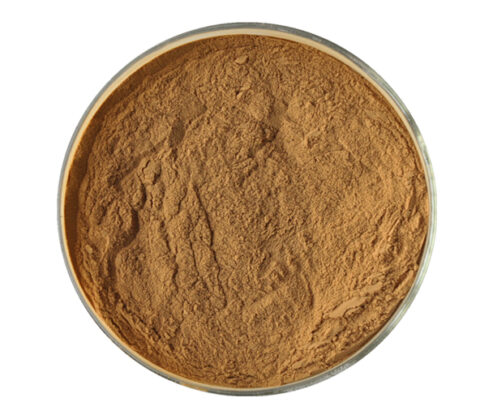
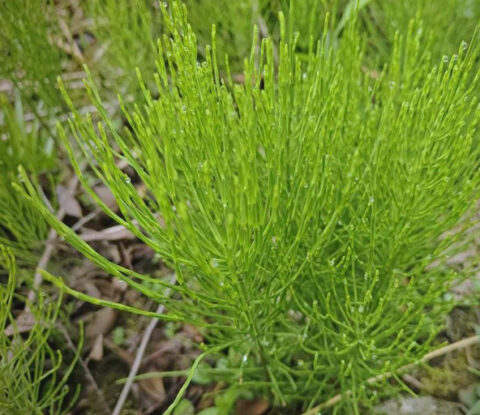


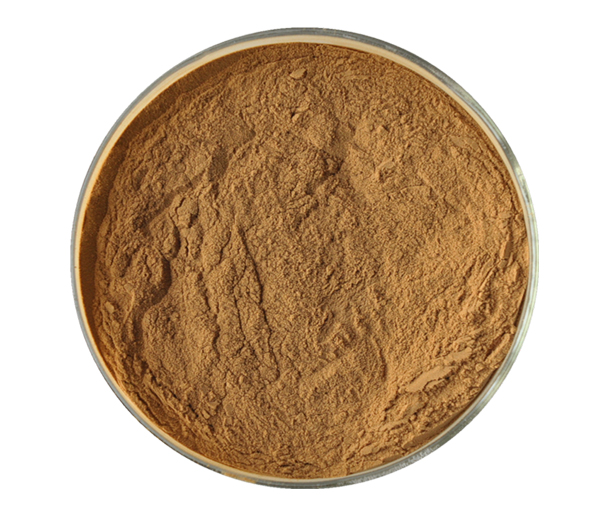
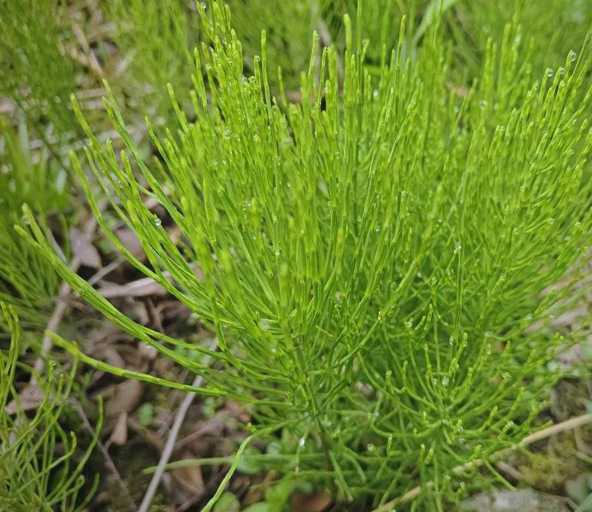
Horsetail extract contains a large amount of organosilicon and silicic acid, which help repair fractures and form collagen, an important protein present in connective tissue, skin, bones, cartilage, and ligaments. Wenjing is also used to treat urinary system infections, kidney and bladder stones, and as a local treatment for burns and injuries.

Horsetail Extract Powder 10:1 20:1 50:1 TLC , 7% Organosilicone/ Organic Silica HPLC
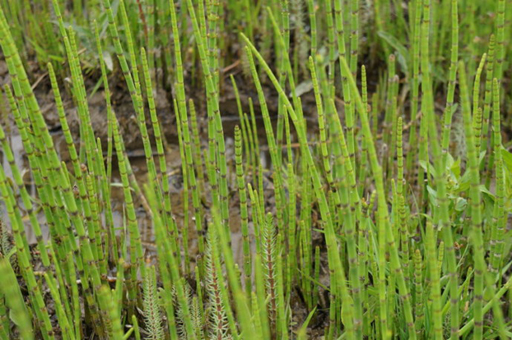
【Botanical source】: Equisetum arvense L
【Part used】: Whole herb
【Specification】: 10:1 20:1 50:1 TLC, 7% Organosilicone/ Organic Silica HPLC
【Appearance】: Brownish yellow fine powder
【Extraction solvents】: Water
【Particle size】: 95% pass 80 mesh size
【Main ingredients】: The whole plant contains saponins such as quercetin, xyloside, isoquercitrin, luteolin, silicic acid (with a content of 5.19-7.77% of dry medicinal herbs), organic acids, fats, β – sitosterol, quercetin, dimethyl sulfoxide, thymidine, 3-methoxypyridine, and various amino acids. Spores contain 5-hydroxyanthraquinone glucosinolate, octadecanedioic acid, triacetadecanedioic acid, dimethyl triacetadecanedioate, gossypol glycosides, and gossypol glycosides.
【Storage conditions】:Store at room temperature in a sealed manner, away from light, and in a ventilated, cool, and dry environment.
【Shelf life】: 24 months from the production date
Horsetail Extract Powder Production Flowchart
Horsetail raw materials -Coarse powder(40 mesh) -Low temperature water extraction – 1st Reflux Extraction(10 times water,2 Hrs) – 2nd Reflux Extraction8 times water,1.5 Hrs) – 3rd Reflux Extraction(6 times water,1 Hrs) – Extraction Solution-combine&Filtrate-Concentrate-Extractum-spray drying – screening – packaging – detection of physical and chemical indicators – warehousing
Specification Sheet of Horsetail Extract Powder
| Product name: | Horsetail Extract | ||
| Specification: | 10:1 TLC | ||
| Part used: | Whole herb of Equisetum arvense L | ||
| Solvent used: | Water | ||
| Process: | Raw materials crushed, extracted, concentrated and spray-dried to powder | ||
| Non GMO according to regulation (EC) 1829/2003 and 1830/2003 or United States requirements. Non allergen according to Directive 2007/68 amending Annex IIIa to Directive 2000/13/EC and US Food allergen labelling and consumer protection act 2004. | |||
| Heavy Metals: | |||
| Lead: | NMT 3ppm | Cadmium: | NMT 1ppm |
| Arsenic: | NMT 2ppm | Mercury: | NMT 1ppm |
| Residual solvents: | Comply to USP | ||
| Pesticides residues: | Conform to Regulation USP<561> | ||
| Microbiology: | |||
| Total plate count: | 10000cfu/g Max | Yeasts and molds: | 1000cfu/g Max |
| E.coli: | Not detected in (g)10 | Salmonella spp.: | Not detected in (g)25 |
| Staphylococcus aureus: | Not detected in (g)10 | Clostridium spp.: | Not Present in 0.1 g of food |
| Organoleptic quality | Method | Specifications | |
| Aspect: | Visual : ( CQ-MO-148) | Powder | |
| Color: | Visual : ( CQ-MO-148) | Brownish | |
| Flavor: | Sensory: (CQ-MO-148) | Characteristic | |
| Analytical quality | Method | Specifications | |
| Identification: | TLC | Conform | |
| Loss on drying: | USP <731> | < 10% | |
| Bulk density: | USP <616> Method I | 40 – 60 g/100mL | |
| Particle size: | Analytical sieving || USP <786> | 100% through 80meshes | |
| Packaging suitable for foodstuff. | |||
Extended Reading
Modern Pharmacological Research on Horsetail Extract (Equisetum arvense)
Horsetail (Equisetum arvense L.), a perennial herb from the Equisetaceae family, has been used in traditional medicine for centuries, primarily for its diuretic and wound-healing properties. Modern pharmacological research has expanded the understanding of its bioactive components and potential therapeutic applications.
Key Bioactive Constituents:
The pharmacological activity of horsetail is attributed to its complex phytochemical profile:
- Silica and Soluble Silicates: 5-10% content, contributing to connective tissue health.
- Flavonoids: Primarily quercetin, kaempferol, and their glycosides (e.g., equisetrin, isoquercitrin), with antioxidant and anti-inflammatory effects.
- Phenolic Acids: Caffeic, ferulic, and chlorogenic acids.
- Sterols: Including cholesterol, isofucosterol, and campesterol.
- Alkaloids: Notably nicotine and palustrine (in trace amounts, varies by species and processing).
- Potassium Salts and Other Minerals.
Pharmacological Activities & Mechanisms:
- Diuretic and Renal Effects: Horsetail is best known for its diuretic action. Studies in rats and humans have demonstrated increased urine output and sodium excretion. This is attributed not only to its high potassium and flavonoid content but also to a synergistic effect of its constituents. Unlike some synthetic diuretics, horsetail appears to have a gentle, potassium-sparing effect, though this requires further confirmation in long-term human trials.
- Antioxidant Activity: In vitro and animal studies consistently show strong free radical scavenging capacity, primarily due to its flavonoid and phenolic acid content. This activity is linked to its protective effects against oxidative stress-related damage in models of liver injury, nephrotoxicity, and neurodegenerative diseases.
- Anti-inflammatory and Analgesic Effects: Extracts have demonstrated significant inhibition of pro-inflammatory mediators (e.g., TNF-α, IL-6, PGE2, COX-2) in cell cultures and animal models of inflammation (e.g., carrageenan-induced paw edema). The analgesic effect is thought to be both peripheral and central.
- Antimicrobial Properties: Horsetail extract exhibits broad-spectrum activity against certain bacteria (e.g., Staphylococcus aureus, Escherichia coli), fungi (e.g., Candida spp.), and viruses in vitro. The effect is likely due to a combination of flavonoids, saponins, and silica.
- Wound Healing and Tissue Repair: Traditionally used topically, modern research supports its efficacy. Silica is crucial for collagen synthesis and connective tissue integrity. Studies show accelerated wound contraction and epithelialization in animal models, attributed to silica’s role and the antimicrobial/anti-inflammatory actions of flavonoids.
- Bone Health (Osteogenic Activity): Emerging research highlights horsetail’s potential in bone metabolism. In vitro studies show it can stimulate osteoblast (bone-forming cell) proliferation and differentiation. Animal studies suggest it may prevent bone loss in osteoporotic models, likely due to silica’s role in bone mineralization and the anti-inflammatory effects of flavonoids.
- Neuroprotective Effects: Preliminary animal studies suggest extract may improve memory and reduce markers of oxidative stress in the brain, indicating potential in neurodegenerative conditions, though human data is lacking.
- Antidiabetic Potential: Animal models of diabetes have shown horsetail extract can lower blood glucose levels, improve glucose tolerance, and protect pancreatic β-cells, linked to its antioxidant properties.
Safety and Toxicology:
Horsetail is generally considered safe when used appropriately for short periods. Key safety considerations include:
- Thiaminase Enzyme: Raw plant material contains thiaminase, which can degrade vitamin B1 (thiamine). Commercial extracts are typically dried or boiled, which inactivates this enzyme.
- Nicotine Content: Trace amounts of nicotine are present; levels are negligible in most therapeutic preparations but a consideration for specific populations.
- Drug Interactions: Due to its diuretic effect, it may interact with lithium, digoxin, and other diuretics. It may have additive effects with antidiabetic or antihypertensive drugs.
- Contraindications: Not recommended during pregnancy/lactation, in individuals with renal impairment (due to possible oxalate content in some species), or those with known hypersensitivity.
Conclusion:
Modern pharmacological research validates several traditional uses of horsetail extract, particularly its diuretic, antioxidant, anti-inflammatory, and wound-healing properties. Promising new areas include bone health and neuroprotection. However, while in vitro and animal data are robust, more high-quality, randomized controlled clinical trials (RCTs) are needed to confirm efficacy, optimal dosing, and long-term safety in humans. Standardization of extracts based on key active markers (e.g., flavonoid or silica content) is also crucial for reproducible research and product quality.
References:
- Carneiro, D. M., et al. (2014). “Randomized, Double-Blind Clinical Trial to Assess the Acute Diuretic Effect of Equisetum arvense (Field Horsetail) in Healthy Volunteers.” Evidence-Based Complementary and Alternative Medicine, 2014, 760683.
- Asgharikhatooni, A., et al. (2015). “The Effect of Equisetum Arvense (Horsetail) Ointment on Wound Healing and Pain Intensity After Episiotomy: A Randomized Placebo-Controlled Trial.” Iranian Red Crescent Medical Journal, 17(3), e25637.
- Mimica-Dukić, N., et al. (2008). “Bioactive compounds of horsetail (Equisetum arvense L.) as native and traditionally used species in Serbia.” Acta Societatis Botanicorum Poloniae, 77(4), 277-281.
- Costa-Rodrigues, J., et al. (2012). “Dose-dependent inhibitory effect of Equisetum arvense upon osteoclastogenesis in vitro.” Journal of Herbal Medicine, 2(3), 83-89.
- Graefe, E. U., & Veit, M. (1999). “Urinary metabolites of flavonoids and hydroxycinnamic acids in humans after application of a crude extract from Equisetum arvense.” Phytomedicine, 6(4), 239-246.
- Sandhu, N. S., et al. (2010). “Antioxidant, anti-inflammatory and analgesic potential of the aqueous extract of Equisetum arvense L.” Journal of Medicinal Plants Research, 4(21), 2225-2230.
- Do Monte, F. H., et al. (2004). “Antinociceptive and anti-inflammatory properties of the hydroalcoholic extract of stems from Equisetum arvense L. in mice.” Pharmacological Research, 49(3), 239-243.
- D’Agostino, M., et al. (2018). “Equisetum arvense L. extract exerts antioxidant activity and modulates clock genes in human dermal fibroblasts.” Molecules, 23(7), 1743.
- EUROPEAN MEDICINES AGENCY (EMA). (2015). Assessment report on Equisetum arvense L., herba. Committee on Herbal Medicinal Products (HMPC).
- Shabanian, S., et al. (2018). “The Effect of Equisetum arvense L. (Horsetail) on Metabolic Profile in Patients with Type 2 Diabetes: A Randomized Clinical Trial.” Journal of Herbal Medicine, 12, 39-44.
Note: This summary is for informational purposes. It may interact with medications and is contraindicated in certain conditions. Consult a healthcare professional before therapeutic use, particularly regarding its estrogenic activity.