
Hovenia Dulcis Extract Powder 10:1, 20:1, 50:1 TLC
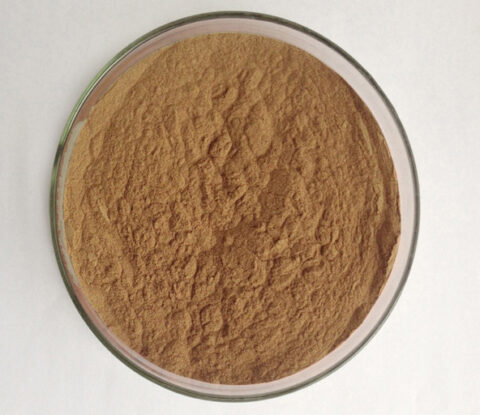


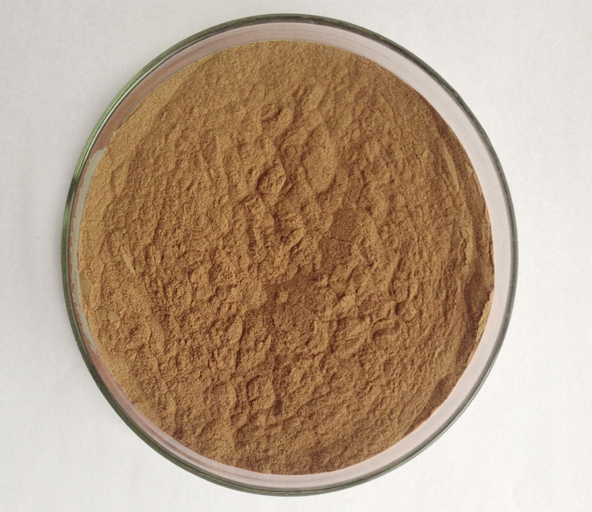
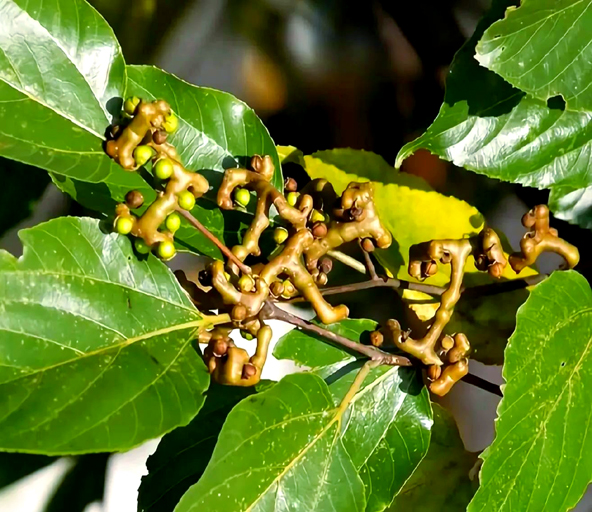
The main functions of Hovenia Dulcis are to relieve alcohol toxicity, quench thirst and relieve irritability, and promote bowel movements. Modern research has shown that it is rich in flavonoids such as dihydromyricetin, which can accelerate ethanol metabolism, protect the liver, and resist alcoholic liver damage. It also has certain sedative, anti-inflammatory, and antioxidant effects, making it a traditional dual use resource for sobering up, protecting the liver, medicine, and food.

Hovenia Dulcis Extract Powder 10:1, 20:1, 50:1 TLC
【Other names】: Hovenia dulcis thunb, Semen Hoveniae, Hovenia acerba Lindl
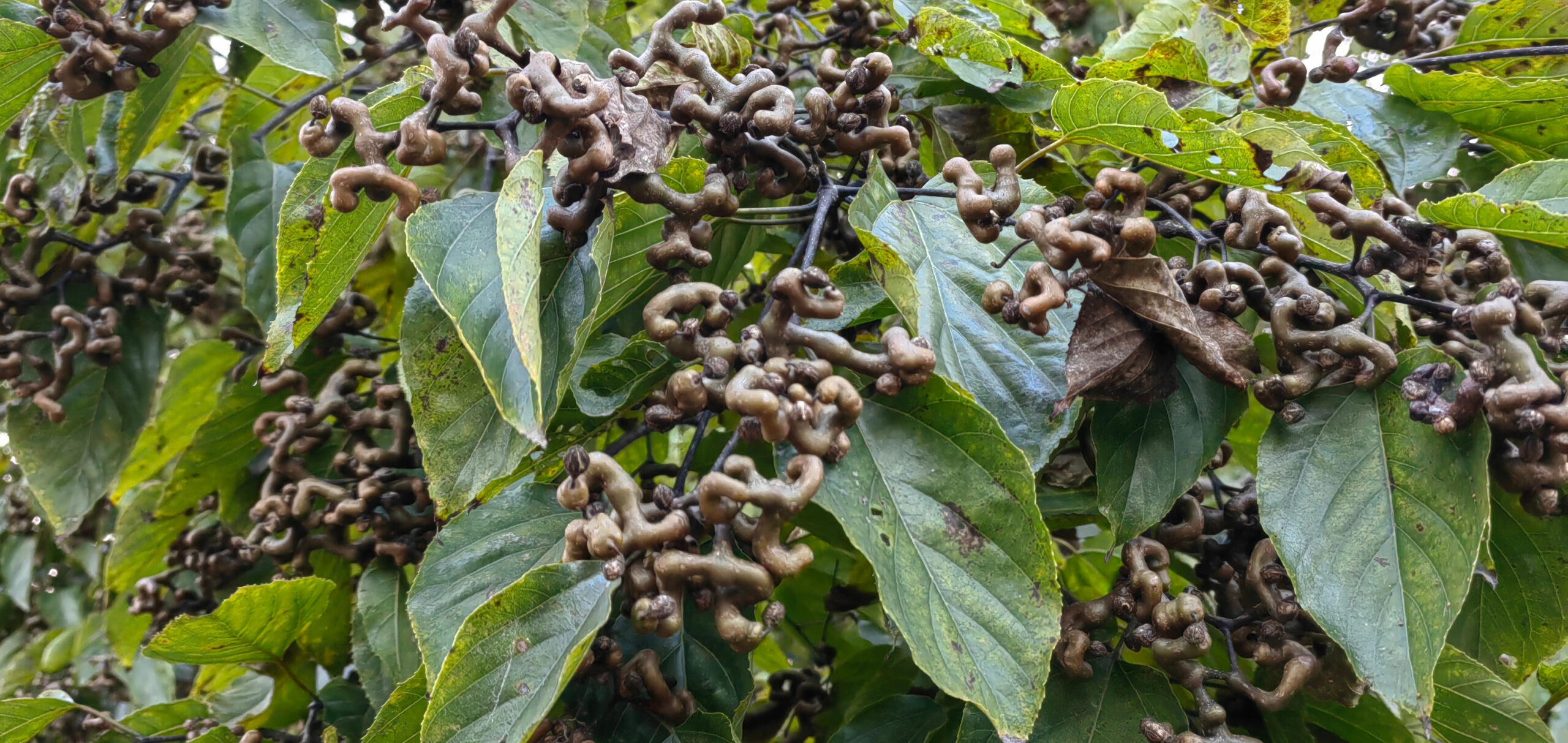
【Botanical source】: Hovenia acerba Lindl
【Part used】: Mature seeds
【Specification】: 10:1, 20:1, 50:1 TLC
【Extraction solvents】: Water
【Appearance】: Brownish fine powder
【Particle size】: 95% pass 80 mesh size
【Main ingredients】: Hovenia dulcis is rich in dihydroquercetin and other dihydroquercetin compounds, which are its core active ingredients. It also contains polysaccharides, saponins, alkaloids, as well as organic acids such as glucose and malic acid. Its significant sobering and liver protecting effects are mainly attributed to the high content of dihydromyricetin.
【Storage conditions】:Store at room temperature in a sealed manner, away from light, and in a ventilated, cool, and dry environment.
【Shelf life】: 24 months from the production date
Hovenia Dulcis Extract Powder Production Flowchart
Hovenia Dulcis raw materials -Coarse powder(40 mesh) -Low temperature water extraction – 1st Reflux Extraction(10 times water,2 Hrs) – 2nd Reflux Extraction8 times water,1.5 Hrs) – 3rd Reflux Extraction(6 times water,1 Hrs) – Extraction Solution-combine&Filtrate-Concentrate-Extractum-spray drying – screening – packaging – detection of physical and chemical indicators – warehousing
Specification Sheet of Hovenia Dulcis Extract Powder
| Product name: | Hovenia Dulcis Extract | ||
| Specification: | 10:1 TLC | ||
| Part used: | Mature seeds of Hovenia acerba Lindl | ||
| Solvent used: | Water | ||
| Process: | Raw materials crushed, extracted, concentrated and spray-dried to powder | ||
| Non GMO according to regulation (EC) 1829/2003 and 1830/2003 or United States requirements. Non allergen according to Directive 2007/68 amending Annex IIIa to Directive 2000/13/EC and US Food allergen labelling and consumer protection act 2004. | |||
| Heavy Metals: | |||
| Lead: | NMT 3ppm | Cadmium: | NMT 1ppm |
| Arsenic: | NMT 2ppm | Mercury: | NMT 1ppm |
| Residual solvents: | Comply to USP | ||
| Pesticides residues: | Conform to Regulation USP<561> | ||
| Microbiology: | |||
| Total plate count: | 10000cfu/g Max | Yeasts and molds: | 1000cfu/g Max |
| E.coli: | Not detected in (g)10 | Salmonella spp.: | Not detected in (g)25 |
| Staphylococcus aureus: | Not detected in (g)10 | Clostridium spp.: | Not Present in 0.1 g of food |
| Organoleptic quality | Method | Specifications | |
| Aspect: | Visual : ( CQ-MO-148) | Powder | |
| Color: | Visual : ( CQ-MO-148) | Brownish | |
| Flavor: | Sensory: (CQ-MO-148) | Characteristic | |
| Analytical quality | Method | Specifications | |
| Identification: | TLC | Conform | |
| Loss on drying: | USP <731> | < 10% | |
| Bulk density: | USP <616> Method I | 40 – 60 g/100mL | |
| Particle size: | Analytical sieving || USP <786> | 100% through 80meshes | |
| Packaging suitable for foodstuff. | |||
Extended Reading
Modern Research on Hovenia dulcis Extract
- Chemical Components:
Hovenia dulcis seed/pedicel extract is rich in bioactive compounds:
- Flavonoids: Dihydroquercetin, dihydromyricetin, quercetin, myricetin, and their glycosides.
- Polysaccharides: Unique water-soluble polysaccharides (e.g., HDP-1, HDP-2).
- Alkaloids: Periolyrine, hovenine.
- Triterpenoids: Betulin, betulinic acid.
- Saponins: Hovenia saponins.
- Amino Acids & Organic Acids: Glutamic acid, proline, succinic acid.
- Health Benefits (Evidence-Based):
- Hepatoprotective & Anti-Alcoholic: The most prominent effect. Dihydromyricetin accelerates ethanol metabolism via induction of alcohol dehydrogenase (ADH) and aldehyde dehydrogenase (ALDH), reduces oxidative stress, and inhibits inflammation, effectively preventing and treating alcoholic fatty liver disease.
- Antioxidant & Anti-inflammatory: Flavonoids potently scavenge free radicals and suppress pro-inflammatory cytokines (TNF-α, IL-1β, IL-6).
- Neuroprotective: Exhibits protective effects against ethanol-induced neuronal apoptosis, potentially alleviating hangover symptoms. May also protect against neurodegenerative damage.
- Antidiabetic: Polysaccharides and flavonoids improve insulin sensitivity, lower blood glucose, and protect pancreatic β-cells in diabetic animal models.
- Anticancer Potential: Betulinic acid and flavonoids induce apoptosis and inhibit proliferation in various cancer cell lines (e.g., liver, breast) in vitro.
- Antiviral: Some studies show inhibitory effects against hepatitis B virus and herpes simplex virus.
- Interactions & Warnings:
- Sedatives & CNS Depressants (Alcohol, Benzodiazepines): May have additive sedative effects. Caution is advised regarding combined use.
- Hypoglycemic Drugs: May potentiate blood sugar-lowering effects, requiring monitoring.
- Hepatotoxic Drugs: While hepatoprotective against alcohol, its interaction with other hepatotoxic substances is not fully clear.
- Surgery: Due to potential effects on blood sugar and CNS, discontinue use at least 2 weeks prior to scheduled surgery.
- Taboos & Contraindications:
- Pregnancy & Lactation: Insufficient safety data; use should be avoided.
- Hypoglycemia: Contraindicated in individuals with low blood sugar.
- Severe Liver or Kidney Dysfunction: Use under medical supervision only.
- Allergy: Contraindicated in case of known hypersensitivity.
- Applications:
- Hangover Relief & Liver Health Supplements: Widely marketed as a natural hangover remedy and liver detoxifier in functional beverages, capsules, and tablets.
- Functional Food & Beverages: Incorporated into health drinks, teas, and snack foods.
- Pharmaceutical Research: Investigated as a source of dihydromyricetin for developing anti-alcoholic fatty liver disease drugs.
- Cosmeceuticals: Used in skincare products for its antioxidant and anti-inflammatory properties.
References:
- Shen, Y., et al. (2012). Dihydromyricetin as a novel anti-alcohol intoxication medication. Journal of Neuroscience, 32(1), 390-401.
- Li, H., et al. (2015). Hepatoprotective effects of Hovenia dulcis Thunb. on alcohol-induced liver injury in mice. Food & Function, 6(12), 3842-3850.
- Hyun, T. K., et al. (2010). Hovenia dulcis – an Asian traditional herb. Planta Medica, 76(10), 943-949.
- Zhao, X., et al. (2017). Polysaccharides from Hovenia dulcis peduncles: Extraction, purification, and anti-hangover effect. International Journal of Biological Macromolecules, 102, 1177-1184.
- Zhang, Y., et al. (2019). Dihydromyricetin ameliorates behavioral deficits and reverses neuropathology of transgenic mouse models of Alzheimer’s disease. Neurochemical Research, 44(4), 989-1004.
- Cheng, G., et al. (2018). The inhibitory effect of a polysaccharide from Hovenia dulcis Thunb. on hepatocellular carcinoma growth. Carbohydrate Polymers, 181, 1075-1082.
Note: This summary is for informational purposes. It may interact with medications and is contraindicated in certain conditions. Consult a healthcare professional before therapeutic use, particularly regarding its estrogenic activity.