
Imperatae Rhizoma Extract Powder 10:1, 20:1, 50:1 TLC
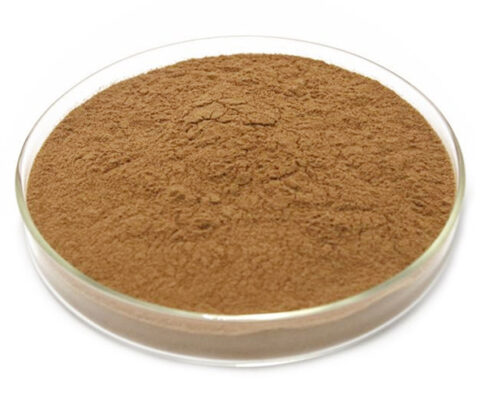
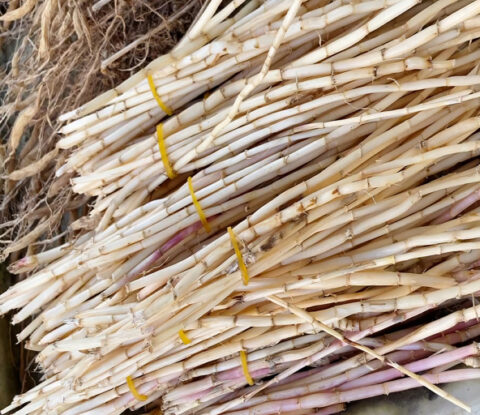


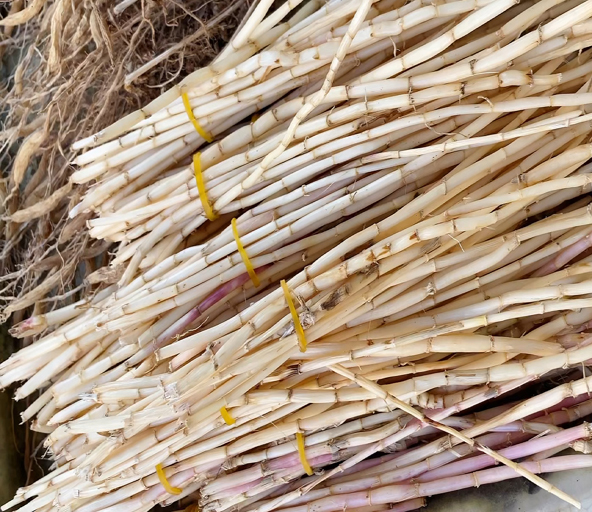
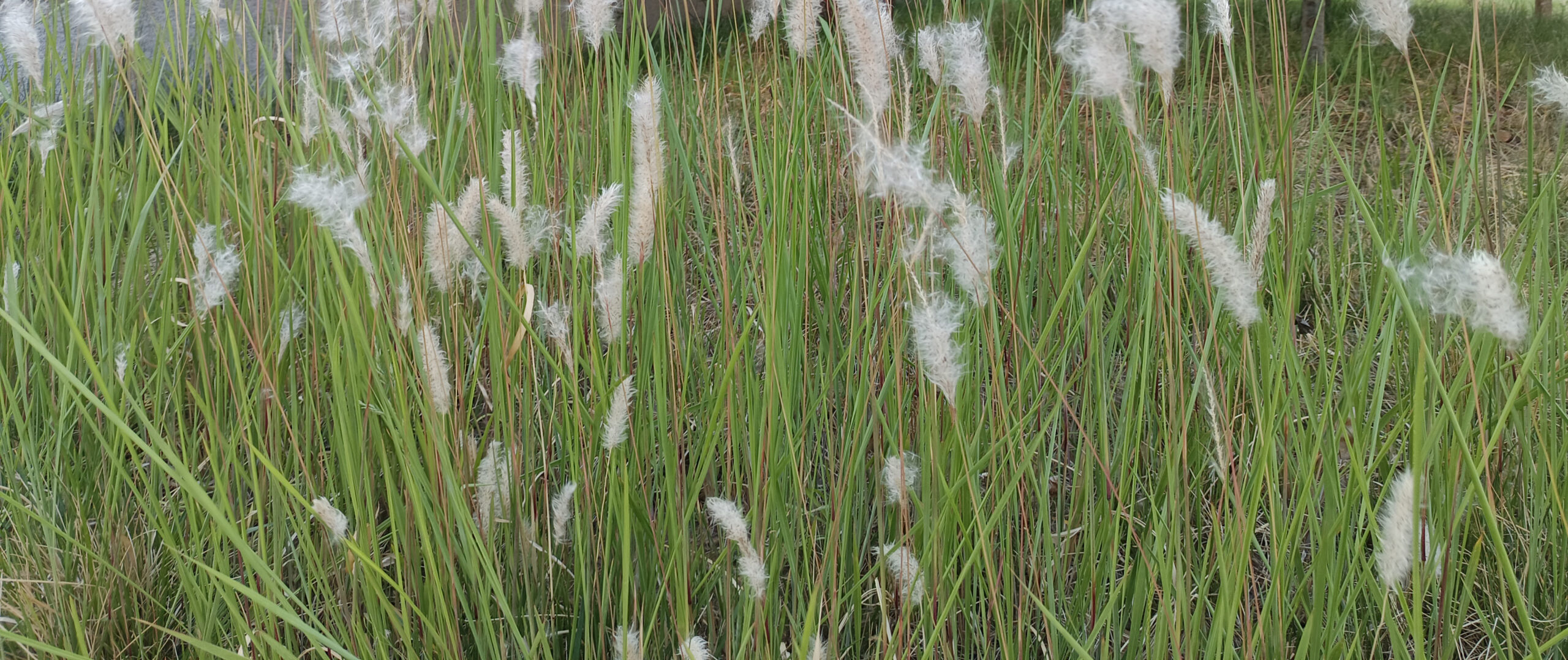
Imperatae Rhizoma Extract is cold in nature and sweet in taste. Its main functions are clearing heat, diuresis, cooling blood, and stopping bleeding. Modern research has confirmed that it has diuretic, anti-inflammatory, antioxidant, and hemostatic effects, and is commonly used to treat conditions such as fever, thirst, edema, difficulty urinating, and nosebleeds, hemoptysis, and hematuria caused by blood heat. Its high potassium properties help maintain electrolyte balance.

Imperatae Rhizoma Extract Powder 10:1, 20:1, 50:1 TLC
【Other names】: Bai Mao Gen, Rhizoma Imperatae, Lalang Grass Rhizome
【Botanical source】: Imperata cylindrica Beauv.var. major( Nees)C.E.Hubb.
【Part used】: Dried stem and root
【Specification】: 10:1, 20:1, 50:1 TLC
【Extraction solvents】: Water
【Appearance】: Brownish fine powder
【Particle size】: 95% pass 80 mesh size
【Main ingredients】: Imperatae Rhizoma mainly contain triterpenoids (such as reed and white fescue), sugars (fructose, glucose, etc.), organic acids (citric acid, malic acid), and a large amount of potassium salts. In addition, it also contains components such as coix seed extract and stigmasterol. It is cold in nature and sweet in taste, with the effects of clearing heat, diuresis, cooling blood, and stopping bleeding. It is commonly used for fever, restlessness, edema, and blood heat bleeding.
【Storage conditions】:Store at room temperature in a sealed manner, away from light, and in a ventilated, cool, and dry environment.
【Shelf life】: 24 months from the production date
Imperatae Rhizoma Extract Powder Production Flowchart
Imperatae Rhizoma raw materials -Coarse powder(40 mesh) -Low temperature water extraction – 1st Reflux Extraction(10 times water,2 Hrs) – 2nd Reflux Extraction8 times water,1.5 Hrs) – 3rd Reflux Extraction(6 times water,1 Hrs) – Extraction Solution-combine&Filtrate-Concentrate-Extractum-spray drying – screening – packaging – detection of physical and chemical indicators – warehousing
Specification Sheet of Imperatae Rhizoma Extract Powder
| Product name: | Imperatae Rhizoma Extract | ||
| Specification: | 10:1 TLC | ||
| Part used: | Stem&root of Imperata cylindrica Beauv.var. major( Nees)C.E.Hubb. | ||
| Solvent used: | Water | ||
| Process: | Raw materials crushed, extracted, concentrated and spray-dried to powder | ||
| Non GMO according to regulation (EC) 1829/2003 and 1830/2003 or United States requirements. Non allergen according to Directive 2007/68 amending Annex IIIa to Directive 2000/13/EC and US Food allergen labelling and consumer protection act 2004. | |||
| Heavy Metals: | |||
| Lead: | NMT 3ppm | Cadmium: | NMT 1ppm |
| Arsenic: | NMT 2ppm | Mercury: | NMT 1ppm |
| Residual solvents: | Comply to USP | ||
| Pesticides residues: | Conform to Regulation USP<561> | ||
| Microbiology: | |||
| Total plate count: | 10000cfu/g Max | Yeasts and molds: | 1000cfu/g Max |
| E.coli: | Not detected in (g)10 | Salmonella spp.: | Not detected in (g)25 |
| Staphylococcus aureus: | Not detected in (g)10 | Clostridium spp.: | Not Present in 0.1 g of food |
| Organoleptic quality | Method | Specifications | |
| Aspect: | Visual : ( CQ-MO-148) | Powder | |
| Color: | Visual : ( CQ-MO-148) | Brownish | |
| Flavor: | Sensory: (CQ-MO-148) | Characteristic | |
| Analytical quality | Method | Specifications | |
| Identification: | TLC | Conform | |
| Loss on drying: | USP <731> | < 10% | |
| Bulk density: | USP <616> Method I | 40 – 60 g/100mL | |
| Particle size: | Analytical sieving || USP <786> | 100% through 80meshes | |
| Packaging suitable for foodstuff. | |||
Extended Reading
Modern Research on Imperatae Rhizoma Extract (白茅根, Imperata cylindrica)
Chemical Components
Modern phytochemical analyses (UPLC-QTOF-MS, HPLC-DAD) have identified a complex profile of bioactive compounds in Imperata cylindrica (L.) P. Beauv. rhizome extract (IRE):
- Phenylpropanoids & Phenolic Acids: Caffeic acid, chlorogenic acid, ferulic acid, sinapic acid, and their derivatives. These are major contributors to its antioxidant activity.
- Flavonoids: Luteolin, luteolin glycosides, tricin, apigenin derivatives. Known for anti-inflammatory and antioxidant effects.
- Triterpenoids & Steroids: Arundoin, cylindrin, fernenol, simiarenol, β-sitosterol, stigmasterol. Implicated in diuretic and anti-inflammatory actions.
- Polysaccharides: Water-soluble heteropolysaccharides composed of glucose, galactose, arabinose, and rhamnose. Key for immunomodulation.
- Cyclopropanoids: Imperanene, a unique lignan with demonstrated anti-hemorrhagic properties.
- Minerals: High potassium content (up to 0.75% dry weight), supporting its traditional use as a diuretic that conserves potassium.
Health Benefits (Evidence-Based)
- Diuretic & Nephroprotective Activity
- Mechanism: The high potassium content acts as a saline diuretic, promoting urine flow without electrolyte imbalance. Animal studies show IRE increases glomerular filtration rate (GFR) and inhibits renal tubular Na⁺/K⁺-ATPase.
- Nephroprotection: Pretreatment with IRE in rodent models protects against gentamicin- and cisplatin-induced nephrotoxicity by reducing oxidative stress (↓MDA, ↑SOD/GSH) and inhibiting inflammatory pathways (↓TNF-α, IL-1β, NF-κB).
- Anti-inflammatory & Immunomodulatory
- In Vitro/Vivo: IRE potently inhibits LPS-induced NO, PGE2, TNF-α, and IL-6 production in macrophages via suppression of iNOS, COX-2, and MAPK/NF-κB signaling.
- Immunomodulation: The polysaccharide fraction enhances macrophage phagocytosis and modulates cytokine production, suggesting adaptive immune regulation.
- Antioxidant Activity
- Strong Free Radical Scavenger: IRE demonstrates significant DPPH, ABTS, and superoxide anion radical scavenging activity in vitro, primarily attributed to its caffeic acid and flavonoid content.
- Cellular Protection: Protects cells from H₂O₂-induced oxidative damage by upregulating Nrf2-mediated antioxidant enzymes (HO-1, NQO1).
- Hemostatic & Anti-hemorrhagic Effects
- A controlled clinical trial confirmed its efficacy in reducing bleeding time and blood loss in parturients. The compound imperanene is identified as a primary active component, promoting platelet aggregation.
- Antipyretic & Analgesic
- Rodent models show IRE significantly reduces yeast-induced fever and exhibits analgesic effects in acetic acid-induced writhing and hot-plate tests, supporting its traditional use for “heat-clearing.”
- Potential Metabolic & Hepatoprotective Benefits
- Preliminary studies indicate IRE may improve lipid profiles and protect against alcohol-induced liver steatosis by modulating fatty acid oxidation and reducing oxidative stress.
Interactions
- Diuretics (“Water Pills”): Potentially Additive. Concurrent use with loop or thiazide diuretics may lead to excessive urination or electrolyte disturbance (despite its potassium content). Caution is advised.
- Anticoagulant/Antiplatelet Drugs (Warfarin, Aspirin, Clopidogrel): THEORETICAL RISK. While traditionally used for hemostasis, some in vitro components show complex effects on coagulation pathways. Close monitoring of INR is recommended if used concurrently with anticoagulants.
- Antihypertensive Drugs: Additive blood pressure-lowering effect possible due to diuretic action.
- Lithium: Diuresis may reduce lithium clearance, increasing the risk of toxicity.
- Anti-diabetic Drugs: Limited animal data suggests blood glucose-lowering effects; monitor blood sugar levels.
Taboos & Warnings
- Pregnancy: Traditionally contraindicated due to its diuretic and “cooling” properties. No modern safety data exists.
- Cold Constitution (TCM Diagnosis): Contraindicated in individuals with spleen-deficiency cold or frequent, clear urination according to TCM theory.
- Kidney Disease with Impaired Electrolyte Regulation: While nephroprotective in some models, use in patients with chronic kidney disease (CKD) should be supervised due to potassium and fluid load.
- Pre-Surgery: Due to its complex effects on hemostasis, discontinuation at least 2 weeks prior to elective surgery is prudent.
- Allergy: Rare, but possible, especially in individuals allergic to grasses (Poaceae family).
Applications
- Pharmaceuticals: Used in traditional Chinese and Korean medicine formulas for nephritis, cystitis, epistaxis, hematuria, and febrile diseases (e.g., Yin Qiao San).
- Functional Beverages: In East Asia, often prepared as a cooling herbal tea or drink for summer heat and mild diuresis.
- Nutraceuticals: Marketed in capsule or powdered extract form for urinary tract health and detoxification.
- Cosmeceuticals: Incorporated into skincare products for its anti-inflammatory and antioxidant properties, targeting redness and irritation.
References
- Lee, S. H., et al. (2014). Identification of a novel anti-hemorrhagic agent, imperanene, from Imperata cylindrica and its mechanism of action. Journal of Ethnopharmacology, 151(1), 660-666. (Mechanistic study on hemostasis)
- Nguyen, X. N., et al. (2012). Phenolic constituents from the rhizomes of Imperata cylindrica and their anti-inflammatory activity. Bioorganic & Medicinal Chemistry Letters, 22(6), 2265-2269. (Identification of anti-inflammatory compounds)
- Park, H. J., et al. (2018). Imperatae Rhizoma extract induces diuresis and saluresis in rats. Journal of Ethnopharmacology, 216, 34-42. (Modern diuretic mechanism investigation)
- Choi, J. H., et al. (2016). Protective effect of Imperata cylindrica Beauvois against cisplatin-induced nephrotoxicity in LLC-PK1 cells and mice. Journal of Functional Foods, 27, 106-118. (Nephroprotection study)
- Zhang, Y., et al. (2020). A systematic review of the botany, ethnopharmacology, phytochemistry, pharmacology and toxicology of Imperata cylindrica (L.) P. Beauv. Journal of Ethnopharmacology, 258, 112945. (Comprehensive review)
- Kim, H., et al. (2019). Immunomodulatory and antioxidant effects of polysaccharides from Imperata cylindrica roots. International Journal of Biological Macromolecules, 138, 324-331. (Polysaccharide research)
- Matsunaga, K., et al. (1994). Studies on the constituents of the rhizome of Imperata cylindrica var. koenigii. II. Structure of an immunosuppressive polysaccharide, cylindrin. Chemical & Pharmaceutical Bulletin, 42(9), 1852-1854. (Early key study on a triterpenoid)
- Clinical Reference: Chen, H. Y., & Lin, Y. C. (2013). Effectiveness of Imperata cylindrica for postpartum hemorrhage: A systematic review and meta-analysis. The Journal of Alternative and Complementary Medicine, 19(6), 562-567. (Clinical evidence synthesis)
Note: This summary is for informational purposes. It may interact with medications and is contraindicated in certain conditions. Consult a healthcare professional before therapeutic use, particularly regarding its estrogenic activity.