
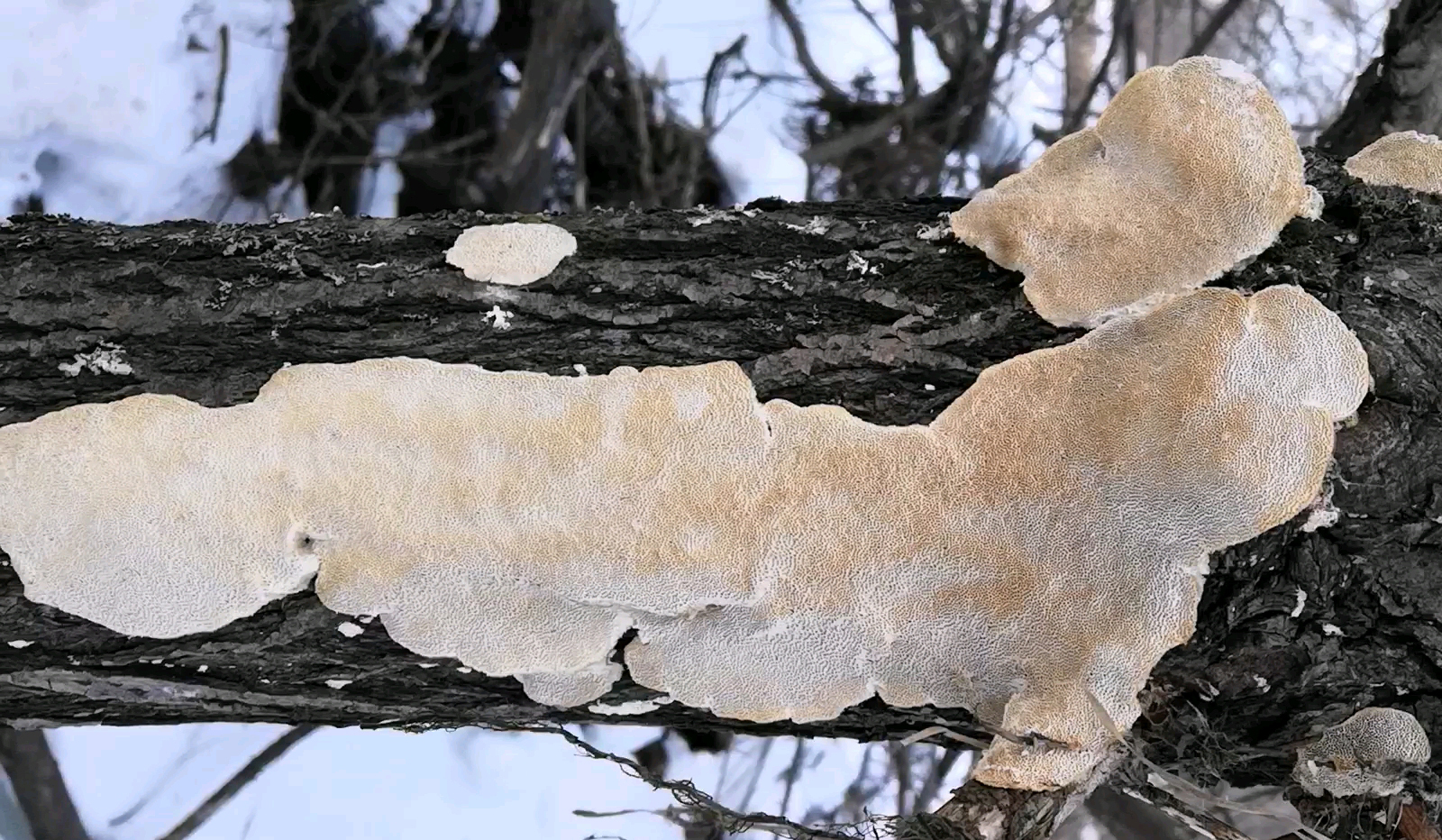
Irpex Lateus (White Tine Bacteria Mushroom) Extract Powder 10:1, 20:1, 50:1 TLC, Polysaccharides 30% UV


Modern pharmacological studies on Irpex lacteus have confirmed its core efficacy in anti-inflammatory and immune regulation. Its characteristic components, including lanostane-type triterpenoids and polysaccharides, can significantly inhibit inflammatory pathways such as NF-κB and reduce inflammatory factors such as TNF-α and IL-6. Additionally, it exhibits clear antioxidant and hepatoprotective effects, and demonstrates inhibitory effects on various cancer cell lines.

Irpex Lateus (White Tine Bacteria Mushroom) Extract Powder 10:1, 20:1, 50:1 TLC, Polysaccharides 30% UV
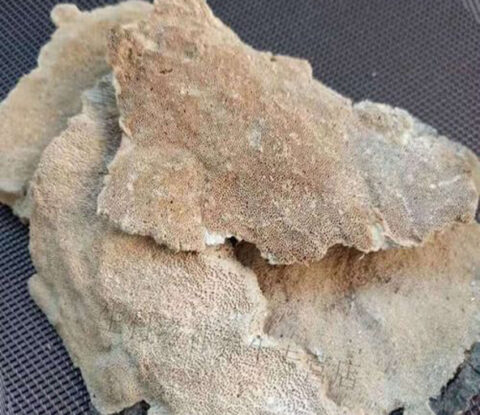
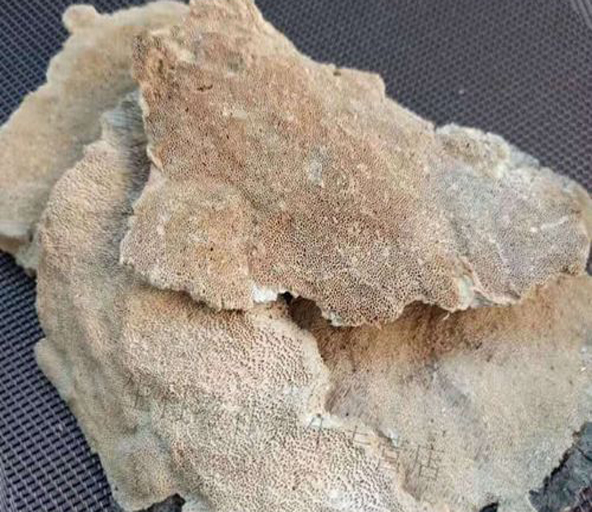
【Botanical source】: Irpex lacteus (Fr.) Fr.)
【Part used】: Mycelium&Frutingbody
【Specification】: 10:1, 20:1, 50:1 TLC, Polysaccharides 30% UV
【Extraction solvents】: Water
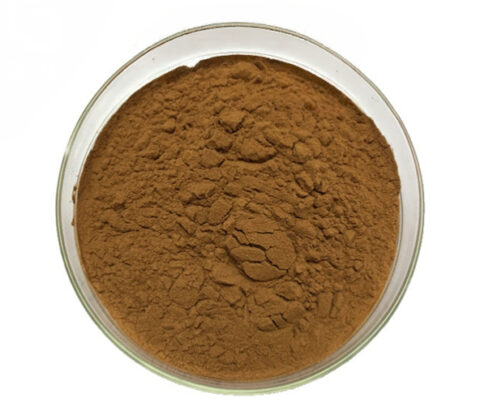
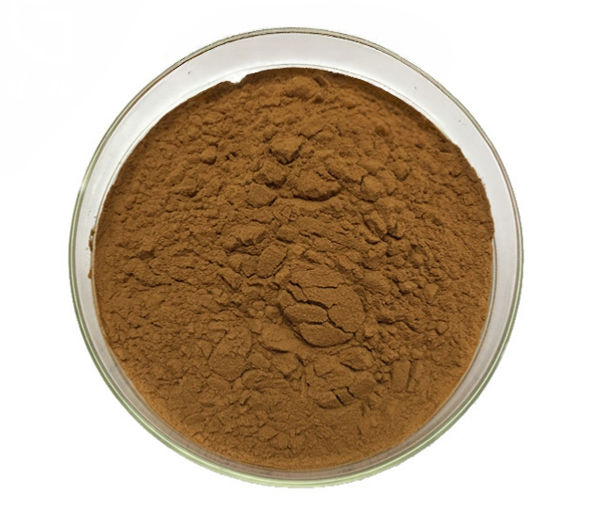
【Appearance】: Brownish yellow fine powder
【Particle size】: 95% pass 80 mesh size
【Main ingredients】: The main active components of Irpex lacteus are polysaccharides (such as β-glucan), triterpenoids (such as fibuligerone), and polyphenols. Its distinctive feature lies in its rich content of lanostane-type triterpenoids, which exhibit clear anti-inflammatory and cytoprotective activities. Additionally, it contains sterols, melanin, and other compounds. These components collectively confer its pharmacological effects, including antioxidant, immunomodulatory, and hepatoprotective activities.
【Storage conditions】:Store at room temperature in a sealed manner, away from light, and in a ventilated, cool, and dry environment.
【Shelf life】: 24 months from the production date
Irpex Lateus (White Tine Bacteria Mushroom) Extract Powder Production Flowchart
Armillaria Mellea frutingbody raw materials -Coarse powder(40 mesh) -Low temperature water extraction – 1st Reflux Extraction(10 times water,2 Hrs) – 2nd Reflux Extraction8 times water,1.5 Hrs) – 3rd Reflux Extraction(6 times water,1 Hrs) – Extraction Solution-combine&Filtrate-Concentrate-Extractum-spray drying – screening – packaging – detection of physical and chemical indicators – warehousing
Specification Sheet of Irpex Lateus (White Tine Bacteria Mushroom) Extract Powder
| Product name: | White Tine Bacteria Mushroom Extract | ||
| Specification: | 30% polysaccharides UV | ||
| Part used: | Fruitbody of Irpex lacteus (Fr.) Fr.) | ||
| Solvent used: | Water | ||
| Process: | Raw materials crushed, extracted, concentrated and spray-dried to powder | ||
| Non GMO according to regulation (EC) 1829/2003 and 1830/2003 or United States requirements. Non allergen according to Directive 2007/68 amending Annex IIIa to Directive 2000/13/EC and US Food allergen labelling and consumer protection act 2004. | |||
| Heavy Metals: | |||
| Lead: | NMT 3ppm | Cadmium: | NMT 1ppm |
| Arsenic: | NMT 2ppm | Mercury: | NMT 1ppm |
| Residual solvents: | Comply to USP | ||
| Pesticides residues: | Conform to Regulation USP<561> | ||
| Microbiology: | |||
| Total plate count: | 10000cfu/g Max | Yeasts and molds: | 1000cfu/g Max |
| E.coli: | Not detected in (g)10 | Salmonella spp.: | Not detected in (g)25 |
| Staphylococcus aureus: | Not detected in (g)10 | Clostridium spp.: | Not Present in 0.1 g of food |
| Organoleptic quality | Method | Specifications | |
| Aspect: | Visual : ( CQ-MO-148) | Powder | |
| Color: | Visual : ( CQ-MO-148) | Brownish yellow | |
| Flavor: | Sensory: (CQ-MO-148) | Characteristic | |
| Analytical quality | Method | Specifications | |
| Identification: | TLC | Conform | |
| Loss on drying: | USP <731> | < 10% | |
| Bulk density: | USP <616> Method I | 40 – 60 g/100mL | |
| Particle size: | Analytical sieving || USP <786> | 100% through 80meshes | |
| Packaging suitable for foodstuff. | |||
Extended Reading
Summary of Modern Research on Irpex lacteus Extract
- Key Chemical Components:
The fungus is a prolific producer of ligninolytic enzymes(laccase, manganese peroxidase, versatile peroxidase), crucial for its biotechnological applications. Its pharmacologically active metabolites include diverse sesquiterpenoids(especially fomannosin derivatives), polyketides, triterpenoids, and polysaccharides (β-glucans). Specific compounds like irpexlacte A–G (sesquiterpenes) and lactones have been isolated and characterized. - Documented Health Benefits & Mechanisms (Predominantly In Vitro & Preclinical):
- Anticancer & Cytotoxic Activity: Extracts and isolated sesquiterpenoids (e.g., fomannosins) show potent cytotoxic effects against various human cancer cell lines (e.g., breast MCF-7, lung A549, leukemia HL-60) by inducing apoptosis and cell cycle arrest.
- Anti-inflammatory & Immunomodulatory: Extracts significantly inhibit the production of nitric oxide (NO) and pro-inflammatory cytokines (TNF-α, IL-6) in LPS-stimulated macrophages by suppressing NF-κB and MAPK signaling pathways. Polysaccharides exhibit immune-enhancing effects.
- Antimicrobial & Antifungal: Demonstrates broad-spectrum activity against Gram-positive bacteria (e.g., Staphylococcus aureus), plant pathogenic fungi, and human dermatophytes, linked to its secondary metabolites.
- Neuroprotective Potential: Emerging research indicates certain extracts may protect neuronal cells against oxidative stress and glutamate-induced excitotoxicity, suggesting potential for neurodegenerative disease research.
- Hepatoprotective Activity: Shown to protect liver cells from chemical-induced damage (e.g., CCl₄) in animal models, attributed to its antioxidant and anti-inflammatory properties.
- Interactions, Taboos, and Warnings:
- Drug Interactions: Potential pharmacodynamic interactions due to strong enzymatic activity and bioactive metabolites.
- May interfere with drugs metabolized by cytochrome P450 enzymes.
- Immunomodulatory effects warrant caution with immunosuppressants.
- Theoretical additive risk of bleeding when combined with anticoagulants.
- Contraindications & Warnings:
- Pregnancy & Lactation: No safety data; use is contraindicated.
- Pre-/Post-Surgery: Discontinue use due to potential immune and bleeding effects.
- Allergies: General caution for individuals with mushroom allergies.
- Underlying Conditions: Patients with autoimmune disorders or bleeding diatheses should avoid use.
- General Safety: Comprehensive human toxicity data is lacking. Most research is in early, preclinical stages.
- Applications:
- Bioremediation & Industry: Primarily used for its enzymes in biopulping, bioleaching, dye decolorization, and degrading environmental pollutants (pesticides, endocrine disruptors).
- Pharmaceutical Development: Investigated as a source of novel anticancer, anti-inflammatory, and antimicrobial lead compounds.
- Agriculture: Explored as a biocontrol agent against plant pathogens.
- Nutraceuticals: Limited but growing interest in its polysaccharide extracts for immune support.
References (Key Modern Research Articles)
- Schwantes, V., et al. (2017). “Anticancer and anti-inflammatory sesquiterpenoids from the fungus Irpex lacteus.” Journal of Natural Products, 80(3), 771-775.
- Lee, I. K., et al. (2016). “Fomannosins and related compounds from the wood-decaying fungus Irpex lacteus and their cytotoxic activity.” Phytochemistry Letters, 16, 236-240.
- Zhao, C., et al. (2015). “Anti-inflammatory sesquiterpenoids from the fungus Irpex lacteus.” Bioorganic & Medicinal Chemistry Letters, 25(19), 4329-4331.
- Novotný, Č., et al. (2004). “Ligninolytic fungi in bioremediation: extracellular enzyme production and degradation rate.” Soil Biology and Biochemistry, 36(10), 1545-1551. (Focus on enzymatic applications).
- Wang, G., et al. (2020). “Polysaccharides from Irpex lacteus mycelia ameliorate cyclophosphamide-induced immunosuppression via regulating gut microbiota.” International Journal of Biological Macromolecules, 164, 3682-3691.
- Kim, J. H., et al. (2013). “Neuroprotective effects of Irpex lacteus against glutamate-induced oxidative stress in HT22 hippocampal neuronal cells.” Journal of Microbiology and Biotechnology, 23(7), 964-970.
Disclaimer: This information consolidates current preclinical and limited clinical research. Pleurotus eryngii extract is a dietary supplement, not a medicine. Its effects can vary based on strain, cultivation, and extraction methods. Consultation with a healthcare provider is recommended before therapeutic use, especially for individuals with health conditions or those taking medications.