
Jasmine Extract Powder 10:1, 20:1, 50:1 TLC


Jasmine extract mainly contains volatile oils and flavonoids, and its core functions include: calming and calming the mind, relieving anxiety, and improving sleep; Efficient antioxidant, slowing down cellular oxidative damage; Anti inflammatory and antibacterial, helpful for skin health; And it has potential metabolic benefits in regulating blood sugar and blood lipids. Its unique aroma components themselves have a neural regulatory effect.

Jasmine Extract Powder 10:1, 20:1, 50:1 TLC
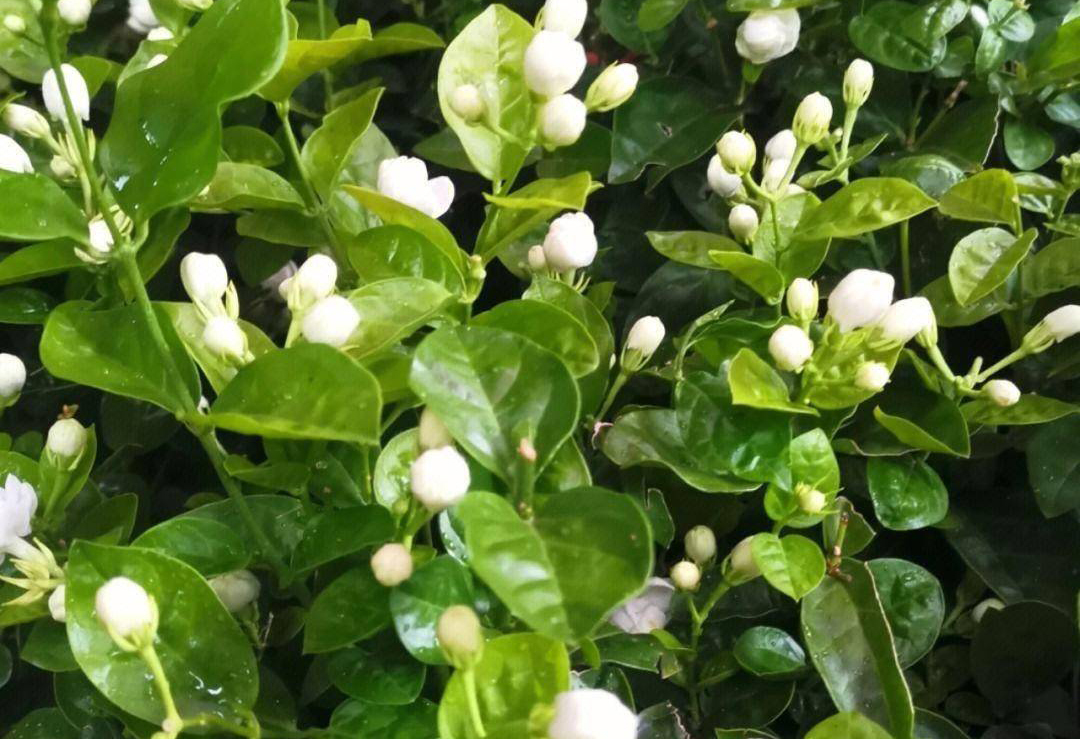
【Botanical source】: Jasminum sambac (L.) Aiton
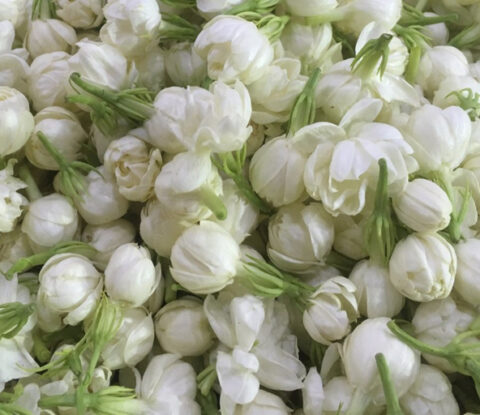
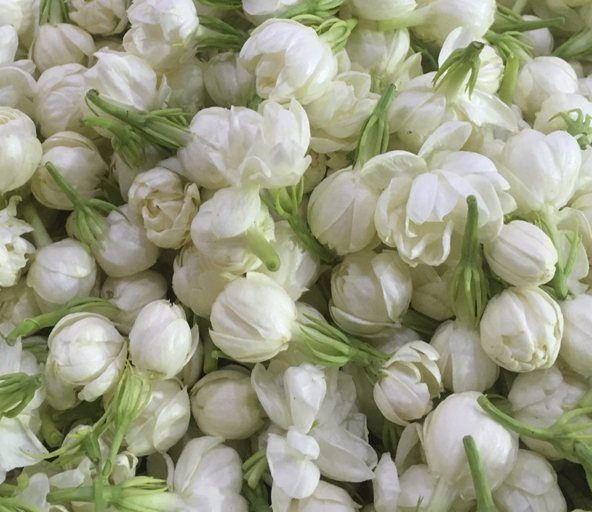
【Part used】: Flower
【Specification】: 10:1, 20:1, 50:1 TLC
【Extraction solvents】: Water
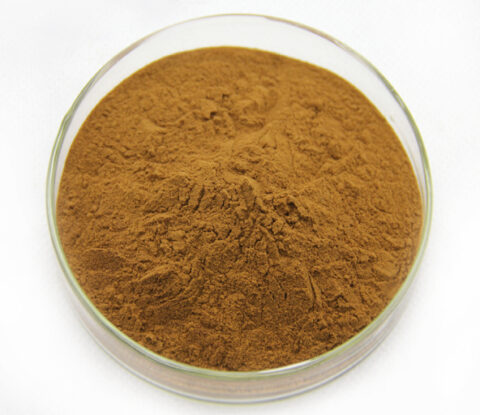
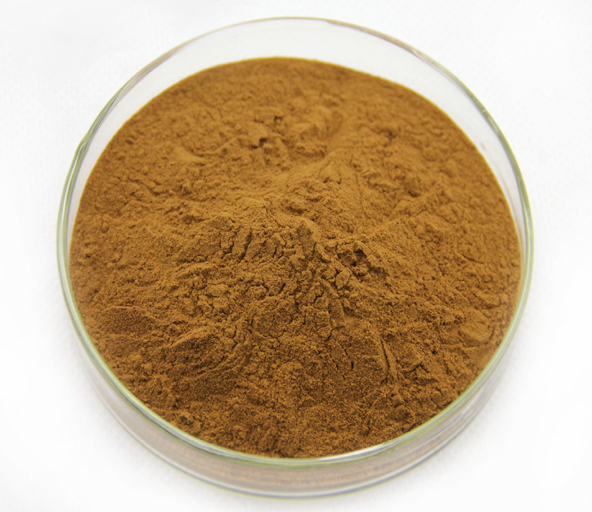
【Appearance】: Brownish fine powder
【Particle size】: 95% pass 80 mesh size
【Main ingredients】: Jasmine mainly contains volatile oils (such as methyl benzoate, linalool, indole), flavonoids, phenols, saponins, and various amino acids. Volatile oils endow it with a rich aroma, while flavonoids and phenolic substances provide physiological activity foundations such as antioxidant and anti-inflammatory properties, forming its unique flavor and health value.
【Storage conditions】:Store at room temperature in a sealed manner, away from light, and in a ventilated, cool, and dry environment.
【Shelf life】: 24 months from the production date.
Jasmine Extract Powder Production Flowchart
Jasmine raw materials -Coarse powder(40 mesh) -Low temperature water extraction – 1st Reflux Extraction(10 times water,2 Hrs) – 2nd Reflux Extraction8 times water,1.5 Hrs) – 3rd Reflux Extraction(6 times water,1 Hrs) – Extraction Solution-combine&Filtrate-Concentrate-Extractum-spray drying – screening – packaging – detection of physical and chemical indicators – warehousing
Specification Sheet of Jasmine Extract Powder
| Product name: | Jasmine Extract | ||
| Specification: | 10:1 TLC | ||
| Part used: | Dried flower of Jasminum sambac (L.) Aiton | ||
| Solvent used: | Water | ||
| Process: | Raw materials crushed, extracted, concentrated and spray-dried to powder | ||
| Non GMO according to regulation (EC) 1829/2003 and 1830/2003 or United States requirements. Non allergen according to Directive 2007/68 amending Annex IIIa to Directive 2000/13/EC and US Food allergen labelling and consumer protection act 2004. | |||
| Heavy Metals: | |||
| Lead: | NMT 3ppm | Cadmium: | NMT 1ppm |
| Arsenic: | NMT 2ppm | Mercury: | NMT 1ppm |
| Residual solvents: | Comply to USP | ||
| Pesticides residues: | Conform to Regulation USP<561> | ||
| Microbiology: | |||
| Total plate count: | 10000cfu/g Max | Yeasts and molds: | 1000cfu/g Max |
| E.coli: | Not detected in (g)10 | Salmonella spp.: | Not detected in (g)25 |
| Staphylococcus aureus: | Not detected in (g)10 | Clostridium spp.: | Not Present in 0.1 g of food |
| Organoleptic quality | Method | Specifications | |
| Aspect: | Visual : ( CQ-MO-148) | Powder | |
| Color: | Visual : ( CQ-MO-148) | Brownish | |
| Flavor: | Sensory: (CQ-MO-148) | Characteristic | |
| Analytical quality | Method | Specifications | |
| Identification: | TLC | Conform | |
| Loss on drying: | USP <731> | < 10% | |
| Bulk density: | USP <616> Method I | 40 – 60 g/100mL | |
| Particle size: | Analytical sieving || USP <786> | 100% through 80meshes | |
| Packaging suitable for foodstuff. | |||
Extended Reading
Modern Pharmacological Effects of Jasmine Extract
Modern research highlights that jasmine extract, particularly from Jasminum sambac and Jasminum grandiflorum, possesses a range of bioactive properties, primarily attributed to its volatile compounds (e.g., benzyl acetate, linalool), flavonoids, phenolics, and iridoid glycosides.
Key pharmacological effects include:
- Anxiolytic & Sedative: Inhalation or oral administration of jasmine extract or its key aromatic compounds demonstrates significant anxiolytic and sedative effects, modulating GABAergic and serotonergic systems, comparable to certain pharmaceuticals but with fewer side effects.
- Antioxidant & Anti-inflammatory: High phenolic content confers strong free radical scavenging activity, reducing oxidative stress and inhibiting pro-inflammatory mediators (e.g., TNF-α, IL-6, COX-2).
- Antimicrobial: Shows broad-spectrum activity against bacteria (e.g., E. coli, S. aureus), fungi, and viruses, linked to compounds like benzyl benzoate and phenolics.
- Anticancer Potential: Induces apoptosis and inhibits proliferation in various cancer cell lines (e.g., breast, lung, prostate) in vitro via pathways involving cell cycle arrest and ROS generation.
- Antidiabetic & Hypolipidemic: Improves insulin sensitivity, lowers blood glucose, and reduces serum cholesterol and triglycerides in animal models.
- Analgesic & Wound Healing: Exhibits peripheral and central analgesic properties and promotes wound contraction and epithelialization in topical applications.
- Neuroprotective: May protect against neurodegenerative damage by reducing oxidative stress in neural tissues.
References
- Kuroda, K., Inoue, N., Ito, Y., Kubota, K., Sugimoto, A., Kakuda, T., & Fushiki, T. (2005). Sedative effects of the jasmine tea odor and (R)-(−)-linalool, one of its major odor components, on autonomic nerve activity and mood states. European Journal of Applied Physiology, 95(2-3), 107-114.
- Bano, H., Jahan, N., Makbul, S. A. A., & Kumar, B. S. (2018). Antioxidant and anti-inflammatory activities of Jasminum sambac (L.) Aiton. Indian Journal of Experimental Biology, 56(12), 905-909.
- Al-Snafi, A. E. (2018). Chemical constituents, pharmacological and therapeutic effects of Jasminum grandiflorum–A review. IOSR Journal of Pharmacy, 8(7), 58-66.
- Tian, J., Liu, Y., & Chen, K. (2017). Jasmine (Jasminum sambac) Aroma: A Review of Its Chemical Composition, Biological Activities, and Product Development. Chemistry & Biodiversity, 14(12), e1700347.
- Singh, R., & Ali, A. (2015). Pharmacological and Phytochemical Review on Jasminum sambac (Linn.) Ait. International Journal of Pharmaceutical Sciences and Research, 6(5), 880-886.
Note: This summary is for informational purposes. It may interact with medications and is contraindicated in certain conditions. Consult a healthcare professional before therapeutic use, particularly regarding its estrogenic activity.