
Konjac Extract Powder 10:1, 20:1, 50:1 TLC

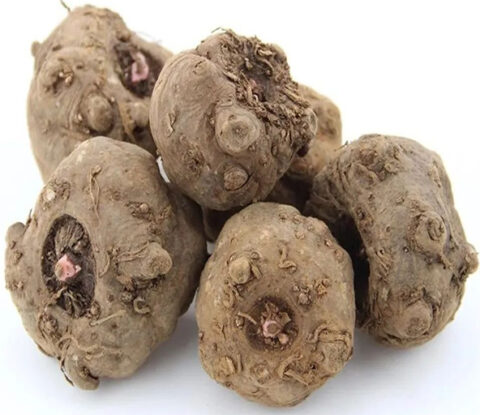


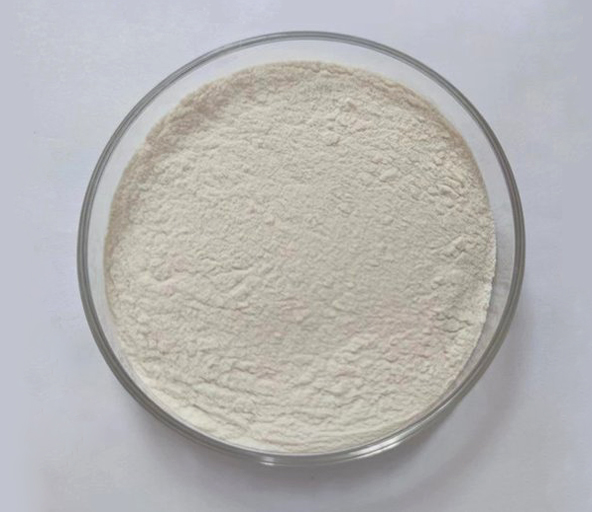
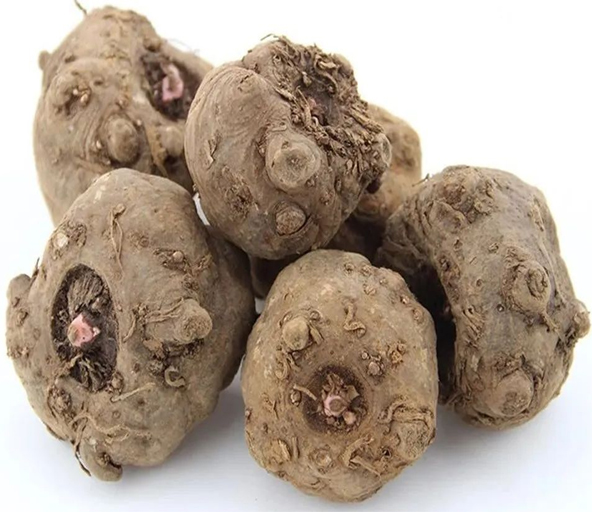
Glucomannan, the core active component of konjac extract, has strong hydrophilicity and gel properties, forming a high viscosity colloid. Its main pharmacological effects include: significantly delaying gastric emptying, increasing satiety, and assisting weight management; Reduce postprandial blood glucose and cholesterol levels; As a prebiotic, it promotes the growth of beneficial bacteria in the intestine and improves constipation. Attention should be paid to the interval between clinical application and oral medication.

Konjac Extract Powder 10:1, 20:1, 50:1 TLC
【Botanical source】: Amorphophallus konjac
【Part used】: Root
【Specification】: 10:1, 20:1, 50:1 TLC
【Extraction solvents】: Water
【Appearance】: Offwhite fine powder
【Particle size】: 95% pass 80 mesh size
【Main ingredients】: The main active ingredient of konjac is glucomannan, which is a high-quality soluble dietary fiber. In addition, it contains small amounts of starch, protein, alkaloids, and minerals. Glucomannan has extremely strong hydration and gel ability, and is the core component that endows konjac with high viscosity, high expansion and low heat properties.
【Storage conditions】:Store at room temperature in a sealed manner, away from light, and in a ventilated, cool, and dry environment.
【Shelf life】: 24 months from the production date
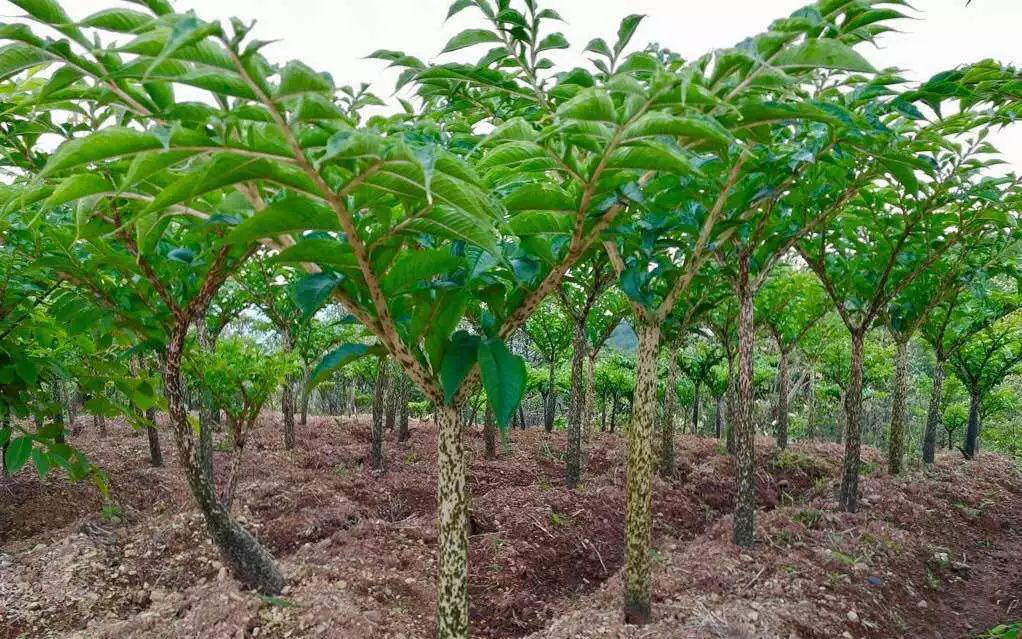
Konjac Extract Powder Production Flowchart
Konjac raw materials -Coarse powder(40 mesh) -Low temperature water extraction – 1st Reflux Extraction(10 times water,2 Hrs) – 2nd Reflux Extraction8 times water,1.5 Hrs) – 3rd Reflux Extraction(6 times water,1 Hrs) – Extraction Solution-combine&Filtrate-Concentrate-Extractum-spray drying – screening – packaging – detection of physical and chemical indicators – warehousing
Specification Sheet of Konjac Extract Powder
| Product name: | Konjac extract | ||
| Specification: | 10:1 TLC | ||
| Part used: | Root of Amorphophallus konjac | ||
| Solvent used: | Water | ||
| Process: | Raw materials crushed, extracted, concentrated and spray-dried to powder | ||
| Non GMO according to regulation (EC) 1829/2003 and 1830/2003 or United States requirements. Non allergen according to Directive 2007/68 amending Annex IIIa to Directive 2000/13/EC and US Food allergen labelling and consumer protection act 2004. | |||
| Heavy Metals: | |||
| Lead: | NMT 3ppm | Cadmium: | NMT 1ppm |
| Arsenic: | NMT 2ppm | Mercury: | NMT 1ppm |
| Residual solvents: | Comply to USP | ||
| Pesticides residues: | Conform to Regulation USP<561> | ||
| Microbiology: | |||
| Total plate count: | 10000cfu/g Max | Yeasts and molds: | 1000cfu/g Max |
| E.coli: | Not detected in (g)10 | Salmonella spp.: | Not detected in (g)25 |
| Staphylococcus aureus: | Not detected in (g)10 | Clostridium spp.: | Not Present in 0.1 g of food |
| Organoleptic quality | Method | Specifications | |
| Aspect: | Visual : ( CQ-MO-148) | Powder | |
| Color: | Visual : ( CQ-MO-148) | Offwhite | |
| Flavor: | Sensory: (CQ-MO-148) | Characteristic | |
| Analytical quality | Method | Specifications | |
| Identification: | TLC | Conform | |
| Loss on drying: | USP <731> | < 10% | |
| Bulk density: | USP <616> Method I | 40 – 60 g/100mL | |
| Particle size: | Analytical sieving || USP <786> | 100% through 80meshes | |
| Packaging suitable for foodstuff. | |||
Extended Reading
Modern Research on Konjac Extract Powder
Chemical Components
Konjac extract’s bioactivity is primarily attributed to konjac glucomannan (KGM), a high-molecular-weight, water-soluble dietary fiber polysaccharide. It is a linear copolymer of D-glucose and D-mannose in a molar ratio of approximately 1:1.6 to 1.4, linked by β-1,4-glycosidic bonds, with a low degree of acetylation. Minor components include starch, alkaloids, and trace minerals.
Health Benefits (Evidence-Based)
- Weight Management & Satiety: KGM absorbs up to 50 times its weight in water, forming a viscous gel that delays gastric emptying, promotes satiety, and reduces ad libitum food intake. Meta-analyses confirm its efficacy for modest weight loss.
- Glycemic & Cholesterol Control: The viscous gel modulates postprandial glucose and insulin response. It also binds to bile acids in the intestine, increasing their fecal excretion and stimulating hepatic cholesterol conversion to new bile acids, thereby lowering serum total and LDL cholesterol.
- Prebiotic & Gut Health: KGM is fermented by colonic microbiota (e.g., Bifidobacterium, Lactobacillus), producing short-chain fatty acids (SCFAs) like butyrate, which nourish colonocytes and improve gut barrier function. It also relieves constipation by increasing fecal bulk and moisture.
- Dermatological & Wound Healing (Topical): In skincare, KGM films provide intense, non-greasy hydration and form a protective barrier. Emerging research indicates it may accelerate wound healing by modulating inflammation and promoting fibroblast activity.
- Other Potential Benefits: Preclinical studies suggest antioxidant, anti-inflammatory, and immunomodulatory effects, though more human trials are needed.
Interactions & Contraindications
- Oral Medications: KGM can significantly delay and reduce the absorption of concurrently taken oral drugs (e.g., sulfonylureas, metformin, oral contraceptives, etc.). It is critical to take medications at least 2-4 hours apart from konjac supplements.
- Hypoglycemic/Antidiabetic Drugs: May have additive effects, increasing the risk of hypoglycemia.
- Contraindications: Individuals with esophageal or gastrointestinal tract narrowing, dysphagia, or major gastrointestinal surgery. It is also contraindicated in cases of known allergy.
Warnings & Side Effects
- Choking/Suffocation Hazard: Dry or inadequately hydrated konjac products (especially jelly candies) pose a severe risk of esophageal or intestinal obstruction. Many countries regulate their form.
- Gastrointestinal Effects: Initial consumption may cause bloating, flatulence, or diarrhea. It must be taken with ample water (e.g., 250 mL per 1 gram) to prevent gel formation in the throat or esophagus.
- Dosage: Typical effective dosages in studies range from 2-4 grams/day, divided before meals, and must be started gradually.
Applications
- Nutraceuticals & Functional Foods: Weight loss supplements (capsules, powders), low-calorie, high-fiber food ingredients (shirataki noodles), sugar-free gelling agents.
- Pharmaceutical Excipient: Used as a sustained-release matrix for drug delivery and a disintegrant in tablets.
- Cosmeceuticals: Moisturizing agent, thickener, and film-former in creams, masks, and lotions.
- Industrial Uses: Vegan food additive (thickener, stabilizer E425), edible films, biodegradable materials.
Key References
- Devaraj, R. D., et al. (2019). Bioactive Carbohydrates and Dietary Fibre. (A comprehensive review on KGM).
- Sood, N., et al. (2008). The American Journal of Clinical Nutrition. (Meta-analysis on effect on serum lipids).
- Onakpoya, I., et al. (2014). The American Journal of Clinical Nutrition. (Systematic review on body weight).
- Chen, H., et al. (2020). Carbohydrate Polymers. (Review on prebiotic and gut health properties).
- EFSA Panel on Food Additives and Nutrient Sources (2017). EFSA Journal. (Scientific opinion on safety as a food additive).
Disclaimer: This information is for educational purposes only and is not a substitute for professional medical advice, diagnosis, or treatment. Always consult your healthcare provider before beginning any new supplement regimen, especially if you have underlying health conditions or are taking medications.