
Lemon Fruit Extract Powder 10:1 TLC, Lemon Fruit Instant Powder
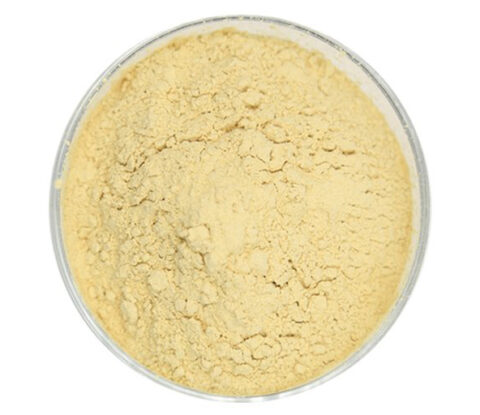
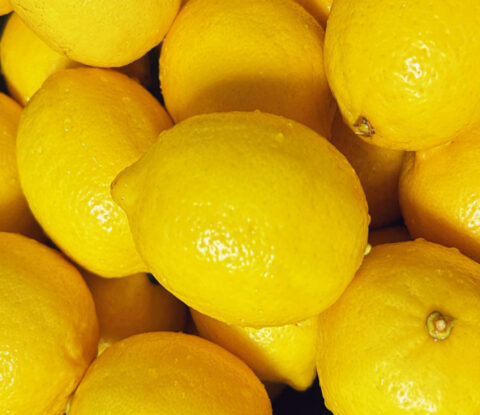


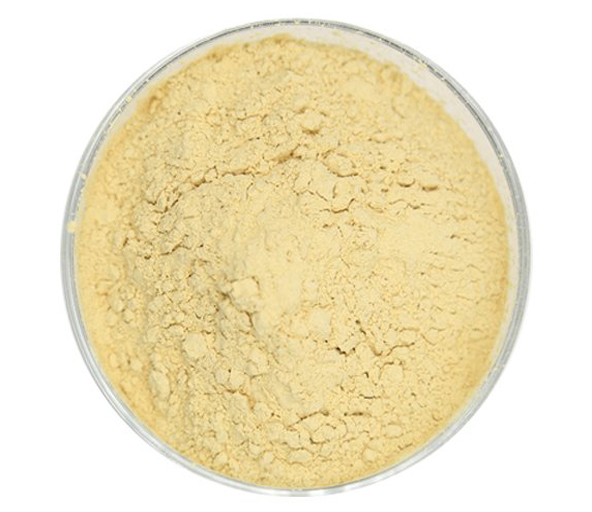
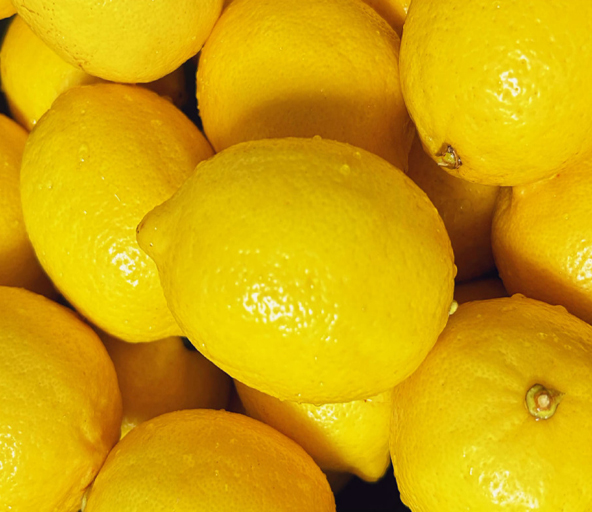
The citric acid and vitamin C contained in lemon instant powder can promote the secretion of digestive juices and aid digestion; Strong antioxidant properties, reducing cellular oxidative damage; The citrus flavonoids (such as hesperidin) contained in it help maintain vascular health and anti-inflammatory effects; And citric acid can increase the concentration of citrate in urine, assisting in the prevention of kidney stone formation.

Lemon Fruit Extract Powder 10:1 TLC, Lemon Fruit Instant Powder
【Botanica source】: Citrus limonia Osbeck or Citrus limon (L.) Burm. f.
【Part used】: Fruit
【Specification】: 10:1TLC, Lemon Fruit Instant Powder
【Extraction solvents】: Water
【Appearance】: Light yellow fine powder
【Particle size】: 95% pass 80 mesh size
【Main ingredients】: Lemon fruit pulp mainly contains water (about 89%), high concentration citric acid (about 5-6%), vitamin C, flavonoids (such as hesperidin and hesperidin), limonin, pectin, and a small amount of sugar (mainly fructose and glucose). Its sour taste and biological activity mainly come from organic acids and polyphenolic components.
【Storage conditions】:Store at room temperature in a sealed manner, away from light, and in a ventilated, cool, and dry environment.【Shelf life】: 24 months from the production date.
Lemon Fruit Extract Powder Production Flowchart
Lemon Fruit raw materials -Coarse powder(40 mesh) -Low temperature water extraction – 1st Reflux Extraction(10 times water,2 Hrs) – 2nd Reflux Extraction8 times water,1.5 Hrs) – 3rd Reflux Extraction(6 times water,1 Hrs) – Extraction Solution-combine&Filtrate-Concentrate-Extractum-spray drying – screening – packaging – detection of physical and chemical indicators – warehousing
Specification Sheet of Lemon Fruit Extract Powder
| Product name: | Lemon Fruit Extract | ||
| Specification: | 10:1 TLC | ||
| Part used: | Fruit of Citrus limon (L.) Burm. f. | ||
| Solvent used: | Water | ||
| Process: | Raw materials crushed, extracted, concentrated and spray-dried to powder | ||
| Non GMO according to regulation (EC) 1829/2003 and 1830/2003 or United States requirements. Non allergen according to Directive 2007/68 amending Annex IIIa to Directive 2000/13/EC and US Food allergen labelling and consumer protection act 2004. | |||
| Heavy Metals: | |||
| Lead: | NMT 3ppm | Cadmium: | NMT 1ppm |
| Arsenic: | NMT 2ppm | Mercury: | NMT 1ppm |
| Residual solvents: | Comply to USP | ||
| Pesticides residues: | Conform to Regulation USP<561> | ||
| Microbiology: | |||
| Total plate count: | 10000cfu/g Max | Yeasts and molds: | 1000cfu/g Max |
| E.coli: | Not detected in (g)10 | Salmonella spp.: | Not detected in (g)25 |
| Staphylococcus aureus: | Not detected in (g)10 | Clostridium spp.: | Not Present in 0.1 g of food |
| Organoleptic quality | Method | Specifications | |
| Aspect: | Visual : ( CQ-MO-148) | Powder | |
| Color: | Visual : ( CQ-MO-148) | Light yellow | |
| Flavor: | Sensory: (CQ-MO-148) | Characteristic | |
| Analytical quality | Method | Specifications | |
| Identification: | TLC | Conform | |
| Loss on drying: | USP <731> | < 10% | |
| Bulk density: | USP <616> Method I | 40 – 60 g/100mL | |
| Particle size: | Analytical sieving || USP <786> | 100% through 80meshes | |
| Packaging suitable for foodstuff. | |||
Extended Reading
Modern Pharmacological Effects of Lemon Instant Powder
Lemon instant powder, a dehydrated concentrate of lemon juice and/or pulp, retains key bioactive compounds and exhibits several evidence-based pharmacological effects:
- Antioxidant & Anti-inflammatory: Rich in vitamin C and flavonoids (e.g., hesperidin, eriocitrin), it demonstrates strong free radical scavenging activity, reducing oxidative stress and markers of inflammation.
- Cardiometabolic Protection: Its flavonoids improve endothelial function, enhance nitric oxide (NO) bioavailability, and can help lower blood pressure and LDL-cholesterol oxidation, reducing atherosclerosis risk. Studies also indicate potential for improving insulin sensitivity.
- Renal Protection & Anti-urolithiasis: Citrate and other organic acids in lemon powder increase urinary pH and citrate excretion, effectively inhibiting calcium oxalate crystal formation, which helps prevent kidney stones.
- Antimicrobial & Detoxification Support: The organic acids (especially citric acid) and flavonoids exhibit antibacterial properties. Vitamin C and flavonoids support phase I/II liver detoxification enzymes, aiding in toxin metabolism.
- Digestive Aid & Weight Management: Citric acid stimulates digestion. The polyphenols and fiber (if pulp is included) may modestly modulate lipid metabolism and promote satiety.
References
- González-Molina, E., Domínguez-Perles, R., Moreno, D. A., & García-Viguera, C. (2010). Natural bioactive compounds of Citrus limon for food and health. Journal of Pharmaceutical and Biomedical Analysis, 51(2), 327-345.
- Assini, J. M., Mulvihill, E. E., & Huff, M. W. (2013). Citrus flavonoids and lipid metabolism. Current Opinion in Lipidology, 24(1), 34-40.
- Penniston, K. L., Nakada, S. Y., Holmes, R. P., & Assimos, D. G. (2008). Quantitative assessment of citric acid in lemon juice, lime juice, and commercially-available fruit juice products. Journal of Endourology, 22(3), 567-570.
- Raimondo, S., Naselli, F., Fontana, S., Monteleone, F., Lo Dico, A., Saieva, L., … & Alessandro, R. (2015). Citrus limon-derived nanovesicles inhibit cancer cell proliferation and suppress CML xenograft growth by inducing TRAIL-mediated cell death. Oncotarget, 6(23), 19514.
- Yoo, S., Kim, K., Park, H., & Kim, M. H. (2022). Effects of lemon (Citrus limon) intake on cardiometabolic health: A systematic review and meta-analysis. Phytotherapy Research, 36(9), 3427-3442.
Note: This summary is for informational purposes. It may interact with medications and is contraindicated in certain conditions. Consult a healthcare professional before therapeutic use, particularly regarding its estrogenic activity.