
Loquat Leaf Extract Powder 10:1, 20:1, 50:1 TLC, Ursolic Acid 25%, Crosotic Acid 10%, 20% HPLC


Loquat leaf extract has anti carcinogenic and anti angiogenic effects, can inhibit tumor cell proliferation and induce apoptosis. Experiments have shown that it can enhance macrophage phagocytic function, regulate cardiovascular disease, and has potential value in lowering blood lipids and improving coronary circulation.

Loquat Leaf Extract Powder 10:1, 20:1, 50:1 TLC, Ursolic Acid 25%, Crosotic Acid 10%, 20% HPLC
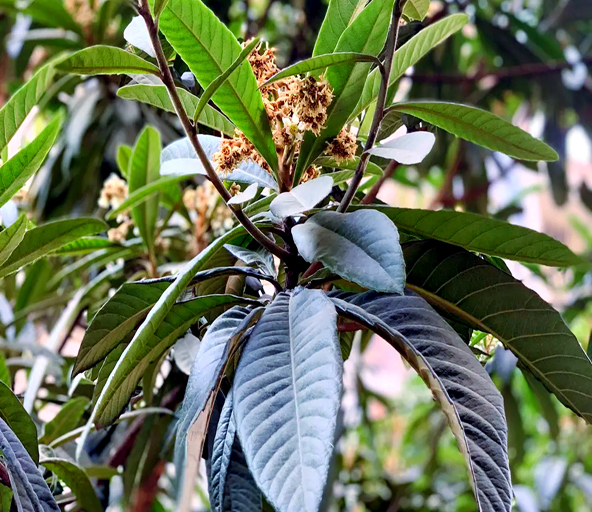
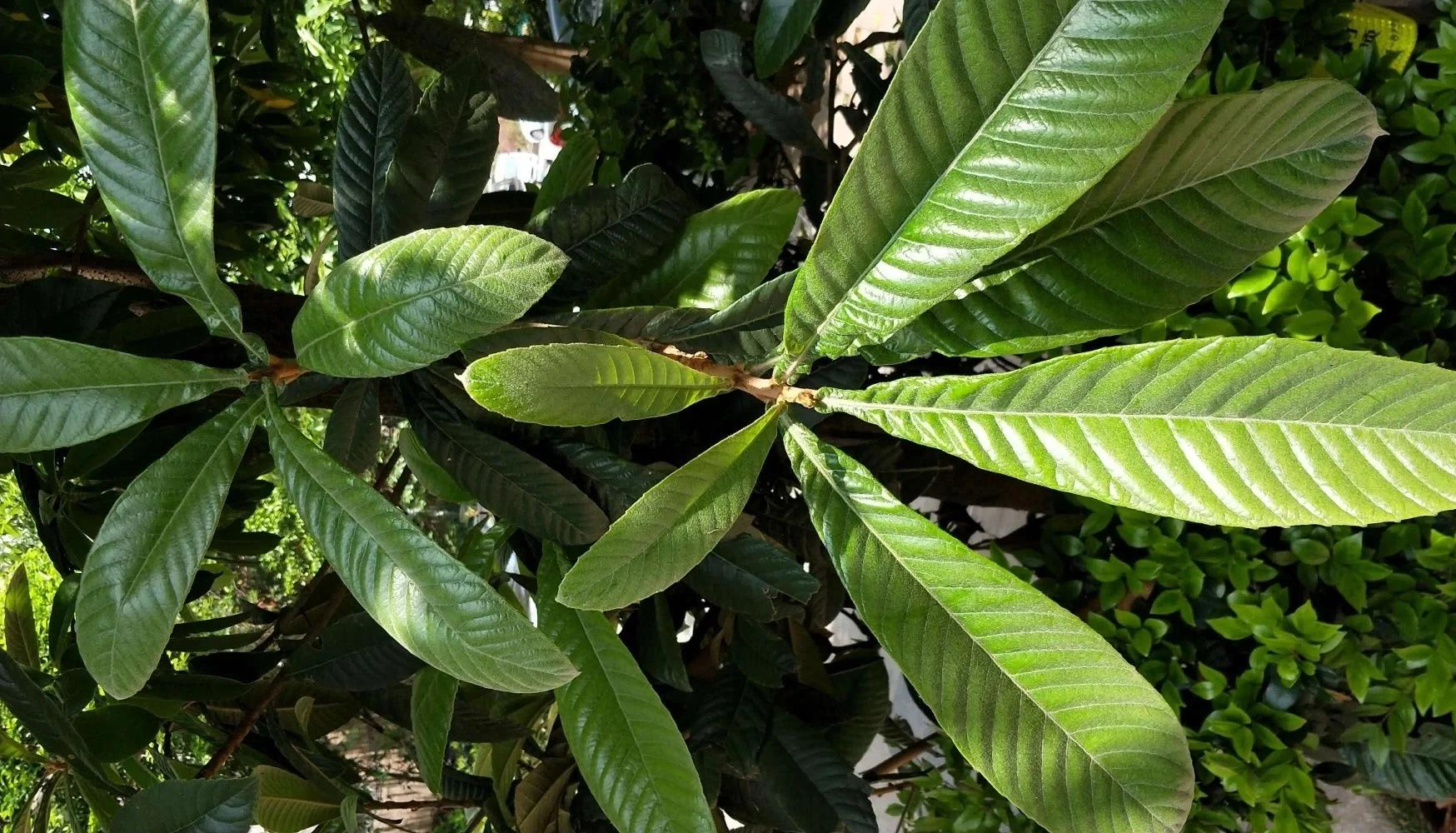
【Botanical source】: Eriobotrya japonica (Thunb.) Lindl
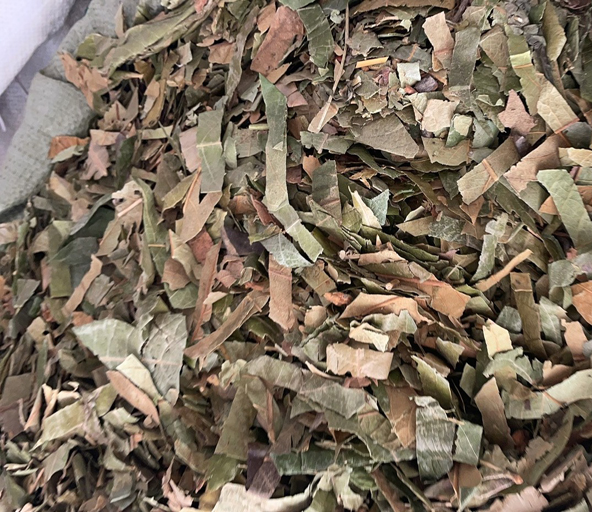
【Part used】: Leaves of plants in the Ligustrum genus of the Oleaceae family or the Loquat genus of the Rosaceae family.
【Specification】: 10:1, 20:1, 50:1 TLC, Ursolic Acid 25%, Crosotic Acid 10%, 20% HPLC
【Extraction solvents】: Water
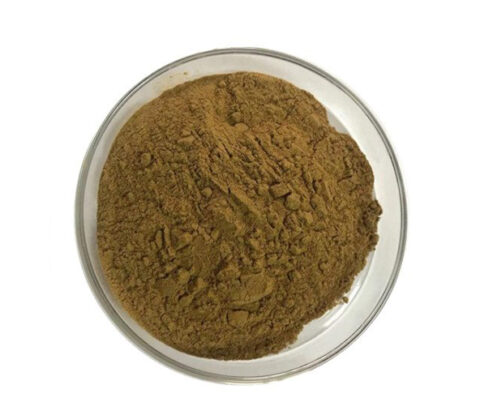
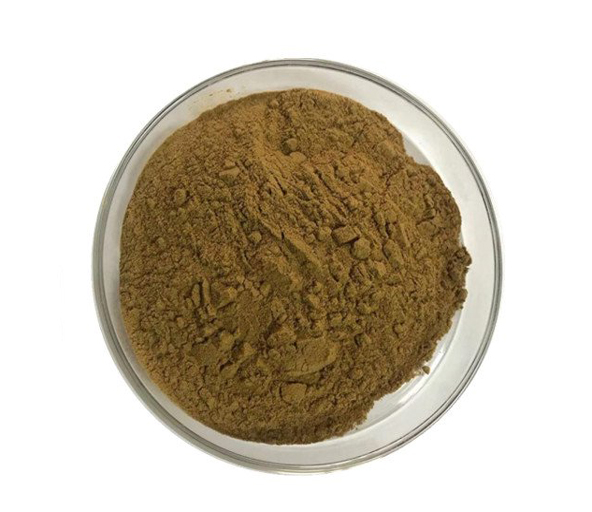
【Appearance】: Brownish yellow fine powder
【Particle size】: 95% pass 80 mesh size
【Main ingredients】: Loquat leaf extract contains triterpenoid compounds such as ursolic acid and flavonoids. This substance is insoluble in water but soluble in ethanol, and contains various components such as volatile oils (nerolidol, farnesol, etc.), amygdalin, vitamins, etc.
【Storage conditions】:Store at room temperature in a sealed manner, away from light, and in a ventilated, cool, and dry environment.
【Shelf life】: 24 months from the production date
Loquat Leaf Extract Powder Production Flowchart
Loquat Leaf materials -Coarse powder(40 mesh) -Low temperature water extraction – 1st Reflux Extraction(10 times water,2 Hrs) – 2nd Reflux Extraction8 times water,1.5 Hrs) – 3rd Reflux Extraction(6 times water,1 Hrs) – Extraction Solution-combine&Filtrate-Concentrate-Extractum-spray drying – screening – packaging – detection of physical and chemical indicators – warehousing
Specification Sheet of Loquat Leaf Extract Powder
| Product name: | Loquat Leaf Extract | ||
| Specification: | 10:1 TLC | ||
| Part used: | Leaves of Eriobotrya japonica (Thunb.) Lindl | ||
| Solvent used: | Water | ||
| Process: | Raw materials crushed, extracted, concentrated and spray-dried to powder | ||
| Non GMO according to regulation (EC) 1829/2003 and 1830/2003 or United States requirements. Non allergen according to Directive 2007/68 amending Annex IIIa to Directive 2000/13/EC and US Food allergen labelling and consumer protection act 2004. | |||
| Heavy Metals: | |||
| Lead: | NMT 3ppm | Cadmium: | NMT 1ppm |
| Arsenic: | NMT 2ppm | Mercury: | NMT 1ppm |
| Residual solvents: | Comply to USP | ||
| Pesticides residues: | Conform to Regulation USP<561> | ||
| Microbiology: | |||
| Total plate count: | 10000cfu/g Max | Yeasts and molds: | 1000cfu/g Max |
| E.coli: | Not detected in (g)10 | Salmonella spp.: | Not detected in (g)25 |
| Staphylococcus aureus: | Not detected in (g)10 | Clostridium spp.: | Not Present in 0.1 g of food |
| Organoleptic quality | Method | Specifications | |
| Aspect: | Visual : ( CQ-MO-148) | Powder | |
| Color: | Visual : ( CQ-MO-148) | Brownish | |
| Flavor: | Sensory: (CQ-MO-148) | Characteristic | |
| Analytical quality | Method | Specifications | |
| Identification: | TLC | Conform | |
| Loss on drying: | USP <731> | < 10% | |
| Bulk density: | USP <616> Method I | 40 – 60 g/100mL | |
| Particle size: | Analytical sieving || USP <786> | 100% through 80meshes | |
| Packaging suitable for foodstuff. | |||
Extended Reading
Modern Pharmacological Research on Loquat Leaf Extract (Eriobotrya japonica)
Loquat leaf (Eriobotrya japonica Lindl.) is a rich source of bioactive compounds with a long history in traditional medicine, especially in East Asia. Modern pharmacological research has focused on isolating and characterizing its active constituents and validating its diverse therapeutic potentials.
Key Bioactive Constituents
The primary active compounds are responsible for its pharmacological effects:
- Triterpenes: Ursolic acid, oleanolic acid, corosolic acid, and euscaphic acid.
- Megastigmane Glycosides: Loquatoside, eriobotosides.
- Flavonoids: Quercetin, kaempferol, and their glycosides.
- Phenolic Acids: Chlorogenic acid, caffeic acid, ferulic acid.
- Sesquiterpene Glycosides: Tormentic acid derivatives.
- Polysaccharides.
Pharmacological Activities & Mechanisms
- Antidiabetic and Hypoglycemic Activity
This is the most extensively researched area.
- Mechanisms:
- Insulin Sensitization: Corosolic acid and other triterpenes enhance glucose uptake in muscle and adipose cells by activating the PI3K/Akt pathway and promoting GLUT4 translocation.
- Alpha-Glucosidase Inhibition: Polyphenolic compounds inhibit intestinal α-glucosidase, reducing postprandial blood glucose spikes.
- Hepatic Glucose Metabolism: Modulates key enzymes (e.g., PEPCK, G6Pase) to suppress hepatic gluconeogenesis.
- Pancreatic β-cell Protection: Reduces oxidative stress and inflammation in β-cells, improving insulin secretion.
- Evidence: Multiple animal models of type 2 diabetes show significant reductions in fasting blood glucose, HbA1c, and insulin resistance. Human clinical trials support its use as an adjuvant therapy.
- Anti-inflammatory and Analgesic Effects
- Mechanisms: Potently inhibits pro-inflammatory mediators. Key pathways include:
- Downregulation of NF-κB and MAPK signaling.
- Suppression of COX-2, iNOS, TNF-α, IL-1β, and IL-6.
- Evidence: Effective in animal models of carrageenan-induced paw edema, LPS-induced inflammation, and rheumatoid arthritis. The analgesic effect is linked to central and peripheral pathways.
- Antioxidant Activity
- Mechanisms: Direct free radical scavenging (DPPH, ABTS assays) and upregulation of endogenous antioxidant enzymes (SOD, CAT, GSH-Px) via the Nrf2/ARE pathway.
- Evidence: Protects against oxidative damage in models of liver injury, neurotoxicity, and skin damage induced by UV radiation.
- Anticancer Potential
An emerging area of interest, primarily through in vitro and animal studies.
- Mechanisms:
- Apoptosis Induction: Activates caspase cascades and modulates Bcl-2 family proteins.
- Cell Cycle Arrest: Induces arrest at G0/G1 or G2/M phases.
- Anti-metastasis: Inhibits MMP-2 and MMP-9, reducing cell migration and invasion.
- Anti-angiogenesis: Suppresses VEGF signaling.
- Evidence: Shows cytotoxic activity against various human cancer cell lines, including lung, breast, colon, and oral cancers. Ursolic acid is a major contributor.
- Hepatoprotective Effects
- Mechanisms: Combats hepatotoxicity through anti-inflammatory, antioxidant, and anti-fibrotic actions. Inhibits hepatic stellate cell activation.
- Evidence: Significantly protects against liver damage induced by carbon tetrachloride (CCl₄), alcohol, and D-galactosamine in rodents.
- Respiratory System Benefits
Aligns with its traditional use for cough and bronchitis.
- Mechanisms:
- Antitussive & Expectorant: Reduces cough frequency and thins respiratory mucus.
- Anti-asthmatic: Suppresses airway inflammation and hyperresponsiveness.
- Evidence: Animal models of asthma and chemically-induced cough demonstrate bronchodilatory and anti-inflammatory effects.
- Skin Health and Anti-aging
- Mechanisms:
- Anti-melanogenic: Inhibits tyrosinase activity, reducing melanin production (potential for hyperpigmentation disorders).
- Anti-photoaging: Protects skin fibroblasts from UV-induced damage by counteracting collagen degradation and MMP activation.
- Evidence: Widely used in cosmetics; supported by in vitro and clinical studies on skin hydration and elasticity.
- Antimicrobial and Antiviral Activity
- Evidence: Exhibits broad-spectrum activity against bacteria (e.g., Staphylococcus aureus, Porphyromonas gingivalis) and viruses (e.g., influenza virus, HSV). The effect is attributed to phenolic acids and flavonoids.
Safety and Toxicology
Loquat leaf extract is generally considered safe at recommended doses. However:
- Amygdalin Content: Fresh leaves contain trace amounts of cyanogenic glycosides (amygdalin), which can release cyanide. Proper processing (heating, drying, prolonged storage) significantly degrades these compounds, making commercial extracts safe.
- Drug Interactions: Potential additive effects with antidiabetic and antihypertensive medications, requiring blood glucose and blood pressure monitoring.
- Pregnancy/Lactation: Insufficient safety data; traditional use advises caution.
Conclusion
Modern research robustly supports the traditional uses of loquat leaf extract, particularly for diabetes management, inflammation, and oxidative stress-related conditions. Its multifaceted pharmacological profile stems from the synergistic action of triterpenes, phenolics, and flavonoids. While preclinical data are strong, further large-scale, rigorous human clinical trials are needed to standardize dosages and confirm long-term efficacy for specific therapeutic applications. The extract holds significant promise as a source for developing nutraceuticals and complementary therapeutic agents.
References
- Chen, J., et al. (2008). “Antidiabetic and antioxidant activities of loquat (Eriobotrya japonica) leaf extracts.” Journal of Agricultural and Food Chemistry, 56(19), 8886-8891.
- Li, W., et al. (2016). “Eriobotrya japonica leaf triterpenoid acids ameliorate metabolic syndrome in C57BL/6J mice fed with high-fat diet.” Biomedicine & Pharmacotherapy, 84, 1001-1008.
- Hong, Y., et al. (2008). “Anti-inflammatory activity of the torments acid from Eriobotrya japonica leaves.” Biological & Pharmaceutical Bulletin, 31(3), 593-597.
- Ito, H., et al. (2002). “Antitumor activity of compounds isolated from leaves of Eriobotrya japonica.” Journal of Agricultural and Food Chemistry, 50(8), 2400-2403.
- Kim, M. J., et al. (2011). “Eriobotrya japonica leaf extract suppresses oxidative stress and inflammatory responses in monocytes and endothelial cells.” Journal of Medicinal Food, 14(7-8), 698-705.
- Lee, C. H., et al. (2012). “Hepatoprotective effect of loquat leaf extract in rats with carbon tetrachloride-induced hepatic injury.” Journal of Food Biochemistry, 36(3), 369-376.
- Onishi, E., et al. (2018). “Loquat leaf extract inhibits melanogenesis through down-regulation of MITF and tyrosinase expression.” Journal of Dermatological Science, 91(3), 309-311.
- Nishioka, Y., et al. (2002). “Antitussive effects of loquat leaf extract in guinea pigs.” Japanese Journal of Pharmacology, 88(3), 323-328.
- Tanaka, K., et al. (2012). “Hypoglycemic effect of Eriobotrya japonica seeds in type 2 diabetic rats and mice.” Journal of Functional Foods, 4(1), 238-244.
- Zhou, C., et al. (2011). “Antioxidant and antiproliferative activities of loquat (Eriobotrya japonica Lindl.) leaves.” Journal of Integrative Plant Biology, 53(6), 475-485.
Note: This summary is for informational purposes. It may interact with medications and is contraindicated in certain conditions. Consult a healthcare professional before therapeutic use, particularly regarding its estrogenic activity.