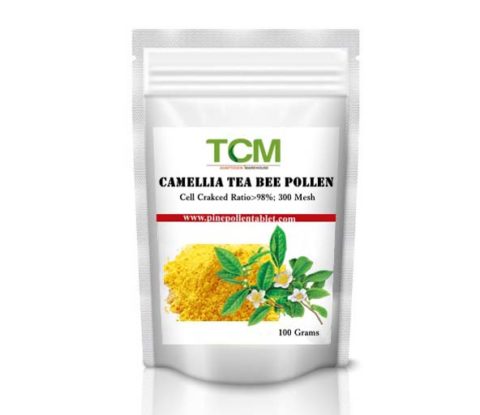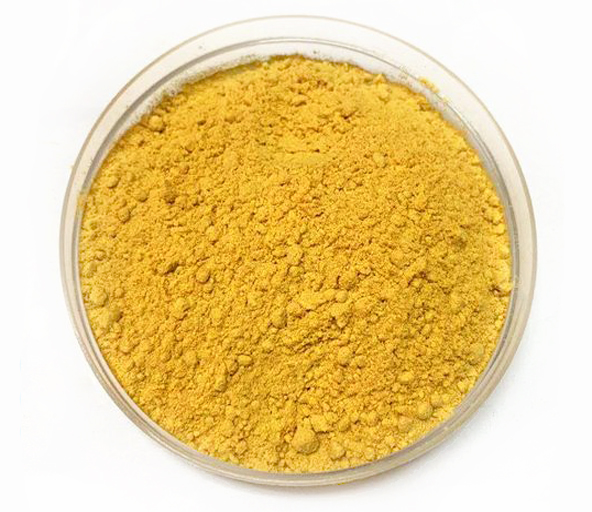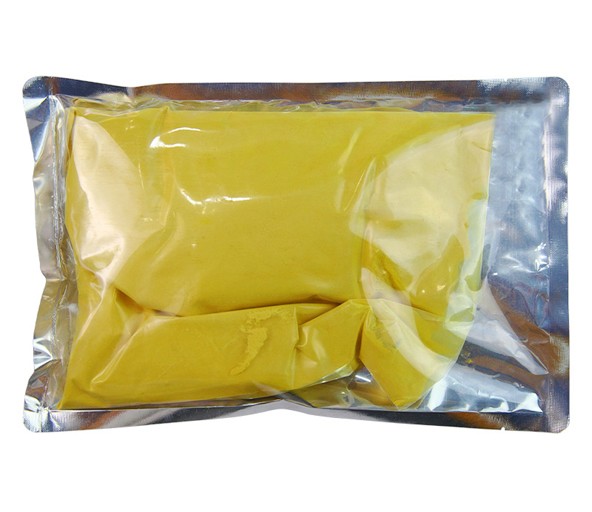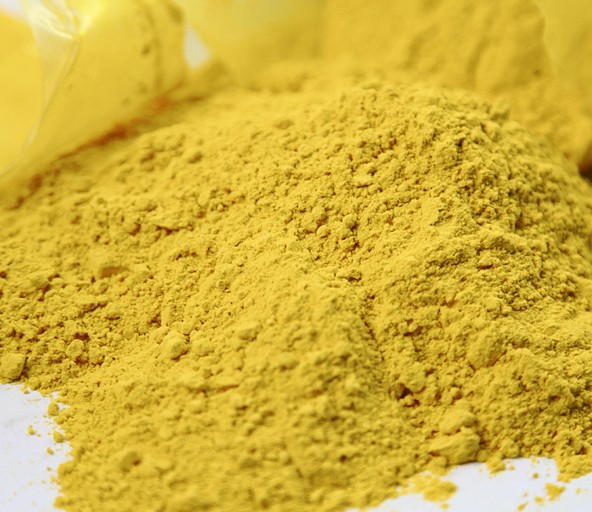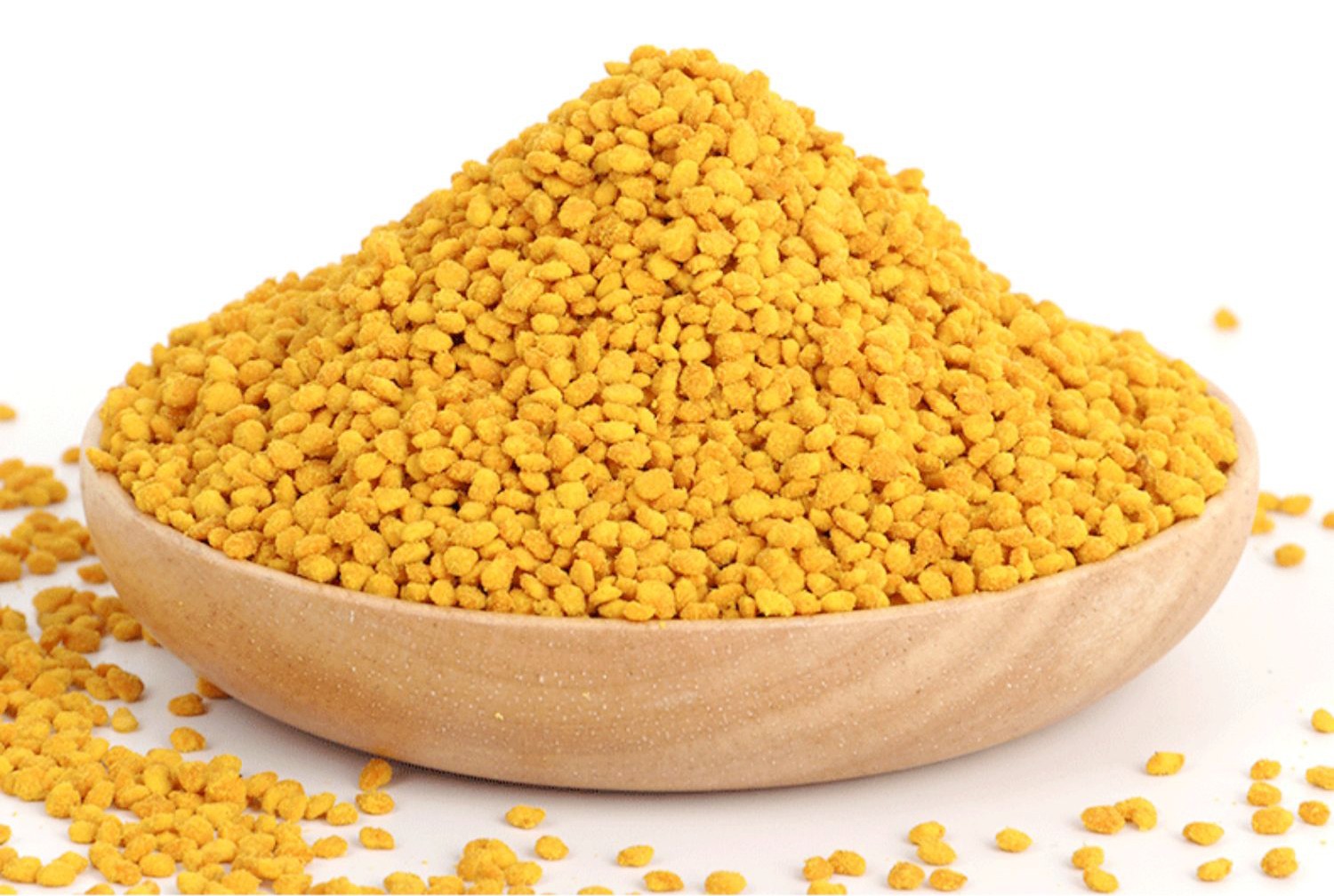
Lotus Bee Pollen Powder, Cell wall cracked ratio>98%, protein>15%, 120 mesh
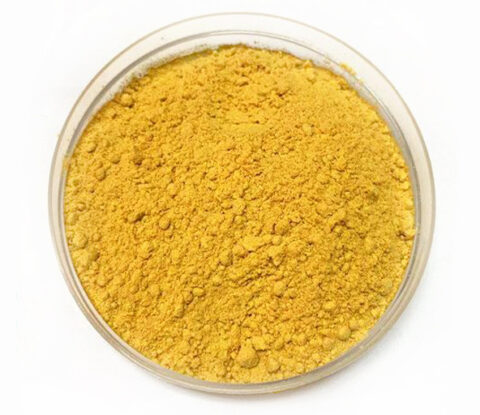
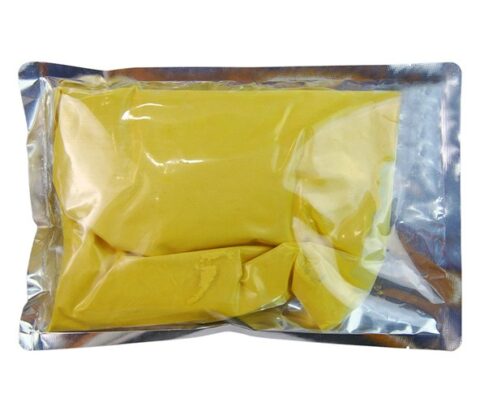
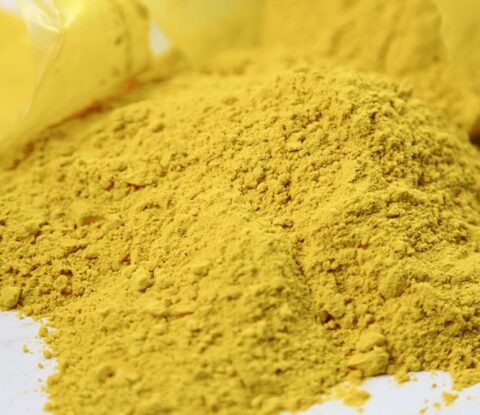
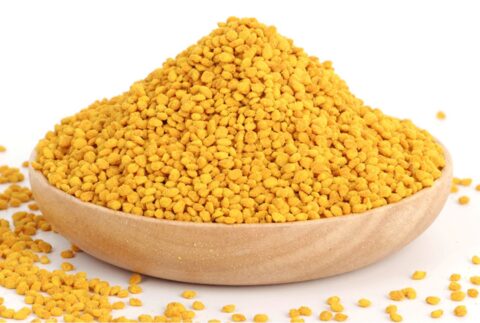


Lotus bee pollen powder is rich in flavonoids and polyphenols, with strong antioxidant properties that help delay aging and enhance immunity. Its unique nutritional components can regulate endocrine function, improve sleep, and nourish and moisturize the skin, earning it the title of a "versatile" natural nutritional supplement.

Lotus Bee Pollen Powder, Cell wall cracked ratio>98%, protein>15%, 120 mesh
【Botanical source】: Nelumbo nucifera Gaertn.
【Part used】: Pollen
【Specification】: Cell wall cracked ratio>98%, protein>15%, 120 mesh
【Appearance】: Light yellow fine powder
【Particle size】: 95% pass 80 mesh size
【Main ingredients】: The main components of lotus bee pollen powder are protein (over 15%), various amino acids, sugars, and vitamins (especially rich in B group) C、E). Its core active substances include high levels of flavonoids (such as quercetin), phenolic acids, plant sterols, and abundant minerals (such as zinc and selenium), with high overall nutritional value and easy absorption.
【Storage conditions】:Store at room temperature in a sealed manner, away from light, and in a ventilated, cool, and dry environment.
【Shelf life】: 24 months from the production date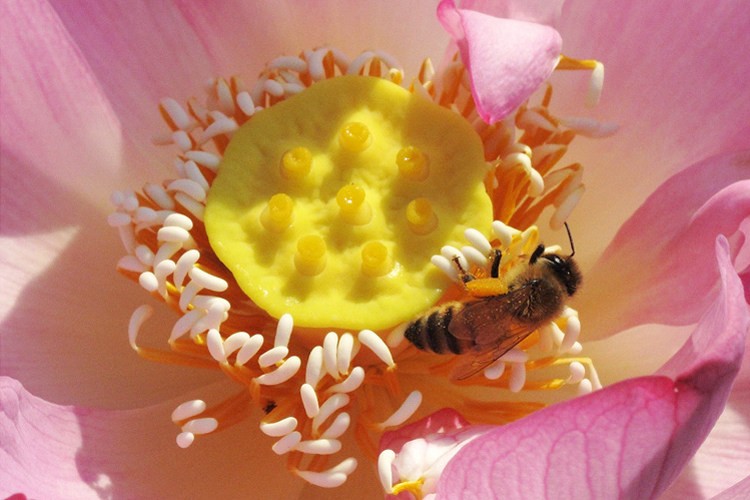
Lotus Bee Pollen Powder Production Flowchart
Screen the impurities–Breaking the cell wall by high-speed airflow cell cracking technology–Detection of physicochemical index–Sterilization–Pass through 300 mesh sieve–Packing
Specification Sheet of Lotus Bee Pollen Powder
| Product name: | Lotus bee pollen powder | ||
| Specification: | Cell wall cracked ratio>98%, protein>15% | ||
| Part used: | Pollen of Nelumbo nucifera Gaertn. | ||
| Process: | The raw materials are screened, crushed, sterilized, and packaged into powder | ||
| Non GMO according to regulation (EC) 1829/2003 and 1830/2003 or United States requirements. Non allergen according to Directive 2007/68 amending Annex IIIa to Directive 2000/13/EC and US Food allergen labelling and consumer protection act 2004. | |||
| Heavy Metals: | |||
| Lead: | NMT 3ppm | Cadmium: | NMT 1ppm |
| Arsenic: | NMT 2ppm | Mercury: | NMT 1ppm |
| Residual solvents: | Comply to USP | ||
| Pesticides residues: | Conform to Regulation USP<561> | ||
| Microbiology: | |||
| Total plate count: | 10000cfu/g Max | Yeasts and molds: | 1000cfu/g Max |
| E.coli: | Not detected in (g)10 | Salmonella spp.: | Not detected in (g)25 |
| Staphylococcus aureus: | Not detected in (g)10 | Clostridium spp.: | Not Present in 0.1 g of food |
| Organoleptic quality | Method | Specifications | |
| Aspect: | Visual : ( CQ-MO-148) | Powder | |
| Color: | Visual : ( CQ-MO-148) | Light yellow | |
| Flavor: | Sensory: (CQ-MO-148) | Characteristic | |
| Analytical quality | Method | Specifications | |
| Identification: | TLC | Conform | |
| Loss on drying: | USP <731> | < 10% | |
| Bulk density: | USP <616> Method I | 40 – 60 g/100mL | |
| Particle size: | Analytical sieving || USP <786> | 100% through 80meshes | |
| Packaging suitable for foodstuff. | |||
Extended Reading
Analysis of Nutrient Composition of Lotus Bee Pollen Powder
Zhou Yangang, Jia Jianping, Sun Lihu
(Institute of Health Food, Zhejiang Academy of Medical Sciences, Hangzhou, Zhejiang 310012)
Abstract: The nutritional composition of lotus bee pollen powder was analyzed. The results showed that the protein content of lotus bee pollen was 15.79%, and the amino acid content was 14.79%. Among them, the eight essential amino acids accounted for 39.34% of the total, the total sugar 41.45%, reducing sugar 38.80%, fat 4.93%, and minerals 3.92%,The contents of potassium, calcium, magnesium, chromium, phosphorus, germanium, manganese and zinc in trace elements are 11553.00, 1539.00, 3522.00, 2.85, 3789.34, 1.64,33.97, 1.66 mg/kg, in addition, it also contains vitamins and alkaloids.
CLC No.: S 896.4 Document Identification Code: A Article No.: 1003 – 9139 (2007) 04 – 00006 – 02
Lotus bee pollen powder is a new type of pollen developed in recent years in China. With its unique fragrance of lotus leaves, sweet taste and golden appearance, it has attracted the attention of consumers. Lotus bee pollen has become a new star in the bee product family, but there are few reports on the nutritional composition analysis of lotus bee pollen. Therefore, we have carried out a comprehensive analysis of the nutritional components of lotus bee pollen, which provides a scientific basis for the development and utilization of lotus bee pollen powder.
1. Materials and methods
1.1, Materials, reagents and instruments
Lotus bee pollen powder is purchased from the market and produced in Jiangxi. The purity of the pollen is more than 90% after inspection. Ether, ethanol, potassium sulfate, copper sulfate, sodium hydroxide, glucose, potassium sodium tartrate, nitric acid, perchloric acid, hydrogen peroxide, petroleum ether, acetone, anhydrous sodium sulfate, methyl red, bromocresol green and other reagents are analytical pure.
AL204 electronic balance (0.000 1g), oven, muffle, electric thermostatic water bath, Kjeldahl nitrogen analyzer, Soxhlet fat extractor, UNICO UV – 2100 spectrophotometer, centrifuge, 835 – 50 Hitachi amino acid automatic analyzer, GC – 9A gas chromatography, IRIS Imtres plasma emission spectrometer, high performance liquid chromatography, microwave digestion and sample dissolution instrument, etc.
Index determination method
Determination of moisture content: according to GB/T5009.3, 105 ℃ atmospheric drying method. Ash content determination: according to GB/T5009.4, 560 ℃ high temperature burning oxidation method. Determination of protein: according to GB/T5009.5, Kjeldahl method (N × 6.25). Determination of fat: according to GB/T5009.6, Soxhlet extraction method. Determination of total sugar and reducing sugar: Fehling’s method is adopted. The sample is extracted to a constant volume of 100 mL by ultrasonic extraction with water, shaken up and filtered, and the filtrate is taken to directly determine reducing sugar. Take another filtrate, add 5 mL of 6 N hydrochloric acid and hydrolyze at 70 ℃ for 15 min, add alkali to neutralize and filter at constant volume, take the filtrate to determine the total sugar. Element determination: the sample adopts nitrate Acid and hydrogen peroxide were digested under microwave high pressure and determined by IRIS Imtres plasma emission spectrometer. Amino acid determination: After acid hydrolysis and filtration, the sample is determined by 835-50 Hitachi Amino Acid Analyzer. Fatty acid determination: The sample was extracted with Soxhlet extractor and analyzed with GC-9A gas chromatograph. Determination of vitamins: determined by high performance liquid chromatography. Determination of total carotene: add petroleum ether acetone (1:0.5) to the sample for grinding, extraction and filtration. Combine the filtrate in the separating funnel. Add distilled water for separation and extraction. Discard the water layer. Leave the ether layer solution to be treated with anhydrous sodium sulfate and measure the absorbance at 451 nm, and calculate the content of total carotene in the sample. Determination of alkaloids: add water to the sample and homogenize it in a cell homogenizer. After 15 min of ultrasonic extraction, add water to a constant volume of 100 mL, mix and centrifuge to take 2 mL of the supernatant, and add 0.012 5% thymol blue pH
7.6 Add 10 mL of buffer solution, extract with 10 mL of chloroform, measure the absorbance at 420 nm, and prepare a standard curve with small alkali hydrochloride as the reference to calculate the alkaloid content in the sample.
2, Results and discussion
2.1, Result
2.1.1, See Table 1 for the general nutrient composition analysis results of lotus bee pollen powder
Table 1: Nutritional Composition of Lotus Bee Pollen powder
| Protein | 15.79% | Reducing sugar | 38.80% | Total sugar | 41.45% |
| Ash | 3.92% | Fat | 4.93% | Carbohydrate | 64.1 6% |
2.1.2, See Table 2 for element analysis results of lotus bee pollen powder
Table 2 Element Analysis Results of Lotus Bee Pollen mg/kg
| K | 1 1 553.00 | Na | 244.00 | Ca | 1 539.00 | Mg | 3 522.00 |
| Cr | 2.85 | P | 3 789.34 | Ge | 1 .64 | Zn | 1 .80 |
| Mn | 33.97 | Mo | 0.07 | Fe | 22.1 7 | Cu | 1 .66 |
| As | 0.1 8 | Pb | 0.45 | Hg | 0.07 |
2.1.3, See Table 3 for amino acid analysis results of lotus bee pollen powder
Table 3 Amino Acid Analysis Results of Lotus Bee Pollen (g/100g)
| amino acid | content | amino acid | content |
| aspartic acid | 2.0278 | *methionine | 0.2261 |
| *threonine | 0.8040 | *isoleucine | 0.7922 |
| serine | 0.7943 | *leucine | 1 .2462 |
| glutamate | 2.1 473 | tyrosine | 0.5341 |
| glycine | 0.7502 | *phenylalanine | 0.721 0 |
| alanine | 0.9333 | *lysine | 0.9455 |
| cystine | 0.2023 | histidine | 0.3769 |
| *Valine | 0.8860 | proline | 0.4328 |
| arginine | 0.7741 | *tryptophane | 0.1 975 |
Total amino acid: 14.7916 Essential amino acid: 5.8158 EAA/AA: 39.34%
Note: “*” is an essential amino acid
2.1.4, The fatty acid analysis results of lotus bee pollen powder are shown in Table 4
Table 4 Fatty Acid Analysis Results of Lotus Bee Pollen powder (mg/g)
| fatty acid | content | percentage |
| Myristic acid (C1 4:0) | 1 .560 | 0.790% |
| Tetradecanoic acid (C1 4:1) | 1 .089 | 0.570% |
| Tetradecadienoic acid (C1 4:2) | 0.1 1 6 | 0.061 % |
| Tetradecatrienoic acid (C1 4:3) | 0.093 | 0.049% |
| Palmitic acid (C1 6:0) | 1 02.535 | 53.950% |
| Palmitoleic acid (C1 6:1) | 1 .641 | 0.860% |
| Hexadecadienoic acid (C1 6:2) | 4.729 | 2.490% |
| Cetacotrienic acid (C1 6:3) | 0.304 | 0.1 60% |
| Stearic acid (C1 8:0) | 5.749 | 3.030% |
| Oleic acid (C1 8:1) | 33.806 | 1 7.780% |
| Linoleic acid (C1 8:2) | 0.481 | 0.250% |
| Linolenic acid (C1 8 ∶ 3) | 24.678 | 1 2.990% |
| Arachidic acid (C20 ∶ 0) | 0.898 | 0.470% |
| Arachidonic acid (C20:1) | 0.850 | 0.440% |
| Arachidonic acid (C20 ∶ 2) | 2.601 | 1 .370% |
| Arachidonic acid (C20 ∶ 3) | 0.261 | 0.1 40% |
| Eicosapentaenoic acid (C20:5) | 2.1 09 | 1 .1 1 0% |
| Docosamonoenoic acid (C22 ∶ 1) | 0.325 | 0.1 70% |
| Docosadienoic acid (C22 ∶ 2) | 0.477 | 0.250% |
| Docosatriaenoic acid (C22 ∶ 3) | 0.939 | 0.490% |
| Docosatetraenoic acid (C22 ∶ 4) | 2.1 65 | 1 .1 30% |
| Docosapentaenoic acid (C22 ∶ 5) | 2.687 | 1 .420% |
2.1.5, See Table 5 for vitamin analysis results of lotus bee pollen powder
Table 5 Vitamin Analysis Results of Lotus Bee Pollen powder (mg/100g)
| vitamin | content | vitamin | content |
| Vitamin C | 31 .97 | Vitamin A | 1 7.28 |
| Vitamin B1 | 2.1 7 | Vitamin D | 2.41 |
| Vitamin B2 | 3.54 | Vitamin E | 90.21 |
| Vitamin B6 | 8.21 |
2.1.6, See Table 6 for the comparison of nutritional components between lotus bee pollen powder and other bee pollen powder
Table 6 Comparison of Nutritional Components of Lotus Bee Pollen and Other Bee Pollen powder (%)
Total amount of reducing sugar, protein, fat and amino acid of pollen varieties
| Pollen varieties | Reducing sugar | Protein | Fat | Amino acid |
| Lotus flower pollen | 38.80 | 1 5.79 | 4.93 | 1 5.08 |
| Brassica flower pollen | 22.74 | 28.63 | 6.57 | 20.83 |
| Buckwheat flower pollen | 43.00 | 1 7.1 4 | 4.85 | 1 1 .73 |
| Corn flower pollen | 36.55 | 1 9.73 | 3.45 | 1 5.03 |
| Sunflower flower pollen | 41 .76 | 1 7.94 | 2.80 | 1 1 .73 |
| Tea flower pollen | 27.72 | 29.1 8 | 2.34 | 23.1 0 |
| Waxberry flower pollen | 21 .88 | 23.46 | 4.73 | 28.04 |
2.2, Discussion
The analysis results show that the general nutrient composition of lotus bee pollen powder is basically the same as that of other bee pollen [1-2]. From the perspective of nutrition, protein and amino acid are important components of food nutrition. The protein content of lotus pollen is 15.79%, and the total amount of amino acids is 14.79%, of which the essential amino acids account for 39.34%. The composition ratio of amino acids is close to the FAO model, which has high nutritional value. The results of 15 mineral elements measured show that lotus pollen is significantly different from other bee pollen. The contents of potassium, calcium, magnesium, phosphorus and chromium are very rich, which are significantly higher than those of corn, buckwheat, sunflower and sweet potato pollen [3~4], some of which are several times higher. These elements are of great significance to our body’s metabolism, life activities and health. In particular, the lotus bee pollen contains a high content of germanium, 1.6 mg/kg, which is not shared by all bee pollens. At present, there is no comprehensive report on the content of germanium in various bee pollens. Germanium is a trace element with high biological activity, which can promote the hematopoietic function of the body and enhance immunity It plays a certain role in preventing cancer.
The fat content of lotus bee pollen powder is significantly higher than that of corn, buckwheat and sunflower pollen. The fatty acid analysis results are mainly palmitic acid, tetradecanoic acid, arachidic acid, oleic acid, linoleic acid, linolenic acid, eicosenoic acid and docosaenoic acid, among which unsaturated fatty acid accounts for 42%, linoleic acid and linolenic acid account for 13.24%. Linoleic acid and linolenic acid can regulate blood lipids and prevent atherosclerosis, reduce the content of plasma cholesterol, triglycerides, low-density lipoprotein and very low-density lipoprotein, increase the content of high-density lipoprotein, and combine with cholesterol to generate fat that is easy to operate, metabolize and drain, change the distribution of cholesterol in the body, reduce the deposition of lipid in the vascular wall, and improve and protect the function of the vascular wall. The vitamin determination results show that the lotus bee pollen contains water-soluble vitamins and fat soluble vitamins. Among the fat soluble vitamins, the content of vitamin E is the highest. Zhao Xinhe and others have conducted an antioxidant study on the lotus bee pollen extract, confirming the antioxidant role of lotus bee pollen [5], which may be closely related to the content of vitamin E. The carotene content of lotus pollen is 25.2 mg/100g. Carotene is the precursor of vitamin A. Vitamin A is an element of many physiological processes, such as vision, growth, bone and tooth development, and skin tissue to maintain health. The measured content of alkaloids in lotus pollen is 26.2 mg/100 g, and alkaloids are one of the active components of lotus pollen. Huangergen et al. have studied the role of lotus leaf alkaloids in regulating blood lipids, and the results show that alkaloids have a very significant role in regulating triglycerides in blood lipids [6]. From the perspective of food safety, we determined the arsenic, lead and mercury limit elements in lotus bee pollen, and the results met the national food hygiene requirements.
Lotus root, as economic plants, are planted in various provinces in southern China, mainly for processing lotus root powder, collecting lotus seeds, or eating as vegetables. During the lotus root flowering season, bee farmers in Jiangsu and Zhejiang can collect a large amount of lotus bee pollen powder. According to the composition analysis results of lotus bee pollen, we can process lotus pollen into food or health food, which will be fully developed and utilized, and will certainly produce huge economic and social benefits.
Reference:
[1] Su Shouqi. Chemical Composition of Bee Pollen powder [J] Beekeeping in China, 2005, 56 (9): 42 – 43
[2]Su Songkun, Chen Shenglu, Lin Xuezhen, et al. Determination of nutritional components of tea pollen [J] Beekeeping in China, 2000, 51, (2): 34 – 35
[3]Zhang Huiyun, Jia Suju. Comparative study on nutritional components of maize pollen and bee pollen [J]
Qilu Medical Information, 1 991, (4): 7 – 9
[4]Zhao Xiuying, Zhang Hongli. Comparison of main nutrient components of three bee pollens [J] Research and Development of Natural Products, 1 992,4 (2): 79 – 83
[5]Zhao Xinhe. Antioxidation of extracts from rape and lotus bee pollen powder [J] Applied Chemistry, 2005, 34 (8): 500 – 502
[6]Huang Argen, Shi Hongfei, Wei Hong, et al. Comparison of purification of flavonoids and alkaloids from lotus leaves and their effects on regulating blood lipids [J] Journal of Cooking, Yangzhou University, 2006, (3): 23-25