
Lotus Root Extract Powder 10:1, 20:1, 50:1 TLC
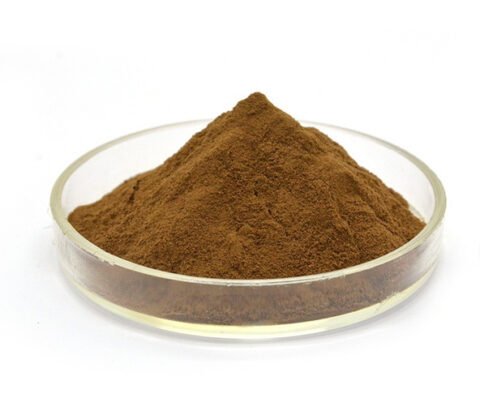
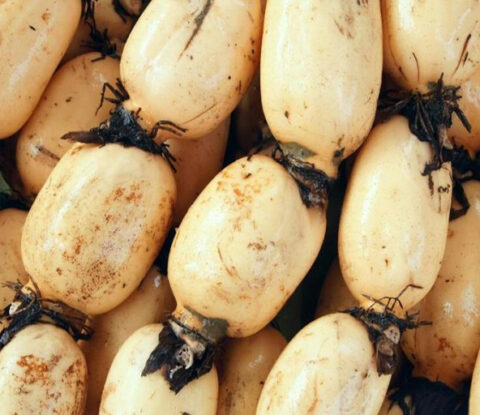


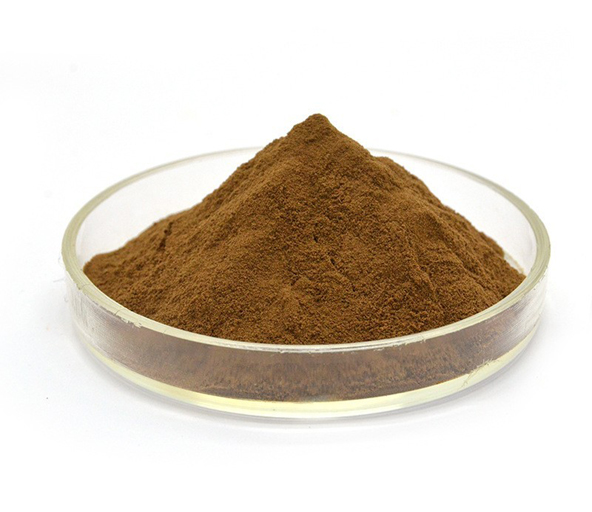
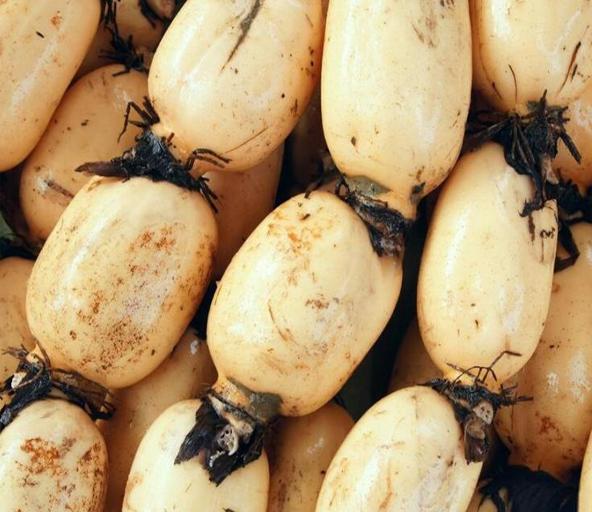
Lotus root extract has multiple pharmacological effects: its polysaccharide components can enhance immunity and resist viruses; Polyphenols and flavonoids provide strong antioxidant and anti-inflammatory effects, protecting tissues from oxidative damage; Can inhibit carbohydrate digestive enzymes and help regulate blood sugar and blood lipids; Has a protective effect on chemical liver injury; The viscous fibers and polysaccharides contained in it help protect the gastric mucosa and promote the growth of probiotics.

Lotus Root Extract Powder 10:1, 20:1, 50:1 TLC
【Botanical source】: Nelumbo nucifera
【Part used】: Root
【Specification】: 10:1, 20:1, 50:1 TLC
【Extraction solvents】: Water
【Appearance】: Brownish yellow fine powder
【Particle size】: 95% pass 80 mesh size
【Main ingredients】: Lotus root is mainly composed of starch, dietary fiber, vitamin C, minerals (such as potassium and iron), and polyphenols.
Main benefits: Raw food can clear heat, cool blood, and relieve irritability and thirst; Cooked food can invigorate the spleen, stimulate appetite, promote blood circulation, and stop diarrhea. Its mucin protein and dietary fiber help promote digestion and maintain intestinal health.
【Storage conditions】:Store at room temperature in a sealed manner, away from light, and in a ventilated, cool, and dry environment.
【Shelf life】: 24 months from the production date
Lotus root Extract Powder Production Flowchart
Lotus root raw materials -Coarse powder(40 mesh) -Low temperature water extraction – 1st Reflux Extraction(10 times water,2 Hrs) – 2nd Reflux Extraction8 times water,1.5 Hrs) – 3rd Reflux Extraction(6 times water,1 Hrs) – Extraction Solution-combine&Filtrate-Concentrate-Extractum-spray drying – screening – packaging – detection of physical and chemical indicators – warehousing
Specification Sheet of Lotus Root Extract Powder
| Product name: | Lotus Root Extract | ||
| Specification: | 10:1 TLC | ||
| Part used: | Root of Nelumbo nucifera | ||
| Solvent used: | Water | ||
| Process: | Raw materials crushed, extracted, concentrated and spray-dried to powder | ||
| Non GMO according to regulation (EC) 1829/2003 and 1830/2003 or United States requirements. Non allergen according to Directive 2007/68 amending Annex IIIa to Directive 2000/13/EC and US Food allergen labelling and consumer protection act 2004. | |||
| Heavy Metals: | |||
| Lead: | NMT 3ppm | Cadmium: | NMT 1ppm |
| Arsenic: | NMT 2ppm | Mercury: | NMT 1ppm |
| Residual solvents: | Comply to USP | ||
| Pesticides residues: | Conform to Regulation USP<561> | ||
| Microbiology: | |||
| Total plate count: | 10000cfu/g Max | Yeasts and molds: | 1000cfu/g Max |
| E.coli: | Not detected in (g)10 | Salmonella spp.: | Not detected in (g)25 |
| Staphylococcus aureus: | Not detected in (g)10 | Clostridium spp.: | Not Present in 0.1 g of food |
| Organoleptic quality | Method | Specifications | |
| Aspect: | Visual : ( CQ-MO-148) | Powder | |
| Color: | Visual : ( CQ-MO-148) | Brownish yellow | |
| Flavor: | Sensory: (CQ-MO-148) | Characteristic | |
| Analytical quality | Method | Specifications | |
| Identification: | TLC | Conform | |
| Loss on drying: | USP <731> | < 10% | |
| Bulk density: | USP <616> Method I | 40 – 60 g/100mL | |
| Particle size: | Analytical sieving || USP <786> | 100% through 80meshes | |
| Packaging suitable for foodstuff. | |||
Extended Reading
Modern Pharmacological Effects of Lotus Root Extract
Lotus root (Nelumbo nucifera Gaertn.) extract, derived from the edible rhizome, is a rich source of bioactive compounds, including polysaccharides (notably arabinogalactans), polyphenols (such as catechin, gallic acid), flavonoids, vitamins, and minerals. Modern pharmacological research has identified a diverse range of therapeutic properties, supporting its traditional use and highlighting its potential as a functional food ingredient.
Key Pharmacological Effects:
- Immunomodulatory & Antiviral: The water-soluble polysaccharides, particularly acidic arabinogalactan, are potent immunostimulants. They enhance macrophage phagocytosis, promote lymphocyte proliferation, and increase cytokine production. These polysaccharides also exhibit direct antiviral activity against viruses like herpes simplex virus (HSV) and influenza virus by inhibiting viral attachment and entry.
- Antioxidant & Anti-inflammatory: The polyphenol and flavonoid content confers strong free radical scavenging ability, reducing oxidative stress. This activity underlies its anti-inflammatory effects, which involve the downregulation of pro-inflammatory mediators (e.g., TNF-α, IL-6, PGE2, NO) via inhibition of the NF-κB and MAPK signaling pathways.
- Metabolic Regulation & Anti-diabetic: Lotus root extract demonstrates anti-hyperglycemic effects by inhibiting carbohydrate-digesting enzymes (α-amylase, α-glucosidase), slowing glucose absorption. It also improves insulin sensitivity and protects pancreatic β-cells from oxidative damage. Furthermore, it modulates lipid metabolism, helping to reduce serum triglycerides and cholesterol.
- Hepatoprotective: The extract protects the liver from chemical- or toxin-induced injury. It significantly lowers elevated serum markers of liver damage (ALT, AST, ALP) and reduces hepatic lipid peroxidation while enhancing the activity of endogenous antioxidant enzymes (SOD, CAT, GSH). This is primarily attributed to its antioxidative constituents.
- Gastroprotective & Prebiotic: The mucilaginous fiber and polysaccharides have a soothing effect on the gastrointestinal mucosa, offering protection against ulcers. Furthermore, the non-digestible polysaccharides act as prebiotics, promoting the growth of beneficial gut bacteria like Lactobacillus and Bifidobacterium spp., thereby improving gut health and function.
- Anticancer Potential: Emerging in vitro and in vivo studies suggest antiproliferative and pro-apoptotic effects against various cancer cell lines, including colon, breast, and lung cancers. Proposed mechanisms include cell cycle arrest, induction of apoptosis via mitochondrial pathways, and inhibition of cancer cell migration and invasion.
- Cardiovascular Protection: By combining antioxidant, anti-inflammatory, and lipid-lowering actions, lotus root extract contributes to cardiovascular health. It helps prevent the oxidation of LDL-cholesterol, a key step in atherosclerosis, and may support healthy blood pressure levels.
Conclusion
Lotus root extract is a multifaceted natural product with scientifically validated pharmacological effects centered on immune enhancement, metabolic regulation, and organ protection. Its dual role as a nutritious food and a source of therapeutic compounds makes it a promising candidate for the development of nutraceuticals and functional foods aimed at preventing chronic, lifestyle-related diseases.
References
- Huang, B., Ban, X., He, J., Tong, J., Tian, J., & Wang, Y. (2010). Hepatoprotective and antioxidant activity of ethanolic extracts of edible lotus (Nelumbo nucifera Gaertn.) leaves. Food Chemistry, 120(3), 873-878.
- Kaur, A., Kaur, P. K., Singh, B., & Singh, R. (2021). Lotus (Nelumbo nucifera Gaertn.): A review on its ethnobotany, phytochemistry and pharmacology. Journal of Ethnopharmacology, 280, 114451.
- Kim, M. J., Shin, H. S., & Lee, J. H. (2015). Antioxidant and antiproliferative activities of different solvent extracts from lotus (Nelumbo nucifera) rhizome. Preventive Nutrition and Food Science, 20(2), 148-154.
- Liu, S., Li, D., Huang, B., Chen, Y., Lu, X., & Wang, Y. (2013). Inhibition of pancreatic lipase, α-glucosidase, α-amylase, and hypolipidemic effects of the total flavonoids from Nelumbo nucifera leaves. Journal of Ethnopharmacology, 149(1), 263-269.
- Mukherjee, D., Khatua, T. N., Venkatesh, P., Saha, B. P., & Mukherjee, P. K. (2010). Immunomodulatory potential of rhizome and seed extracts of Nelumbo nucifera Gaertn. Journal of Ethnopharmacology, 128(2), 490-494.
- Sharma, B. R., Kim, H. J., & Rhyu, D. Y. (2015). Nelumbo nucifera leaf extract attenuated pancreatic β-cells toxicity induced by streptozotocin and increased glucose uptake in adipocytes. Bioscience, Biotechnology, and Biochemistry, 79(4), 535-543.
- Sohn, D. H., Kim, Y. C., Oh, S. H., Park, E. J., Li, X., & Lee, B. H. (2003). Hepatoprotective and free radical scavenging effects of Nelumbo nucifera. Phytomedicine, 10(2-3), 165-169.
- You, J. S., Lee, Y. J., Kim, K. S., Kim, S. H., & Chang, K. J. (2014). Anti-obesity and hypolipidaemic effects of lotus root hot water extract with taurine supplementation in rats fed a high fat diet. Journal of Biomedical Science, 21(1), 64.
Note: This summary is for informational purposes. It may interact with medications and is contraindicated in certain conditions. Consult a healthcare professional before therapeutic use, particularly regarding its estrogenic activity.