
Mango Fruit Extract Powder 10:1 TLC, Mango Instant Powder
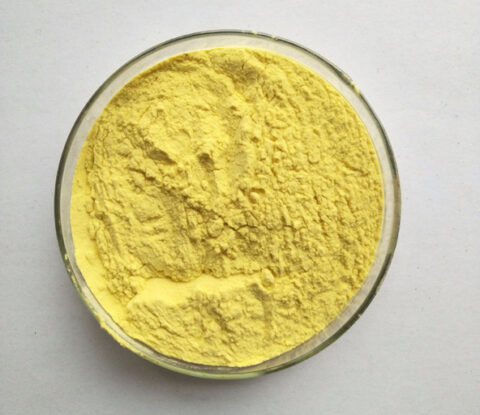
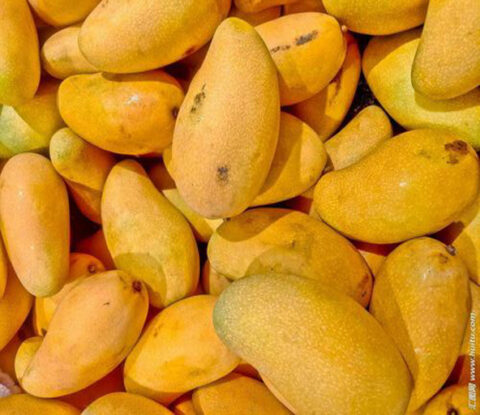


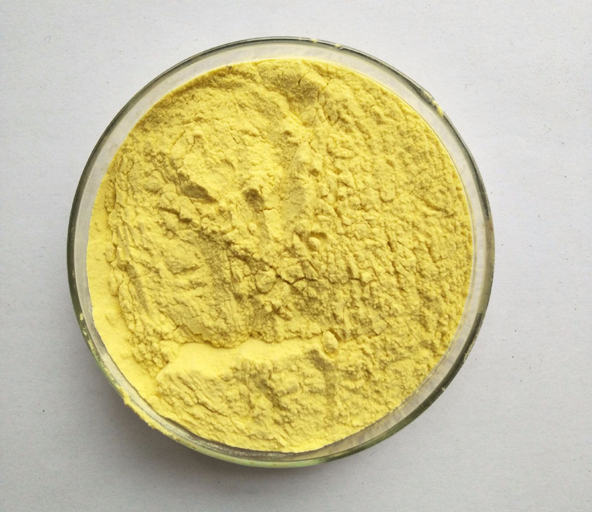
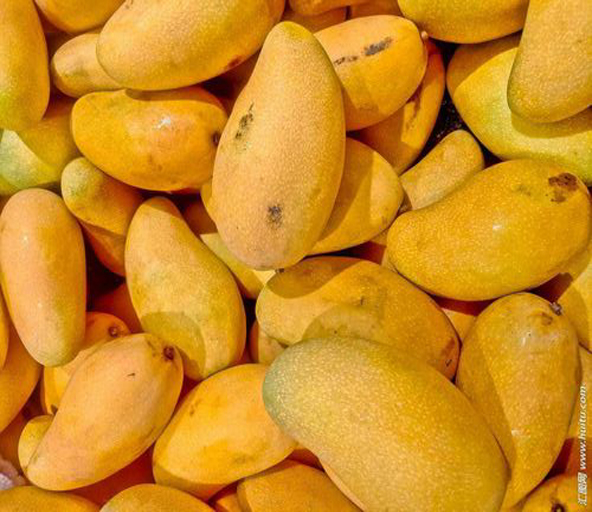
Mango instant powder is rich in mangiferin, polyphenols, and vitamins, which have strong antioxidant and anti-inflammatory activities, helping to enhance immunity. Its dietary fiber components can regulate gut microbiota, promote digestion, and assist in regulating blood glucose and lipid metabolism. In addition, it has positive benefits for skin health and vision protection, and is a convenient natural source of nutritional supplements.

Mango Fruit Extract Powder 10:1, 20:1, 50:1 TLC, Mango Instant Powder
【Botanical source】: Mangifera indica L.
【Part used】: Fruit
【Specification】: 10:1 TLC, Mango instant powder
【Extraction solvents】: Water
【Appearance】: Light yellow fine powder
【Particle size】: 95% pass 80 mesh size
【Main ingredients】: Mango is rich in vitamins (A, C), minerals (potassium, magnesium), dietary fiber, and active ingredients such as mangiferin and polyphenols. Its core benefits are: strong antioxidant and anti-inflammatory abilities, which help enhance immunity; Rich beta carotene and vitamins can maintain vision and skin health; The dietary fiber and digestive enzymes contained can promote intestinal peristalsis and aid digestion; In addition, studies have shown that its active ingredients also have potential for metabolic regulation and cell protection.
【Storage conditions】:Store at room temperature in a sealed manner, away from light, and in a ventilated, cool, and dry environment.
【Shelf life】: 24 months from the production date
Mango Fruit Extract Powder Production Flowchart
Mango Fruit raw materials -Coarse powder(40 mesh) -Low temperature water extraction – 1st Reflux Extraction(10 times water,2 Hrs) – 2nd Reflux Extraction8 times water,1.5 Hrs) – 3rd Reflux Extraction(6 times water,1 Hrs) – Extraction Solution-combine&Filtrate-Concentrate-Extractum-spray drying – screening – packaging – detection of physical and chemical indicators – warehousing
Specification Sheet of Mango Fruit Extract Powder
| Product name: | Mango Fruit Extract | ||
| Specification: | 10:1 TLC | ||
| Part used: | Fruit of Mangifera indica L. | ||
| Solvent used: | Water | ||
| Process: | Raw materials crushed, extracted, concentrated and spray-dried to powder | ||
| Non GMO according to regulation (EC) 1829/2003 and 1830/2003 or United States requirements. Non allergen according to Directive 2007/68 amending Annex IIIa to Directive 2000/13/EC and US Food allergen labelling and consumer protection act 2004. | |||
| Heavy Metals: | |||
| Lead: | NMT 3ppm | Cadmium: | NMT 1ppm |
| Arsenic: | NMT 2ppm | Mercury: | NMT 1ppm |
| Residual solvents: | Comply to USP | ||
| Pesticides residues: | Conform to Regulation USP<561> | ||
| Microbiology: | |||
| Total plate count: | 10000cfu/g Max | Yeasts and molds: | 1000cfu/g Max |
| E.coli: | Not detected in (g)10 | Salmonella spp.: | Not detected in (g)25 |
| Staphylococcus aureus: | Not detected in (g)10 | Clostridium spp.: | Not Present in 0.1 g of food |
| Organoleptic quality | Method | Specifications | |
| Aspect: | Visual : ( CQ-MO-148) | Powder | |
| Color: | Visual : ( CQ-MO-148) | Yellow | |
| Flavor: | Sensory: (CQ-MO-148) | Characteristic | |
| Analytical quality | Method | Specifications | |
| Identification: | TLC | Conform | |
| Loss on drying: | USP <731> | < 10% | |
| Bulk density: | USP <616> Method I | 40 – 60 g/100mL | |
| Particle size: | Analytical sieving || USP <786> | 100% through 80meshes | |
| Packaging suitable for foodstuff. | |||
Extended Reading
Modern Pharmacological Effects of Mango Fruit Extract
Mango fruit extract (MFE), derived from Mangifera indica L., is a rich source of bioactive compounds, with mangiferin (a xanthone glycoside) as its most studied and characteristic phytochemical. Additionally, it contains gallotannins, gallic acid, phenolic acids, flavonoids (e.g., quercetin), carotenoids (e.g., beta-carotene), and vitamins. Modern pharmacological research reveals a broad spectrum of therapeutic potentials beyond its nutritional value.
Key Pharmacological Effects:
- Antioxidant & Anti-inflammatory: Mangiferin is a potent antioxidant that scavenges free radicals and chelates metal ions. This activity underpins its significant anti-inflammatory effects, which are mediated through the inhibition of key inflammatory pathways, including NF-κB and MAPK, and the downregulation of pro-inflammatory cytokines (e.g., TNF-α, IL-1β, IL-6), COX-2, and iNOS.
- Metabolic Regulation & Anti-obesity: MFE, particularly mangiferin and fiber components, demonstrates anti-diabetic and anti-obesity properties. It improves insulin sensitivity, enhances glucose uptake in peripheral tissues, and inhibits adipogenesis. Studies show it can reduce body weight gain, serum glucose, triglycerides, and LDL-cholesterol in models of metabolic syndrome, while modulating adipokine secretion.
- Gastroprotective & Prebiotic: The polyphenols and dietary fiber in mango exhibit protective effects on the gastrointestinal tract. They help maintain gut barrier integrity, reduce gastric ulcers, and demonstrate significant prebiotic activity by selectively promoting the growth of beneficial gut bacteria (e.g., Bifidobacterium, Lactobacillus spp.) and increasing short-chain fatty acid production.
- Chemopreventive & Anticancer: In vitro and in vivo studies indicate that MFE components, especially mangiferin and gallotannins, possess antiproliferative and pro-apoptotic activities against various cancer cell lines (e.g., breast, colon, leukemia). Mechanisms include cell cycle arrest, induction of intrinsic apoptosis, inhibition of tumor invasion, and modulation of oncogenic signaling pathways (e.g., PI3K/Akt, Wnt/β-catenin).
- Hepatoprotective & Cardioprotective: MFE protects the liver from chemical-induced injury and non-alcoholic fatty liver disease (NAFLD) by reducing oxidative stress, inflammation, and lipid accumulation. Its antioxidant and lipid-lowering effects also contribute to cardiovascular protection by improving endothelial function and reducing atherosclerotic risk factors.
- Neuroprotective Potential: Emerging research suggests mangiferin can cross the blood-brain barrier. It exerts neuroprotective effects in models of neurodegenerative diseases by reducing oxidative stress, neuroinflammation, and neuronal apoptosis, and by inhibiting acetylcholinesterase activity, pointing to potential benefits in conditions like Alzheimer’s disease.
- Immunomodulatory & Anti-allergic: MFE modulates immune responses, enhancing phagocytic activity and lymphocyte proliferation. Mangiferin also shows anti-allergic properties by stabilizing mast cells and inhibiting the release of histamine and other mediators.
Conclusion
Mango fruit extract is a multifaceted pharmacological agent with its effects largely centered on the potent activities of mangiferin and synergistic polyphenols. Its demonstrated benefits in combating oxidative stress, inflammation, metabolic dysfunction, and cellular proliferation highlight its significant potential as a nutraceutical for the prevention and adjunct management of chronic diseases, including metabolic syndrome, cancer, and neurodegeneration.
References
- Darvin, S. S., et al. (2021). Mangiferin: A review of its pharmacological activities and pharmacokinetics. Phytotherapy Research, 35(10), 5779-5802.
- Ediriwickrama, K. H., et al. (2021). Mangifera indica (mango): A review of its ethnopharmacology, phytochemistry, and pharmacology. Journal of Ethnopharmacology, 279, 114363.
- Gondi, M., & Rao, U. P. (2015). Ethanol extract of mango (Mangifera indica L.) peel inhibits α-amylase and α-glucosidase activities, and ameliorates diabetes-related biochemical parameters in streptozotocin-induced diabetic rats. Journal of Food Science and Technology, 52(12), 7883–7893.
- Kim, H., et al. (2016). Mango (Mangifera indica L.) polyphenols reduce IL-8, GRO, and GM-SCF plasma levels and increase Lactobacillus species in a pilot study in patients with inflammatory bowel disease. Nutrition Research, 36(10), 1065-1075.
- Matkowski, A., Kuś, P., Góralska, E., & Woźniak, D. (2013). Mangiferin – a bioactive xanthonoid, not only from mango and not just antioxidant. Mini Reviews in Medicinal Chemistry, 13(3), 439-455.
- Núñez Selles, A. J., et al. (2016). Mango polyphenols and its protective effects on diseases associated to oxidative stress. Current Pharmaceutical Biotechnology, 17(8), 667-677.
- Pal, S., et al. (2015). Dietary supplementation of mango fruit extract improves hepatic steatosis and insulin resistance in mice fed a high-fat diet. Journal of Nutritional Biochemistry, 26(8), 843-849.
- Said, A., et al. (2021). Mangiferin alleviates metabolic disorders via modulation of gut microbiota and short-chain fatty acids in high-fat diet-fed mice. International Journal of Molecular Sciences, 22(19), 10489.
- Shah, K. A., et al. (2010). Mangiferin protects mouse brain against oxidative stress induced by epilepsy. Epilepsy Research, 91(1), 42-48.
- Telang, M., et al. (2013). Anticancer and chemosensitizing effects of mango peel extract. Journal of the Science of Food and Agriculture, 93(13), 3340-3347.
Note: This summary is for informational purposes. It may interact with medications and is contraindicated in certain conditions. Consult a healthcare professional before therapeutic use, particularly regarding its estrogenic activity.