
Marasmiellus Androsaceus Extract Powder 10:1, 20:1, 50:1 TLC, Polysaccharides 30% UV


The modern pharmacological research on Marasmiellus Androsaceus primarily focuses on its analgesic, anti-inflammatory, and neuroprotective effects. Its characteristic component, Marasmic acid, can target the TRPV1 receptor and exert non-opioid analgesic effects. Components such as polysaccharides effectively alleviate neuropathic pain and injury by inhibiting inflammatory factors (such as TNF-α and IL-6) and promoting nerve regeneration.

Marasmiellus Androsaceus Extract Powder 10:1, 20:1, 50:1 TLC, Polysaccharides 30% UV
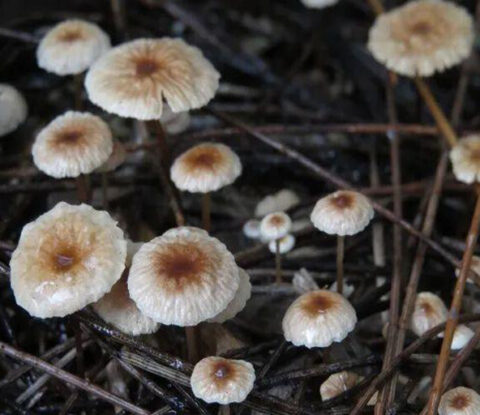
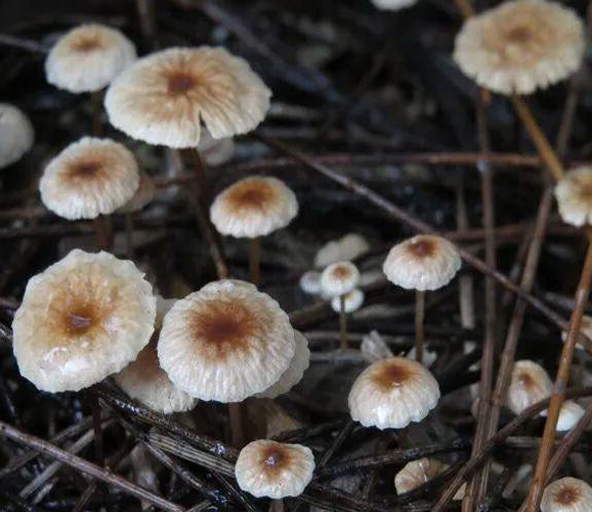
【Other names】: horsehair mushroom, fairy thread mushroom, horsehair fungus
【Botanical source】: Marasmiellus androsaceus(L.:Fr.)Fr.)
【Part used】: Mycelium&Frutingbody
【Specification】: 10:1, 20:1, 50:1 TLC, Polysaccharides 30% UV
【Extraction solvents】: Water
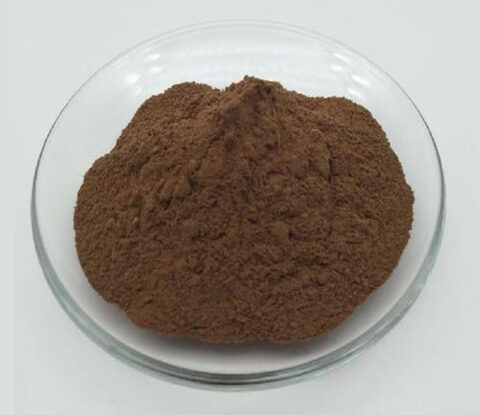
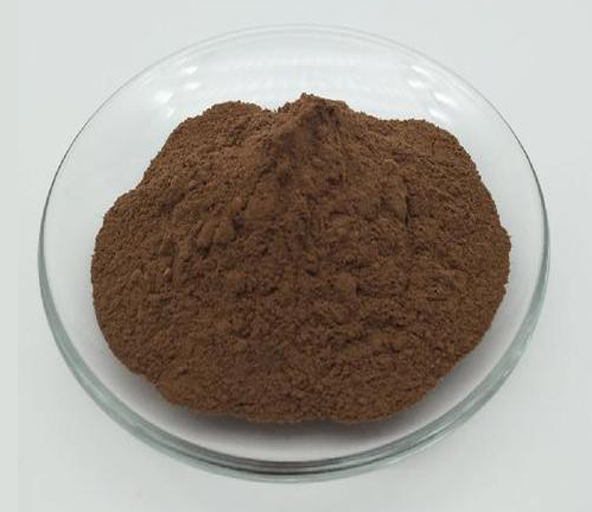
【Appearance】: Brownish yellow fine powder
【Particle size】: 95% pass 80 mesh size
【Main ingredients】: Marasmius androsaceus mainly contains polysaccharides, sterols (ergosterol, etc.), and adenosine. Its characteristic active substances are Marasmius androsaceus polysaccharides and Marasmic acid, which has analgesic effects. These components collectively confer its significant pharmacological activities of analgesia, anti-inflammation, and promoting nerve injury repair.
【Storage conditions】:Store at room temperature in a sealed manner, away from light, and in a ventilated, cool, and dry environment.
【Shelf life】: 24 months from the production date
Marasmiellus Androsaceus Extract Powder Production Flowchart
Marasmiellus Androsaceus frutingbody raw materials -Coarse powder(40 mesh) -Low temperature water extraction – 1st Reflux Extraction(10 times water,2 Hrs) – 2nd Reflux Extraction8 times water,1.5 Hrs) – 3rd Reflux Extraction(6 times water,1 Hrs) – Extraction Solution-combine&Filtrate-Concentrate-Extractum-spray drying – screening – packaging – detection of physical and chemical indicators – warehousing
Specification Sheet of Marasmiellus Androsaceus Extract Powder
| Product name: | Marasmiellus Androsaceus Extract | ||
| Specification: | 30% polysaccharides UV | ||
| Part used: | Fruitbody of Marasmiellus Androsaceus | ||
| Solvent used: | Water | ||
| Process: | Raw materials crushed, extracted, concentrated and spray-dried to powder | ||
| Non GMO according to regulation (EC) 1829/2003 and 1830/2003 or United States requirements. Non allergen according to Directive 2007/68 amending Annex IIIa to Directive 2000/13/EC and US Food allergen labelling and consumer protection act 2004. | |||
| Heavy Metals: | |||
| Lead: | NMT 3ppm | Cadmium: | NMT 1ppm |
| Arsenic: | NMT 2ppm | Mercury: | NMT 1ppm |
| Residual solvents: | Comply to USP | ||
| Pesticides residues: | Conform to Regulation USP<561> | ||
| Microbiology: | |||
| Total plate count: | 10000cfu/g Max | Yeasts and molds: | 1000cfu/g Max |
| E.coli: | Not detected in (g)10 | Salmonella spp.: | Not detected in (g)25 |
| Staphylococcus aureus: | Not detected in (g)10 | Clostridium spp.: | Not Present in 0.1 g of food |
| Organoleptic quality | Method | Specifications | |
| Aspect: | Visual : ( CQ-MO-148) | Powder | |
| Color: | Visual : ( CQ-MO-148) | Brownish yellow | |
| Flavor: | Sensory: (CQ-MO-148) | Characteristic | |
| Analytical quality | Method | Specifications | |
| Identification: | TLC | Conform | |
| Loss on drying: | USP <731> | < 10% | |
| Bulk density: | USP <616> Method I | 40 – 60 g/100mL | |
| Particle size: | Analytical sieving || USP <786> | 100% through 80meshes | |
| Packaging suitable for foodstuff. | |||
Extended Reading
Summary of Modern Research on Marasmius Androsaceus Extract Powder
- Key Chemical Components:
The primary bioactive compounds include specific polysaccharides(e.g., heteropolysaccharides with glucose, mannose, galactose), which are considered major active principles. Crucially, it produces unique secondary metabolites like marasmic acidand its derivatives, which are sesquiterpenoid benzoates directly linked to its analgesic effects. Other constituents are ergosterol (and its peroxide), adenosine, and various phenolic compounds. - Documented Health Benefits & Mechanisms (Predominantly In Vivo & In Vitro):
- Analgesic & Neuropathic Pain Relief: Extracts, particularly marasmic acid, show significant non-opioid analgesic activity in rodent models (hot plate, acetic acid writhing, sciatic nerve chronic constriction injury). The mechanism is believed to involve modulation of the TRPV1 receptor (vanilloid receptor) and inhibition of inflammatory mediators, providing relief for neuralgia and sciatica.
- Anti-inflammatory: Demonstrates inhibition of pro-inflammatory cytokines (e.g., TNF-α, IL-1β, IL-6) and enzymes (COX-2, iNOS) in cellular models, supporting its use in pain conditions with an inflammatory component.
- Promotion of Nerve Repair: Animal studies indicate that its polysaccharide fraction can accelerate the regeneration of damaged sciatic nerves, improve conduction velocity, and enhance myelination, suggesting neurotrophic and neuroprotective properties.
- Antioxidant Activity: The polysaccharides and phenolics exhibit free radical scavenging capabilities (DPPH, ABTS assays), contributing to cellular protection.
- Interactions, Taboos, and Warnings:
- Drug Interactions: Potential pharmacodynamic interaction with anticoagulant/antiplatelet drugs (e.g., warfarin, aspirin) due to the presence of adenosine, which can inhibit platelet aggregation. Concurrent use may increase bleeding risk. Caution with other analgesics or anti-inflammatory drugs due to possible additive effects.
- Contraindications & Warnings:
- Bleeding Disorders or Pre/Post-Surgery: Avoid use due to anticoagulant potential.
- Pregnancy & Lactation: No safety data available; avoidance is recommended.
- Autoimmune Conditions: Theoretical risk due to immunomodulatory polysaccharides, though clinical evidence is lacking.
- General Safety: Considered relatively safe at traditional doses, but long-term toxicology data is limited.
- Applications:
- Nutraceutical Supplements: Primarily marketed in capsule or tablet form for nerve pain, sciatica, and trigeminal neuralgia support.
- Pharmaceutical Development: Focused on isolating and synthesizing marasmic acid analogues as novel, non-addictive analgesic agents.
- Functional Topicals: Explored in liniments or patches for localized pain relief.
- Traditional Formulations: Often used in compound herbal preparations for traumatic injuries and pain.
References (Key Modern Research Articles)
- Wang, H., Ng, T.B. (2006). “A novel lectin with potent antitumor, mitogenic and HIV-1 reverse transcriptase inhibitory activities from the edible mushroom Marasmius androsaceus.” Biochimica et Biophysica Acta (BBA) – General Subjects, 1760(12), 1914-1919. (Highlights other bioactivities like lectin activity).
- Yang, X., Guo, S., et al. (2014). “Isolation, purification and characterization of a polysaccharide from Marasmius androsaceus and its analgesic effect.” International Journal of Biological Macromolecules, 70, 240-246. (Links polysaccharides to analgesia).
- Liu, J.K., Hu, L., et al. (2009). “Chemical constituents from the fungus Marasmius androsaceus.” Journal of Asian Natural Products Research, 11(11), 927-931. (Detailed chemical profiling).
- Zhou, Z.Y., Tang, J., et al. (2017). “Marasmic acid analogue with analgesic activity from fungus Marasmius androsaceus.” Chinese Herbal Medicines, 9(4), 385-388. (Focus on the key analgesic metabolite).
- Ding, Z., Liu, J., et al. (2019). “Therapeutic effect of Marasmius androsaceus mycelia polysaccharide on cisplatin-induced neurotoxicity in mice.” Food & Function, 10(2), 1086-1095. (Explores neuroprotective and nerve repair mechanisms).
- Yin, X., You, Q., et al. (2011). “Antioxidant and antitumor activities of polysaccharides from Marasmius androsaceus.” African Journal of Biotechnology, 10(70), 15779-15785. (Covers antioxidant and antitumor potential).
Disclaimer: This information consolidates current preclinical and limited clinical research. Pleurotus eryngii extract is a dietary supplement, not a medicine. Its effects can vary based on strain, cultivation, and extraction methods. Consultation with a healthcare provider is recommended before therapeutic use, especially for individuals with health conditions or those taking medications.