
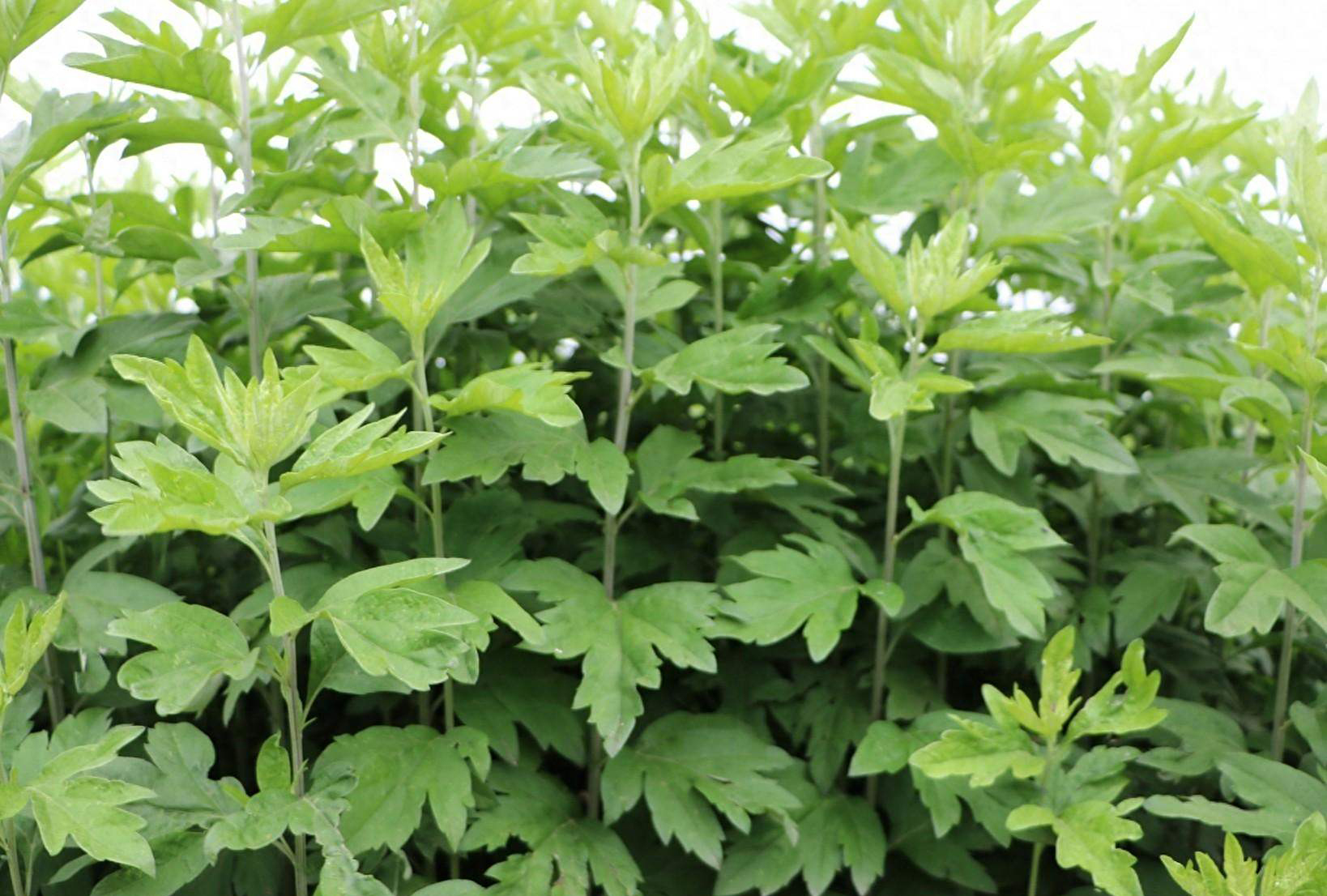
Mugwort Leaf Extract Powder 10:1, 20:1, 50:1 TLC


The modern pharmacological core of hawthorn leaves lies in their high content of flavonoids (such as vitexin) and anthocyanins. The main function is to enhance myocardial contractility, improve coronary blood flow, and assist in the treatment of chronic heart failure (NYHA grades I-II); At the same time, it has multiple cardiovascular protective activities, such as lowering blood pressure, regulating blood lipid, anti atherosclerosis, anti-oxidation and neuroprotection.

Mugwort Leaf Extract Powder 10:1, 20:1, 50:1 TLC
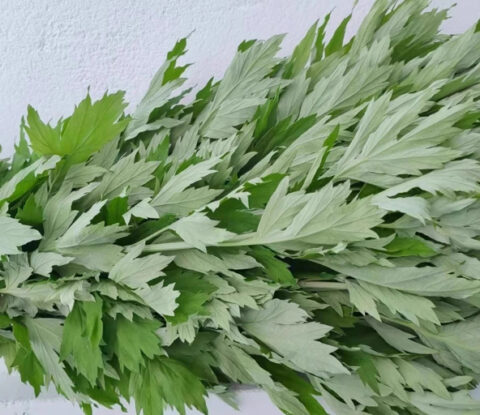
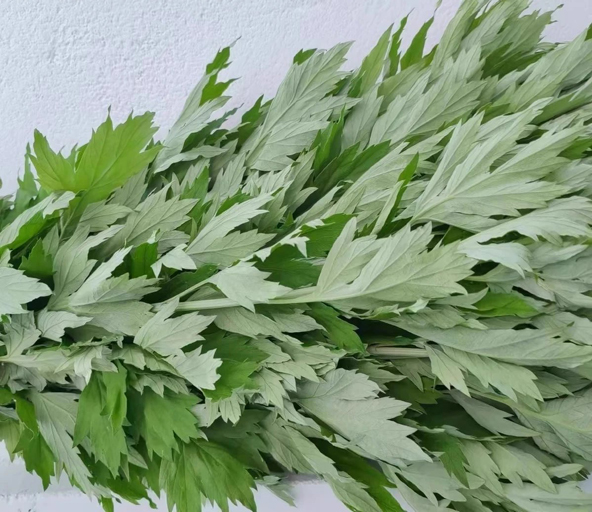
【Botanical source】: Artemisia argyi Levl.et Vant.
【Part used】: Leaf
【Specification】: 10:1, 20:1, 50:1 TLC
【Extraction solvents】: Water
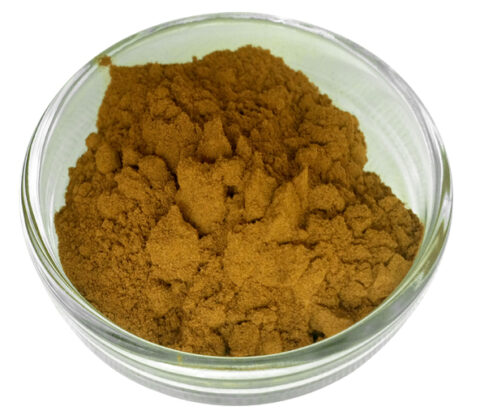
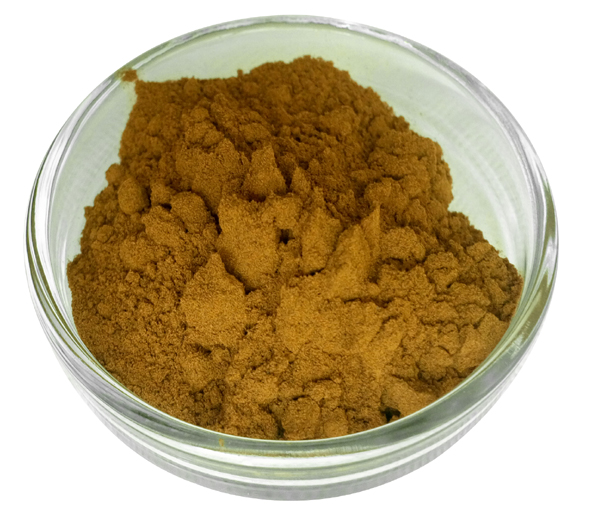
【Appearance】: Brownish fine powder
【Particle size】: 95% pass 80 mesh size
【Main ingredients】: Mugwort Leaf mainly contains volatile oils (such as eucalyptus oil and camphor), flavonoids (such as quercetin), triterpenoids, and sterols. Among them, eucalyptus oil essence and other volatile oils are its main active substances, which have pharmacological effects such as antibacterial, antiviral, and anti asthma.
【Storage conditions】:Store at room temperature in a sealed manner, away from light, and in a ventilated, cool, and dry environment.
【Shelf life】: 24 months from the production date
Mugwort Leaf Extract Powder Production Flowchart
Mugwort leaf raw materials -Coarse powder(40 mesh) -Low temperature water extraction – 1st Reflux Extraction(10 times water,2 Hrs) – 2nd Reflux Extraction8 times water,1.5 Hrs) – 3rd Reflux Extraction(6 times water,1 Hrs) – Extraction Solution-combine&Filtrate-Concentrate-Extractum-spray drying – screening – packaging – detection of physical and chemical indicators – warehousing
Specification Sheet of Mugwort Leaf Extract Powder
| Product name: | Mugwort leaf extract | ||
| Specification: | 10:1 TLC | ||
| Part used: | Dried leaves of Artemisia argyi Levl.et Vant. | ||
| Solvent used: | Water | ||
| Process: | Raw materials crushed, extracted, concentrated and spray-dried to powder | ||
| Non GMO according to regulation (EC) 1829/2003 and 1830/2003 or United States requirements. Non allergen according to Directive 2007/68 amending Annex IIIa to Directive 2000/13/EC and US Food allergen labelling and consumer protection act 2004. | |||
| Heavy Metals: | |||
| Lead: | NMT 3ppm | Cadmium: | NMT 1ppm |
| Arsenic: | NMT 2ppm | Mercury: | NMT 1ppm |
| Residual solvents: | Comply to USP | ||
| Pesticides residues: | Conform to Regulation USP<561> | ||
| Microbiology: | |||
| Total plate count: | 10000cfu/g Max | Yeasts and molds: | 1000cfu/g Max |
| E.coli: | Not detected in (g)10 | Salmonella spp.: | Not detected in (g)25 |
| Staphylococcus aureus: | Not detected in (g)10 | Clostridium spp.: | Not Present in 0.1 g of food |
| Organoleptic quality | Method | Specifications | |
| Aspect: | Visual : ( CQ-MO-148) | Powder | |
| Color: | Visual : ( CQ-MO-148) | Brownish yellow | |
| Flavor: | Sensory: (CQ-MO-148) | Characteristic | |
| Analytical quality | Method | Specifications | |
| Identification: | TLC | Conform | |
| Loss on drying: | USP <731> | < 10% | |
| Bulk density: | USP <616> Method I | 40 – 60 g/100mL | |
| Particle size: | Analytical sieving || USP <786> | 100% through 80meshes | |
| Packaging suitable for foodstuff. | |||
Extended Reading
Modern Research Summary on Mugwort (Artemisia argyi) Leaf Extract
- Chemical Components:
Modern phytochemical analyses identify mugwort leaf as a rich source of:
- Volatile Oils: The essential oil is dominated by eucalyptol (1,8-cineole), camphor, α-thujone, β-caryophyllene, and borneol. The specific profile varies with geography and harvest time.
- Flavonoids: Includes jaceosidin, eupatilin, quercetin, and luteolin, known for antioxidant and anti-inflammatory effects.
- Sesquiterpene Lactones: Compounds like artemisinin (in trace amounts compared to A. annua) and various eudesmane derivatives.
- Others: Coumarins (e.g., scopoletin), polysaccharides, chlorogenic acids, and trace elements.
- Health Benefits (Pharmacological Activities):
- Anti-inflammatory & Immunomodulatory: Key flavonoids (jaceosidin, eupatilin) inhibit NF-κB and COX-2 pathways, reducing inflammation. Polysaccharides may modulate immune response.
- Antimicrobial & Antiviral: Essential oil shows broad-spectrum activity against bacteria (e.g., S. aureus, E. coli), fungi, and viruses (e.g., herpes simplex) due to compounds like cineole and thujone.
- Antioxidant: Flavonoids and phenolic acids scavenge free radicals, mitigating oxidative stress.
- Neuropharmacological Effects: Demonstrated anxiolytic and sedative properties in animal models, potentially mediated through GABAergic systems. Also investigated for neuroprotective potential.
- Gynecological Applications: Extensive use in Traditional Chinese Medicine (TCM) for dysmenorrhea and “warming the meridians” is supported by studies showing spasmolytic effects on uterine tissue.
- Dermatological Effects: Used in moxibustion and topical formulations for eczema and wound healing, attributed to anti-inflammatory and antimicrobial actions.
- Interactions & Warnings:
- Drug Interactions: Potential interaction with CYP450 substrates (especially CYP1A2, CYP3A4), anticoagulants/antiplatelets (theoretical risk due to coumarin content), and CNS depressants (sedative synergy).
- Pregnancy & Lactation: Contraindicated. Contains thujone and camphor, which are abortifacient and neurotoxic. May stimulate uterine contractions.
- Contraindications: Allergy to Asteraceae/Compositae family plants. Not recommended for individuals with bleeding disorders, seizure disorders (thujone is a GABA antagonist in high doses), or severe liver impairment.
- Toxicity: Generally safe in typical culinary/topical/TCM doses. Chronic high doses or concentrated essential oil ingestion are toxic, primarily due to thujone (neurotoxin) and camphor (hepatotoxin, neurotoxin). Symptoms include nausea, seizures, and hallucinations.
- Applications:
- Therapeutic: TCM (moxibustion, oral decoctions for gynecological issues), topical creams/patches for muscle pain, antimicrobial washes, functional foods (as a tea or seasoning in low doses).
- Commercial: Widely used in cosmetics (anti-aging, soothing creams), nutraceuticals, and aromatherapy products.
References:
- Li, Y., et al. (2022). Journal of Ethnopharmacology. “A comprehensive review on the phytochemistry, pharmacology, and quality control of Artemisia argyi.”
- Ekiert, H., et al. (2021). Phytochemistry Reviews. “Artemisia species: Rich sources of diverse bioactive compounds.”
- Lee, N.H., et al. (2020). Molecules. “Anti-inflammatory effects of Artemisia argyi extract and its isolated compounds.”
- Wang, Y., et al. (2019). Frontiers in Pharmacology. “The traditional usages, chemical constituents and pharmacological activities of Artemisia argyi: A review.”
- European Medicines Agency (EMA). (2014). “Assessment report on Artemisia absinthium L.” (Covers thujone safety).
Note: This summary is for informational purposes. It may interact with medications and is contraindicated in certain conditions. Consult a healthcare professional before therapeutic use, particularly regarding its estrogenic activity.