
Oat (Avena Sativa) Extract Powder 10:1, 20:1, 50:1 TLC, Beta-Glucan,Β-Glucan 70%, 80%, 98% UV



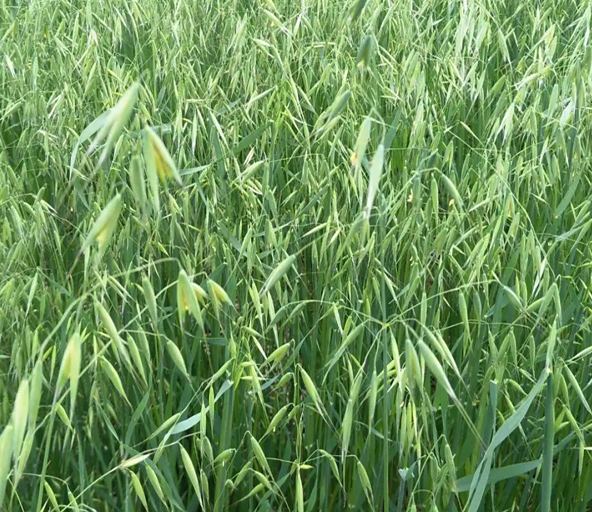
The core of the modern pharmacological effects of oat extract lies in its unique components. With β - glucan as the core, it can effectively regulate postprandial blood glucose and reduce serum cholesterol by forming gel to delay gastric emptying and reduce bile acid reabsorption. Its unique oat anthracene amide exerts significant anti-inflammatory and antioxidant activity by inhibiting the NF - κ B pathway. In addition, its ingredients have multiple biological effects such as repairing the skin barrier, soothing irritation, and potential neuroprotection.

Oat (Avena Sativa) Extract Powder 10:1, 20:1, 50:1 TLC, Beta-Glucan,Β-Glucan 70%, 80%, 98% UV
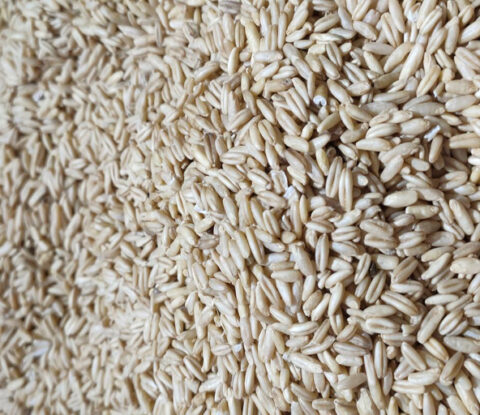
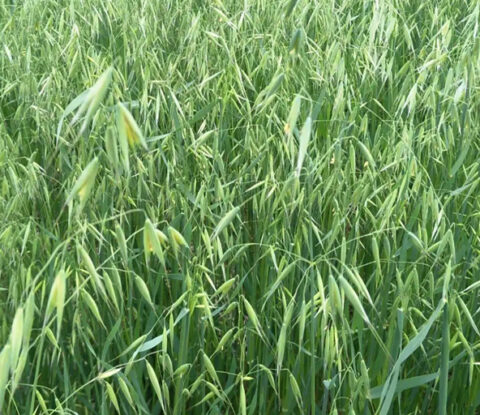
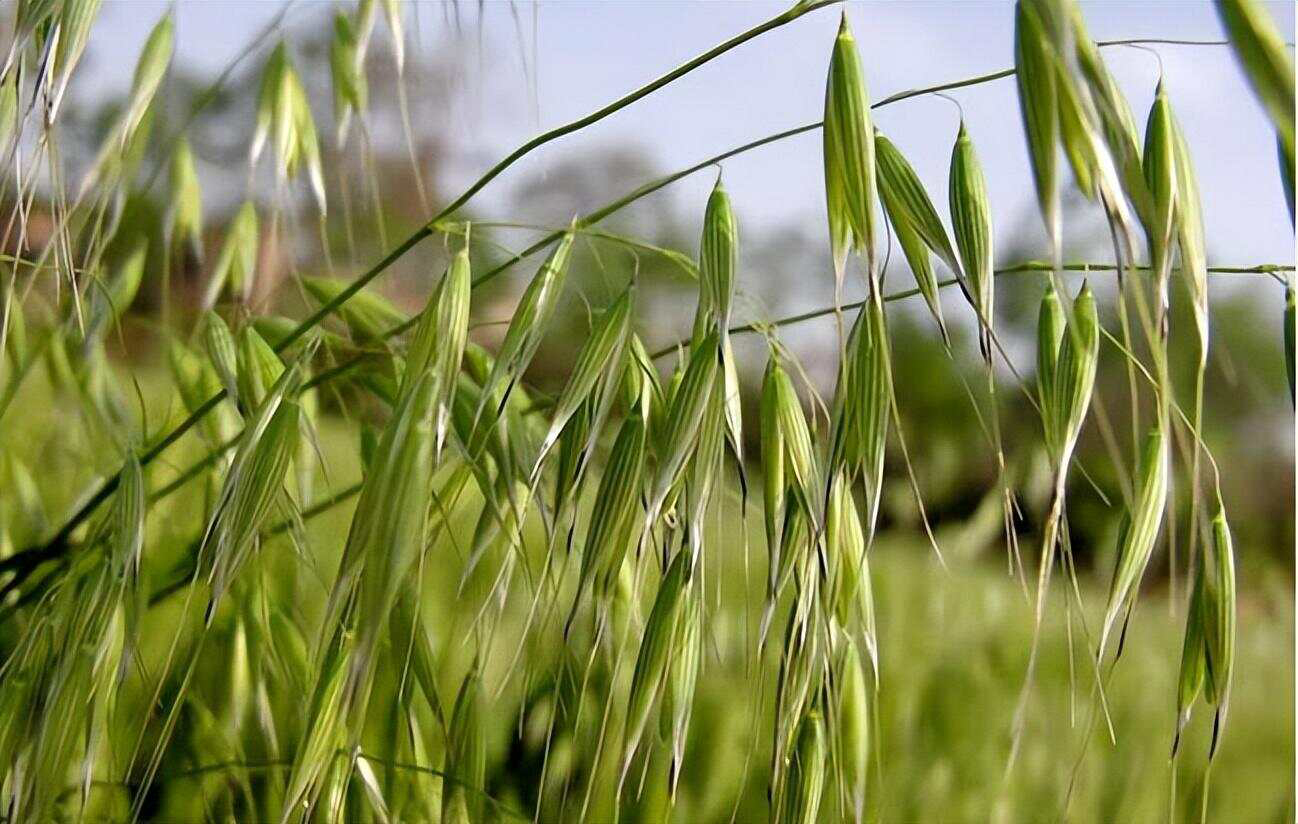
【Botanical source】: Avena sativa L.
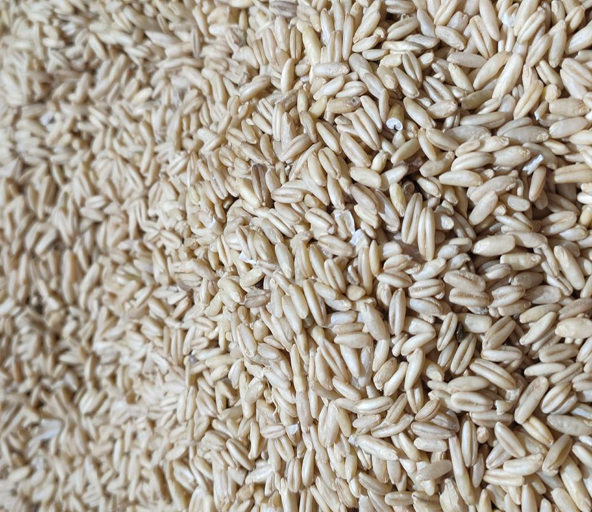
【Part used】: Seeds
【Specification】: 10:1, 20:1, 50:1 TLC, Beta-Glucan,Β-Glucan 70%, 80%, 98% UV
【Extraction solvents】: Water
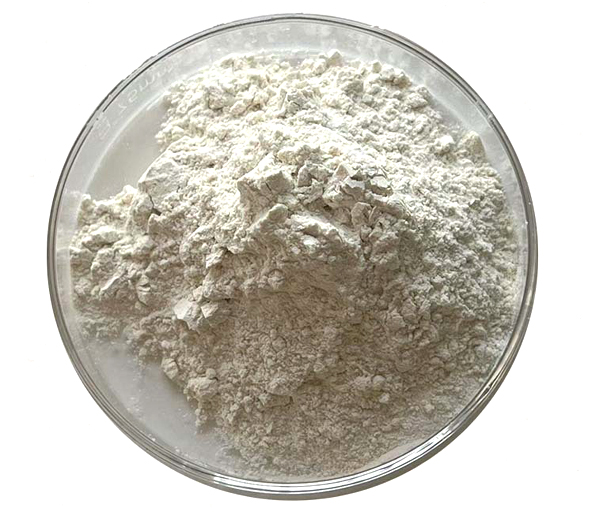
【Appearance】: Offwhite to light yellow fine powder
【Particle size】: 95% pass 80 mesh size
【Main ingredients】: Oat extract is rich in β – glucan, which is a core functional ingredient and a water-soluble dietary fiber. It also contains proteins, polyphenols (such as oat anthracene amide), saponins, vitamin E, and minerals. These ingredients work together to exert physiological functions such as lowering cholesterol, antioxidation, regulating blood sugar, and improving the skin barrier.
【Storage conditions】:Store at room temperature in a sealed manner, away from light, and in a ventilated, cool, and dry environment.
【Shelf life】: 24 months from the production date
Oat (Avena Sativa) Extract Powder Production Flowchart
Oat raw materials -Coarse powder(40 mesh) -Low temperature water extraction – 1st Reflux Extraction(10 times water,2 Hrs) – 2nd Reflux Extraction8 times water,1.5 Hrs) – 3rd Reflux Extraction(6 times water,1 Hrs) – Extraction Solution-combine&Filtrate-Concentrate-Extractum-spray drying – screening – packaging – detection of physical and chemical indicators – warehousing
Specification Sheet of Oat (Avena Sativa) Extract Powder
| Product name: | Oat Extract | ||
| Specification: | Β–Glucan 70% UV | ||
| Part used: | Avena sativa L. | ||
| Solvent used: | Water | ||
| Process: | Raw materials crushed, extracted, concentrated and spray-dried to powder | ||
| Non GMO according to regulation (EC) 1829/2003 and 1830/2003 or United States requirements. Non allergen according to Directive 2007/68 amending Annex IIIa to Directive 2000/13/EC and US Food allergen labelling and consumer protection act 2004. | |||
| Heavy Metals: | |||
| Lead: | NMT 3ppm | Cadmium: | NMT 1ppm |
| Arsenic: | NMT 2ppm | Mercury: | NMT 1ppm |
| Residual solvents: | Comply to USP | ||
| Pesticides residues: | Conform to Regulation USP<561> | ||
| Microbiology: | |||
| Total plate count: | 10000cfu/g Max | Yeasts and molds: | 1000cfu/g Max |
| E.coli: | Not detected in (g)10 | Salmonella spp.: | Not detected in (g)25 |
| Staphylococcus aureus: | Not detected in (g)10 | Clostridium spp.: | Not Present in 0.1 g of food |
| Organoleptic quality | Method | Specifications | |
| Aspect: | Visual : ( CQ-MO-148) | Powder | |
| Color: | Visual : ( CQ-MO-148) | Offwhite to light yellow | |
| Flavor: | Sensory: (CQ-MO-148) | Characteristic | |
| Analytical quality | Method | Specifications | |
| Identification: | TLC | Conform | |
| Loss on drying: | USP <731> | < 10% | |
| Bulk density: | USP <616> Method I | 40 – 60 g/100mL | |
| Particle size: | Analytical sieving || USP <786> | 100% through 80meshes | |
| Packaging suitable for foodstuff. | |||
Extended Reading
Modern Research on Oat (Avena Sativa) Extract Powder
Chemical Components
Oat extract’s bioactivity is attributed to a synergistic blend of compounds, standardized often for key components:
- β-Glucan: A soluble dietary fiber (1→3, 1→4-β-D-glucan), the most studied component, responsible for cholesterol and glycemic benefits.
- Avenanthramides (AVAs): Unique polyphenolic alkaloids (e.g., A, B, C) found almost exclusively in oats, with potent antioxidant and anti-inflammatory properties.
- Saponins (Avenacosides): Particularly avenacoside B, which hydrolyzes to the antimicrobial and anti-inflammatory sapogenin.
- Proteins & Peptides: Rich in globulin and avenalin, with skin-protective and emulsifying properties.
- Tocotrienols & Tocopherols: Vitamin E isoforms with antioxidant activity.
- Minerals: Zinc, silicon, and iron.
Health Benefits (Evidence-Based)
- Cardiovascular Health: β-Glucan is FDA-approved for heart health. It reduces total and LDL cholesterol by binding bile acids in the gut. AVAs improve endothelial function and may reduce blood pressure.
- Glycemic Control: β-Glucan’s viscosity slows gastric emptying and glucose absorption, lowering the postprandial glycemic and insulin response.
- Dermatological Health: Topically, colloidal oatmeal is FDA-approved as a skin protectant. It soothes itching and inflammation (via AVAs), repairs the skin barrier (via lipids and proteins), and cleanses gently (saponins).
- Antioxidant & Anti-inflammatory: AVAs inhibit NF-κB activation and the release of pro-inflammatory cytokines (IL-6, IL-8), beneficial for both systemic and topical conditions.
- Neuroprotective & Anti-depressant Potential: Emerging research indicates tryptophan and AVAs may influence serotonin production and offer neuroprotective effects, though more human data is needed.
- Prebiotic Effect: β-Glucan is fermented by gut microbiota, promoting the growth of beneficial bacteria like Bifidobacterium.
Interactions & Contraindications
- Diabetes Medications: May potentiate hypoglycemic effects; blood glucose monitoring is advised.
- Celiac Disease/Gluten Sensitivity: While oats are inherently gluten-free, cross-contamination with wheat is common. “Certified gluten-free” oats are required for these individuals.
- Digestive Issues: Sudden high intake of β-glucan may cause transient bloating or flatulence.
- Contraindications: Rare oat allergy. Individuals with dysphagia or intestinal strictures should avoid dry/insufficiently hydrated oat products.
Warnings & Side Effects
Extremely safe. Potential side effects are mild and gastrointestinal (if consumed in excess). Topical use is non-irritating for most, but patch testing is recommended for those with sensitive skin or oat allergy.
Applications
- Nutraceuticals & Functional Foods: β-Glucan supplements for cholesterol, oat bran in cereals, oatmeal as a functional food.
- Cosmeceuticals & Skincare: A key ingredient in moisturizers, cleansers, anti-itch creams, bath soaks, and products for eczema-prone skin (colloidal oatmeal).
- Pharmaceuticals: Used in skin protectant ointments and as an excipient.
- Beverages: Oat milk and other oat-based drinks.
Key References
- EFSA Panel on Dietetic Products (2011). EFSA Journal. (Scientific opinion on β-glucan and cholesterol reduction).
- Meydani, M. (2009). Journal of Nutrition. (Review on avenanthramides and anti-inflammatory mechanisms).
- Kurtz, E. S., & Wallo, W. (2007). Clinical, Cosmetic and Investigational Dermatology. (Colloidal oatmeal in dermatology).
- Hou, Q., et al. (2015). Molecular Nutrition & Food Research. (Review on oat AVAs and health).
- Daou, C., & Zhang, H. (2012). Journal of Food Science and Technology. (Review on oat β-glucan’s functional properties).
Disclaimer: This information is for educational purposes only. It is not intended as medical advice. For diagnosis, treatment, or before starting any new dietary regimen (especially if you have a health condition or take medication), please consult a qualified healthcare professional.