
Olive Fruit Extract Powder 10:1, 20:1, 50:1 TLC
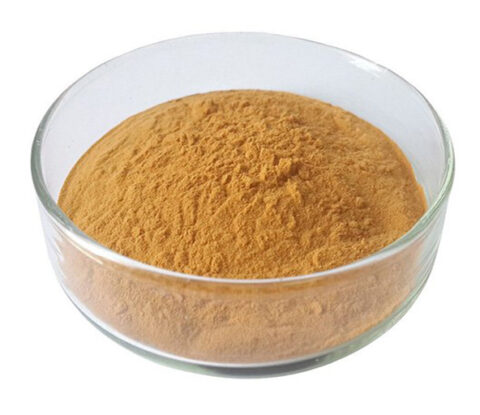
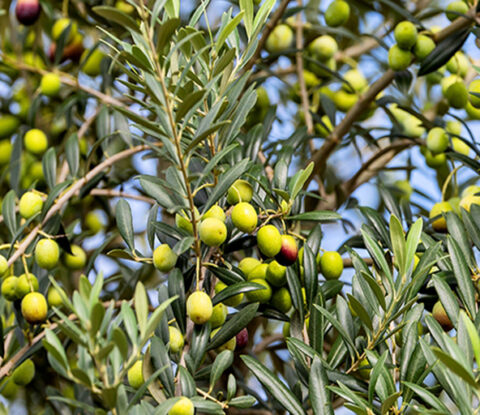


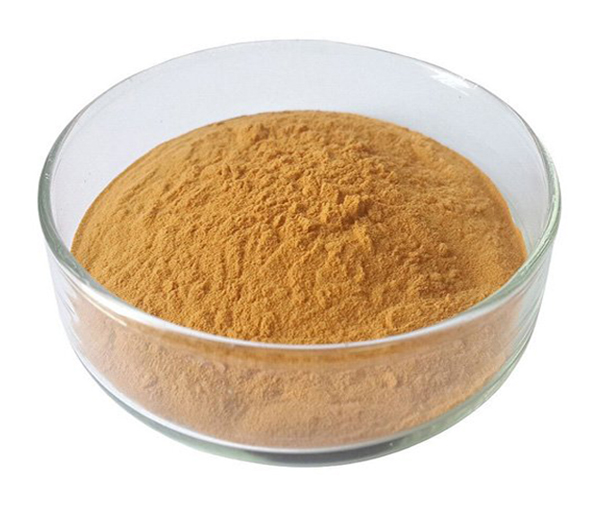
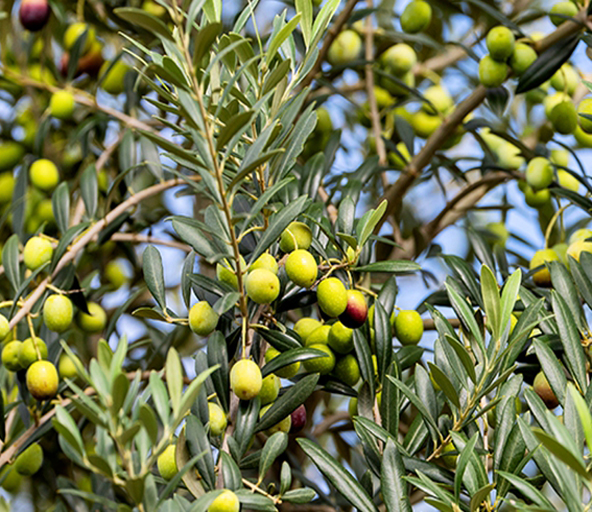
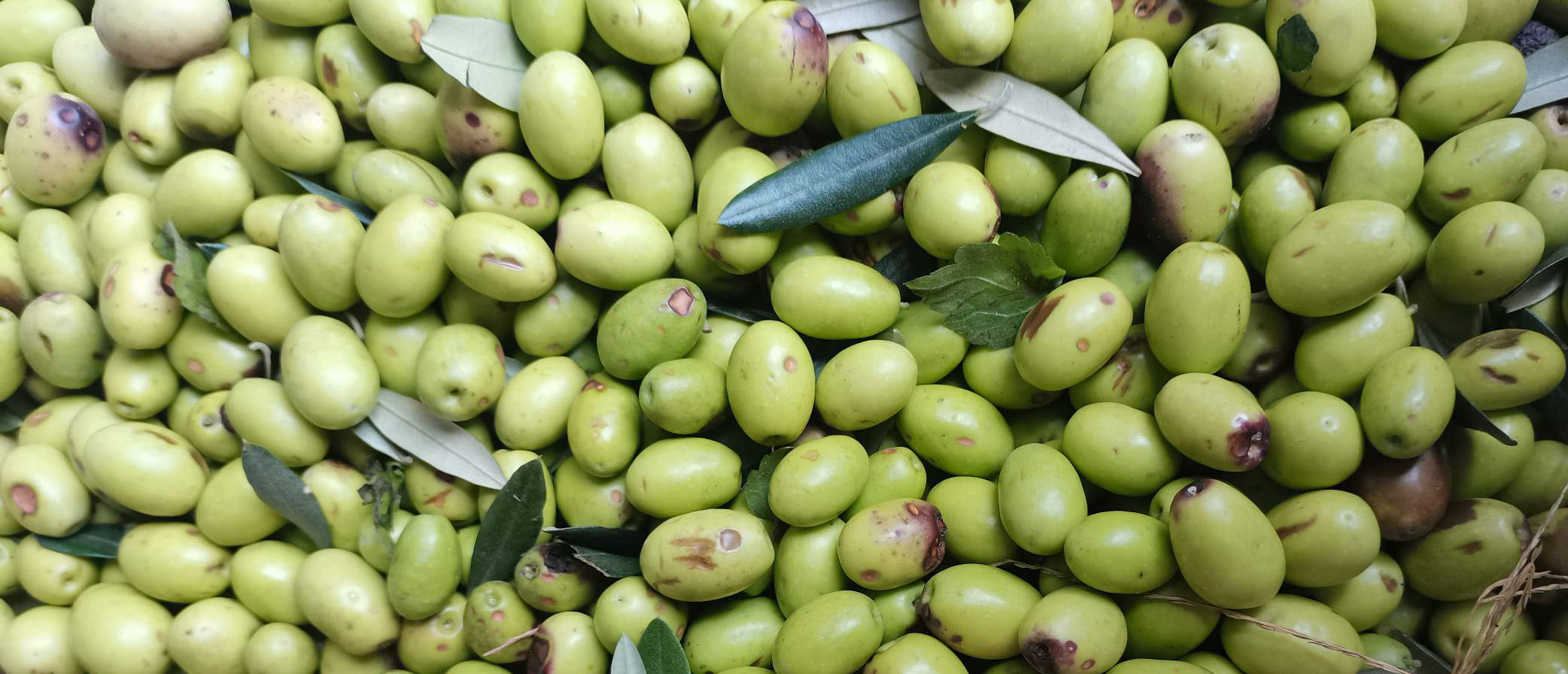
Olive fruit extract is rich in high oleic acid and polyphenols (such as oleuropein), with the core functions of strong antioxidant and anti-inflammatory effects, which can protect the cardiovascular system and reduce blood lipids. Its active ingredients also contribute to antibacterial, blood sugar stabilizing, and neuroprotective effects, making it a key source of health benefits for the Mediterranean diet.

Olive Fruit Extract Powder 10:1, 20:1, 50:1 TLC
【Botanical source】: Olea europaea L.
【Part used】: Fruit
【Specification】: 10:1, 20:1, 50:1 TLC
【Extraction solvents】: Water
【Appearance】: Brownish fine powder
【Particle size】: 95% pass 80 mesh size
【Main ingredients】: The main components of olive fruit are water, healthy fats (mainly monounsaturated fatty acid oleic acid, about 55-85%), polyphenolic compounds (such as oleuropein and hydroxytyrosol), vitamin E, squalene, and dietary fiber. The core active substance is polyphenols with strong antioxidant and anti-inflammatory properties.
【Storage conditions】:Store at room temperature in a sealed manner, away from light, and in a ventilated, cool, and dry environment.
【Shelf life】: 24 months from the production date
Olive Fruit Extract Powder Production Flowchart
Olive Fruit raw materials -Coarse powder(40 mesh) -Low temperature water extraction – 1st Reflux Extraction(10 times water,2 Hrs) – 2nd Reflux Extraction8 times water,1.5 Hrs) – 3rd Reflux Extraction(6 times water,1 Hrs) – Extraction Solution-combine&Filtrate-Concentrate-Extractum-spray drying – screening – packaging – detection of physical and chemical indicators – warehousing
Specification Sheet of Olive Fruit Extract Powder
| Product name: | Olive Fruit Extract | ||
| Specification: | 10:1 TLC | ||
| Part used: | Fruit of Olea europaea L. | ||
| Solvent used: | Water | ||
| Process: | Raw materials crushed, extracted, concentrated and spray-dried to powder | ||
| Non GMO according to regulation (EC) 1829/2003 and 1830/2003 or United States requirements. Non allergen according to Directive 2007/68 amending Annex IIIa to Directive 2000/13/EC and US Food allergen labelling and consumer protection act 2004. | |||
| Heavy Metals: | |||
| Lead: | NMT 3ppm | Cadmium: | NMT 1ppm |
| Arsenic: | NMT 2ppm | Mercury: | NMT 1ppm |
| Residual solvents: | Comply to USP | ||
| Pesticides residues: | Conform to Regulation USP<561> | ||
| Microbiology: | |||
| Total plate count: | 10000cfu/g Max | Yeasts and molds: | 1000cfu/g Max |
| E.coli: | Not detected in (g)10 | Salmonella spp.: | Not detected in (g)25 |
| Staphylococcus aureus: | Not detected in (g)10 | Clostridium spp.: | Not Present in 0.1 g of food |
| Organoleptic quality | Method | Specifications | |
| Aspect: | Visual : ( CQ-MO-148) | Powder | |
| Color: | Visual : ( CQ-MO-148) | Brownish yellow | |
| Flavor: | Sensory: (CQ-MO-148) | Characteristic | |
| Analytical quality | Method | Specifications | |
| Identification: | TLC | Conform | |
| Loss on drying: | USP <731> | < 10% | |
| Bulk density: | USP <616> Method I | 40 – 60 g/100mL | |
| Particle size: | Analytical sieving || USP <786> | 100% through 80meshes | |
| Packaging suitable for foodstuff. | |||
Extended Reading
Chemical Components and Modern Pharmacological Effects of Olive Fruit Extract
Olive fruit extract is a concentrated source of the bioactive compounds from Olea europaea fruits, typically standardized for key phenolics, offering potent pharmacological effects beyond the whole fruit or oil.
Key Chemical Components:
- Phenolic Compounds (Primary Bioactives):
- Secoiridoids: Oleuropein (the major bitter compound) and its derivatives (oleuropein aglycone).
- Phenolic Alcohols: Hydroxytyrosol and tyrosol (often key markers for standardization).
- Flavonoids: Luteolin, apigenin.
- Phenolic Acids: Caffeic acid, vanillic acid.
- Other Constituents: Triterpenes (e.g., oleanolic acid), phytosterols, and a minor fraction of monounsaturated fatty acids.
Modern Pharmacological Effects:
- Potent Antioxidant: Exhibits exceptional free radical scavenging capacity, primarily attributed to hydroxytyrosol and oleuropein, protecting lipids, proteins, and DNA from oxidative damage.
- Anti-inflammatory: Modulates key inflammatory pathways (e.g., inhibits NF-κB and COX-2 activation), reducing the production of pro-inflammatory cytokines.
- Cardiometabolic Protection: Improves endothelial function, reduces oxidized LDL cholesterol, and may help lower blood pressure. Shows potential in improving insulin sensitivity.
- Antimicrobial: Demonstrates broad-spectrum activity against bacteria (including antibiotic-resistant strains), viruses, and fungi due to membrane-disruptive phenolics.
- Neuroprotective: Crosses the blood-brain barrier to attenuate oxidative stress and neuroinflammation, showing promise in models of Alzheimer’s and Parkinson’s diseases.
- Antiproliferative: Induces apoptosis and inhibits proliferation in various cancer cell lines in vitro (e.g., breast, colon, prostate).
References:
- Bertelli, M., et al. (2021). Hydroxytyrosol: A natural compound with promising pharmacological activities. Journal of Biotechnology.
- Bulotta, S., et al. (2014). Biological activity of oleuropein and its derivatives. Natural Product Communications.
- Gorzynik-Debicka, M., et al. (2018). Potential health benefits of olive oil and plant polyphenols. International Journal of Molecular Sciences.
- Hashmi, M. A., et al. (2015). Traditional uses, phytochemistry, and pharmacology of Olea europaea (olive). Evidence-Based Complementary and Alternative Medicine.
Note: This summary is for informational purposes. It may interact with medications and is contraindicated in certain conditions. Consult a healthcare professional before therapeutic use, particularly regarding its estrogenic activity.