
Olive Leaf Extract Powder 10:1, 20:1, 50:1 TLC, Hydroxytyrosol 10%, 20%, 25% HPLC,Oleuropein 6%,12%,20%,40% HPLC


The core efficacy of olive leaves comes from their high concentration of oleuropein and hydroxytyrosol, which have outstanding antioxidant and anti-inflammatory abilities and are known as "natural antibiotics". It can effectively support cardiovascular health, assist in lowering blood pressure, regulate blood sugar, and has broad-spectrum antibacterial, antiviral, and neuroprotective potential.

Olive Leaf Extract Powder 10:1, 20:1, 50:1 TLC, Hydroxytyrosol 10%, 20%, 25% HPLC,Oleuropein 6%,12%,20%,40% HPLC
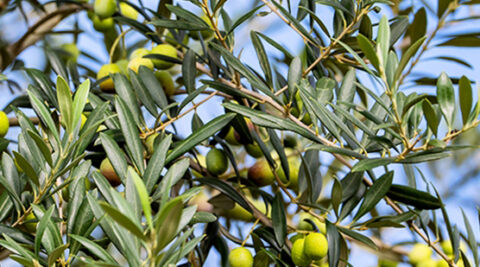
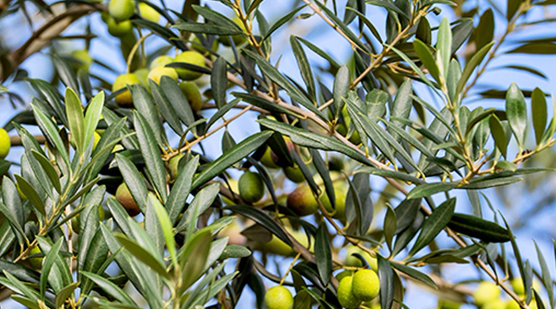
【Botanical source】: Olea europaea L.
【Part used】: Leaves
【Specification】: 10:1, 20:1, 50:1 TLC, Hydroxytyrosol 10%, 20%, 25% HPLC,Oleuropein 6%,12%,20%,40% HPLC
【Extraction solvents】: Water
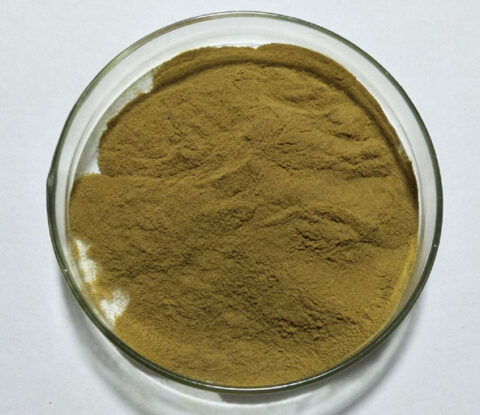
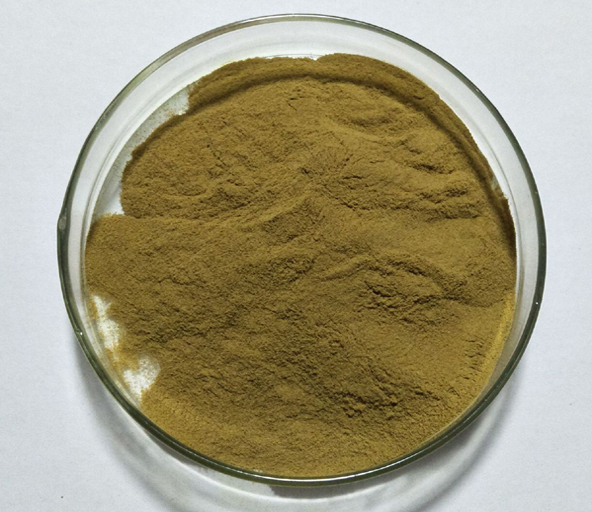
【Appearance】: Brownish fine powder
【Particle size】: 95% pass 80 mesh size
【Main ingredients】: The main components of olive leaves are potent polyphenolic substances, especially rich in oleuropein, and contain hydroxytyrosol, flavonoids (such as luteolin), and caffeoylquinic acid. The concentration of its active ingredients is usually higher than that of the fruit, and the core lies in its strong antioxidant, antibacterial, and anti-inflammatory biological activities.
【Storage conditions】:Store at room temperature in a sealed manner, away from light, and in a ventilated, cool, and dry environment.
【Shelf life】: 24 months from the production date
Olive Leaf Extract Powder Production Flowchart
Olive leaf raw materials -Coarse powder(40 mesh) -Low temperature water extraction – 1st Reflux Extraction(10 times water,2 Hrs) – 2nd Reflux Extraction8 times water,1.5 Hrs) – 3rd Reflux Extraction(6 times water,1 Hrs) – Extraction Solution-combine&Filtrate-Concentrate-Extractum-spray drying – screening – packaging – detection of physical and chemical indicators – warehousing
Specification Sheet of Olive Leaf Extract Powder
| Product name: | Olive Leaf Extract | ||
| Specification: | 10:1 TLC | ||
| Part used: | Leaves of Olea europaea L. | ||
| Solvent used: | Water | ||
| Process: | Raw materials crushed, extracted, concentrated and spray-dried to powder | ||
| Non GMO according to regulation (EC) 1829/2003 and 1830/2003 or United States requirements. Non allergen according to Directive 2007/68 amending Annex IIIa to Directive 2000/13/EC and US Food allergen labelling and consumer protection act 2004. | |||
| Heavy Metals: | |||
| Lead: | NMT 3ppm | Cadmium: | NMT 1ppm |
| Arsenic: | NMT 2ppm | Mercury: | NMT 1ppm |
| Residual solvents: | Comply to USP | ||
| Pesticides residues: | Conform to Regulation USP<561> | ||
| Microbiology: | |||
| Total plate count: | 10000cfu/g Max | Yeasts and molds: | 1000cfu/g Max |
| E.coli: | Not detected in (g)10 | Salmonella spp.: | Not detected in (g)25 |
| Staphylococcus aureus: | Not detected in (g)10 | Clostridium spp.: | Not Present in 0.1 g of food |
| Organoleptic quality | Method | Specifications | |
| Aspect: | Visual : ( CQ-MO-148) | Powder | |
| Color: | Visual : ( CQ-MO-148) | Brownish yellow | |
| Flavor: | Sensory: (CQ-MO-148) | Characteristic | |
| Analytical quality | Method | Specifications | |
| Identification: | TLC | Conform | |
| Loss on drying: | USP <731> | < 10% | |
| Bulk density: | USP <616> Method I | 40 – 60 g/100mL | |
| Particle size: | Analytical sieving || USP <786> | 100% through 80meshes | |
| Packaging suitable for foodstuff. | |||
Extended Reading
Chemical Components and Research Highlights on Olive Leaf Extract, with Focus on Hydroxytyrosol and Oleuropein
Olive leaf extract (OLE) is a concentrated source of bioactive compounds, distinct from olive oil or fruit extracts, with its unique profile centered on the secoiridoid oleuropein and its primary metabolite hydroxytyrosol. Modern research focuses on their synergistic and individual mechanisms of action.
Key Chemical Components of OLE:
- Oleuropein: The dominant secoiridoid glycoside, precursor to many active metabolites.
- Hydroxytyrosol: A potent simple phenol formed via hydrolysis of oleuropein; a key marker for extract standardization.
- Ligstroside: A related secoiridoid with similar bioactivity.
- Flavonoids: Luteolin, apigenin, and their glycosides.
- Phenolic Acids: Caffeic, vanillic, and verbascoside.
- Triterpenes: Oleanolic acid, maslinic acid.
Summary of Key Research Findings:
- Cardiovascular & Metabolic Health
- Mechanism: OLE improves endothelial function (↑NO bioavailability), reduces LDL oxidation, and inhibits angiotensin-converting enzyme (ACE), contributing to blood pressure regulation.
- Clinical Evidence: Human trials show significant reductions in systolic/diastolic blood pressure and improved lipid profiles in pre-hypertensive subjects.
- Antioxidant & Anti-inflammatory Actions
- Hydroxytyrosol: Recognized as one of the most potent natural antioxidants (ORAC assay), efficiently scavenges peroxynitrite and protects mitochondrial function.
- Oleuropein: Inhibits NF-κB and MAPK pathways, reducing pro-inflammatory cytokines (TNF-α, IL-6) and enzymes (COX-2).
- Antimicrobial & Antiviral Properties
- Broad-Spectrum Activity: Demonstrated efficacy against bacteria (including H. pylori, MRSA), fungi (e.g., Candida spp.), and viruses (influenza, HIV, SARS-CoV-2 in vitro) via membrane disruption and viral entry/replication inhibition.
- Neuroprotection
- Both compounds cross the blood-brain barrier, reduce oxidative stress and neuroinflammation in models of Alzheimer’s (↓Aβ aggregation, tau phosphorylation) and Parkinson’s disease (protects dopaminergic neurons).
- Antidiabetic Effects
- Enhances insulin sensitivity via AMPK activation and GLUT4 translocation; inhibits advanced glycation end-product (AGE) formation and α-glucosidase activity.
- Anticancer Potential (Preclinical)
- Induces apoptosis and cell cycle arrest in various cancer lines (breast, colon, prostate) through mitochondrial dysfunction and ROS-mediated pathways.
Current Research Gaps & Directions:
- Standardization of extracts (ratio of oleuropein to hydroxytyrosol).
- Long-term safety and pharmacokinetics in humans.
- Synergistic effects with other polyphenols.
References:
- El, S. N., & Karakaya, S. (2009). Olive tree (Olea europaea) leaves: potential beneficial effects on human health. Nutrition Reviews.
- Omar, S. H. (2010). Oleuropein in olive and its pharmacological effects. Scientia Pharmaceutica.
- Robles-Almazán, M., et al. (2018). Hydroxytyrosol: Bioavailability, toxicity, and clinical applications. Food Research International.
- Lockyer, S., et al. (2017). Secoiridoids delivered as olive leaf extract induce acute improvements in human vascular function and reduction of an inflammatory cytokine: a randomised, double-blind, placebo-controlled, cross-over trial. British Journal of Nutrition.
- F. Visioli, et al. (2021). Olive oil polyphenols: current knowledge and challenges in human health. European Journal of Lipid Science and Technology.
Note: This summary is for informational purposes. It may interact with medications and is contraindicated in certain conditions. Consult a healthcare professional before therapeutic use, particularly regarding its estrogenic activity.