
Oolong Tea Extract Powder 10:1, 20:1, 50:1 TLC


The main functions of oolong tea extract include: promoting fat metabolism and assisting weight management; Regulating blood sugar and blood lipids, beneficial for metabolic health; Antioxidant and anti-inflammatory properties, protecting cardiovascular health; Refreshing and invigorating, while amino acids help relieve stress; Improve gut microbiota and oral health.

Oolong Tea Extract Powder 10:1, 20:1, 50:1 TLC
【Botanical source】: Camellia sinensis (L)
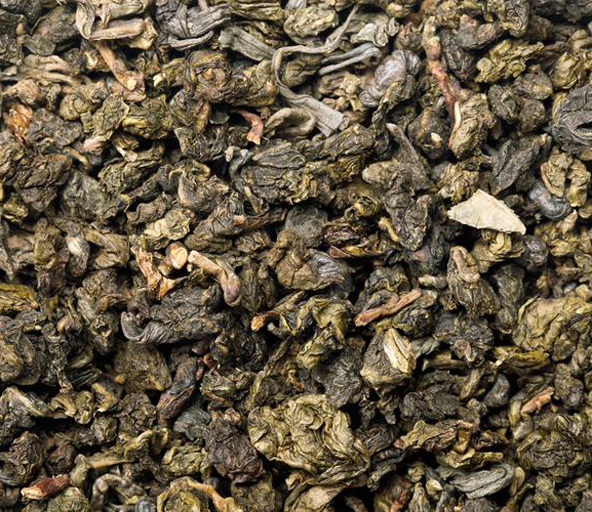
【Part used】: Oolong tea leaves made from Camellia sinensis (L)
【Specification】: 10:1, 20:1, 50:1 TLC
【Extraction solvents】: Water
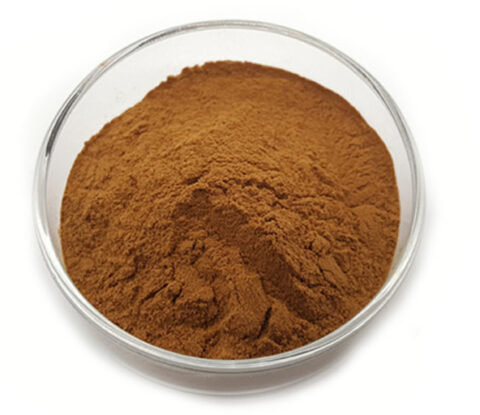
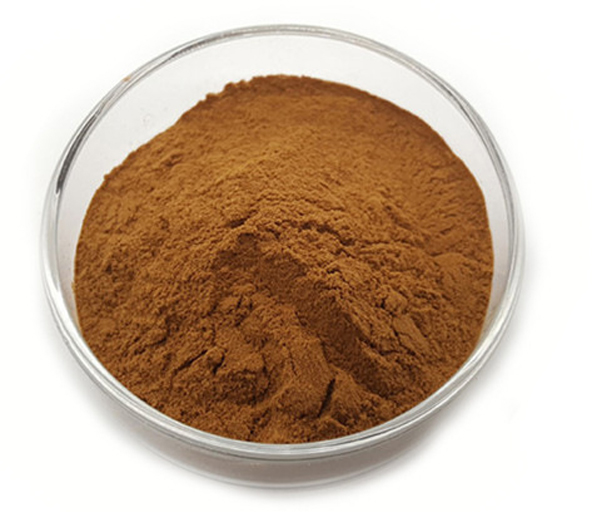
【Appearance】: Brownish fine powder
【Particle size】: 95% pass 80 mesh size
【Main ingredients】: The main components of oolong tea are tea polyphenols (catechins, etc.), tea polysaccharides, caffeine, amino acids, and aromatic substances. Part of its fermentation process produces unique theaflavins and thearubigins, creating a rich aroma and mellow taste.
【Storage conditions】:Store at room temperature in a sealed manner, away from light, and in a ventilated, cool, and dry environment.
【Shelf life】: 24 months from the production date

Oolong Tea Extract Powder Production Flowchart
Oolong Tea raw materials -Coarse powder(40 mesh) -Low temperature water extraction – 1st Reflux Extraction(10 times water,2 Hrs) – 2nd Reflux Extraction8 times water,1.5 Hrs) – 3rd Reflux Extraction(6 times water,1 Hrs) – Extraction Solution-combine&Filtrate-Concentrate-Extractum-spray drying – screening – packaging – detection of physical and chemical indicators – warehousing
Specification Sheet of Oolong Tea Extract Powder
| Product name: | Oolong Tea Extract | ||
| Specification: | 10:1 TLC | ||
| Part used: | Dried Oolong tea leaves made from Camellia sinensis (L) | ||
| Solvent used: | Water | ||
| Process: | Raw materials crushed, extracted, concentrated and spray-dried to powder | ||
| Non GMO according to regulation (EC) 1829/2003 and 1830/2003 or United States requirements. Non allergen according to Directive 2007/68 amending Annex IIIa to Directive 2000/13/EC and US Food allergen labelling and consumer protection act 2004. | |||
| Heavy Metals: | |||
| Lead: | NMT 3ppm | Cadmium: | NMT 1ppm |
| Arsenic: | NMT 2ppm | Mercury: | NMT 1ppm |
| Residual solvents: | Comply to USP | ||
| Pesticides residues: | Conform to Regulation USP<561> | ||
| Microbiology: | |||
| Total plate count: | 10000cfu/g Max | Yeasts and molds: | 1000cfu/g Max |
| E.coli: | Not detected in (g)10 | Salmonella spp.: | Not detected in (g)25 |
| Staphylococcus aureus: | Not detected in (g)10 | Clostridium spp.: | Not Present in 0.1 g of food |
| Organoleptic quality | Method | Specifications | |
| Aspect: | Visual : ( CQ-MO-148) | Powder | |
| Color: | Visual : ( CQ-MO-148) | Brownish | |
| Flavor: | Sensory: (CQ-MO-148) | Characteristic | |
| Analytical quality | Method | Specifications | |
| Identification: | TLC | Conform | |
| Loss on drying: | USP <731> | < 10% | |
| Bulk density: | USP <616> Method I | 40 – 60 g/100mL | |
| Particle size: | Analytical sieving || USP <786> | 100% through 80meshes | |
| Packaging suitable for foodstuff. | |||
Extended Reading
Summary of Modern Pharmacological Effects of Oolong Tea Extract
Modern research indicates that oolong tea extract, due to its unique semi-fermented processing, possesses a range of bioactivities. Key pharmacological effects include:
- Antioxidant & Anti-inflammatory: Its polyphenols (e.g., catechins, theaflavins) scavenge free radicals and inhibit pro-inflammatory mediators like COX-2 and iNOS.
- Anti-obesity & Metabolic Regulation: It enhances fat metabolism through the activation of AMPK, inhibits pancreatic lipase, and modulates gut microbiota.
- Anti-diabetic: Improves insulin sensitivity and reduces blood glucose levels via PPARγ and GLUT4 pathways.
- Cardiovascular Protection: Exhibits hypolipidemic (lowers LDL-cholesterol), anti-hypertensive, and anti-atherosclerotic effects.
- Neuroprotection: May protect neurons against oxidative stress, potentially lowering the risk of neurodegenerative diseases.
- Anti-cancer: Induces apoptosis and inhibits proliferation in various cancer cell lines (e.g., breast, lung, colon) in vitro and in animal models.
- Skin Health: Protects against UV-induced damage and may improve conditions like atopic dermatitis.
- Oral & Gut Health: Exhibits anti-cariogenic effects against S. mutans and promotes a healthy gut microbiome.
References
- Yang, T. T., & Koo, M. W. (1997). Hypocholesterolemic effects of Chinese tea. Pharmacological Research, *35*(6), 505-512.
- He, R. R., et al. (2009). Beneficial effects of oolong tea consumption on diet-induced overweight and obese subjects. Chinese Journal of Integrative Medicine, *15*(1), 34-41.
- Wang, H., et al. (2011). Oolong tea extract induces DNA damage and cleavage and inhibits breast cancer cell growth and tumorigenesis. Anticancer Research, *31*(11), 3743-3749.
- Sano, H., et al. (2021). Oolong tea polyphenols ameliorate atopic dermatitis-like symptoms in NC/Nga mice. Bioscience, Biotechnology, and Biochemistry, *85*(10), 2143-2151.
- Tang, G. Y., et al. (2019). Health functions and related molecular mechanisms of oolong tea: A review. International Journal of Molecular Sciences, *20*(20), 5126.
Note: This summary is for informational purposes. It may interact with medications and is contraindicated in certain conditions. Consult a healthcare professional before therapeutic use, particularly regarding its estrogenic activity.