
Chinese Arborvita, Oriental Arborvitae Leaf Extract Powder 10:1, 20:1, 50:1 TLC
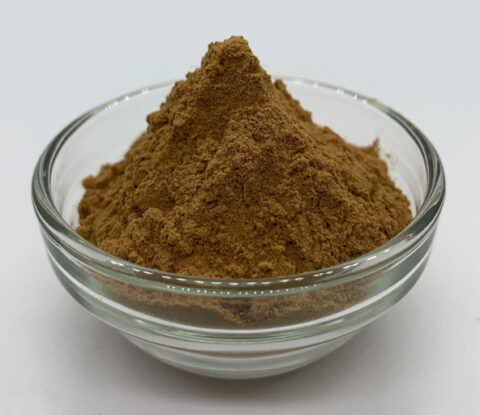
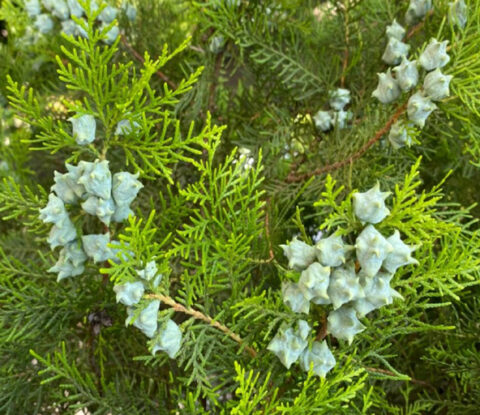


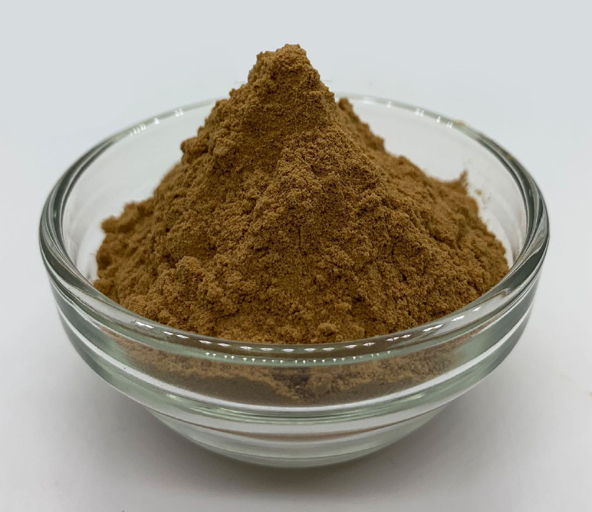

The main components of Platycodon grandiflorus leaves are volatile oils, flavonoids, and tannins; It has antibacterial, anti-tumor, anti-inflammatory, anti red blood cell oxidation, and hemostatic effects. At the same time, some commonly used Tonic Diet prescriptions containing lateral cypress leaves were introduced.

Chinese Arborvita, Oriental Arborvitae Leaf Extract Powder 10:1, 20:1, 50:1 TLC
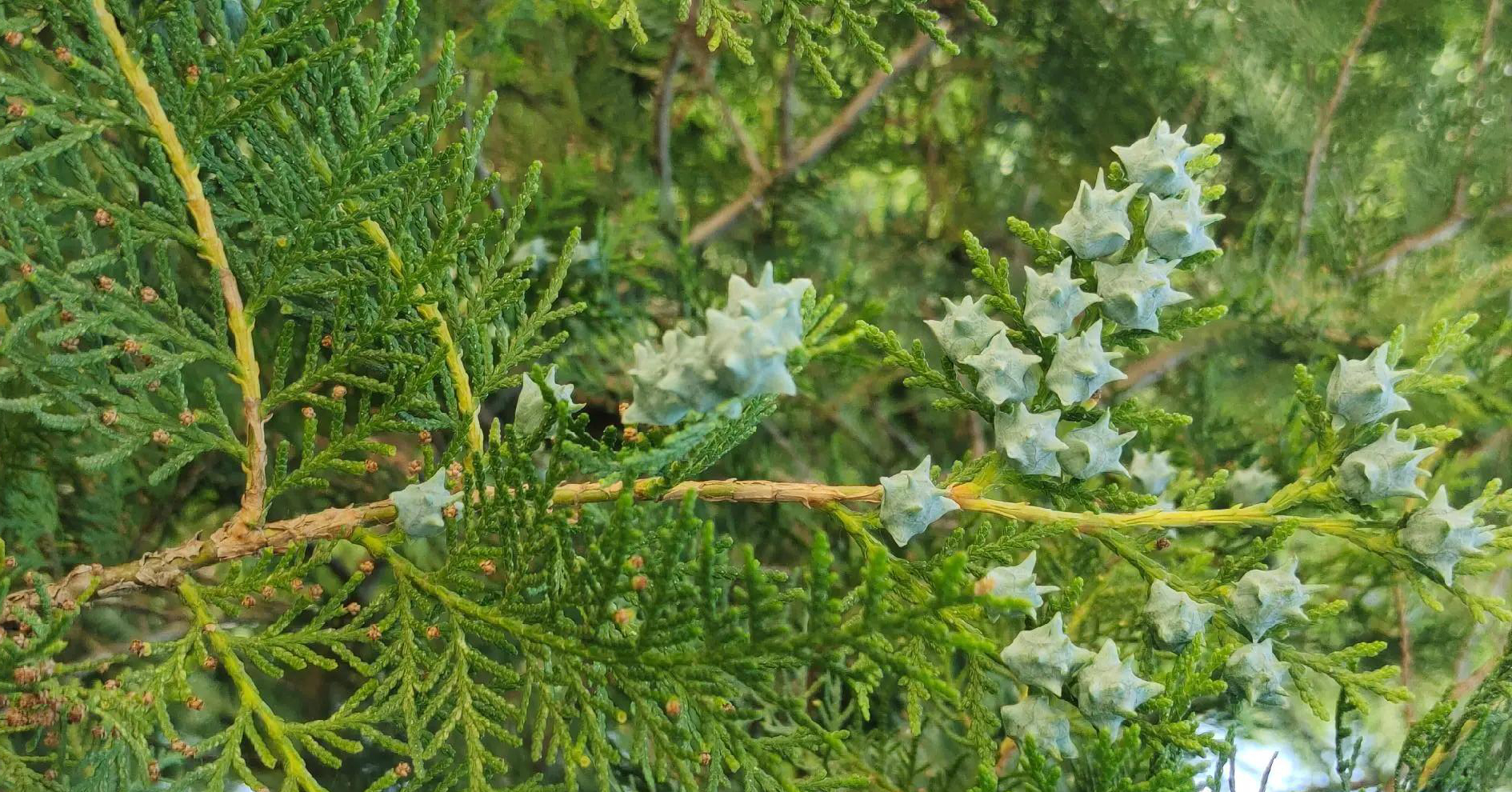
【Botanical source】: PLatycladus orientalis(L.)Franco
【Part used】: Dry branches and leaves of the cypress plant PLatycladus orientalis (L.) Franco in the family Cupressaceae.
【Specification】: 10:1, 20:1, 50:1 TLC
【Extraction solvents】: Water
【Appearance】: Brownish yellow fine powder
【Particle size】: 95% pass 80 mesh size
【Main ingredients】: The main chemical components of Platycodon grandiflorus leaves include flavonoids (such as quercetin and kaempferol), volatile oils (such as α – pinene and limonene), tannins, amino acids, and vitamin C. These ingredients endow them with antibacterial, anti-inflammatory, antioxidant and other activities, and are commonly used in traditional medicine for hemostasis, hair growth and immune regulation.
【Storage conditions】:Store at room temperature in a sealed manner, away from light, and in a ventilated, cool, and dry environment.
【Shelf life】: 24 months from the production date
Chinese Arborvita, Oriental Arborvitae Leaf Extract Powder Production Flowchart
Chinese Arborvita raw materials -Coarse powder(40 mesh) -Low temperature water extraction – 1st Reflux Extraction(10 times water,2 Hrs) – 2nd Reflux Extraction8 times water,1.5 Hrs) – 3rd Reflux Extraction(6 times water,1 Hrs) – Extraction Solution-combine&Filtrate-Concentrate-Extractum-spray drying – screening – packaging – detection of physical and chemical indicators – warehousing
Specification Sheet of Chinese Arborvita, Oriental Arborvitae Extract Powder
| Product name: | Chinese Arborvita, Oriental Arborvitae Extract | ||
| Specification: | 10:1 TLC | ||
| Part used: | Dried leaves of PLatycladus orientalis(L.)Franco | ||
| Solvent used: | Water | ||
| Process: | Raw materials crushed, extracted, concentrated and spray-dried to powder | ||
| Non GMO according to regulation (EC) 1829/2003 and 1830/2003 or United States requirements. Non allergen according to Directive 2007/68 amending Annex IIIa to Directive 2000/13/EC and US Food allergen labelling and consumer protection act 2004. | |||
| Heavy Metals: | |||
| Lead: | NMT 3ppm | Cadmium: | NMT 1ppm |
| Arsenic: | NMT 2ppm | Mercury: | NMT 1ppm |
| Residual solvents: | Comply to USP | ||
| Pesticides residues: | Conform to Regulation USP<561> | ||
| Microbiology: | |||
| Total plate count: | 10000cfu/g Max | Yeasts and molds: | 1000cfu/g Max |
| E.coli: | Not detected in (g)10 | Salmonella spp.: | Not detected in (g)25 |
| Staphylococcus aureus: | Not detected in (g)10 | Clostridium spp.: | Not Present in 0.1 g of food |
| Organoleptic quality | Method | Specifications | |
| Aspect: | Visual : ( CQ-MO-148) | Powder | |
| Color: | Visual : ( CQ-MO-148) | Brownish | |
| Flavor: | Sensory: (CQ-MO-148) | Characteristic | |
| Analytical quality | Method | Specifications | |
| Identification: | TLC | Conform | |
| Loss on drying: | USP <731> | < 10% | |
| Bulk density: | USP <616> Method I | 40 – 60 g/100mL | |
| Particle size: | Analytical sieving || USP <786> | 100% through 80meshes | |
| Packaging suitable for foodstuff. | |||
Extended Reading
Summary of Modern Pharmacological Effects of Oriental Arborvitae Extract
Oriental arborvitae, derived primarily from the leaves and twigs of Platycladus orientalis (formerly Thuja orientalis, Biota orientalis), also known as Chinese thuja or Cèbǎi, is a significant medicinal plant in traditional Chinese medicine (TCM). Modern pharmacological research has identified a range of bioactive compounds, including flavonoids (e.g., quercetin, myricetin, amentoflavone), terpenoids (e.g., hinokiol, hinokione), and lignans, which are responsible for its diverse therapeutic effects.
The key pharmacological effects identified in contemporary research include:
- Neuroprotective and Anti-neuroinflammatory: Extracts and isolated compounds (especially amentoflavone) show significant promise in protecting neurons. They inhibit acetylcholinesterase (potentially aiding Alzheimer’s disease), reduce oxidative stress in brain tissue, and suppress microglia-mediated neuroinflammation by downregulating pro-inflammatory cytokines (TNF-α, IL-1β, IL-6) and inducible nitric oxide synthase (iNOS).
- Antioxidant and Anti-aging: The flavonoids exhibit potent free radical scavenging activity against DPPH, ABTS, and superoxide anions. This activity is linked to potential anti-aging effects at the cellular level and protection of organs from oxidative damage.
- Anti-inflammatory and Analgesic: Extracts demonstrate broad anti-inflammatory effects in models of carrageenan-induced paw edema and xylene-induced ear swelling. The mechanism involves inhibition of cyclooxygenase-2 (COX-2) and prostaglandin E2 (PGE2) pathways, contributing to both anti-inflammatory and analgesic (pain-relieving) properties.
- Anticancer (Cytotoxic/Antiproliferative): Several diterpenes (e.g., hinokiol) and flavonoids exhibit cytotoxic activity against various human cancer cell lines, including lung, liver, breast, and colon cancers. Proposed mechanisms include induction of apoptosis (programmed cell death), cell cycle arrest, and inhibition of tumor metastasis and angiogenesis.
- Antimicrobial and Antiviral: The essential oil and extract show inhibitory effects against a spectrum of bacteria (e.g., Staphylococcus aureus, Escherichia coli) and fungi (e.g., Candida albicans). Notably, some compounds have demonstrated activity against herpes simplex virus (HSV) and influenza virus.
- Hair Growth Promotion: A well-documented traditional use supported by modern studies. Topical application of an ethanol extract (often cited as “Cacumen Platycladi extract”) has been shown to stimulate hair follicle proliferation, prolong the anagen (growth) phase, and inhibit 5α-reductase, the enzyme that converts testosterone to dihydrotestosterone (DHT), a key factor in androgenetic alopecia.
- Hepatoprotective and Pulmonary Protective: Extracts protect against chemical-induced liver injury (e.g., from CCl₄ or acetaminophen) by reducing oxidative damage and inflammation. Emerging research also suggests protective effects against lung injury and fibrosis, potentially via anti-inflammatory pathways.
- Antithrombotic and Cardiovascular Protective: Compounds like amentoflavone may inhibit platelet aggregation, reducing the risk of thrombosis. Antioxidant effects also contribute to potential protection against atherosclerosis.
Mechanistic Insights: Many effects are mediated through the modulation of key signaling pathways, including NF-κB (inflammation), MAPK (cell proliferation/stress), and Nrf2/HO-1 (antioxidant defense).
Conclusion: Modern research provides scientific validation for several traditional uses of Oriental arborvitae, particularly in treating inflammatory conditions, hair loss, and microbial infections. Its neuroprotective and anticancer effects are promising areas for future drug development. While generally considered safe at medicinal doses, further high-quality clinical trials in humans are needed to fully establish efficacy and safety profiles for specific health conditions.
References
- Lee, S. Y., Kim, K. H., Lee, I. K., Lee, K. H., Choi, S. U., & Lee, K. R. (2012). A new flavonoid from the leaves of Platycladus orientalis. Chemical & Pharmaceutical Bulletin, 60(12), 1574-1577.
- Zhang, L., Li, D. C., & Liu, L. F. (2019). Platycladus orientalis leaves: A systematic review of botany, phytochemistry, traditional uses, pharmacology, and quality control. Phytochemistry Reviews, 18(5), 1261-1302.
- Park, K. H., Park, J., Koh, D., & Lim, Y. (2014). Effect of Platycladus orientalis leaf extracts on hair growth in vivo and in vitro. Archives of Dermatological Research, 306(9), 809-816.
- Chen, Y., Liu, L., Liu, H., & Wang, Q. (2021). Amentoflavone from Platycladus orientalis attenuates Aβ-induced toxicity and autophagy in Caenorhabditis elegans model of Alzheimer’s disease. Journal of Ethnopharmacology, 273, 113985.
- Wu, Q., Li, Y., & Shi, S. (2016). Anti-inflammatory and analgesic activity of total flavonoids from Platycladus orientalis (L.) Franco. Journal of Medicinal Plants Research, 10(27), 422-428.
- Lee, J. H., Lee, J. Y., Kang, H. S., Kim, J. H., & Lee, J. J. (2016). The effect of Platycladus orientalis extract on the inhibition of metastasis in human lung cancer cells. Oncology Reports, 35(4), 2129-2136.
- Yang, Y., Yin, R., Wu, R., Ramirez, M. V., & Li, Z. (2020). Antimicrobial compounds from Platycladus orientalis (Cupressaceae). Molecules, 25(9), 2134.
- Zhang, M., Zhang, H., Li, H., & Wang, L. (2018). Hepatoprotective effect of total flavonoids from Platycladus orientalis against carbon tetrachloride-induced liver injury in mice. Pharmaceutical Biology, 56(1), 565-573.
Note: This summary is for informational purposes. It may interact with medications and is contraindicated in certain conditions. Consult a healthcare professional before therapeutic use, particularly regarding its estrogenic activity.