
Oyster Extract Powder 10:1, 20:1, 50:1 TLC
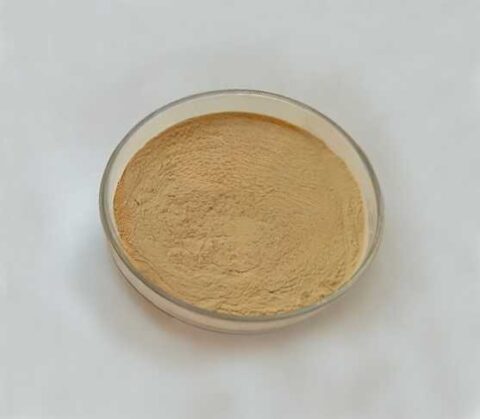
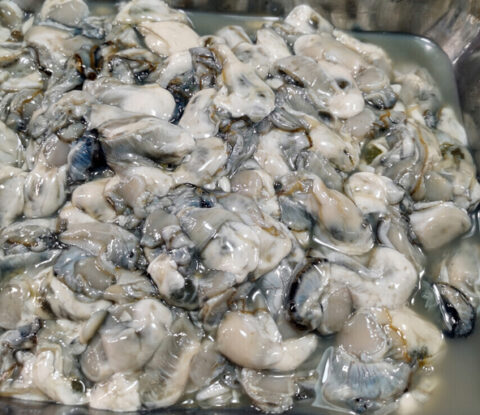


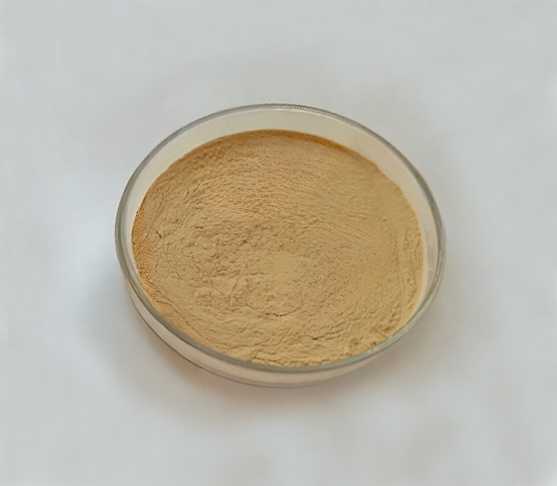
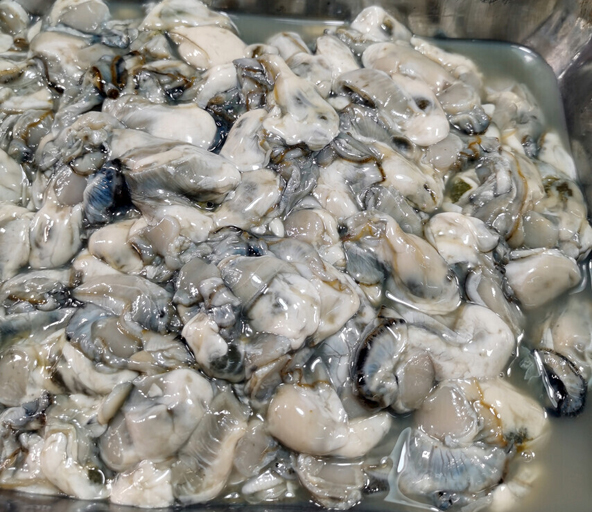
Oyster Extract Powder 10:1, 20:1, 50:1 TLC
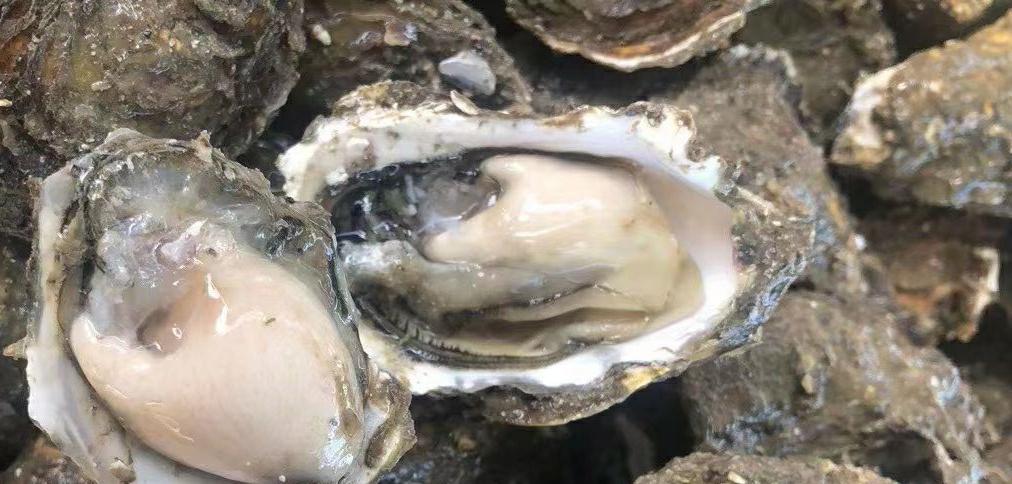
【Botanical source】: Ostrea rivularis Gould, Ostrea gigas Thunberg, Ostrea talienwha Grosse or Ostrea denselamellosa Lischke
【Part used】: Meat
【Specification】: 10:1, 20:1, 50:1 Extract Powder TLC, Freeze-dried
【Appearance】: Light yellow or offwhite fine powder
【Extraction solvents】: Water
【Particle size】: 95% pass 120 mesh size
【Main ingredients】: Oysters are rich in high-quality protein, zinc, and various amino acids, which have the effects of enhancing immunity and improving anemia. They are low calorie and high nutrient seafood. Its mineral content is particularly prominent, suitable for people who need to supplement their nutrition to consume in moderation.
【Storage conditions】:Store at room temperature in a sealed manner, away from light, and in a ventilated, cool, and dry environment.
【Shelf life】: 24 months from the production date
Oyster Extract Powder Production Flowchart
Oyster raw materials -Coarse powder(40 mesh) -Low temperature water extraction – 1st Reflux Extraction(10 times water,2 Hrs) – 2nd Reflux Extraction8 times water,1.5 Hrs) – 3rd Reflux Extraction(6 times water,1 Hrs) – Extraction Solution-combine&Filtrate-Concentrate-Extractum-spray drying – screening – packaging – detection of physical and chemical indicators – warehousing
Specification Sheet of Oyster Extract Powder
| Product name: | Oyster Extract | ||
| Specification: | 10:1 TLC | ||
| Part used: | Meat of Ostrea rivularis Gould | ||
| Solvent used: | Water | ||
| Process: | Raw materials crushed, extracted, concentrated and spray-dried to powder | ||
| Non GMO according to regulation (EC) 1829/2003 and 1830/2003 or United States requirements. Non allergen according to Directive 2007/68 amending Annex IIIa to Directive 2000/13/EC and US Food allergen labelling and consumer protection act 2004. | |||
| Heavy Metals: | |||
| Lead: | NMT 3ppm | Cadmium: | NMT 1ppm |
| Arsenic: | NMT 2ppm | Mercury: | NMT 1ppm |
| Residual solvents: | Comply to USP | ||
| Pesticides residues: | Conform to Regulation USP<561> | ||
| Microbiology: | |||
| Total plate count: | 10000cfu/g Max | Yeasts and molds: | 1000cfu/g Max |
| E.coli: | Not detected in (g)10 | Salmonella spp.: | Not detected in (g)25 |
| Staphylococcus aureus: | Not detected in (g)10 | Clostridium spp.: | Not Present in 0.1 g of food |
| Organoleptic quality | Method | Specifications | |
| Aspect: | Visual : ( CQ-MO-148) | Powder | |
| Color: | Visual : ( CQ-MO-148) | Light yellow | |
| Flavor: | Sensory: (CQ-MO-148) | Characteristic | |
| Analytical quality | Method | Specifications | |
| Identification: | TLC | Conform | |
| Loss on drying: | USP <731> | < 10% | |
| Bulk density: | USP <616> Method I | 40 – 60 g/100mL | |
| Particle size: | Analytical sieving || USP <786> | 100% through 80meshes | |
| Packaging suitable for foodstuff. | |||
Extended Reading
Modern Pharmacological Research on Oyster Extract
Oyster extract, primarily derived from edible oyster species like Crassostrea gigas (Pacific oyster) and Ostrea edulis (European flat oyster), is a concentrated source of marine bioactives. Modern research has moved beyond its historical use as a nutritive tonic to investigate its specific pharmacological mechanisms and therapeutic potential.
Key Bioactive Constituents:
- Proteins and Peptides: Rich in taurine, glycine, and bioactive peptides with specific sequences.
- Minerals: Exceptionally high in zinc, selenium, copper, and iron in highly bioavailable forms.
- Amino Acids & Derivatives: High concentrations of taurine, glutamine, and betaines (e.g., glycine betaine).
- Lipids: Contains unique marine sterols, phospholipids, and omega-3 fatty acids (DHA, EPA).
- Glycosaminoglycans (GAGs) & Polysaccharides: Including sulfated polysaccharides with heparin-like structures.
- Antioxidants: Endogenous antioxidants like 3,5-dihydroxy-4-methoxybenzyl alcohol (DHMBA), a potent phenolic compound.
Pharmacological Activities & Mechanisms:
- Antioxidant & Hepatoprotective Effects:
This is one of the most robust areas of research. Oyster extract, particularly its unique antioxidant DHMBA, demonstrates potent radical scavenging activity that surpasses common antioxidants like α-tocopherol in vitro.
- Mechanism: Reduces oxidative stress markers (MDA, ROS), upregulates endogenous antioxidant enzymes (SOD, GSH-Px), and inhibits inflammatory pathways (NF-κB, TNF-α).
- Evidence: Animal studies show significant protection against alcohol-induced, drug-induced (e.g., acetaminophen), and chemical-induced liver damage.
- Anti-Fatigue & Energy Metabolism:
Clinical and pre-clinical studies support its traditional use for combating fatigue.
- Mechanism:
- Modulates energy metabolism by increasing glycogen storage in liver and muscle.
- Reduces lactate and blood urea nitrogen (BUN) accumulation during physical exertion.
- The high zinc content is crucial for enzymes in energy production and protein synthesis.
- Evidence: Randomized controlled trials (RCTs) in humans show improved endurance, reduced subjective fatigue, and faster recovery.
- Immunomodulatory Activity:
Oyster extract acts as an immunomodulator, primarily through its polysaccharides and zinc.
- Mechanism:
- Enhances macrophage phagocytosis, natural killer (NK) cell activity, and lymphocyte proliferation.
- Modulates cytokine production (increases IL-2, IFN-γ; decreases IL-4, IL-6 in specific models).
- Evidence: In vivo studies demonstrate enhanced resistance to bacterial and viral infections and improved immune parameters in immunosuppressed models.
- Sexual Health & Endocrine Modulation:
The high zinc content is essential for testosterone synthesis and reproductive health.
- Mechanism: Zinc acts as a cofactor for enzymes involved in steroidogenesis. Taurine and amino acids may support endothelial function and blood flow.
- Evidence: Animal studies show increased serum testosterone, improved sperm quality, and mating behavior. Limited human studies suggest benefits for libido and sexual function, particularly in zinc-deficient individuals.
- Cardiovascular & Metabolic Benefits:
- Mechanism:
- Antihypertensive: Bioactive peptides exhibit ACE-inhibitory activity.
- Antihyperlipidemic: Reduces serum triglycerides and cholesterol in animal models, possibly via betaine content (promoting homocysteine metabolism) and omega-3s.
- Anti-atherosclerotic: Antioxidant and anti-inflammatory actions protect endothelial cells.
- Evidence: Primarily from animal models of metabolic syndrome and hypertension.
- Neuroprotective & Cognitive Effects:
Emerging research highlights potential benefits for brain health.
- Mechanism:
- High zinc and selenium are crucial for neuronal function and antioxidant defense in the brain.
- Taurine acts as a neuromodulator and neuroprotectant.
- Anti-inflammatory effects may protect against neuroinflammation.
- Evidence: Animal studies show improved cognitive performance in learning/memory tasks, reduced amyloid-beta toxicity in Alzheimer’s models, and protection against ischemic brain injury.
- Bone Health (Osteogenic Activity):
- Mechanism: Rich mineral matrix (zinc, copper, calcium) and specific peptides may stimulate osteoblast (bone-forming cell) activity and inhibit osteoclast (bone-resorbing cell) function.
- Evidence: In vitro studies show promotion of osteoblast differentiation and mineralization. Animal studies indicate it may prevent bone loss in ovariectomized (post-menopausal) models.
Safety and Toxicology:
Oyster extract is generally well-tolerated. Key considerations include:
- Allergy: Contraindicated in individuals with shellfish allergy.
- Heavy Metals: As filter feeders, oysters can bioaccumulate heavy metals (cadmium, lead). Reputable manufacturers use rigorous quality control and source from clean waters to ensure safety.
- Purine Content: High in purines; caution advised for individuals with gout or hyperuricemia.
- Drug Interactions: Theoretical interaction with anticoagulants due to trace GAGs, though clinical significance is likely low.
Conclusion:
Modern pharmacological research substantiates oyster extract as a multi-target nutraceutical with potent antioxidant, anti-fatigue, immunomodulatory, and hepatoprotective properties. Its effects are largely attributed to the synergistic action of its unique constituents (DHMBA, taurine, zinc, bioactive peptides). While animal and in vitro data are compelling, more high-quality, large-scale human RCTs are needed to confirm therapeutic efficacy for specific conditions. Future research is focusing on the isolation and characterization of specific bioactive peptides and polysaccharides.
References:
- Watanabe, M., et al. (2012). “Antioxidant properties of a rare antioxidant, 3,5-dihydroxy-4-methoxybenzyl alcohol (DHMBA), isolated from the Pacific oyster (Crassostrea gigas): A comparison with other antioxidants.” Journal of Agricultural and Food Chemistry, 60(35), 9304-9309.
- Zhao, J., et al. (2018). “Anti-fatigue effect of oyster (Crassostrea gigas) hydrolysate in mouse model.” Food & Function, 9(10), 5220-5229.
- Murota, K., et al. (2014). “Oyster extract attenuates oxidative stress and inflammation in hypercholesterolemic rabbits.” Phytotherapy Research, 28(2), 240-243.
- Qian, G., et al. (2020). “Oyster-derived zinc-binding peptide modified by plasma glucosidase inhibits the malignant progression of HepG2 cells.” Marine Drugs, 18(5), 243.
- Park, J. C., et al. (2011). “Effect of oyster extract on testosterone secretion in rats.” Journal of the Korean Society of Food Science and Nutrition, 40(11), 1524-1529.
- Umayaparvathi, S., et al. (2014). “Immunomodulatory activity of oyster (Crassostrea madrasensis) protein hydrolysate on RAW 264.7 macrophages and in BALB/c mice.” Journal of Functional Foods, 11, 485-494.
- Zhang, B., et al. (2019). “Neuroprotective effects of oyster (Crassostrea gigas) hydrolysate on Aβ-induced oxidative stress and apoptosis in PC12 cells.” Journal of Food Biochemistry, 43(8), e12949.
- Choi, J. W., et al. (2018). “Oyster hydrolysate improves bone mineral density in ovariectomized rats.” Journal of Medicinal Food, 21(12), 1249-1256.
- Azuma, T., et al. (2018). “The effect of oyster (Crassostrea gigas) extract on physical fatigue in humans: A randomized, double-blind, placebo-controlled study.” Journal of Nutritional Science and Vitaminology, 64(2), 144-151.
- Wang, Y., et al. (2021). “Purification and characterization of a novel ACE inhibitory peptide from oyster (Crassostrea gigas) protein hydrolysate.” European Food Research and Technology, 247, 1303-1312.
Note: This summary is for informational purposes. It may interact with medications and is contraindicated in certain conditions. Consult a healthcare professional before therapeutic use, particularly regarding its estrogenic activity.