
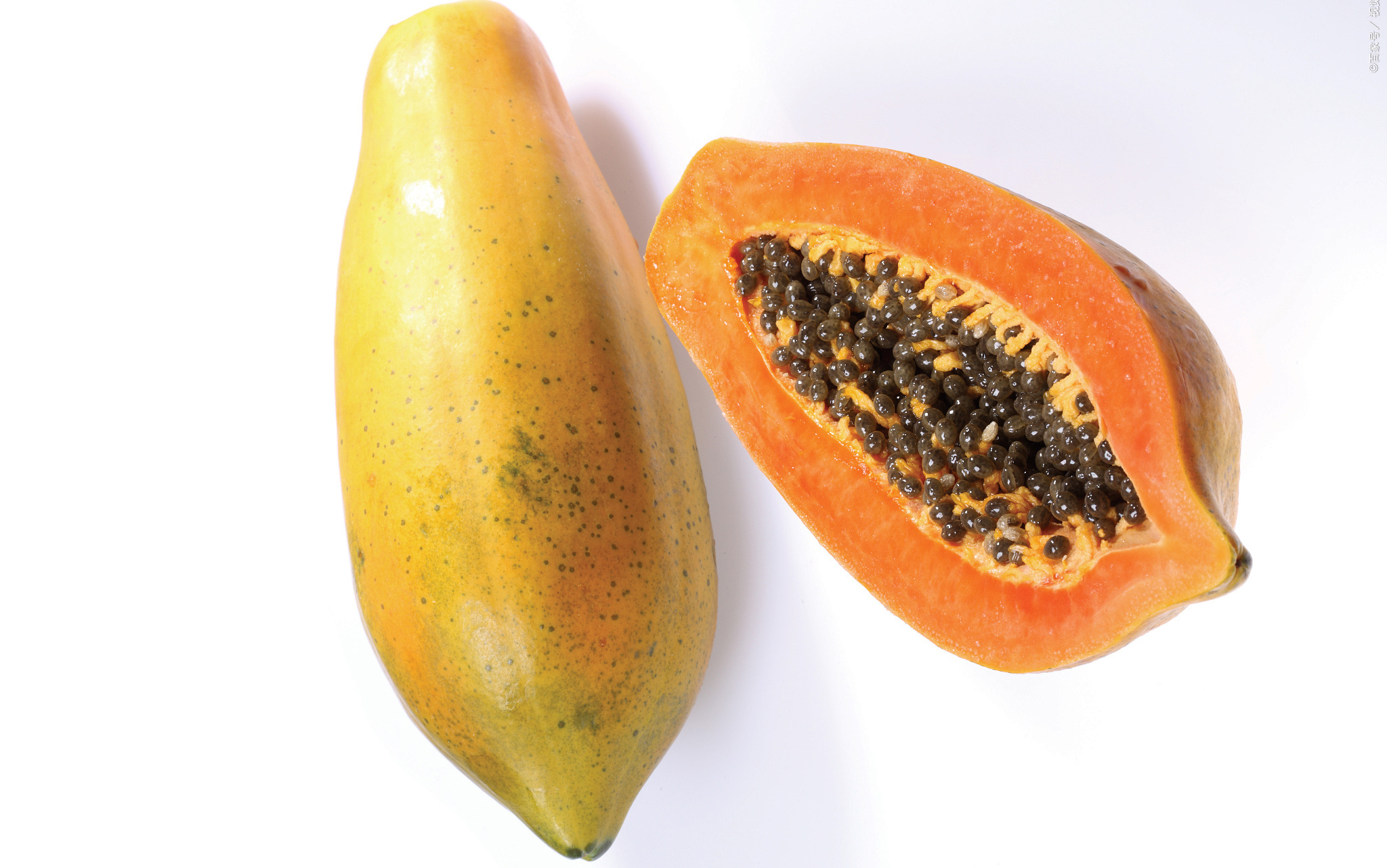
Papaya Fruit Extract Powder, Papaya Fruit Instant Powder
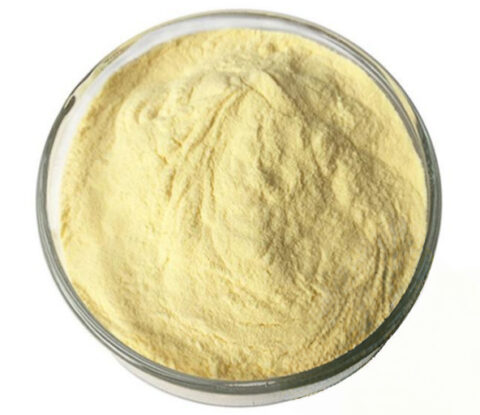
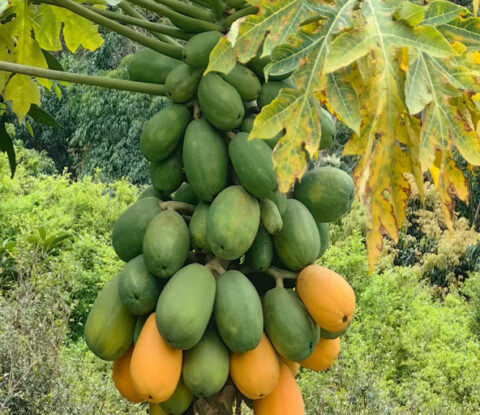


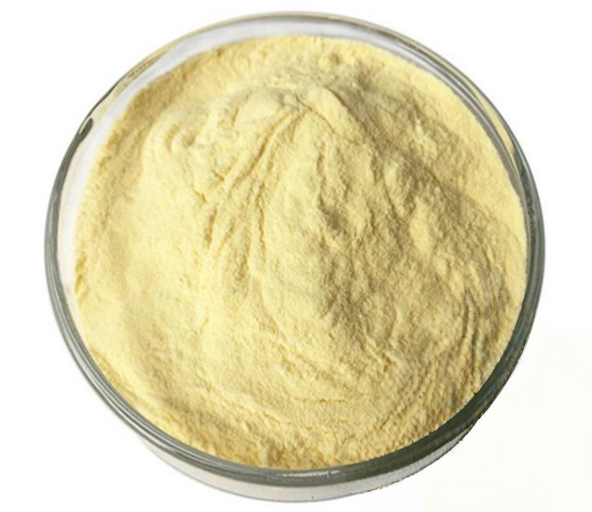
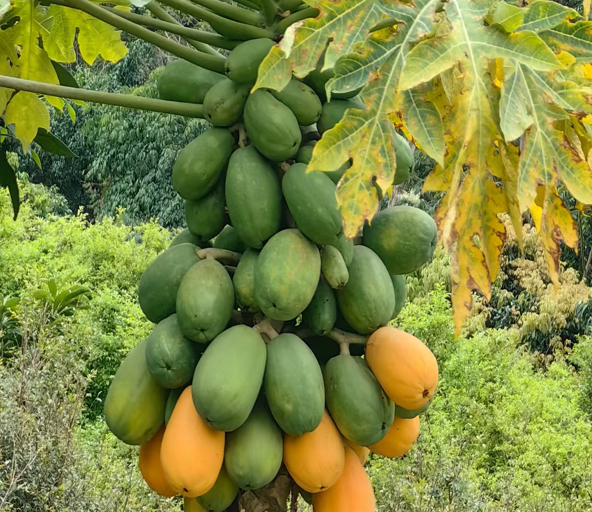
The modern pharmacological effects of papaya primarily stem from its core components, including papain, chymopapain, and alkaloids (such as papaverine). Papain exhibits significant anti-inflammatory, wound healing-promoting, and digestive aid functions; papaverine demonstrates antiparasitic and potential antitumor activities. Its high content of vitamin C and carotenoids synergistically provides potent antioxidant support, contributing to immune regulation and skin health.

Papaya Fruit Extract Powder, Papaya Fruit Instant Powder
【Botanica source】: Carica papaya L
【Part used】: Fruit
【Specification】: Pineapple Fruit Instant Powder
【Extraction solvents】: Water
【Appearance】: Light yellow fine powder
【Particle size】: 95% pass 80 mesh size
【Main ingredients】: Papaya is rich in water and natural sugars. Its core active ingredient is papain, a potent proteolytic enzyme, which, together with chymosin and other enzymes, constitutes the digestive enzyme system. In addition, the fruit is rich in vitamin C, provitamin A (β-carotene), folate, and minerals such as potassium and magnesium, as well as polyphenol antioxidants.
【Storage conditions】:Store at room temperature in a sealed manner, away from light, and in a ventilated, cool, and dry environment.
【Shelf life】: 24 months from the production date.
Papaya Fruit Extract Powder Production Flowchart
Pineapple Fruit raw materials -Coarse powder(40 mesh) -Low temperature water extraction – 1st Reflux Extraction(10 times water,2 Hrs) – 2nd Reflux Extraction8 times water,1.5 Hrs) – 3rd Reflux Extraction(6 times water,1 Hrs) – Extraction Solution-combine&Filtrate-Concentrate-Extractum-spray drying – screening – packaging – detection of physical and chemical indicators – warehousing
Specification Sheet of Papaya Fruit Extract Powder
| Product name: | Papaya fruit instant powder | ||
| Specification: | 10:1 TLC | ||
| Part used: | Fruit of Carica papaya L | ||
| Solvent used: | Water | ||
| Process: | Raw materials crushed, extracted, concentrated and spray-dried to powder | ||
| Non GMO according to regulation (EC) 1829/2003 and 1830/2003 or United States requirements. Non allergen according to Directive 2007/68 amending Annex IIIa to Directive 2000/13/EC and US Food allergen labelling and consumer protection act 2004. | |||
| Heavy Metals: | |||
| Lead: | NMT 3ppm | Cadmium: | NMT 1ppm |
| Arsenic: | NMT 2ppm | Mercury: | NMT 1ppm |
| Residual solvents: | Comply to USP | ||
| Pesticides residues: | Conform to Regulation USP<561> | ||
| Microbiology: | |||
| Total plate count: | 10000cfu/g Max | Yeasts and molds: | 1000cfu/g Max |
| E.coli: | Not detected in (g)10 | Salmonella spp.: | Not detected in (g)25 |
| Staphylococcus aureus: | Not detected in (g)10 | Clostridium spp.: | Not Present in 0.1 g of food |
| Organoleptic quality | Method | Specifications | |
| Aspect: | Visual : ( CQ-MO-148) | Powder | |
| Color: | Visual : ( CQ-MO-148) | Light yellow | |
| Flavor: | Sensory: (CQ-MO-148) | Characteristic | |
| Analytical quality | Method | Specifications | |
| Identification: | TLC | Conform | |
| Loss on drying: | USP <731> | < 10% | |
| Bulk density: | USP <616> Method I | 40 – 60 g/100mL | |
| Particle size: | Analytical sieving || USP <786> | 100% through 80meshes | |
| Packaging suitable for foodstuff. | |||
Extended Reading
Summary of Modern Research on Papaya Instant Powder
Chemical Components
Papaya instant powder, derived typically from the fruit (Carica papaya), is a concentrated source of:
- Enzymes: Most notably papain (a cysteine protease) and chymopapain, which are partially preserved depending on processing temperature.
- Vitamins: Exceptionally high in vitamin C and vitamin A (as beta-carotene).
- Phytochemicals: Contains flavonoids (like myricetin), phenolic acids, and the unique alkaloid carpaine.
- Minerals: Rich in potassium, magnesium, and contains trace amounts of calcium and iron.
- Fibers: Contains both soluble and insoluble dietary fiber, including pectin.
Health Benefits
Modern research, primarily in vitro and animal-based with some human studies, suggests:
- Digestive Health: The proteolytic enzymes (papain) aid in protein digestion, potentially alleviating symptoms of dyspepsia and bloating.
- Antioxidant & Anti-inflammatory: High vitamin C, carotenoids, and phenolics combat oxidative stress. Carpaine and flavonoids modulate inflammatory markers (e.g., TNF-α, IL-6).
- Gastrointestinal Support: May promote gut motility and exhibit protective effects against gastric ulcers in animal models.
- Immunomodulation: Vitamin C and A are crucial for immune function. Some studies indicate papaya extracts can enhance immune response.
- Wound Healing (Topical): Papain-based formulations are used in clinical debridement to remove necrotic tissue and promote healing.
- Potential Metabolic Benefits: Preliminary studies suggest anti-diabetic and cholesterol-lowering effects, linked to fiber and antioxidant content.
Interactions
- Anticoagulants/Antiplatelets (e.g., warfarin, aspirin): Theoretical risk of increased bleeding due to potential antiplatelet effects, though clinical evidence is limited.
- Thyroid Function: Unripe papaya contains goitrogens (benzyl isothiocyanate); impact of ripe fruit powder is likely minimal but caution is advised for those with thyroid disorders.
- Diuretics: May potentiate the effect of potassium-sparing diuretics due to its high potassium content.
- Digestive Enzyme Supplements: Additive effect with other proteolytic enzymes (like bromelain).
Taboo & Warnings
- Allergy: Contraindicated in individuals with latex-fruit syndrome (cross-reactivity with papain and chitinases).
- Pregnancy: Avoid high-dose/unripe papaya products. Papain may act as an abortifacient and latex in unripe papaya can stimulate uterine contractions.
- Surgery: Discontinue at least 2 weeks before surgery due to potential effects on blood sugar and clotting.
- Side Effects: High doses may cause gastrointestinal irritation, esophagitis, or hyperkalemia (due to high potassium).
- Processing Impact: High-temperature drying can denature papain, significantly reducing enzymatic activity. Product quality and potency vary widely.
Applications
- Nutraceutical & Digestive Aid: Sold in capsule or powder form as a digestive enzyme supplement.
- Functional Food Ingredient: Used in smoothies, meal replacements, and health drinks for its nutrient and flavor profile.
- Cosmeceuticals: Incorporated into exfoliating and brightening skincare products for its enzymatic action.
- Traditional Medicine: Used in various cultures for gastrointestinal support and as a general tonic.
References
- Nutrition Journal, 2011. “Carica papaya Linn.: An Overview.” (Overview of phytochemistry and pharmacology).
- Asian Pacific Journal of Tropical Biomedicine, 2014. “Antioxidant and anti-inflammatory activities of Carica papaya Linn.”
- Journal of Ethnopharmacology, 2013. “Gastroprotective effects of Carica papaya seed and fruit extracts.”
- Food and Chemical Toxicology, 2013. “Effect of Carica papaya on wound healing in diabetic rats.”
- Journal of Dietary Supplements, 2018. “Papaya preparation (Caricol®) in digestive disorders.” (Human study on digestive benefits).
- Toxicology Reports, 2020. “Safety assessment of Carica papaya fruit products.” (Reviews toxicity and contraindications).
- International Journal of Food Science, 2019. “Effect of drying methods on the chemical constituents of papaya fruit powder.”
Disclaimer: This information is for scientific and educational purposes. Papaya instant powder is a dietary supplement, not a medicine. Effects can vary based on processing, dose, and individual health status. Consultation with a healthcare professional is essential before therapeutic use, especially for pregnant women, individuals on medication, or those with chronic health conditions.