
Parsley Extract Powder 10:1, 20:1, 50:1 TLC
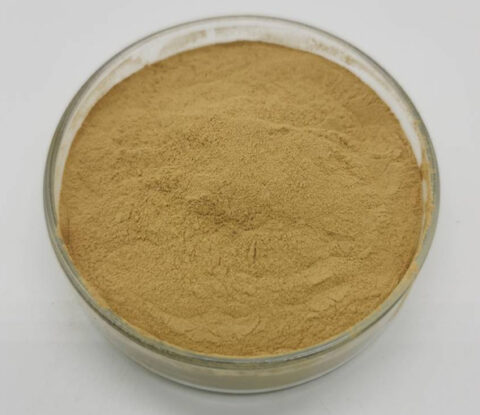
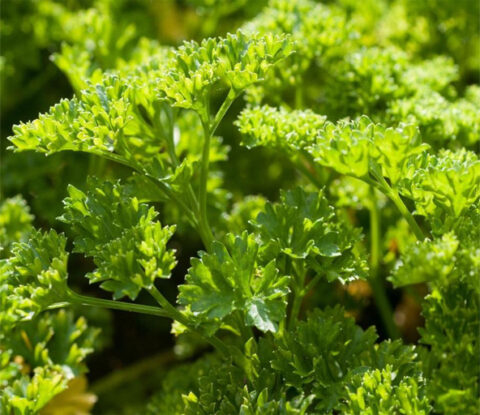


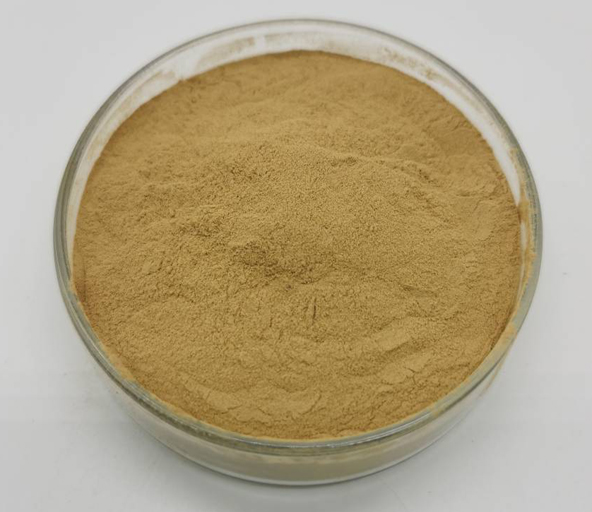
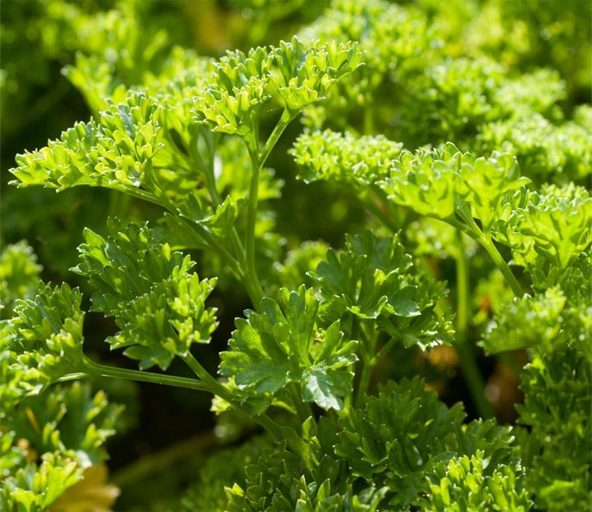
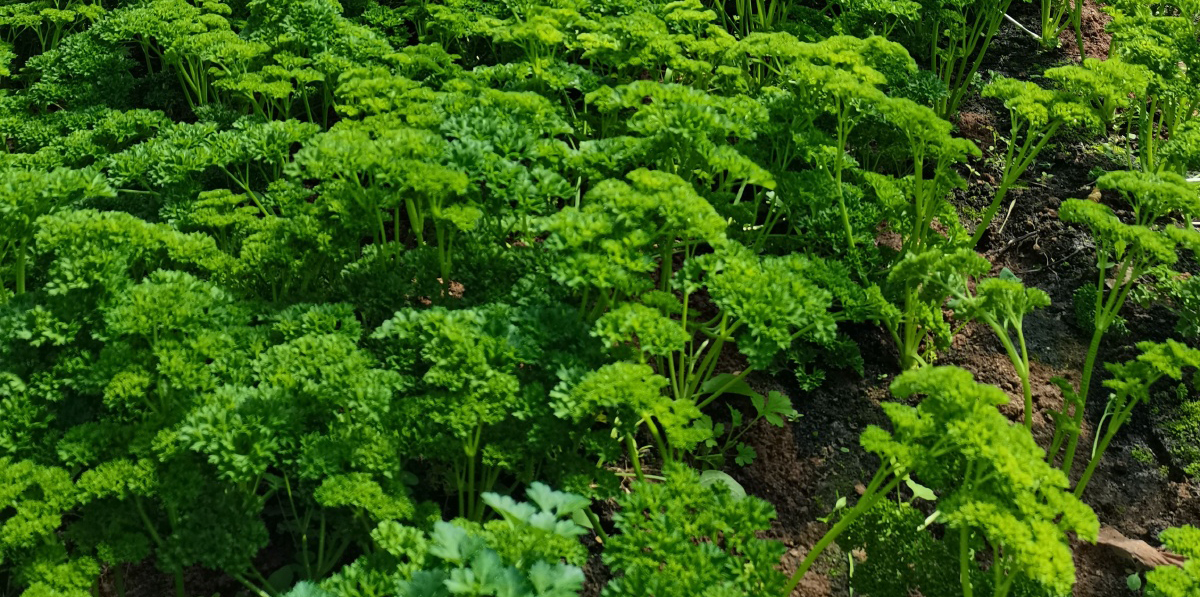
Parsley is rich in flavonoids and volatile oils, and has significant antioxidant, anti-inflammatory, and diuretic effects. Its high content of vitamin K is crucial for coagulation and bone health. Research has shown that it can help lower blood sugar, protect the liver, and inhibit microorganisms, but consuming in large quantities may affect anticoagulant efficacy and lead to photosensitivity.

Parsley Extract Powder 10:1, 20:1, 50:1 TLC
【Botanical source】: Petroselinum crispum (Mill.) Fuss
【Part used】: Whole herb
【Specification】: 10:1, 20:1, 50:1 TLC
【Extraction solvents】: Water
【Appearance】: Brownish fine powder
【Particle size】: 95% pass 80 mesh size
【Main ingredients】: Parsley is rich in volatile oils such as nutmeg ether and celery brain, flavonoids such as apigenin and luteolin, and various vitamins such as K, C, and A. Simultaneously containing minerals such as chlorophyll, iron, calcium, as well as coumarin compounds. Its antioxidant and anti-inflammatory activities are significant, making it an important medicinal and edible plant.
【Storage conditions】:Store at room temperature in a sealed manner, away from light, and in a ventilated, cool, and dry environment.
【Shelf life】: 24 months from the production date
Parsley Extract Powder Production Flowchart
Parsley raw materials -Coarse powder(40 mesh) -Low temperature water extraction – 1st Reflux Extraction(10 times water,2 Hrs) – 2nd Reflux Extraction8 times water,1.5 Hrs) – 3rd Reflux Extraction(6 times water,1 Hrs) – Extraction Solution-combine&Filtrate-Concentrate-Extractum-spray drying – screening – packaging – detection of physical and chemical indicators – warehousing
Specification Sheet of Parsley Extract Powder
| Product name: | Parsley Extract | ||
| Specification: | 10:1 TLC | ||
| Part used: | Whole herb of Petroselinum crispum (Mill.) Fuss | ||
| Solvent used: | Water | ||
| Process: | Raw materials crushed, extracted, concentrated and spray-dried to powder | ||
| Non GMO according to regulation (EC) 1829/2003 and 1830/2003 or United States requirements. Non allergen according to Directive 2007/68 amending Annex IIIa to Directive 2000/13/EC and US Food allergen labelling and consumer protection act 2004. | |||
| Heavy Metals: | |||
| Lead: | NMT 3ppm | Cadmium: | NMT 1ppm |
| Arsenic: | NMT 2ppm | Mercury: | NMT 1ppm |
| Residual solvents: | Comply to USP | ||
| Pesticides residues: | Conform to Regulation USP<561> | ||
| Microbiology: | |||
| Total plate count: | 10000cfu/g Max | Yeasts and molds: | 1000cfu/g Max |
| E.coli: | Not detected in (g)10 | Salmonella spp.: | Not detected in (g)25 |
| Staphylococcus aureus: | Not detected in (g)10 | Clostridium spp.: | Not Present in 0.1 g of food |
| Organoleptic quality | Method | Specifications | |
| Aspect: | Visual : ( CQ-MO-148) | Powder | |
| Color: | Visual : ( CQ-MO-148) | Brownish | |
| Flavor: | Sensory: (CQ-MO-148) | Characteristic | |
| Analytical quality | Method | Specifications | |
| Identification: | TLC | Conform | |
| Loss on drying: | USP <731> | < 10% | |
| Bulk density: | USP <616> Method I | 40 – 60 g/100mL | |
| Particle size: | Analytical sieving || USP <786> | 100% through 80meshes | |
| Packaging suitable for foodstuff. | |||
Extended Reading
Modern Research on Parsley Extract
- Chemical Components:
Parsley (Petroselinum crispum) extract contains a diverse array of bioactive compounds, primarily concentrated in its leaves and seeds.
- Flavonoids: Notably apigenin, luteolin, and their glycosides (e.g., apiin), which are potent antioxidants.
- Volatile Oils (Essential Oils): Rich in myristicin, apiole, 1,3,8-p-menthatriene, and β-phellandrene, responsible for its aroma and many biological activities.
- Phenolic Compounds: Includes various phenolic acids.
- Vitamins: Exceptionally high in vitamin K (phylloquinone), and a significant source of vitamins C, A (beta-carotene), and folate.
- Minerals: Contains iron, calcium, potassium, and magnesium.
- Furanocoumarins: Such as bergapten and xanthotoxin, which are photosensitizing compounds.
- Health Benefits (Evidence-Based):
- Antioxidant & Anti-inflammatory: High flavonoid and vitamin content effectively scavenges free radicals and reduces inflammatory markers (e.g., TNF-α, IL-6) in vitro and in animal models.
- Diuretic & Nephroprotective: Historically used as a diuretic; animal studies confirm its water and sodium excretory effects, potentially aiding in urinary tract health and reducing blood pressure.
- Antimicrobial: Essential oils and extracts show inhibitory effects against bacteria (E. coli, S. aureus) and fungi (Candida spp.).
- Antidiabetic & Hepatoprotective: Animal studies indicate potential to lower blood glucose, improve lipid profiles, and protect the liver from toxin-induced damage, attributed to its antioxidant properties.
- Bone Health: Exceptionally high vitamin K1 content is crucial for bone metabolism and calcium regulation, supporting bone density.
- Interactions & Warnings:
- Anticoagulant Drugs (Warfarin): The very high vitamin K content can antagonize warfarin’s effect, posing a serious risk of reduced therapeutic efficacy and clotting. Patients must maintain consistent dietary intake.
- Diuretic Medications: May have additive effects with prescription diuretics, potentially leading to excessive fluid/electrolyte loss.
- Photosensitivity: Due to furanocoumarins (especially in large doses of seed extract), it may increase skin sensitivity to UV light, raising the risk of photodermatitis.
- Hypoglycemic Drugs: May potentiate blood sugar-lowering effects, requiring monitoring.
- Pregnancy: Contraindicated in therapeutic doses, especially seed and root extracts, as the volatile oils (apiole, myristicin) have historically been used as abortifacients and may stimulate uterine contractions.
- Taboos & Contraindications:
- Pregnancy and Lactation: Avoid medicinal doses, teas, or concentrated extracts. Culinary use as a garnish is generally considered safe.
- Kidney Disorders (Active): Avoid high-dose diuretic use in cases of kidney inflammation or severe dysfunction.
- Allergy: Contraindicated in individuals allergic to plants in the Apiaceae family (celery, carrot, mugwort).
- Applications:
- Nutraceuticals & Functional Foods: Used in detox blends, diuretic teas, and green food supplements for its nutrient density.
- Pharmaceutical Interest: As a source of apigenin for anti-inflammatory and neuroprotective research.
- Cosmetics & Skincare: Incorporated into products for its antioxidant and detoxifying claims. Essential oil is used in perfumery.
- Food Industry: Widely used as a culinary herb, flavoring agent, and natural preservative due to its antimicrobial properties.
References (Key Studies & Reviews):
- Nielsen, S. E., et al. (1999). Flavonoids in parsley and celery are potent inhibitors of cytochrome P450 enzymes and may affect drug metabolism. Journal of Agricultural and Food Chemistry, 47(1), 19-23.
- Wong, P. Y. Y., & Kitts, D. D. (2006). Studies on the dual antioxidant and antibacterial properties of parsley (Petroselinum crispum) and cilantro (Coriandrum sativum) extracts. Food Chemistry, 97(3), 505-515.
- Farzaei, M. H., et al. (2013). Parsley: a review of ethnopharmacology, phytochemistry and biological activities. Journal of Traditional Chinese Medicine, 33(6), 815-826.
- Meyer, H., et al. (2006). Bioavailability of apigenin from apiin-rich parsley in humans. Annals of Nutrition and Metabolism, 50(3), 167-172.
- Bolkent, S., et al. (2004). Effects of parsley (Petroselinum crispum) on the liver of diabetic rats: a morphological and biochemical study. Phytotherapy Research, 18(12), 996-999.
- Aljanaby, A. A. J. J. (2018). Antibacterial activity of an aqueous extract of Petroselinum crispum leaves against pathogenic bacteria isolated from patients with burns infections in Al-Najaf Governorate, Iraq. Research Journal of Pharmacy and Technology, 11(2), 449-454.
Note: This summary is for informational purposes. It may interact with medications and is contraindicated in certain conditions. Consult a healthcare professional before therapeutic use, particularly regarding its estrogenic activity.