
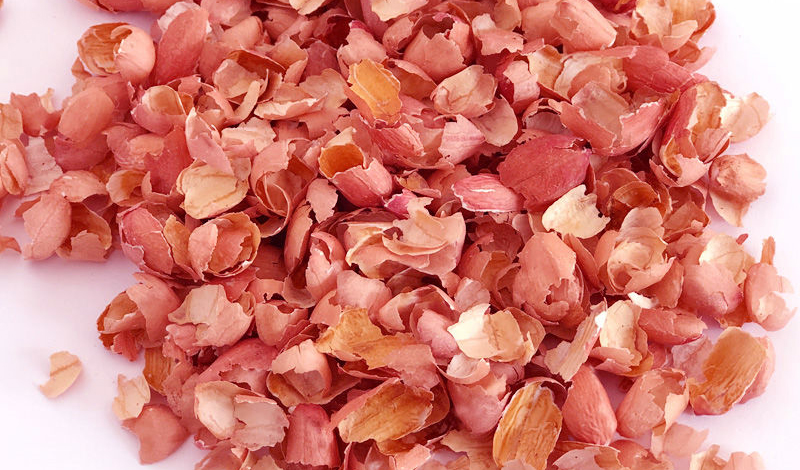
Peanut Coat(Skin) Extract Powder 10:1, 20:1, 50:1 TLC, proanthocyanidins/OPCs 95% UV


The core efficacy of pine bark extract comes from its strong antioxidant and anti-inflammatory properties. Its main health benefits include: improving microcirculation and endothelial function, assisting in maintaining cardiovascular health; Relieve symptoms of chronic venous insufficiency and osteoarthritis; Protect the skin from UV damage and promote collagen synthesis; And it has shown potential in improving mild cognitive impairment and assisting blood glucose control.

Peanut Coat(Skin) Extract Powder 10:1, 20:1, 50:1 TLC, proanthocyanidins/OPCs 95% UV
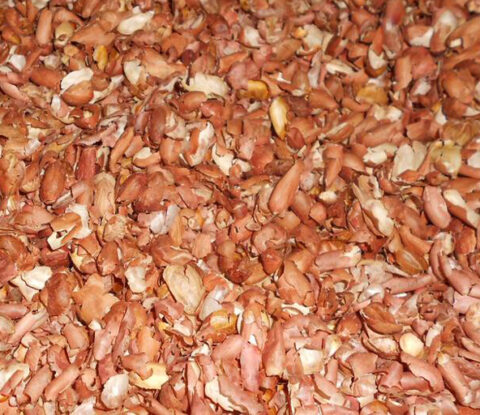
【Botanical source】: Arachis hypogaea L.
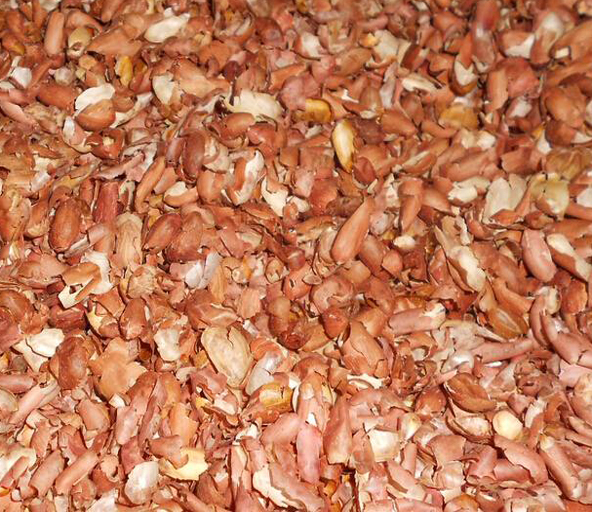
【Part used】: Skin/coat
【Specification】: 10:1, 20:1, 50:1 TLC, proanthocyanidins/OPCs 95% UV
【Extraction solvents】: Water
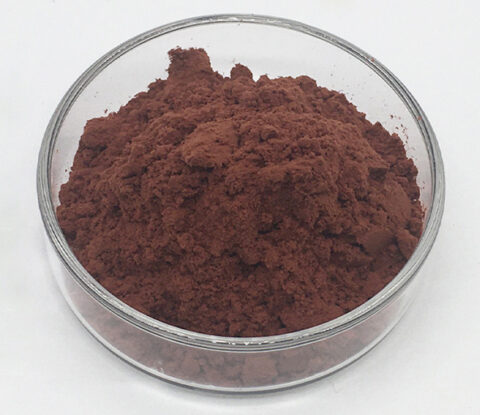
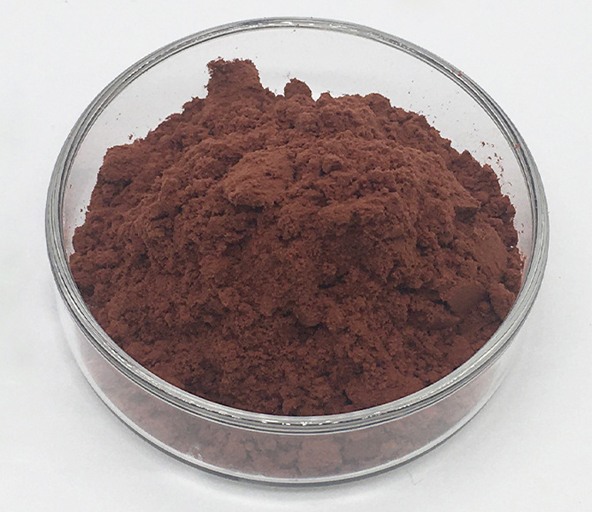
【Appearance】: Brownish fine powder
【Particle size】: 95% pass 80 mesh size
【Main ingredients】: Peanut skin (red coat) extract mainly contains rich polyphenolic substances, including anthocyanins (especially A-type structure), resveratrol, catechins, and tannins. In addition, it also contains flavonoids (such as quercetin), organic acids, and various minerals. These ingredients collectively endow it with powerful antioxidant, anti-inflammatory, and cardiovascular protective biological activities.
【Storage conditions】:Store at room temperature in a sealed manner, away from light, and in a ventilated, cool, and dry environment.
【Shelf life】: 24 months from the production date
Peanut Coat(Skin) Extract Powder Production Flowchart
Peanut Coat(Skin) raw materials -Coarse powder(40 mesh) -Low temperature water extraction – 1st Reflux Extraction(10 times water,2 Hrs) – 2nd Reflux Extraction8 times water,1.5 Hrs) – 3rd Reflux Extraction(6 times water,1 Hrs) – Extraction Solution-combine&Filtrate-Concentrate-Extractum-spray drying – screening – packaging – detection of physical and chemical indicators – warehousing
Specification Sheet of Peanut Coat(Skin) Extract Powder
| Product name: | Peanut Coat(Skin) Extract | ||
| Specification: | OPCs 95% UV | ||
| Part used: | Arachis hypogaea L. | ||
| Solvent used: | Water | ||
| Process: | Raw materials crushed, extracted, concentrated and spray-dried to powder | ||
| Non GMO according to regulation (EC) 1829/2003 and 1830/2003 or United States requirements. Non allergen according to Directive 2007/68 amending Annex IIIa to Directive 2000/13/EC and US Food allergen labelling and consumer protection act 2004. | |||
| Heavy Metals: | |||
| Lead: | NMT 3ppm | Cadmium: | NMT 1ppm |
| Arsenic: | NMT 2ppm | Mercury: | NMT 1ppm |
| Residual solvents: | Comply to USP | ||
| Pesticides residues: | Conform to Regulation USP<561> | ||
| Microbiology: | |||
| Total plate count: | 10000cfu/g Max | Yeasts and molds: | 1000cfu/g Max |
| E.coli: | Not detected in (g)10 | Salmonella spp.: | Not detected in (g)25 |
| Staphylococcus aureus: | Not detected in (g)10 | Clostridium spp.: | Not Present in 0.1 g of food |
| Organoleptic quality | Method | Specifications | |
| Aspect: | Visual : ( CQ-MO-148) | Powder | |
| Color: | Visual : ( CQ-MO-148) | Brownish | |
| Flavor: | Sensory: (CQ-MO-148) | Characteristic | |
| Analytical quality | Method | Specifications | |
| Identification: | TLC | Conform | |
| Loss on drying: | USP <731> | < 10% | |
| Bulk density: | USP <616> Method I | 40 – 60 g/100mL | |
| Particle size: | Analytical sieving || USP <786> | 100% through 80meshes | |
| Packaging suitable for foodstuff. | |||
Extended Reading
Modern Research on Peanut Coat(Skin) Extract Powder
Chemical Components
Peanut skins are exceptionally rich in bioactive polyphenols, constituting up to 15% of their dry weight. Key components include:
- Proanthocyanidins (PAs or Condensed Tannins): The most abundant (40-60%), primarily consisting of A-type procyanidin dimers, trimers, and higher polymers. This A-type linkage (C2-O-C7 or C2-O-C5) is less common than B-type and is considered pharmacologically distinctive.
- Flavonoids: Including catechins, epicatechins, and various flavonols like quercetin and kaempferol glycosides.
- Phenolic Acids: Significant amounts of chlorogenic, coumaric, ferulic, and ellagic acids.
- Stilbenes: Notably resveratrol and its analogs (e.g., arachidin-1, -2, -3), especially abundant in certain varieties and upon elicitation.
- Other: Isoflavones, vitamins, and minerals.
Health Benefits (Mechanisms & Key Findings)
PSE’s bioactivities stem from its potent antioxidant, anti-inflammatory, prebiotic, and enzyme-inhibitory properties.
- Cardiovascular Health: Demonstrates strong ACE-inhibitory activity (potentially lowering blood pressure), reduces LDL oxidation, improves endothelial function, and inhibits platelet aggregation, reducing thrombotic risk.
- Antidiabetic & Anti-obesity Effects: Potently inhibits digestive enzymes (α-amylase, α-glucosidase, pancreatic lipase), slowing carbohydrate and fat absorption. Studies show reduced postprandial blood glucose and triglyceride spikes. It also modulates adipogenesis.
- Prebiotic & Gut Health: High-molecular-weight PAs are poorly absorbed but serve as prebiotics, promoting beneficial gut microbiota (e.g., Akkermansia, Bifidobacteria) and producing short-chain fatty acids, enhancing gut barrier function.
- Neuroprotective Potential: In vitro and animal models suggest PSE’s antioxidants can cross the blood-brain barrier, reduce neuroinflammation, and protect against oxidative stress, showing promise for Alzheimer’s and Parkinson’s disease models.
- Anticancer Properties: In vitro studies show pro-apoptotic, anti-proliferative, and anti-angiogenic effects against various cancer cell lines (e.g., breast, colon, prostate), primarily through induction of oxidative stress in cancer cells.
Interactions
- Anticoagulant/Antiplatelet Drugs (e.g., warfarin, clopidogrel): Potential risk due to PSE’s demonstrated antiplatelet and antithrombotic activity. Concurrent use may increase bleeding risk.
- Antihypertensive Drugs: May have additive effects with ACE inhibitors or other blood pressure medications due to its ACE-inhibitory activity.
- Antidiabetic Drugs: May enhance the glucose-lowering effect of medications like metformin or insulin, increasing hypoglycemia risk.
- Iron Absorption: Like other polyphenol-rich extracts, high doses may non-specifically chelate dietary non-heme iron, potentially affecting iron status with long-term use.
Contraindications, Warnings & Side Effects
- Contraindications: Known allergy to peanuts or legumes (cross-reactivity possible). Avoid if on heavy anticoagulant therapy without medical supervision.
- Warnings: Due to potent enzyme inhibition, individuals with malabsorption syndromes or nutrient deficiencies should use caution. Safety during pregnancy/lactation is not established.
- Side Effects: Generally recognized as safe (GRAS) at food-grade levels. High supplemental doses may cause mild gastrointestinal upset, nausea, or constipation due to astringency of tannins.
Applications
- Nutraceuticals & Dietary Supplements: In capsules or powders for antioxidant, cardiovascular, and metabolic health support.
- Functional Food & Beverage Ingredient: As a natural preservative and functional additive in health bars, shakes, teas, and baked goods.
- Cosmeceuticals: In anti-aging skincare formulations for its antioxidant and collagen-protective effects.
- Pharmaceutical Intermediates: As a source for isolating high-value A-type procyanidins and resveratrol.
References (Key Modern Reviews & Studies)
- Yu, L., et al. (2016). “Peanut Skin Procyanidins: Composition and Antioxidant Activities as Affected by Processing.” Journal of Food Composition and Analysis, 44, 178-187.
- Nepote, V., et al. (2020). “Peanut Skin as a Functional Ingredient: Its Bioactive Compounds and Potential Health Benefits.” Journal of Food Science and Technology, 57(10), 3547-3563.
- Isanga, J., & Zhang, G. (2021). “Bioactive Components and Health Benefits of Peanut By-Products: A Review.” Food Reviews International, 38(5), 1017-1043.
- Monagas, M., et al. (2009). “Insights into the Metabolism and Microbial Biotransformation of Dietary Flavan-3-ols and the Bioactivity of Their Metabolites.” Food & Function, 1(3), 233-253. (Seminal on PAs).
- Ma, Y., et al. (2014). “Anti-inflammatory Effects of Peanut Skin Extract on LPS-stimulated RAW 264.7 Macrophages.” Journal of Agricultural and Food Chemistry, 62(52), 12700-12708.
- Sarnoski, P.J., et al. (2012). “Separation and Characterisation of Proanthocyanidins in Virginia-type Peanut Skins by LC–MSⁿ.” Food Chemistry, 131(3), 927-939.
- Shi, L., et al. (2022). “Peanut Skin Extract Ameliorates High-Fat Diet-Induced Atherosclerosis by Regulating Lipid Metabolism, Inflammation, and Gut Microbiota.” Nutrients, 14(5), 988.
- Medina-Larque, A.S., et al. (2022). “Peanut Skin Extract Improves Glucose Homeostasis and Ameliorates Oxidative Stress in Mice Fed a High-Fat High-Sucrose Diet.” Antioxidants, 11(4), 747.
Note: This summary is for informational purposes. It may interact with medications and is contraindicated in certain conditions. Consult a healthcare professional before therapeutic use, particularly regarding its estrogenic activity.