
Peppermint (Bo He) Extract Powder 10:1, 20:1, 50:1 TLC


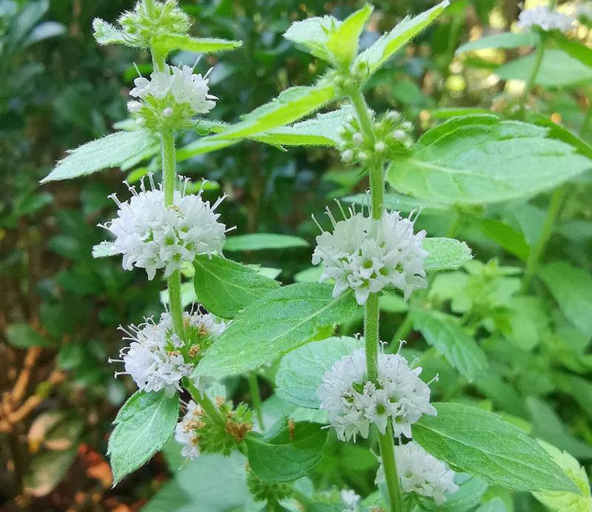
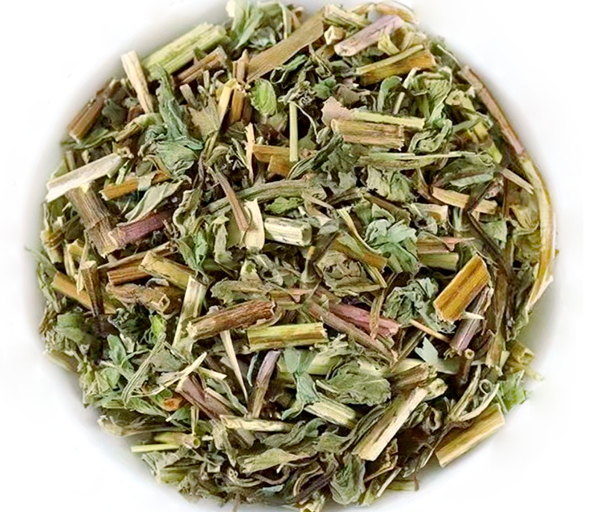
The functions of peppermint in traditional Chinese medicine include dispersing wind and heat, clearing and benefiting the head, clearing the throat, penetrating rashes, and soothing the liver and promoting qi circulation. Used for wind heat cold, initial onset of wind temperature, headache, red eyes, sore throat, mouth sores, rubella, measles, chest and rib distension.

Peppermint (Bo He) Extract Powder 10:1, 20:1, 50:1 TLC
【Other names】: Bo He, Herba Menthae, Peppermint
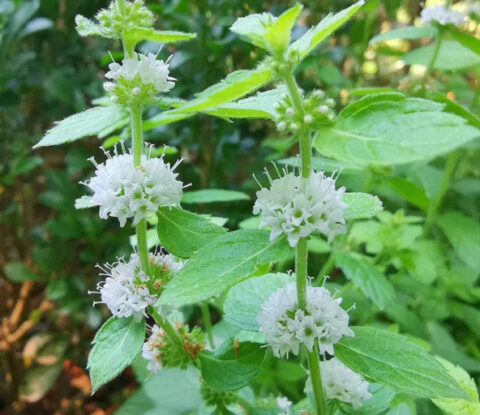
【Botanical source】: Mentha haplocalyx Briq
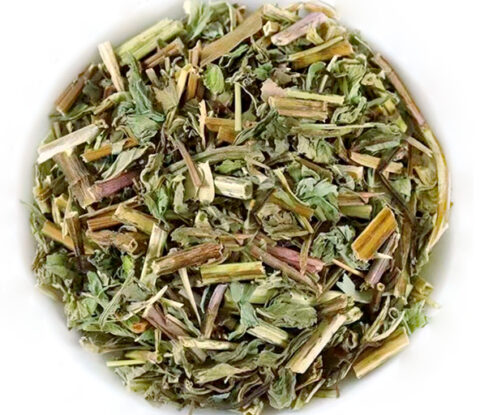
【Part used】: Dry aboveground parts of the mint Mentha haplocalyx Briq in the family Lamiaceae. In summer and autumn, when the stems and leaves are lush or when the flowers bloom for three rounds, choose sunny days, harvest and cut them in batches, and dry them in the sun or shade.
【Specification】: 10:1, 20:1, 50:1 TLC
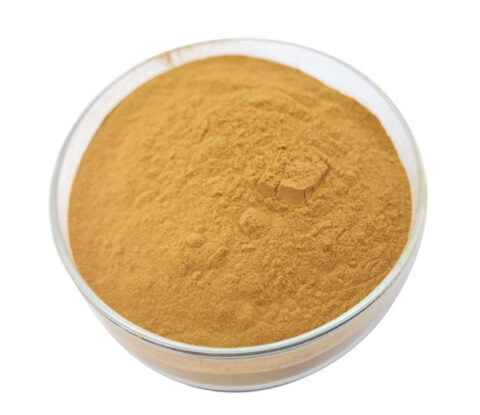
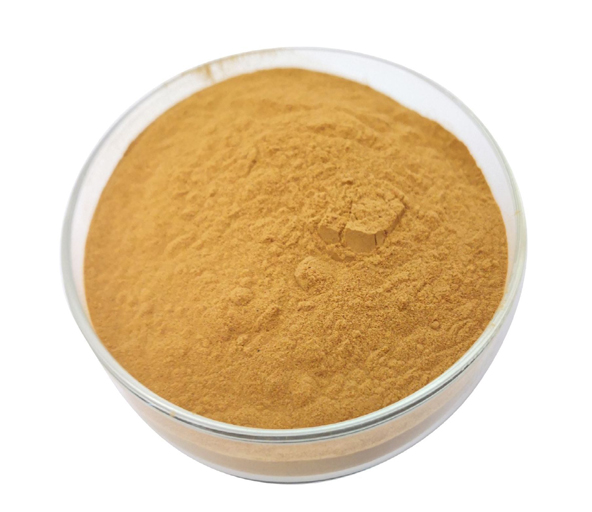
【Appearance】: Brownish yellow fine powder
【Particle size】: 95% pass 80 mesh size
Peppermint (Bo He) Extract Powder Production Flowchart
Peppermint (Bo He) raw materials – natural air drying–Coarse powder(40 mesh) -Low temperature water extraction – 1st Reflux Extraction(10 times water,2 Hrs) – 2nd Reflux Extraction8 times water,1.5 Hrs) – 3rd Reflux Extraction(6 times water,1 Hrs) – Extraction Solution-combine&Filtrate-Concentrate-Extractum-spray drying – screening – packaging – detection of physical and chemical indicators – warehousing
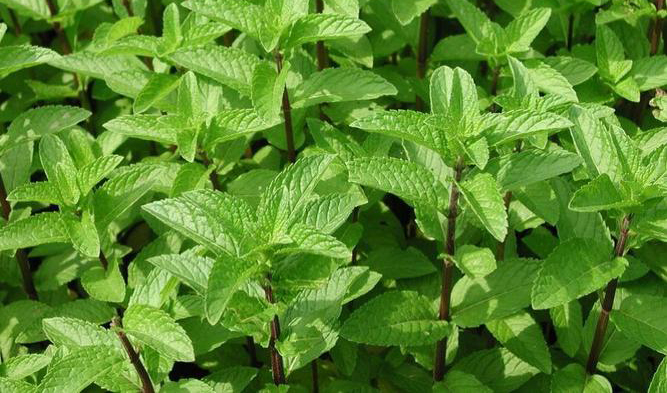
Specification Sheet of Peppermint (Bo He) Extract Powder
| Product name: | Peppermint Extract | ||
| Specification: | 10:1 TLC | ||
| Part used: | Dried whole herb of Mentha haplocalyx Briq | ||
| Solvent used: | Hot water | ||
| Process: | Raw materials crushed, extracted, concentrated and spray-dried to powder | ||
| Non GMO according to regulation (EC) 1829/2003 and 1830/2003 or United States requirements. Non allergen according to Directive 2007/68 amending Annex IIIa to Directive 2000/13/EC and US Food allergen labelling and consumer protection act 2004. | |||
| Heavy Metals: | |||
| Lead: | NMT 3ppm | Cadmium: | NMT 1ppm |
| Arsenic: | NMT 2ppm | Mercury: | NMT 1ppm |
| Residual solvents: | Comply to USP | ||
| Pesticides residues: | Conform to Regulation USP<561> | ||
| Microbiology: | |||
| Total plate count: | 10000cfu/g Max | Yeasts and molds: | 1000cfu/g Max |
| E.coli: | Not detected in (g)10 | Salmonella spp.: | Not detected in (g)25 |
| Staphylococcus aureus: | Not detected in (g)10 | Clostridium spp.: | Not Present in 0.1 g of food |
| Organoleptic quality | Method | Specifications | |
| Aspect: | Visual : ( CQ-MO-148) | Powder | |
| Color: | Visual : ( CQ-MO-148) | Brownish | |
| Flavor: | Sensory: (CQ-MO-148) | Characteristic | |
| Analytical quality | Method | Specifications | |
| Identification: | TLC | Conform | |
| Loss on drying: | USP <731> | < 10% | |
| Bulk density: | USP <616> Method I | 40 – 60 g/100mL | |
| Particle size: | Analytical sieving || USP <786> | 100% through 80meshes | |
| Packaging suitable for foodstuff. | |||
Extended Reading
Peppermint (Bo He) Function and Efficacy Recorded in TCM
Mint is an extremely commonly used and important medicinal and edible dual-use product in traditional Chinese medicine. It has a fragrant aroma and a pungent and cool taste, and is known for its excellent effects of dispersing wind and heat, clearing the head, penetrating rashes and throat, and soothing the liver and promoting qi circulation.
Below is a detailed analysis of the role of peppermint in traditional Chinese medicine.
Mint has a pungent taste and a cool nature. Return to the lung and liver meridians. Its core function is to “disperse” and “clear”, that is, to dissipate wind and heat, clear and benefit the throat of the leader.
1. Evacuate wind and heat
This is the most core and well-known efficacy of mint.
Function: Mint texture is light and uplifting, with strong dispersing power, which can effectively dissipate the wind and heat evil qi invading the body surface. It is particularly good at treating wind heat colds, rather than wind cold colds.
Indications:
At the beginning of a cold or warm disease caused by wind heat: manifested as severe fever, mild wind, headache, sore throat, and dry mouth.
Often used interchangeably with honeysuckle, forsythia suspensa, and burdock seeds, such as the famous formula Yinqiao San.
2. Clear head and eyes, relieve sore throat and pnetrating rash
The cooling effect of mint is on the head and face, clearing away the wind and heat from the head and face.
Clear head and eyes: Used for headaches, redness, swelling, and dizziness caused by wind and heat attacks. Crushing mint leaves and applying them to the temples is a common folk practice.
Relieve sore throat: Used for sore throat and hoarseness caused by wind and heat stagnation.
Penetrating rash: can promote the outward transmission of measles and other rash toxins, used for measles intolerance or rubella itching.
3. Soothing the liver and promoting qi circulation
Mint entering the liver meridian can unblock liver qi and alleviate symptoms caused by emotional instability and liver qi stagnation.
Function: The liver is responsible for regulating ejaculation, and emotional depression can lead to liver qi discomfort. The pungent and dispersing power of mint can regulate liver qi.
Indications:
Liver depression and qi stagnation: manifested as chest tightness, rib distension and pain, low mood or irritability.
Often used in conjunction with liver soothing and qi regulating herbs such as Chaihu, Baishao, and Danggui, such as the famous formula Xiaoyao San (which contains peppermint to enhance Chaihu’s ability to soothe the liver).
4. Aromatic purification, moisture removal, and neutralization
By utilizing its aromatic scent, it can dissolve the stagnation of dampness, turbidity, and medium coke.
Function: Awaken the spleen and stimulate appetite, eliminate abdominal distension, nausea and vomiting caused by summer heat dampness or dampness stagnation.
Indications: Abdominal distension, pain, vomiting, and diarrhea caused by summer dampness and impurities.
Modern Pharmacological Effects of Peppermint (Bo He)
The modern pharmacological research of peppermint is very clear, and most of its effects are attributed to the main component in its volatile oil – menthol, as well as other monoterpenes. These studies perfectly explain the traditional benefits of mint from a scientific perspective.
The following are the main modern pharmacological effects of peppermint:
1. Acting on the skin and mucous membranes: producing a cool, pain relieving, and itching relieving sensation
This is the most direct and well-known function of mint.
Mechanism: Menthol can specifically activate the transient receptor potential M8 (TRPM8) receptor on the skin and mucous membranes, which typically responds to cold stimuli. Therefore, even without true low temperature, menthol can still send a “cool” signal to the brain.
Pain relief and itching relief: This cool sensation can mask or interfere with the signals of pain and itching, playing a role in local pain relief and itching relief. At the same time, it can also cause local vascular constriction, with certain anti-inflammatory and anti-inflammatory effects.
Application: Widely used in pain relieving ointments, throat lozenges, nasal drops, and skin itching drugs.
2. Effects on the digestive system: spasmolytic, stomach healthy, liver protective and choleretic
Spasmodic effect: Menthol has a direct relaxing and inhibitory effect on gastrointestinal smooth muscles, which can alleviate intestinal spasms, relieve abdominal pain and bloating.
Stomach boosting effect: The fragrance of peppermint can stimulate taste and olfactory receptors, reflexively promote the secretion of saliva, gastric juice, and bile, enhance appetite, and improve digestion.
Gallbladder effect: It can promote bile secretion and help digest fat.
Application: Scientifically explained its efficacy in “moistening and harmonizing”, commonly used to treat abdominal pain and bloating caused by irritable bowel syndrome (IBS).
3. Acting on the respiratory system: expectorant, cough suppressant, relieving nasal congestion
Expectorant: Menthol can stimulate the secretion of respiratory glands, dilute sticky phlegm, and make it easier to cough up.
Relieve nasal congestion: Inhaling peppermint vapor or using a nasal cannula containing menthol can immediately provide a refreshing sensation and slight vasoconstriction, making the nasal cavity feel unobstructed.
Application: It is a common ingredient in cold medicine, cough syrup, and nasal inhalers, corresponding to its “throat clearing” and wind heat dispersing effects.
4. Anti inflammatory, antibacterial, and antiviral effects
Antibacterial and antiviral: Peppermint oil has varying degrees of inhibitory effects on various bacteria (such as Staphylococcus aureus, Escherichia coli) and viruses (such as herpes simplex virus, influenza virus).
Anti inflammatory: can inhibit the release of inflammatory factors and alleviate inflammatory reactions.
Application: This provides a basis for its treatment of infectious and inflammatory diseases such as pharyngitis and oral ulcers.
5. Central nervous system function: refreshing and soothing
Peppermint has a wonderful bidirectional regulatory effect:
Refreshing and refreshing: The strong aroma and coolness of mint can stimulate the central nervous system, dispel drowsiness, and improve attention and reaction speed. This corresponds to its effectiveness as a ‘clear profit leader’.
Relieve tension: On the other hand, its spasmolytic and cooling properties can help alleviate tension headaches and anxiety, bringing a sense of relaxation. This to some extent explains the modern scientific connotation of “soothing the liver and promoting qi circulation”.