
Persicae Semen/Peach Kernels (Tao Ren) Extract Powder 10:1, 20:1, 50:1 TLC
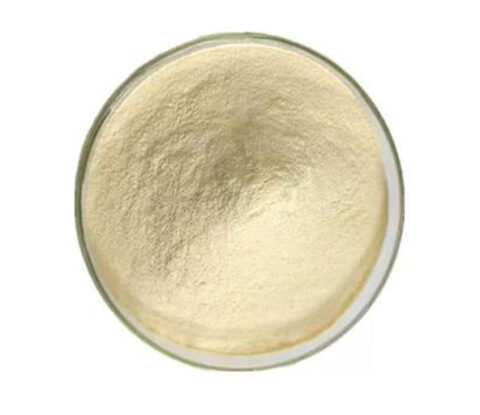


The functions of peach kernels in traditional Chinese medicine include promoting blood circulation and removing blood stasis, moistening the intestines and promoting bowel movements, relieving cough and asthma. Used for menstrual cramps, masses, lung and intestinal abscesses, falls and injuries, intestinal dryness and constipation, cough and asthma.

Persicae Semen (Tao Ren) Extract Powder 10:1, 20:1, 50:1 TLC
【Other names】: Tao Ren, Semen Persicae, Peach Seed, Persicae Semen
【Botanical source】: Prunus persica(L.)Batsch or Prunus davidiana(Carr.)Franch.
【Part used】: Dried mature seeds of Prunus persica (L.) Batsch or Prunus davidiana (Carr.) Franch. in the Rosaceae family. After the fruit matures, harvest it, remove the flesh and core-shell, take out the seeds, and dry them in the sun.
【Specification】: 10:1, 20:1, 50:1 TLC
【Appearance】: Offwhite or light brownish fine powder
【Particle size】: 95% pass 80 mesh size
Persicae Semen (Tao Ren) Extract Powder Production Flowchart
Persicae Semen (Tao Ren) raw materials – natural air drying–Coarse powder(40 mesh) -Low temperature water extraction – 1st Reflux Extraction(10 times water,2 Hrs) – 2nd Reflux Extraction8 times water,1.5 Hrs) – 3rd Reflux Extraction(6 times water,1 Hrs) – Extraction Solution-combine&Filtrate-Concentrate-Extractum-spray drying – screening – packaging – detection of physical and chemical indicators – warehousing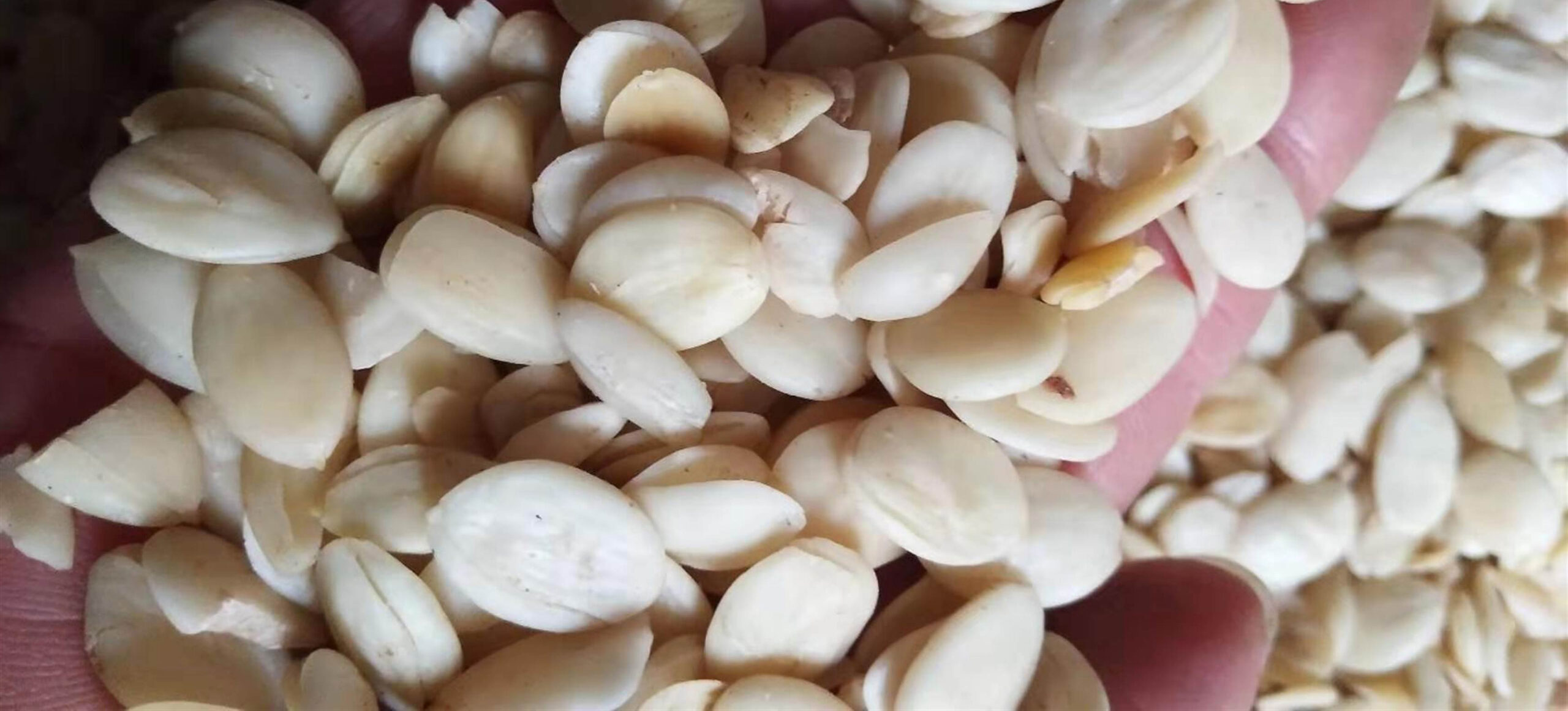
Specification Sheet of Persicae Semen (Tao Ren) Extract Powder
| Product name: | Tao Ren extract | ||
| Specification: | 10:1 TLC | ||
| Part used: | Seeds of Prunus persica (L.) Batsch or Prunus davidiana (Carr.) Franch | ||
| Solvent used: | Hot water | ||
| Process: | Raw materials crushed, extracted, concentrated and spray-dried to powder | ||
| Non GMO according to regulation (EC) 1829/2003 and 1830/2003 or United States requirements. Non allergen according to Directive 2007/68 amending Annex IIIa to Directive 2000/13/EC and US Food allergen labelling and consumer protection act 2004. | |||
| Heavy Metals: | |||
| Lead: | NMT 3ppm | Cadmium: | NMT 1ppm |
| Arsenic: | NMT 2ppm | Mercury: | NMT 1ppm |
| Residual solvents: | Comply to USP | ||
| Pesticides residues: | Conform to Regulation USP<561> | ||
| Microbiology: | |||
| Total plate count: | 10000cfu/g Max | Yeasts and molds: | 1000cfu/g Max |
| E.coli: | Not detected in (g)10 | Salmonella spp.: | Not detected in (g)25 |
| Staphylococcus aureus: | Not detected in (g)10 | Clostridium spp.: | Not Present in 0.1 g of food |
| Organoleptic quality | Method | Specifications | |
| Aspect: | Visual : ( CQ-MO-148) | Powder | |
| Color: | Visual : ( CQ-MO-148) | Offwhite/light brownish | |
| Flavor: | Sensory: (CQ-MO-148) | Characteristic | |
| Analytical quality | Method | Specifications | |
| Identification: | TLC | Conform | |
| Loss on drying: | USP <731> | < 10% | |
| Bulk density: | USP <616> Method I | 40 – 60 g/100mL | |
| Particle size: | Analytical sieving || USP <786> | 100% through 80meshes | |
| Packaging suitable for foodstuff. | |||
Extended Reading
Persicae Semen (Tao Ren) Function and Efficacy Recorded in TCM
Tao Ren, a traditional Chinese medicine, is a commonly used blood activating medicine in clinical practice. It is the dried and mature seed of peach or mountain peach in the Rosaceae family. Its core function is to “break blood and remove stasis”, while also having other effects. The medicinal properties are bitter, sweet, and mild. Peach kernels return to the heart, liver, and colon meridians. The core efficacy is to promote blood circulation and remove blood stasis, moisten the intestines and promote bowel movements, relieve cough and asthma. In general, peach kernels mainly act on the heart and liver to promote blood circulation, act on the large intestine to relieve constipation, and can alleviate cough caused by blood stasis or lung qi stagnation.
1. Promoting blood circulation and removing blood stasis
This is the most important and well-known function of peach kernels. It has a strong blood activating power and belongs to the category of “breaking blood” in traditional Chinese medicine. It is good at treating various severe blood stasis syndromes.
Characteristics: Rich in texture and fat, able to enter the bloodstream, with strong ability to remove blood stasis, and without the properties of Xin, Wen, and Di. Therefore, it is widely used and can be used in combination with cold, heat, and blood stasis syndrome.
Indications:
Gynecological blood stasis syndrome:
Blood stasis, menstrual cramps, incomplete postpartum lochia, and abdominal pain. Often used interchangeably with saffron, chuanxiong, and angelica, such as the famous Peach Blossom Four Ingredient Soup.
Accumulation of pathological conditions (equivalent to abdominal masses such as uterine fibroids and ovarian cysts). Often used together with Guizhi, Fuling, and Danpi, such as Guizhi Fuling Pills.
Internal medicine stasis syndrome:
Chest obstruction and heartache (such as angina pectoris in coronary heart disease). Often used interchangeably with saffron, Danshen, and Chuanxiong.
Blood stasis syndrome in trauma department:
Injuries from falls, bruises, and pain. It is a necessary medicine for orthopedics, often used in combination with rhubarb, pangolin (now mostly replaced by other drugs), and safflower, such as Fuyuan Huoxue Tang.
Fever with Blood Accumulation Syndrome:
External heat disease, pathogenic heat and blood stasis intertwine in the lower burner, resulting in symptoms such as madness, reduced abdominal hardness, and fullness. The representative formula is Taohe Chengqi Tang (used together with rhubarb, cassia twigs, and saltpeter).
2. Moisturize the intestines and promote bowel movements
Peach kernels are rich in oil, which can lubricate the intestines and promote bowel movements.
Indications: Mainly used for constipation caused by intestinal dryness, especially suitable for elderly and weak individuals, chronic blood deficiency, or postpartum blood loss leading to constipation caused by dryness and intestinal dryness.
Application: Often used in conjunction with moisturizing herbs such as Yu Liren, Huo Ma Ren, and Almond, such as Wu Ren Wan.
3. Cough and asthma relief
Peach kernels have a bitter taste and can lower lung qi, with a slight cough and asthma relieving effect.
Indications: Can be used for coughing and wheezing. But its nature is calm, its strength is not strong, and it is often used as an auxiliary medicine for coughing with stagnant lung qi or blood stasis.
Application: Often combined with almonds, the two must be used together, such as Shuangren Wan.
Modern Pharmacological Effects of Peach Kernels
The pharmacological activity of peach kernels is mainly attributed to the following types of components. Lipids: Fatty oils (with a content of over 50%) are the main material basis for their moisturizing and laxative effects. Glycosides: amygdalin, which is a dual source of cough relief, asthma relief, and toxicity. Proteins and enzymes: such as anticoagulant proteins, urease, etc. It also contains sterols, flavonoids, and other compounds.
1. Effects on the circulatory system
This is the most extensive and in-depth field of peach kernel research, providing a solid scientific basis for its use as a vital medicine for promoting blood circulation and removing blood stasis.
Anticoagulation and Antithrombotic Formation:
Peach kernels can significantly prolong clotting time and inhibit platelet aggregation. Its extract (such as peach kernel protein) can interfere with multiple stages of the coagulation cascade.
This is the modern pharmacological basis for its treatment of cardiovascular and cerebrovascular diseases (such as angina pectoris and cerebral infarction), gynecological blood stasis syndrome (such as amenorrhea and fibroids), and traumatic injuries.
Improve hemodynamics and microcirculation:
Peach kernels can dilate blood vessels, especially increasing cerebral blood flow and coronary artery blood flow, and reducing vascular resistance. Can improve microcirculation disorders in experimental animals and relieve blood stasis.
Anti inflammation and anti fibrosis:
Anti inflammatory: It can inhibit the release of inflammatory mediators such as prostaglandins and leukotrienes, and alleviate acute and chronic inflammatory reactions. This explains the underlying mechanism of its treatment for swelling and pain caused by falls and injuries.
Anti fibrosis: This is a modern extension of its “dispelling symptoms and dispersing accumulation” (treating benign masses) effect. Peach kernel extract has a clear improvement effect on liver fibrosis and pulmonary fibrosis, and can inhibit fibroblast proliferation and excessive deposition of collagen.
2. Effects on the digestive system
Moisturizing the intestines and promoting bowel movements: Its rich fat oil can lubricate the mucous membranes in the intestines, soften feces, and gently stimulate the intestinal wall, promoting peristalsis and thus producing a laxative effect. This directly corresponds to its traditional efficacy in treating intestinal dryness and constipation.
3. Effects on the respiratory system
Coughing and asthma relief: After the bitter almond glycoside contained in it is broken down in the body, it will have a slight inhibitory effect on the respiratory center, thereby achieving the effect of coughing and asthma relief. However, it should be noted that this is also the source of its toxicity.
4. Antitumor effect
Research has shown that extracts of peach kernels (including amygdalin and peach kernel protein) have inhibitory effects on proliferation and induce apoptosis in various cancer cells (such as liver cancer, lung cancer, and cervical cancer) in vitro and animal experiments.
Mechanism: May involve direct cytotoxicity, inhibition of tumor angiogenesis, regulation of immune function, etc.
Attention: This is currently mainly in the preclinical research stage and has not yet become a mature clinical anti-cancer drug.
5. Other functions
Antioxidant: It can eliminate free radicals and reduce oxidative stress damage.
Immune regulation: It has a bidirectional regulatory effect on the immune function of the body.
Liver protection: It has a protective effect on experimental liver injury.