
Phellodendri (Huang Bo) Extract Powder 10:1, 20:1, 50:1 TLC
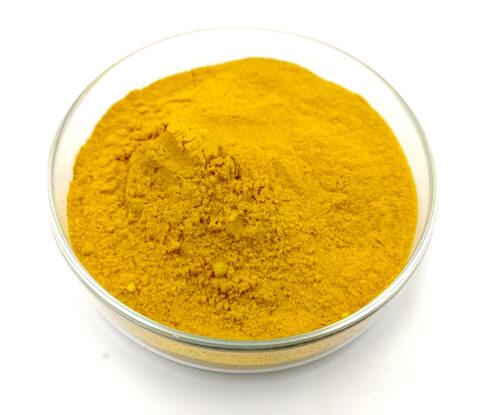
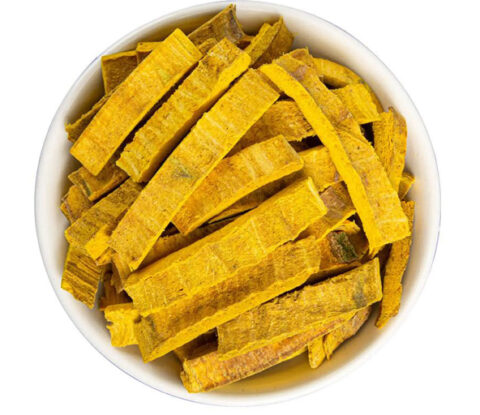
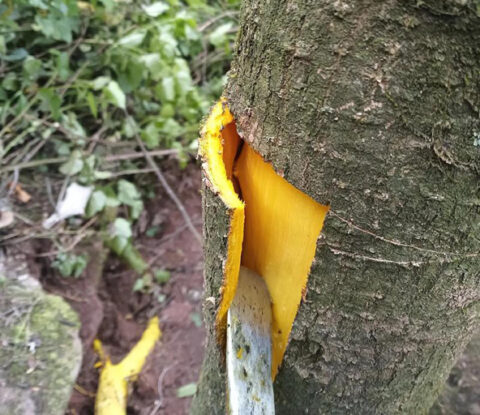


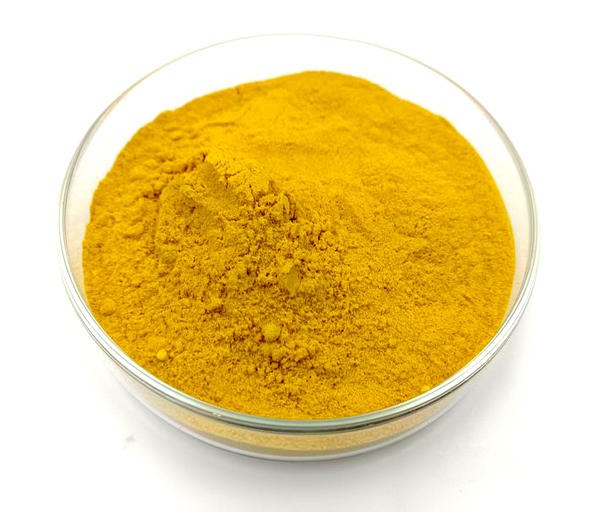
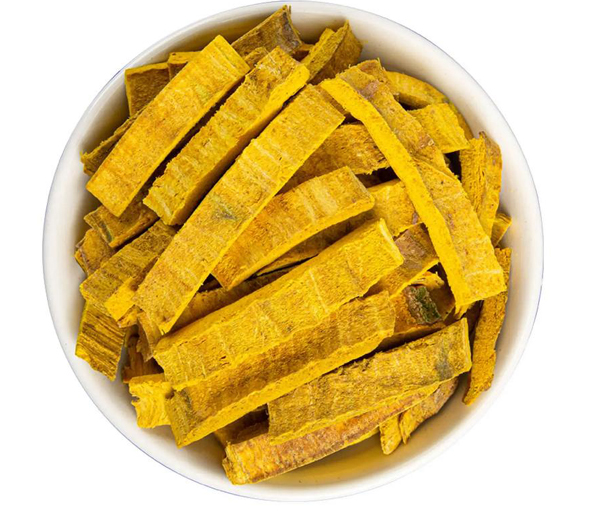
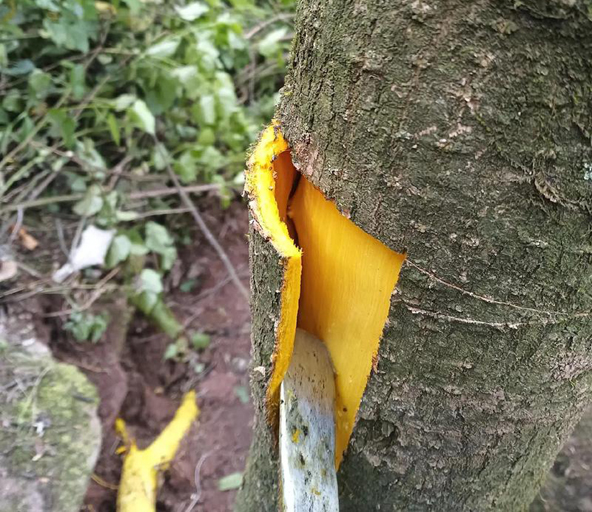
The functions of Huanglian in traditional Chinese medicine include clearing heat and dampness, purging fire and detoxifying. Used for damp heat and fullness, vomiting and acid swallowing, diarrhea, jaundice, high fever and dizziness, excessive heart fire, restlessness and insomnia, palpitations and restlessness, blood heat and vomiting, red eyes, toothache, thirst quenching, carbuncles and sores; External treatment for eczema, wet sores, and purulent discharge from the ear canal. Jiuhuanglian is good at clearing and scorching heat.

Phellodendri (Huang Bo) Extract Powder 10:1, 20:1, 50:1 TLC
【Other names】: Huang Bo, Cortex Phellodendri, Huang Bai, Amur Corktree Bark, Golden Cypress
【Botanical source】: Phellodendron chinense Schneid
【Part used】: Dry bark of Phellodendron chinense Schneid, a plant in the Rutaceae family. Xi called it ‘Chuan Huang Bai’. After peeling the bark, remove the rough skin and dry it in the sun.
【Specification】: 10:1, 20:1, 50:1 TLC
【Appearance】: Brownish yellow fine powder
【Particle size】: 95% pass 80 mesh size
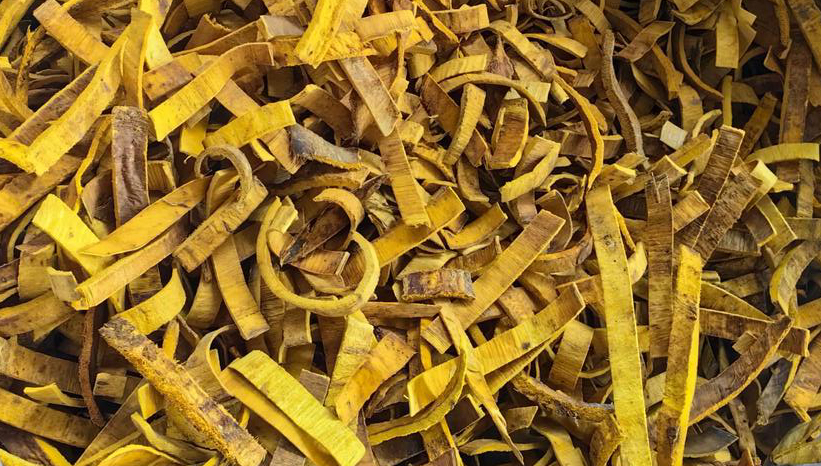
Phellodendri (Huang Bo) Extract Powder Production Flowchart
Phellodendri (Huang Bo) raw materials – natural air drying–Coarse powder(40 mesh) -Low temperature water extraction – 1st Reflux Extraction(10 times water,2 Hrs) – 2nd Reflux Extraction8 times water,1.5 Hrs) – 3rd Reflux Extraction(6 times water,1 Hrs) – Extraction Solution-combine&Filtrate-Concentrate-Extractum-spray drying – screening – packaging – detection of physical and chemical indicators – warehousing
Specification Sheet of Phellodendri (Huang Bo) Extract Powder
| Product name: | Huang Bo Extract | ||
| Specification: | 10:1 TLC | ||
| Part used: | Dried bark of Phellodendron chinense Schneid, | ||
| Solvent used: | Hot water | ||
| Process: | Raw materials crushed, extracted, concentrated and spray-dried to powder | ||
| Non GMO according to regulation (EC) 1829/2003 and 1830/2003 or United States requirements. Non allergen according to Directive 2007/68 amending Annex IIIa to Directive 2000/13/EC and US Food allergen labelling and consumer protection act 2004. | |||
| Heavy Metals: | |||
| Lead: | NMT 3ppm | Cadmium: | NMT 1ppm |
| Arsenic: | NMT 2ppm | Mercury: | NMT 1ppm |
| Residual solvents: | Comply to USP | ||
| Pesticides residues: | Conform to Regulation USP<561> | ||
| Microbiology: | |||
| Total plate count: | 10000cfu/g Max | Yeasts and molds: | 1000cfu/g Max |
| E.coli: | Not detected in (g)10 | Salmonella spp.: | Not detected in (g)25 |
| Staphylococcus aureus: | Not detected in (g)10 | Clostridium spp.: | Not Present in 0.1 g of food |
| Organoleptic quality | Method | Specifications | |
| Aspect: | Visual : ( CQ-MO-148) | Powder | |
| Color: | Visual : ( CQ-MO-148) | Brownish | |
| Flavor: | Sensory: (CQ-MO-148) | Characteristic | |
| Analytical quality | Method | Specifications | |
| Identification: | TLC | Conform | |
| Loss on drying: | USP <731> | < 10% | |
| Bulk density: | USP <616> Method I | 40 – 60 g/100mL | |
| Particle size: | Analytical sieving || USP <786> | 100% through 80meshes | |
| Packaging suitable for foodstuff. | |||
Extended Reading
Phellodendri (Huang Bo) Function and Efficacy Recorded in TCM
Huangbai is a very important and commonly used traditional Chinese medicine in clinical practice, with a wide range of effects and significant medicinal properties. Huangbai is the dried bark of the Rutaceae plant Huangpi tree (Chuan Huangbai) or Huangbo (Guan Huangbai). Bitter in nature, cold in taste, extremely bitter in taste, and extremely cold in medicinal properties. Return to the kidney, bladder, and colon meridians. The core functions of Huangbai include clearing heat and dampness, purging fire and removing steam, detoxifying and treating sores. Huangbai is like a “traditional Chinese medicine anti-inflammatory drug” and “fire clearing agent”, especially good at clearing damp heat and virtual fire in the lower body.
1. Clear heat and dry dampness
This is the most essential and commonly used function of Huangbai. Especially adept at clearing the dampness and heat in the lower body of the human body, including the kidneys, bladder, intestines, and reproductive system.
Used for diseases caused by damp heat injection:
Dysentery and diarrhea: Damp heat accumulates in the large intestine, causing abdominal pain, urgency, and diarrhea. Often combined with Huanglian, Baitouweng, etc., such as Baitouweng soup.
Jaundice: The yellowing of the whole body caused by damp heat and steaming. Often combined with gardenia and licorice, such as gardenia bark soup.
Yellow and odorous discharge: White discharge that is yellow, sticky, and has a strange odor caused by dampness and heat in women. Often used in combination with yam, wolfberry, plantain seeds, etc., such as Yihuang Tang.
Hot gonorrhea (urinary system infection): frequent urination, burning sensation, and astringent pain. Often used in conjunction with diuretics such as Plantago asiatica and talc.
Foot odor, eczema, and wet sores: lower limb edema or wet and itchy skin. It can be taken orally or cleaned externally with decoction.
2.Relieve fire and detoxify
Huangbai has a cold nature and can clear and expel excess heat and toxins.
Used for diseases caused by excessive heat and toxicity:
Ulcers and toxins: such as carbuncles, sores, etc. It can be taken orally or applied topically to clear heat and detoxify.
Mouth and tongue sores: often applied externally with dried ingredients such as indigo naturalis and borneol.
Relieve deficiency heat and remove bone steaming
This is a very unique and important function of Huangbai. It can not only clear solid fire, but also clear “virtual fire”. The deficiency fire here is often caused by insufficient kidney yin.
Used for diseases caused by yin deficiency and excessive fire:
Bone steaming and hot flashes: feeling heat seeping out from the bones, accompanied by low-grade fever in the afternoon or at night, and night sweats (sweating while sleeping and stopping immediately after waking up).
Ejaculation and night sweats: Deficiency of kidney yin and disturbance of the seminal chamber by deficiency fire can lead to nocturnal emissions; Excessive heat and fluid leakage can lead to night sweats.
Classic compatibility: It is often used with anemarrhena asphodeloides, and is compatible with such yin nourishing drugs as cooked rehmannia and cornus officinalis, such as the famous Zhibai Rehmannia Pill. Here, Huang Baiqing and Zhi Mu nourish yin and reduce fire, jointly treating the syndrome of yin deficiency and excessive fire.
Modern Pharmacological Effects of Phellodendri (Huang Bo)
1. Antibacterial and antiviral effects
This is the core manifestation of the efficacy of Huangbai in clearing heat, drying dampness, and detoxifying.
Wide antibacterial spectrum: It has inhibitory effects on various Gram positive and Gram negative bacteria, such as Staphylococcus aureus, Streptococcus pyogenes, Streptococcus pneumoniae, Corynebacterium diphtheriae, Shigella, Escherichia coli, Salmonella typhi, etc. Its active ingredients (such as berberine, berberine, berberine, etc.) can damage bacterial cell walls and membrane structures, inhibit the synthesis of bacterial proteins and nucleic acids.
Antiviral: It has an inhibitory effect on hepatitis B surface antigen (HBsAg) and also has a certain inhibitory effect on influenza virus, herpes virus, etc.
2. Anti inflammatory and anti allergic effects
Inhibition of inflammation: Huangbai and its active ingredients can significantly inhibit various experimental inflammation models (such as mouse ear swelling and rat paw swelling), and its mechanism is related to the inhibition of the production and release of inflammatory mediators (such as prostaglandins, nitric oxide, tumor necrosis factor – α TNF – α).
Antiallergy: It can inhibit the release of histamine and other allergic mediators by mast cells, thereby reducing allergic reactions. This is related to its role in treating “wet sores” such as eczema and dermatitis.
3. Effects on the immune system
Bidirectional regulation: The impact of Huangbai on the immune system is quite complex. On the one hand, it can inhibit the proliferation of T lymphocytes and B lymphocytes and the production of antibodies, exhibiting immunosuppressive effects, which is related to its treatment of autoimmune diseases and anti allergy. On the other hand, it can enhance the phagocytic ability of macrophages and improve non-specific immunity.
4. Hypoglycemic and hypotensive effects
Hypoglycemia: Ingredients such as berberine and berberine can promote the repair and regeneration of pancreatic beta cells, increase insulin secretion, improve insulin resistance, and thus exert hypoglycemic effects.
Lowering blood pressure: Its extract has a blood pressure lowering effect, and its mechanism of action may be related to blocking ganglia, inhibiting vascular centers, and anti sympathetic neurotransmitters.
5. Protecting the nervous system function
Neuroprotection: Research has found that berberine has a protective effect on neurodegenerative disease models such as ischemic brain injury and Alzheimer’s disease, reducing neuronal apoptosis and improving learning and memory abilities.
Sedative effect: It has a certain inhibitory effect on the central nervous system.
6. Anti gout effect
Inhibition of uric acid production: The components in Huangbai can inhibit the activity of xanthine oxidase, thereby reducing the production of uric acid, providing pharmacological evidence for its use in the treatment of gout.
7. Anti ulcer and gastrointestinal protective effects
Corresponding to its traditional therapeutic effect on damp heat dysentery, Huangbai can inhibit gastric acid secretion, protect the gastric mucosa, and have antispasmodic effects on gastrointestinal smooth muscles.