
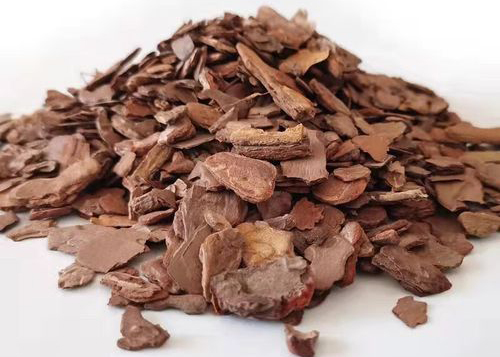
Pine Bark Extract Powder 10:1, 20:1, 50:1 TLC, proanthocyanidins/OPCs 95% UV


The core efficacy of pine bark extract comes from its strong antioxidant and anti-inflammatory properties. Its main health benefits include: improving microcirculation and endothelial function, assisting in maintaining cardiovascular health; Relieve symptoms of chronic venous insufficiency and osteoarthritis; Protect the skin from UV damage and promote collagen synthesis; And it has shown potential in improving mild cognitive impairment and assisting blood glucose control.

Pine Bark Extract Powder 10:1, 20:1, 50:1 TLC, proanthocyanidins/OPCs 95% UV
【Botanical source】: Pinus massoniana Lamb
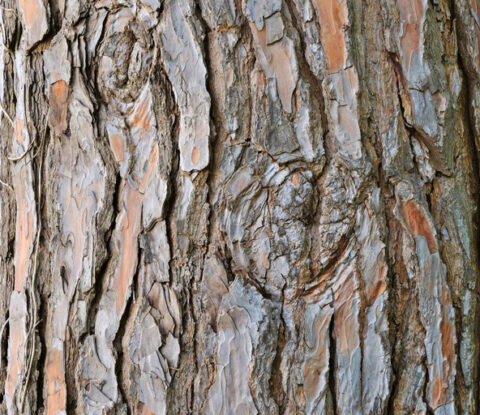
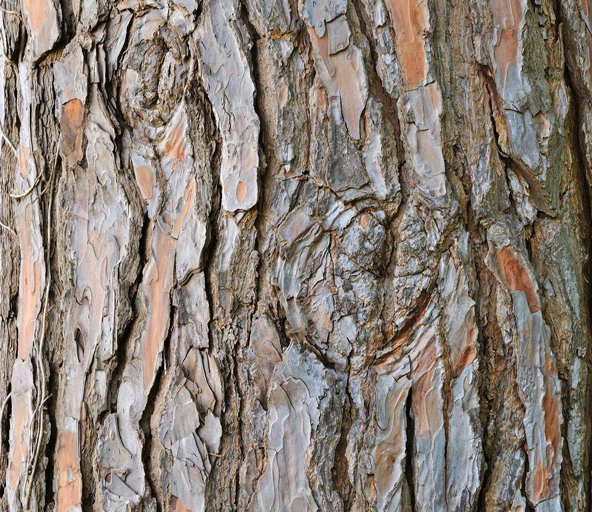
【Part used】: Bark
【Specification】: 10:1, 20:1, 50:1 TLC, proanthocyanidins/OPCs 95% UV
【Extraction solvents】: Water
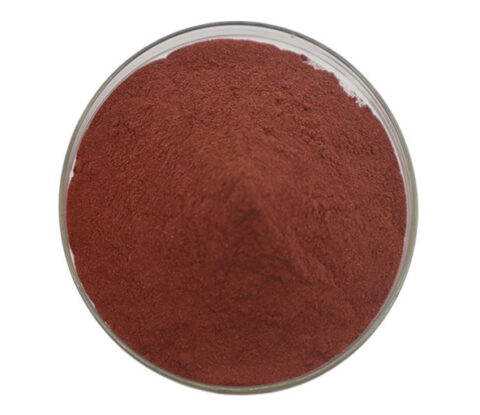
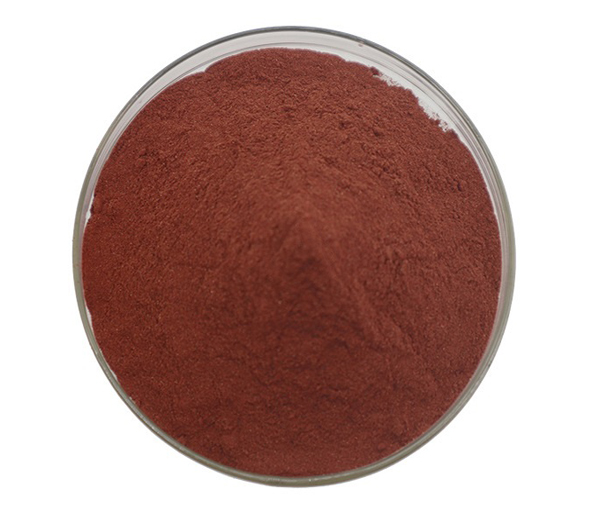
【Appearance】: Brownish fine powder
【Particle size】: 95% pass 80 mesh size
【Main ingredients】: The main components of pine bark extract are anthocyanins, mainly belonging to the B group of anthocyanins; Phenolic acids (such as caffeic acid and ferulic acid); Catechins, epicatechins and other flavan-3-ol monomers; And a small amount of organic acids. Its characteristic component is a unique water-soluble phenolic complex with strong antioxidant activity.
【Storage conditions】:Store at room temperature in a sealed manner, away from light, and in a ventilated, cool, and dry environment.
【Shelf life】: 24 months from the production date
Pine Bark Extract Powder Production Flowchart
Pine Bark raw materials -Coarse powder(40 mesh) -Low temperature water extraction – 1st Reflux Extraction(10 times water,2 Hrs) – 2nd Reflux Extraction8 times water,1.5 Hrs) – 3rd Reflux Extraction(6 times water,1 Hrs) – Extraction Solution-combine&Filtrate-Concentrate-Extractum-spray drying – screening – packaging – detection of physical and chemical indicators – warehousing
Specification Sheet of Pine Bark Extract Powder
| Product name: | Pine Bark Extract | ||
| Specification: | OPCs 95% UV | ||
| Part used: | Pinus massoniana Lamb | ||
| Solvent used: | Water | ||
| Process: | Raw materials crushed, extracted, concentrated and spray-dried to powder | ||
| Non GMO according to regulation (EC) 1829/2003 and 1830/2003 or United States requirements. Non allergen according to Directive 2007/68 amending Annex IIIa to Directive 2000/13/EC and US Food allergen labelling and consumer protection act 2004. | |||
| Heavy Metals: | |||
| Lead: | NMT 3ppm | Cadmium: | NMT 1ppm |
| Arsenic: | NMT 2ppm | Mercury: | NMT 1ppm |
| Residual solvents: | Comply to USP | ||
| Pesticides residues: | Conform to Regulation USP<561> | ||
| Microbiology: | |||
| Total plate count: | 10000cfu/g Max | Yeasts and molds: | 1000cfu/g Max |
| E.coli: | Not detected in (g)10 | Salmonella spp.: | Not detected in (g)25 |
| Staphylococcus aureus: | Not detected in (g)10 | Clostridium spp.: | Not Present in 0.1 g of food |
| Organoleptic quality | Method | Specifications | |
| Aspect: | Visual : ( CQ-MO-148) | Powder | |
| Color: | Visual : ( CQ-MO-148) | Brownish | |
| Flavor: | Sensory: (CQ-MO-148) | Characteristic | |
| Analytical quality | Method | Specifications | |
| Identification: | TLC | Conform | |
| Loss on drying: | USP <731> | < 10% | |
| Bulk density: | USP <616> Method I | 40 – 60 g/100mL | |
| Particle size: | Analytical sieving || USP <786> | 100% through 80meshes | |
| Packaging suitable for foodstuff. | |||
Extended Reading
Modern Research on Pine Bark Extract Powder
Chemical Components
PBE is a complex standardized mixture of bioflavonoids and other polyphenols. Its primary active constituents include:
- Procyanidins (Oligomeric Procyanidins – OPCs): The major component (≈65-75%), primarily procyanidin B1 and others, which are polymers of catechins and epicatechins.
- Monomeric Flavans: Catechin, epicatechin, and taxifolin.
- Phenolic Acids: Caffeic, ferulic, *p*-coumaric, and protocatechuic acids.
- Other Bioactives: Various organic acids (e.g., gallic acid).
Health Benefits (Mechanisms & Key Findings)
PBE’s benefits are largely attributed to its potent antioxidant, anti-inflammatory, and endothelial function-enhancing properties.
- Cardiovascular Health: Improves endothelial function by upregulating nitric oxide (NO) production, reducing oxidative stress, and improving capillary permeability. Clinical studies show it can lower blood pressure (mild hypertension), reduce LDL oxidation, and improve symptoms of chronic venous insufficiency (CVI) and microangiopathy.
- Cognitive Function & Neuroprotection: Crosses the blood-brain barrier, reduces oxidative stress in neural tissue, and may improve memory and cognitive performance in mild cognitive decline. Potential in managing ADHD symptoms in children.
- Glycemic Control & Diabetes: Improves endothelial function in diabetics, reduces oxidative stress, and has been shown to lower fasting blood glucose and HbA1c levels in some studies, enhancing metabolic parameters.
- Skin Health & Anti-Aging: Stimulates collagen and elastin synthesis, protects against UV-induced damage, and improves skin hydration and elasticity. Used in cosmeceuticals for anti-aging and in managing hyperpigmentation (e.g., melasma).
- Anti-Inflammatory & Osteoarthritis: Reduces markers of inflammation (e.g., CRP) and improves pain, stiffness, and physical function in osteoarthritis of the knee, often compared favorably to glucosamine.
- Asthma & Allergy: May reduce inflammatory mediators in the airways and alleviate symptoms in mild allergic asthma.
Interactions
- Anticoagulant/Antiplatelet Drugs (e.g., warfarin, aspirin, clopidogrel): Theoretical risk due to antiplatelet aggregation activity, though clinical evidence for significant interaction is weak. Caution and monitoring are advised.
- Antihypertensive Drugs: May have an additive blood pressure-lowering effect. Monitoring is recommended.
- Immunosuppressants: Due to its immunomodulating potential, it could theoretically interfere.
- Chemotherapy: Consultation with an oncologist is essential due to antioxidant effects that may theoretically interfere with some chemotherapeutic agents’ mechanisms.
Contraindications, Warnings & Side Effects
- Contraindications: Known hypersensitivity to PBE or its components. Use during pregnancy and lactation is not recommended due to insufficient safety data.
- Warnings: Individuals with autoimmune diseases should use caution due to potential immunomodulatory effects.
- Side Effects: Generally well-tolerated. Mild and infrequent side effects may include gastrointestinal discomfort, nausea, dizziness, headaches, or mouth ulcers.
Applications
- Dietary Supplements: For general antioxidant support, cardiovascular health, cognitive support, joint health, and sports nutrition.
- Cosmeceuticals & Topicals: In creams, serums, and sunscreens for anti-aging, photoprotection, and treating hyperpigmentation.
- Medical Foods/Nutraceuticals: For managing symptoms of CVI, microcirculatory disorders, and osteoarthritis.
References (Key Modern Reviews & Studies)
- D’Andrea, G. (2010). Pycnogenol: a blend of procyanidins with multifaceted therapeutic applications? Fitoterapia, 81(7), 724-736.
- Rohdewald, P. (2018). A review of the French maritime pine bark extract (Pycnogenol), a herbal medication with a diverse clinical pharmacology. International Journal of Clinical Pharmacology and Therapeutics, 40(4), 158-168.
- Belcaro, G., et al. (2019). Pycnogenol® in chronic venous insufficiency and microangiopathy: an overview. Pharmaceuticals, 12(1), 2.
- Hosnuter, M., et al. (2020). The efficacy of Pycnogenol in the management of osteoarthritis: a systematic review of animal and human studies. Nutrition Research, 82, 51-71.
- Khan, M. S., et al. (2020). The therapeutic effects of pine bark extract in cardiovascular disease: a systematic review. Current Pharmaceutical Design, 26(30), 3721-3729.
- Schoonees, A., et al. (2021). Pycnogenol® for the treatment of chronic disorders. Cochrane Database of Systematic Reviews, (2). (Note: This Cochrane review found limited high-quality evidence for many conditions, highlighting the need for more robust trials).
- Grimm, T., et al. (2017). Single and multiple dose pharmacokinetics of maritime pine bark extract (Pycnogenol) after oral administration to healthy volunteers. BMC Clinical Pharmacology, 6(4).
Note: This summary is for informational purposes. It may interact with medications and is contraindicated in certain conditions. Consult a healthcare professional before therapeutic use, particularly regarding its estrogenic activity.