
Pineapple Fruit Extract Powder, Pineapple Fruit Instant Powder


The core of modern pharmacological research on pineapple lies in its bromelain complex (pineapple protease), which demonstrates clear application potential in areas such as osteoarthritis, postoperative swelling, wound healing, and digestive support through multiple mechanisms including anti-inflammatory, anti-edematous, immunomodulatory, and fibrinolytic activities. Simultaneously, its rich phenolic components synergistically provide the basis for antioxidant and potential anti-tumor biological activities.

Pineapple Fruit Extract Powder, Pineapple Fruit Instant Powder
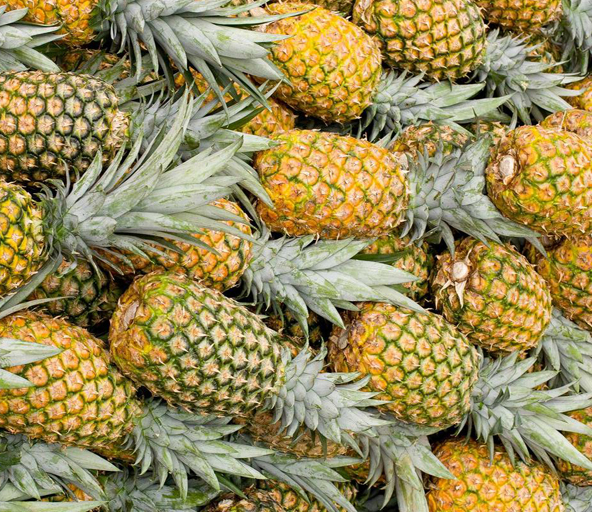
【Botanica source】: Ananas comosus (Linn.) Merr.
【Part used】: Fruit
【Specification】: Bromelain 100,000u/g-2,000,000u/g; Pineapple Fruit Instant Powder
【Extraction solvents】: Water
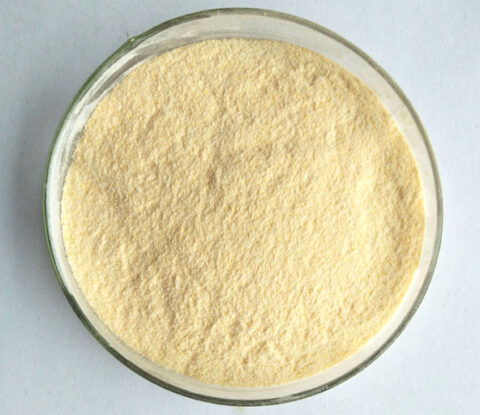
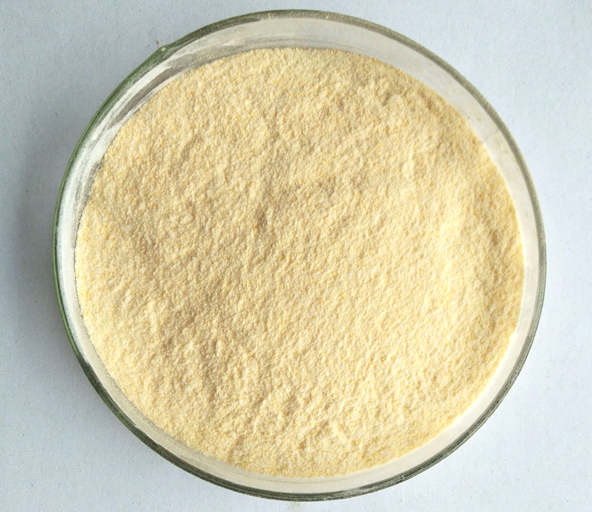
【Appearance】: Light yellow fine powder
【Particle size】: 95% pass 80 mesh size
【Main ingredients】: Bromelain is not a single substance, but a mixture of various proteolytic enzymes extracted from pineapple stems or fruits. It mainly contains sulfhydryl protease, as well as phosphatase, peroxidase, and other active components, which collectively exert a wide range of biological activities such as anti-inflammatory, detumescence, promoting protein digestion, and immune regulation.
【Storage conditions】:Store at room temperature in a sealed manner, away from light, and in a ventilated, cool, and dry environment.
【Shelf life】: 24 months from the production date.

Pineapple Fruit Extract Powder Production Flowchart
Pineapple Fruit raw materials -Coarse powder(40 mesh) -Low temperature water extraction – 1st Reflux Extraction(10 times water,2 Hrs) – 2nd Reflux Extraction8 times water,1.5 Hrs) – 3rd Reflux Extraction(6 times water,1 Hrs) – Extraction Solution-combine&Filtrate-Concentrate-Extractum-spray drying – screening – packaging – detection of physical and chemical indicators – warehousing
Specification Sheet of Pineapple Fruit Extract Powder
| Product name: | Pineapple fruit instant powder | ||
| Specification: | 10:1 TLC | ||
| Part used: | Fruit of Ananas comosus (Linn.) Merr. | ||
| Solvent used: | Water | ||
| Process: | Raw materials crushed, extracted, concentrated and spray-dried to powder | ||
| Non GMO according to regulation (EC) 1829/2003 and 1830/2003 or United States requirements. Non allergen according to Directive 2007/68 amending Annex IIIa to Directive 2000/13/EC and US Food allergen labelling and consumer protection act 2004. | |||
| Heavy Metals: | |||
| Lead: | NMT 3ppm | Cadmium: | NMT 1ppm |
| Arsenic: | NMT 2ppm | Mercury: | NMT 1ppm |
| Residual solvents: | Comply to USP | ||
| Pesticides residues: | Conform to Regulation USP<561> | ||
| Microbiology: | |||
| Total plate count: | 10000cfu/g Max | Yeasts and molds: | 1000cfu/g Max |
| E.coli: | Not detected in (g)10 | Salmonella spp.: | Not detected in (g)25 |
| Staphylococcus aureus: | Not detected in (g)10 | Clostridium spp.: | Not Present in 0.1 g of food |
| Organoleptic quality | Method | Specifications | |
| Aspect: | Visual : ( CQ-MO-148) | Powder | |
| Color: | Visual : ( CQ-MO-148) | Light yellow | |
| Flavor: | Sensory: (CQ-MO-148) | Characteristic | |
| Analytical quality | Method | Specifications | |
| Identification: | TLC | Conform | |
| Loss on drying: | USP <731> | < 10% | |
| Bulk density: | USP <616> Method I | 40 – 60 g/100mL | |
| Particle size: | Analytical sieving || USP <786> | 100% through 80meshes | |
| Packaging suitable for foodstuff. | |||
Extended Reading
Summary of Modern Research on Pineapple Extract
Chemical Components
Pineapple extract is a concentrated source of bioactive compounds, most notably:
- Bromelain: A complex mixture of sulfhydryl-containing proteolytic enzymes, primarily from the stem (stem bromelain) and fruit (fruit bromelain).
- Phenolic Acids & Flavonoids: Such as p-coumaric, ferulic, and sinapic acids, and various flavonoids, contributing to antioxidant capacity.
- Vitamins & Minerals: High in vitamin C, manganese, and vitamin B6 (pyridoxine).
- Soluble Fibers: Including pectins.
- Other Enzymes: Peroxidase, acid phosphatase, and cellulase.
Health Benefits
Modern in vitro, animal, and clinical research highlights multiple therapeutic mechanisms:
- Anti-Inflammatory & Analgesic: Bromelain modulates key inflammatory pathways (e.g., reducing bradykinin, prostaglandin E2), alleviating edema and pain in conditions like osteoarthritis, sinusitis, and post-surgical trauma.
- Proteolytic & Digestive Aid: Enhances protein digestion, potentially helping in pancreatic insufficiency and functional dyspepsia.
- Anticancer Potential: In vitro and animal studies show bromelain can induce apoptosis, inhibit metastasis, and modulate immune responses in various cancer cell lines (e.g., colon, breast). Human evidence remains preliminary.
- Wound Healing & Debridement: Topical and systemic bromelain promotes the removal of necrotic tissue (eschar) and accelerates healing in burns and ulcers.
- Antithrombotic & Cardiovascular Support: Exhibits fibrinolytic, antiplatelet, and anti-edema properties, potentially improving circulation and reducing clot risk.
- Immunomodulation: May enhance antibiotic penetration in infections and modulate cytokine production.
Interactions
- Anticoagulants/Antiplatelets (e.g., warfarin, aspirin, clopidogrel): May potentiate effects, increasing bleeding risk.
- Antibiotics (e.g., amoxicillin, tetracycline): May increase tissue penetration and serum levels of certain antibiotics.
- Sedatives: Animal data suggest potential enhancement of CNS depressants (e.g., benzodiazepines, barbiturates).
- Chemotherapy Drugs: Theoretical interaction due to enhanced absorption; requires medical supervision.
Taboo & Warnings
- Allergy: Contraindicated in individuals allergic to pineapple, latex, or wheat (due to potential cross-reactivity).
- Bleeding Disorders/Upcoming Surgery: Discontinue use at least 2 weeks before surgical procedures.
- Kidney or Liver Disease: Use with caution; limited safety data.
- Pregnancy & Lactation: Insufficient safety data for therapeutic doses; dietary consumption is safe.
- Side Effects: May include gastrointestinal upset, diarrhea, and allergic reactions (rash, asthma).
- Quality & Formulation: Bioactivity varies significantly between sources (stem vs. fruit) and extraction methods.
Applications
- Pharmaceutical/Nutraceutical: Used in oral supplements for inflammation, digestion, and sinus support. Topical formulations for burns and wounds.
- Functional Foods & Beverages: Added for digestive health claims.
- Cosmeceuticals: Incorporated into skincare products for exfoliating and anti-inflammatory effects.
- Food Industry: As a natural meat tenderizer (proteolytic action).
References
- Biotechnology Research International, 2012. “Bromelain: An Overview of Industrial Application and Purification Strategies.”
- Planta Medica, 2016. “Bromelain as a Treatment for Osteoarthritis: a Review of Clinical Studies.”
- Food & Function, 2021. “Anti-inflammatory and immunomodulatory effects of pineapple extract.”
- Cancer Letters, 2010. “Bromelain-induced apoptosis in GI cancer cells is mediated by caspase-8 activation.”
- Journal of Medicinal Food, 2017. “Effects of Oral Bromelain on Wound Healing, Pruritus, and Measured Quality of Life after Skin Grafting.”
- European Journal of Medical Research, 2005. “Bromelain’s activity and potential as an anti-cancer agent.”
- Journal of Ethnopharmacology, 1999. “Modulation of adhesion molecules by bromelain.”
Disclaimer: This summary consolidates peer-reviewed research. Pineapple extract and bromelain are not substitutes for medical treatment. Consultation with a healthcare provider is essential before use, especially for therapeutic purposes or for individuals with underlying health conditions.