
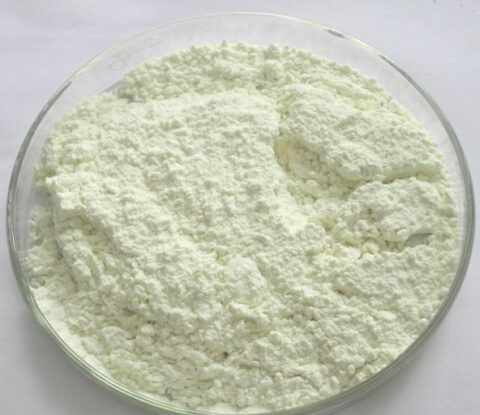
Black Pepper Extract Powder with Piperine 95%, 98%, 10%, 50%, 4% HPLC


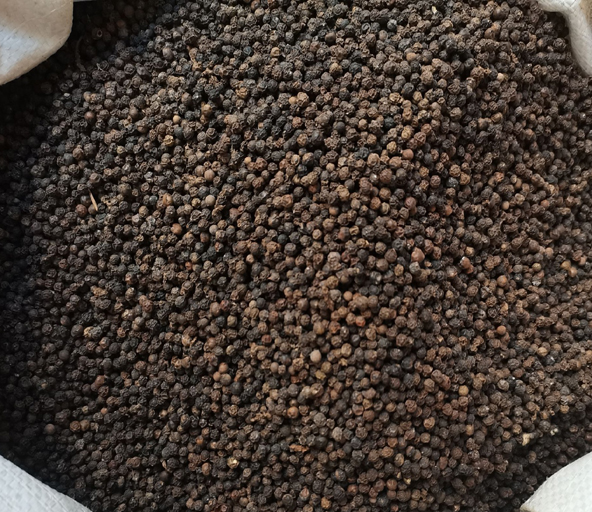
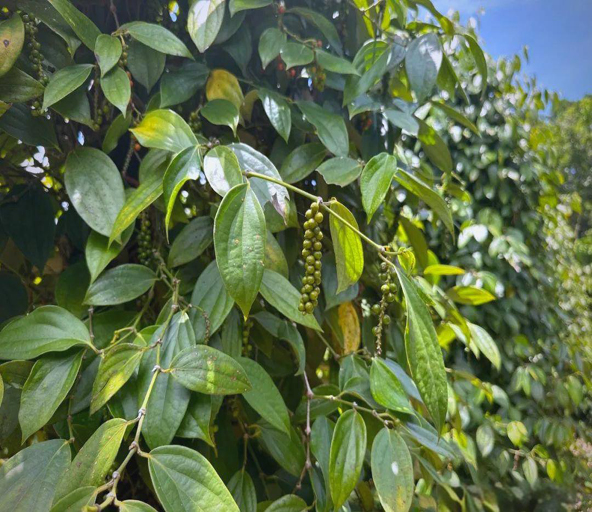
The effect of piperine on the central nervous system. The chemical structure of piperine belongs to the cinnamamide class. Studies have shown that piperine has pharmacological effects such as sedation, hypnosis, anticonvulsant, skeletal muscle relaxation, and antidepressant.

Black Pepper Extract Powder with Piperine 95%, 98%, 10%, 50%, 4% HPLC
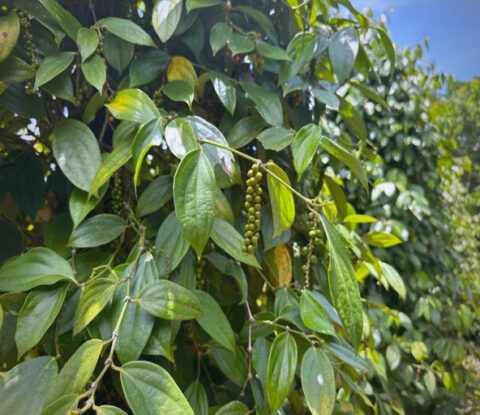
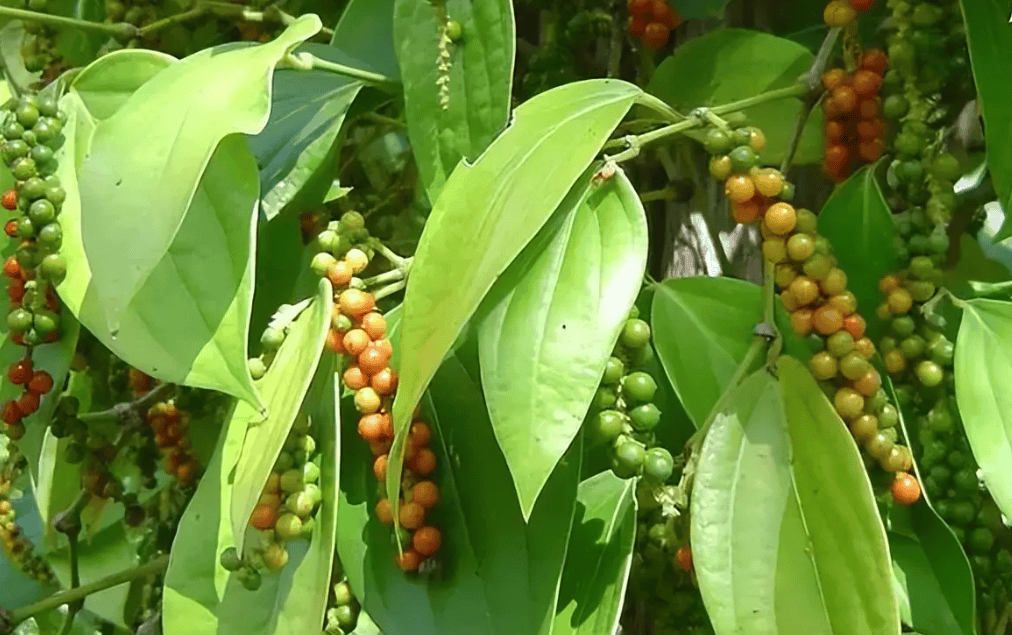
【Botanical source】: Piper Nigrum L.
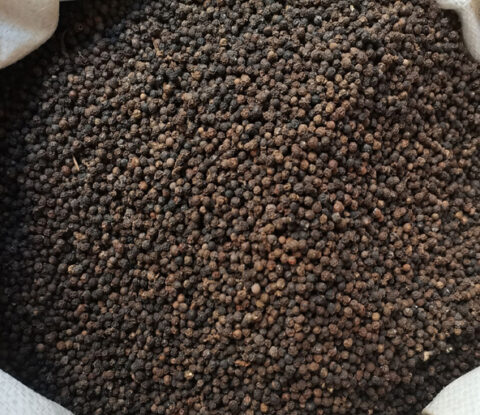
【Part used】: The dried near mature or ripe fruit of Piper nigrum L, a pepper plant in the family Piperaceae. Harvested from late autumn to the next spring when the fruit turns dark green, dried in the sun to produce black pepper.
【Specification】: Piperine 95%, 98%, 10%, 50%, 4% HPLC
【Extraction solvents】: ethanol and water
【CAS number】: 7780-20-3(Piperine)
【Molecular weight】: 285.34
【Solubility】: Melting point 130-133 ℃, soluble in acetic acid, benzene, ethanol, and chloroform, slightly soluble in ether. Piperine is an organic compound that is insoluble in water.
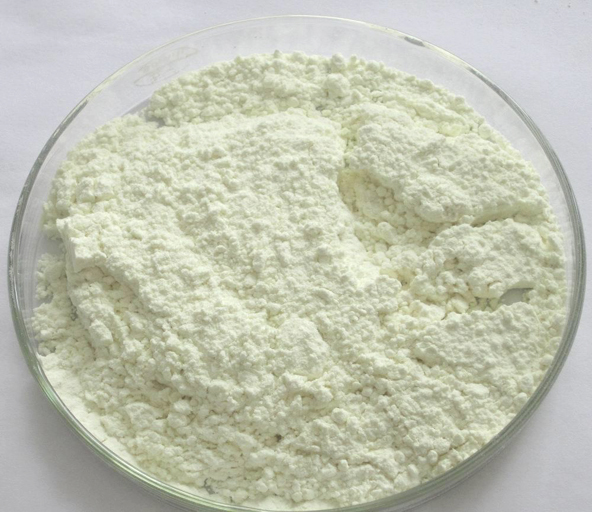
【Appearance】: Light brownish to offwhite fine powder
【Particle size】: 95% pass 80 mesh size
Black Pepper Extract Powder Production Flowchart
Black pepper materials -Coarse powder(40 mesh) -Low temperature water extraction – 1st Reflux Extraction(10 times water,2 Hrs) – 2nd Reflux Extraction8 times water,1.5 Hrs) – 3rd Reflux Extraction(6 times water,1 Hrs) – Extraction Solution-combine&Filtrate-Concentrate-Extractum-spray drying – screening – packaging – detection of physical and chemical indicators – warehousing
Specification Sheet of Black Pepper Extract Powder
| Product name: | Black Pepper Extract | ||
| Specification: | 95% Piperine UV | ||
| Part used: | Fruit of Piper nigrum L | ||
| Solvent used: | Ethanol | ||
| Process: | Raw materials crushed, extracted, concentrated and spray-dried to powder | ||
| Non GMO according to regulation (EC) 1829/2003 and 1830/2003 or United States requirements. Non allergen according to Directive 2007/68 amending Annex IIIa to Directive 2000/13/EC and US Food allergen labelling and consumer protection act 2004. | |||
| Heavy Metals: | |||
| Lead: | NMT 3ppm | Cadmium: | NMT 1ppm |
| Arsenic: | NMT 2ppm | Mercury: | NMT 1ppm |
| Residual solvents: | Comply to USP | ||
| Pesticides residues: | Conform to Regulation USP<561> | ||
| Microbiology: | |||
| Total plate count: | 10000cfu/g Max | Yeasts and molds: | 1000cfu/g Max |
| E.coli: | Not detected in (g)10 | Salmonella spp.: | Not detected in (g)25 |
| Staphylococcus aureus: | Not detected in (g)10 | Clostridium spp.: | Not Present in 0.1 g of food |
| Organoleptic quality | Method | Specifications | |
| Aspect: | Visual : ( CQ-MO-148) | Powder | |
| Color: | Visual : ( CQ-MO-148) | Offwhite | |
| Flavor: | Sensory: (CQ-MO-148) | Characteristic | |
| Analytical quality | Method | Specifications | |
| Identification: | TLC | Conform | |
| Loss on drying: | USP <731> | < 10% | |
| Bulk density: | USP <616> Method I | 40 – 60 g/100mL | |
| Particle size: | Analytical sieving || USP <786> | 100% through 80meshes | |
| Packaging suitable for foodstuff. | |||
Extended Reading
Modern Pharmacological Effects of Black Pepper Extract
Black pepper extract, especially its key bioactive component piperine, has become a hot topic in modern nutrition and pharmacology research. Its research has far exceeded traditional seasoning purposes and entered the field of health promotion and disease adjuvant therapy. The following are the main directions and conclusions of modern research on black pepper extract:
Core active ingredient: Piperine
Piperine is the main alkaloid in black pepper, responsible for its spiciness and is also the source of most health benefits. Modern research mainly focuses on its following characteristics:
1.Bioaccumulation enhancer
This is the most well-known and thoroughly studied effect of piperine. It can significantly increase the blood drug concentration of various nutrients and drugs through multiple mechanisms, such as inhibiting drug metabolizing enzymes, inhibiting intestinal excretion pumps, and increasing intestinal absorption. For example:
Curcumin: Increases the bioavailability of curcumin by up to 2000%, making it the “golden partner”.
Vitamins (such as beta carotene, selenium), trace elements.
Certain medications (should be used with caution under the guidance of a doctor).
2.Powerful antioxidant and anti-inflammatory effects
Piperine can effectively eliminate free radicals and reduce oxidative stress.
By inhibiting key inflammatory pathways such as NF – κ B, the levels of various inflammatory factors (such as TNF – α, IL-6) are reduced. This provides a foundation for its application in chronic inflammation related diseases.
3.Neuroprotection and cognitive function
Research has shown that piperine may produce antidepressant like effects by increasing serotonin and dopamine levels in the brain.
In animal models, it has been shown to improve memory deficits in Alzheimer’s disease models, possibly by inhibiting beta amyloid plaque formation and tau protein phosphorylation.
May have a protective effect on Parkinson’s disease and epilepsy.
4.Metabolic regulation and anti obesity potential
Regulating lipid metabolism: can reduce the levels of triglycerides and LDL (bad cholesterol) in the blood, and increase HDL (good cholesterol).
Anti adipogenesis: inhibits adipocyte differentiation and proliferation.
Improve insulin sensitivity: it may have auxiliary improvement effect on type 2 diabetes.
5.Antitumor potential (preclinical studies)
A large number of cell and animal experiments have shown that piperine can inhibit proliferation, induce apoptosis and inhibit metastasis of a variety of cancer cells (such as breast cancer, prostate cancer, colon cancer and lung cancer).
Usually studied as an adjuvant to chemotherapy drugs to enhance efficacy or reduce side effects. But there is still a long way to go before becoming a standard anti-cancer drug.
6.Gastrointestinal health
Traditionally used to improve digestion. Research has found that it can stimulate the secretion of digestive enzymes and promote intestinal peristalsis.
May have a protective effect on gastric ulcers and regulate gut microbiota.
7.Other research fields
Analgesia and antipyretic: It has a certain natural analgesic and antipyretic effect.
Antibacterial: Has inhibitory activity against certain strains of bacteria.
Enhance athletic performance: As a supplement, it may work by increasing metabolism and reducing muscle soreness.
Application and Product Form
In the modern market, black pepper extract mainly appears in the form of standardized piperine content (usually 95% or 98%):
Dietary supplements: either alone or in combination with curcumin or other plant extracts.
Additives for functional foods and beverages.
Cosmetics: Utilize their antioxidant and anti-inflammatory properties.
Safety, side effects, and interactions
General safety: Extremely safe at food seasoning doses. As a supplement, short-term studies have shown good tolerance at recommended doses (typically 5-20 milligrams of piperine per day).
Common side effects: High doses may cause gastrointestinal discomfort.
Key Warning – Drug Interactions:Due to piperine being an inhibitor of liver enzyme CYP3A4 and P-glycoprotein, it may significantly increase the blood concentration of various prescription drugs, leading to excessive efficacy or increased side effects. The affected drugs include:
Antiepileptic drugs (such as carbamazepine)
Anticoagulants (such as warfarin)
Certain cardiovascular drugs
Some antidepressants
Some chemotherapy drugs
Before using high-dose piperine supplements while taking any prescription medication, it is necessary to consult a doctor or pharmacist.