
Plantago Seed (Che Qian Zi) Extract Powder 10:1, 20:1, 50:1 TLC


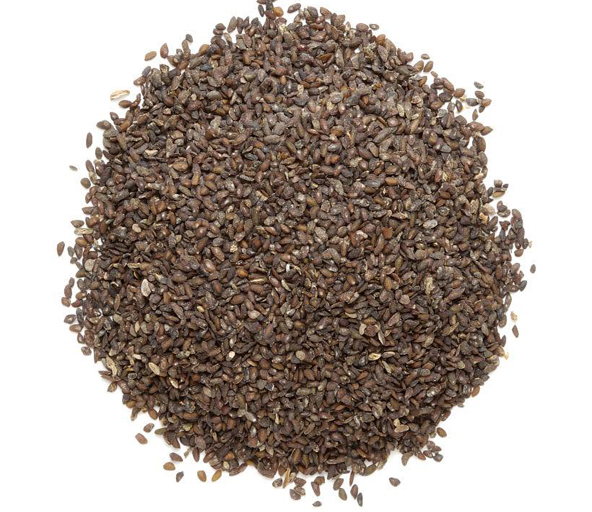
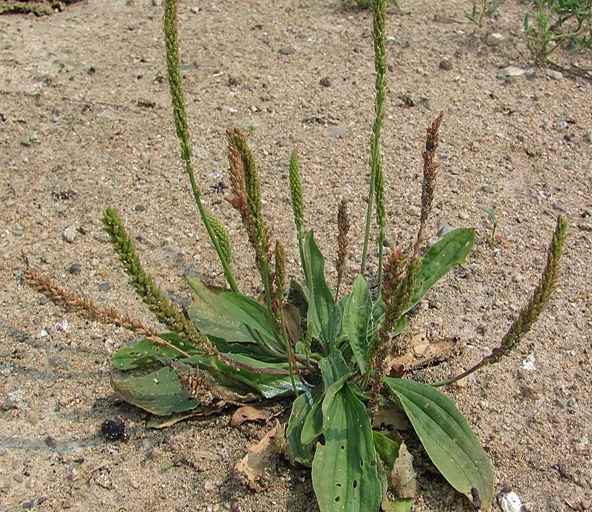
The functions of Plantago asiatica in traditional Chinese medicine include clearing heat, diuresis, promoting diuresis, relieving diarrhea, improving vision, and eliminating phlegm. Used for heat induced pain, swelling and fullness, diarrhea due to summer dampness, redness, swelling and pain in the eyes, phlegm heat, and cough.

Plantago Seed (Che Qian Zi) Extract Powder 10:1, 20:1, 50:1 TLC
【Other names】: Che Qian Zi, Semen Plantaginis, Plantain Seed
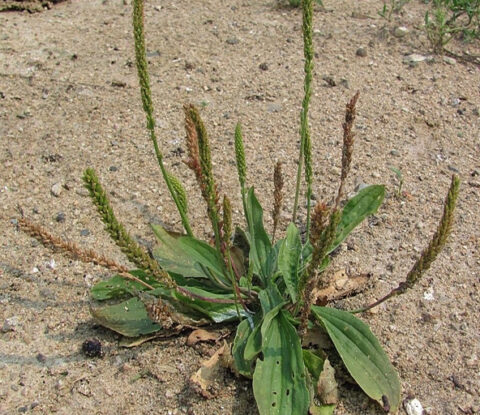
【Botanical source】: Plantago asiatica L or Plantago depressa Willd.
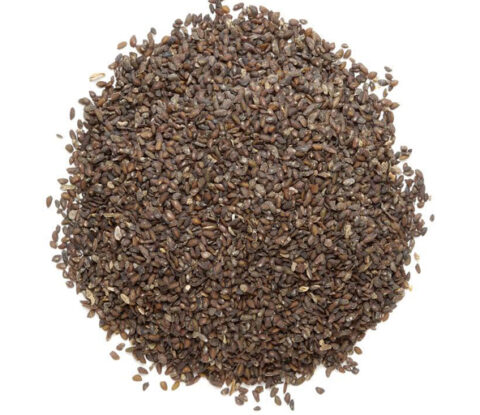
【Part used】: Dried mature seeds of Plantago asiatica L or Plantago depression Willd, a plant in the Plantago family. Harvest the fruit ears when the seeds mature in summer and autumn, dry them in the sun, knead the seeds, and remove impurities.
【Specification】: 10:1, 20:1, 50:1 TLC
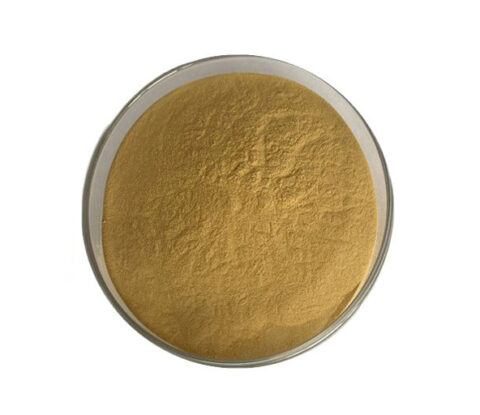
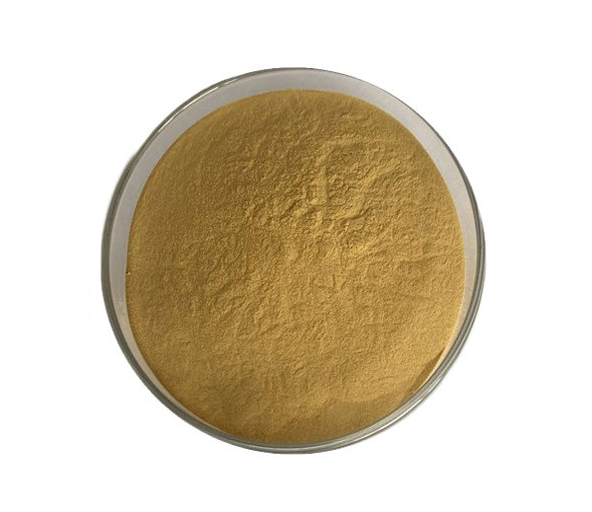
【Appearance】: Brownish yellow fine powder
【Particle size】: 95% pass 80 mesh size
Plantago Seed (Che Qian Zi) Extract Powder Production Flowchart
Plantago Seed (Che Qian Zi) raw materials – natural air drying–Coarse powder(40 mesh) -Low temperature water extraction – 1st Reflux Extraction(10 times water,2 Hrs) – 2nd Reflux Extraction8 times water,1.5 Hrs) – 3rd Reflux Extraction(6 times water,1 Hrs) – Extraction Solution-combine&Filtrate-Concentrate-Extractum-spray drying – screening – packaging – detection of physical and chemical indicators – warehousing
Specification Sheet of Plantago Seed (Che Qian Zi) Extract Powder
| Product name: | Plantago Seed Extract | ||
| Specification: | 10:1 TLC | ||
| Part used: | Dry seeds of Plantago asiatica L | ||
| Solvent used: | Hot water | ||
| Process: | Raw materials crushed, extracted, concentrated and spray-dried to powder | ||
| Non GMO according to regulation (EC) 1829/2003 and 1830/2003 or United States requirements. Non allergen according to Directive 2007/68 amending Annex IIIa to Directive 2000/13/EC and US Food allergen labelling and consumer protection act 2004. | |||
| Heavy Metals: | |||
| Lead: | NMT 3ppm | Cadmium: | NMT 1ppm |
| Arsenic: | NMT 2ppm | Mercury: | NMT 1ppm |
| Residual solvents: | Comply to USP | ||
| Pesticides residues: | Conform to Regulation USP<561> | ||
| Microbiology: | |||
| Total plate count: | 10000cfu/g Max | Yeasts and molds: | 1000cfu/g Max |
| E.coli: | Not detected in (g)10 | Salmonella spp.: | Not detected in (g)25 |
| Staphylococcus aureus: | Not detected in (g)10 | Clostridium spp.: | Not Present in 0.1 g of food |
| Organoleptic quality | Method | Specifications | |
| Aspect: | Visual : ( CQ-MO-148) | Powder | |
| Color: | Visual : ( CQ-MO-148) | Brownish | |
| Flavor: | Sensory: (CQ-MO-148) | Characteristic | |
| Analytical quality | Method | Specifications | |
| Identification: | TLC | Conform | |
| Loss on drying: | USP <731> | < 10% | |
| Bulk density: | USP <616> Method I | 40 – 60 g/100mL | |
| Particle size: | Analytical sieving || USP <786> | 100% through 80meshes | |
| Packaging suitable for foodstuff. | |||
Extended Reading
Plantago Seed (Che Qian Zi) Function and Efficacy Recorded in TCM
Plantago asiatica is a very commonly used and important traditional Chinese medicine in traditional Chinese medicine. Its medicinal properties are mild and have a wide range of effects, known as the “Tongli” effect. Below is a detailed analysis of the role of Plantago asiatica in traditional Chinese medicine.
Plantago asiatica has a sweet taste and a cold nature, and belongs to the liver, kidney, lung, and small intestine meridians. Its core function is diuresis, diuresis, diuresis, diuresis, diuresis, diuresis, diuresis, diuresis, diuresis, diuresis, diuresis, diuresis, diuresis, diuresis, diuresis and diuresis.
1. Diuretic and gonococcal properties
This is the most classic function of Plantago asiatica.
Function: It can facilitate urination, eliminate dampness and heat, and is particularly good at treating urinary problems caused by dampness and heat descending into the bladder.
Indications:
Difficulty urinating: Low urine output and poor drainage.
Linzheng: Especially with hot gonorrhea, symptoms include frequent urination, short and astringent sensation, dripping and stabbing pain, and sudden bloating and pain in the lower abdomen.
Edema: Eliminating body edema by promoting urination, which is known as “promoting diuresis and reducing swelling” in traditional Chinese medicine.
Modern counterpart: commonly used for urinary tract infections (such as cystitis, urethritis), urinary tract stones, nephritis edema, etc.
2. Dampening and stopping diarrhea
This is a very clever function that embodies the unique treatment method of traditional Chinese medicine, which is to promote urination and strengthen bowel movements.
Function: When the evil of water dampness causes diarrhea, manifested as loose and watery stools, Plantago asiatica can guide the water dampness in the intestines to be excreted through urine. The urine is cleared, the moisture in the intestines decreases, and the diarrhea naturally stops.
Indications: Diarrhea and watery stools caused by summer heat and dampness.
Usage: When treating watery diarrhea, it is often used as a single herb, stir fried and ground into powder, and taken with rice soup.
3. Clearing the liver and improving vision
Utilize its cold nature to clear the heat evil of the liver meridian.
Function: The liver opens to the eyes, and inflammation of liver fire can lead to eye problems. Plantago asiatica can clear liver fire and improve eyesight.
Indications:
Liver heat, red eyes, swelling and pain.
Faint eyes and unclear vision (often used in conjunction with liver and kidney tonics such as goji berries and Rehmannia glutinosa).
Modern counterpart: commonly used for conjunctivitis, visual impairment, early cataracts, etc.
4. Clearing the lungs and resolving phlegm
Acting on the lung meridian, clearing lung heat and phlegm turbidity.
Function: It can clear lung heat, dilute and promote sputum discharge, especially suitable for cough and phlegm caused by lung heat.
Indications: Cough caused by lung heat, with thick and yellowish phlegm that is difficult to cough up.
Modern counterpart: commonly used for cough caused by bronchitis, pneumonia, etc.
Modern Pharmacological Effects of Plantago Seed (Che Qian Zi)
The modern pharmacological effects of Plantago asiatica have been extensively studied, and the traditional applications of traditional Chinese medicine have been validated and expanded through scientific means. Its main pharmacological activities are attributed to various components, including polysaccharides, phenylethanolic glycosides, flavonoids, iridoids, and volatile oils.
The following are the main modern pharmacological effects of Plantago asiatica:
1. Diuretic effect
Mechanism: Plantago asiatica and its glycosides can significantly increase urine output, while promoting the excretion of urea, sodium chloride, and uric acid. This directly confirms the efficacy of traditional Chinese medicine’s “diuresis and laxatives”.
Application: Provides scientific basis for the adjuvant treatment of edema, urinary system infections, and hypertension.
2. Protective effect on the urinary system
Anti kidney stones: Research has found that the mucinous substance of Plantago asiatica can adhere to the surface of stones, inhibiting the growth and aggregation of calcium oxalate crystals. Its diuretic effect can also flush out small stones and prevent their enlargement.
Antioxidant and anti-inflammatory: Its flavonoids and polysaccharides can alleviate oxidative stress and inflammatory response in the kidneys, and have a protective effect against kidney damage caused by drugs such as gentamicin.
3. Diarrhea and regulation of intestinal function
Mechanism: Plantago seed shell is rich in dietary fiber (mainly polysaccharide), which can expand into gel like substances dozens of times when it meets water.
Softening stool: Increasing the volume and moisture content of stool to soften it and make it easier to excrete. This is a mild physical diarrhea that is very suitable for habitual constipation.
The scientific explanation of “facilitating urination and enriching stool”: during diarrhea, its gel like substance can absorb the excess water in the intestine and cover it on the intestinal mucosa to form a protective layer, slow down intestinal peristalsis, thus thickening the stool and playing a role in stopping diarrhea.
Application: Bi directional regulation of the intestine can treat constipation and assist in the treatment of diarrhea.
4. Hypolipidemic and hypoglycemic effects
Lowering blood lipids: Plantago asiatica polysaccharides can bind with bile acids in the intestine, promoting their excretion. In order to synthesize new bile acids, the liver accelerates cholesterol metabolism, thereby reducing cholesterol levels in the blood.
Hypoglycemia: Its mucus can slow down gastric emptying and form a physical barrier in the intestine, delaying glucose absorption and stabilizing postprandial blood sugar.
Application: As an auxiliary therapy, it has positive prevention and treatment significance for hyperlipidemia and diabetes.
5. Anti inflammatory, antioxidant and immune regulation
Anti inflammatory: The phenylethanolic glycosides (such as verbascoside) and flavonoids in Plantago asiatica have significant anti-inflammatory activity and can inhibit the production of various inflammatory factors.
Antioxidant: It can eliminate free radicals in the body and reduce oxidative damage.
Immune regulation: Plantago asiatica polysaccharides can enhance the phagocytic ability of macrophages, regulate humoral and cellular immunity.
Application: This provides a pharmacological basis for its treatment of respiratory inflammation (clearing the lungs and phlegm), ocular inflammation (clearing the liver and improving vision), and urinary system inflammation (diuresis and gonorrhea).
6. Cough relieving and phlegm resolving effects
Mechanism:
Reflective expectorant: Plantago asiatica decoction has a mild stimulating effect on the tracheal mucosa, which can reflexively increase bronchial mucus secretion, making sputum thinner and easier to cough up.
Anti inflammatory: Relieve airway inflammation and relieve cough.
Application: The traditional efficacy of clearing the lungs and resolving phlegm has been scientifically explained.
7. Antibacterial effect
Discovery: In vitro experiments have shown that Plantago asiatica extract has inhibitory effects on various pathogenic bacteria, such as Staphylococcus aureus, Shigella, Escherichia coli, etc.
Application: This provides a synergistic effect for its treatment of intestinal infections (diarrhea) and urinary system infections (gonorrhea).
8. Antitumor effect
Preliminary research: Some studies have shown that polysaccharides and extracts from Plantago asiatica have certain anti-tumor activities, which may be achieved by inducing cancer cell apoptosis, inhibiting cancer cell proliferation and metastasis, and enhancing the body’s immune system.
Current situation: Currently, it is mostly in the stage of cell and animal experiments, which is a potential research direction for the future.