
Platycodon Grandiflorus (Jie Geng) Extract Powder 10:1, 20:1, 50:1 TLC


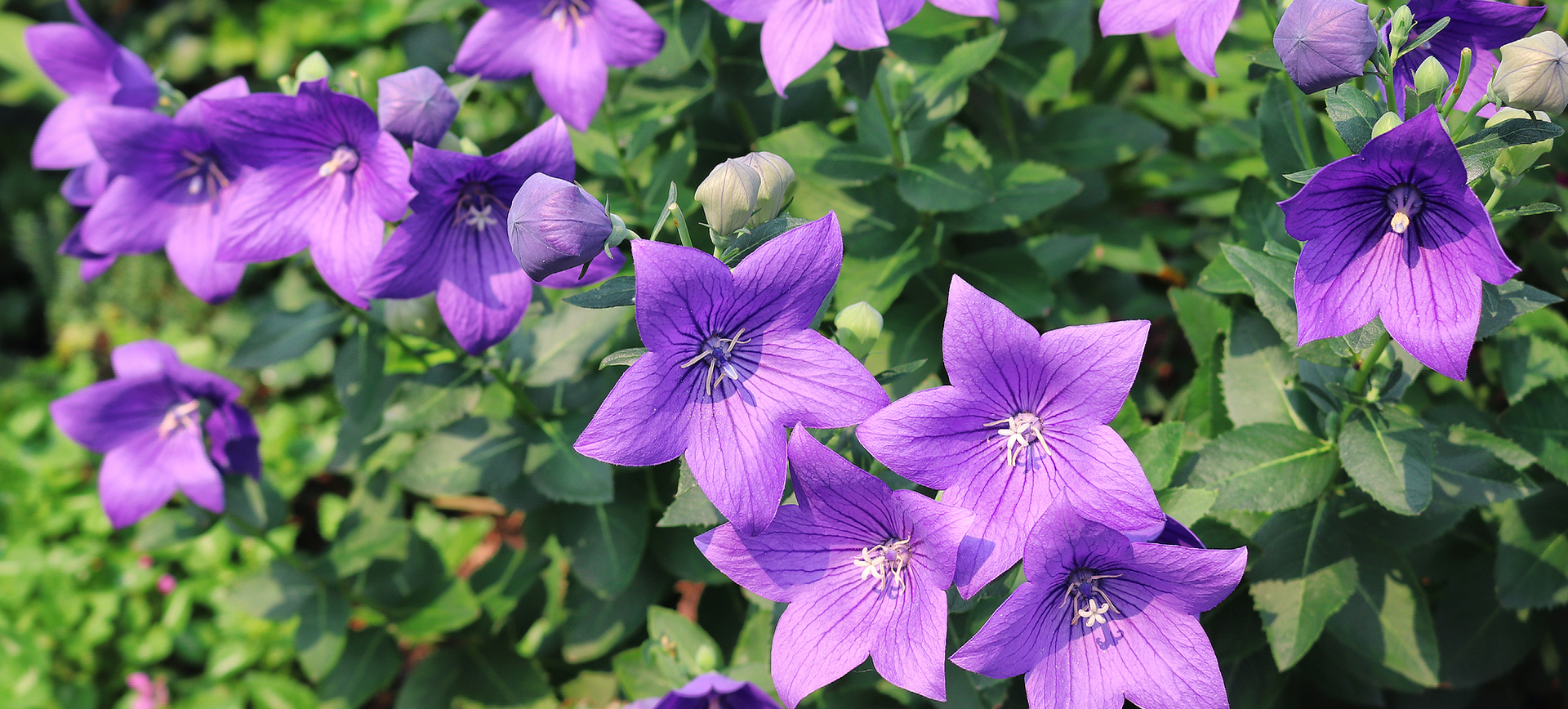
The functions of Platycodon grandiflorum in traditional Chinese medicine include promoting lung function, clearing throat, eliminating phlegm, and expelling pus. Used for coughing with excessive phlegm, chest tightness, sore throat, hoarse voice, and vomiting pus from lung abscess.

Platycodon Grandiflorus (Jie Geng) Extract Powder 10:1, 20:1, 50:1 TLC
【Other names】: Jie Geng, Radix Platycodi, Platycodon Root
【Botanical source】: Platycodon grandiflorum (Jacq.)A.DC.
【Part used】: This product is the dried root of Platycodon grandiflorum (Jacq.) A.DC., a plant in the Campanulaceae family. Dig and wash in spring and autumn, remove the roots, peel off the outer skin while fresh or leave it on, and dry.
【Specification】: 10:1, 20:1, 50:1 TLC
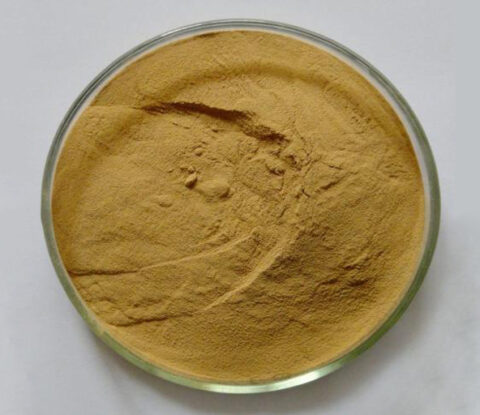
【Appearance】: Brownish yellow fine powder
【Particle size】: 95% pass 80 mesh size
Platycodon Grandiflorus (Jie Geng) Extract Powder Production Flowchart
Platycodon Grandiflorus (Jie Geng) raw materials – natural air drying–Coarse powder(40 mesh) -Low temperature water extraction – 1st Reflux Extraction(10 times water,2 Hrs) – 2nd Reflux Extraction8 times water,1.5 Hrs) – 3rd Reflux Extraction(6 times water,1 Hrs) – Extraction Solution-combine&Filtrate-Concentrate-Extractum-spray drying – screening – packaging – detection of physical and chemical indicators – warehousing


Specification Sheet of Platycodon Grandiflorus (Jie Geng) Extract Powder
| Product name: | Platycodon Grandiflorus (Jie Geng) Extract | ||
| Specification: | 10:1 TLC | ||
| Part used: | Dried root of Scutellaria baicalensis Georgi | ||
| Solvent used: | Hot water | ||
| Process: | Raw materials crushed, extracted, concentrated and spray-dried to powder | ||
| Non GMO according to regulation (EC) 1829/2003 and 1830/2003 or United States requirements. Non allergen according to Directive 2007/68 amending Annex IIIa to Directive 2000/13/EC and US Food allergen labelling and consumer protection act 2004. | |||
| Heavy Metals: | |||
| Lead: | NMT 3ppm | Cadmium: | NMT 1ppm |
| Arsenic: | NMT 2ppm | Mercury: | NMT 1ppm |
| Residual solvents: | Comply to USP | ||
| Pesticides residues: | Conform to Regulation USP<561> | ||
| Microbiology: | |||
| Total plate count: | 10000cfu/g Max | Yeasts and molds: | 1000cfu/g Max |
| E.coli: | Not detected in (g)10 | Salmonella spp.: | Not detected in (g)25 |
| Staphylococcus aureus: | Not detected in (g)10 | Clostridium spp.: | Not Present in 0.1 g of food |
| Organoleptic quality | Method | Specifications | |
| Aspect: | Visual : ( CQ-MO-148) | Powder | |
| Color: | Visual : ( CQ-MO-148) | Brownish yellow | |
| Flavor: | Sensory: (CQ-MO-148) | Characteristic | |
| Analytical quality | Method | Specifications | |
| Identification: | TLC | Conform | |
| Loss on drying: | USP <731> | < 10% | |
| Bulk density: | USP <616> Method I | 40 – 60 g/100mL | |
| Particle size: | Analytical sieving || USP <786> | 100% through 80meshes | |
| Packaging suitable for foodstuff. | |||
Extended Reading
Platycodon Grandiflorus (Jie Geng) Function and Efficacy Recorded in TCM
Platycodon grandiflorum is one of the most commonly used medicinal herbs in clinical Chinese medicine. It has a bitter and pungent taste, is calm, and belongs to the lung meridian. Its core function can be summarized as “promoting the lungs, clearing the throat, eliminating phlegm, and expelling pus”. Due to its ascending medicinal properties and ability to open up lung qi, it is known as the “boat’s medicine” and can induce other drugs to ascend above the chest and diaphragm to treat upper burner diseases.
1. Promote lung and throat function
This is the most significant effect of Platycodon grandiflorum. It can relieve bitterness and relieve diarrhea, open up lung qi, and benefit the throat.
Used for external cough, regardless of cold or heat:
Wind cold cough: often combined with perilla, almonds, etc., such as Xingsu powder.
Wind heat cough: often combined with mulberry leaves, chrysanthemums, mint, etc., such as mulberry chrysanthemum drink.
Used for sore throat and loss of voice: For sore throat and hoarseness caused by various reasons, Platycodon grandiflorus is a throat tonic. Often used interchangeably with mint, burdock, and licorice, such as Platycodon grandiflorum soup (only two medicinal herbs, Platycodon grandiflorum and licorice).
2. Dispelling phlegm and pus
Platycodon grandiflorum can promote tracheal secretion, dilute phlegm, making it easy to cough up and has a good expectorant effect. At the same time, it is good at dispersing blood stasis and pus phlegm in the lungs.
Used for coughing and phlegm accumulation, with unpleasant expectoration: Regardless of whether the phlegm is clear, thin, or viscous, as long as it is cough and phlegm caused by lack of lung qi, Platycodon grandiflorum can be used. Often used together with phlegm resolving and qi regulating medicines such as tangerine peel, Pinellia ternata, and Fructus Aurantii.
Used for coughing and vomiting pus and blood in lung abscess: This is a classic application of Platycodon grandiflorum. Lung abscess is equivalent to modern lung abscess, bronchiectasis combined with infection, etc. Symptoms include chest pain, cough, cough and vomiting, foul smelling pus and blood. Platycodon grandiflorum can promote lung function and discharge pus, making it a key medication for treating this condition. It is often used together with herbs such as Houttuynia cordata, winter melon kernels, and reed roots to clear the lungs and relieve pus, or in combination with licorice, such as Kikyo decoction.
Modern Pharmacological Effects of Platycodon Grandiflorus (Jie Geng)
1. Expectorant and cough suppressant effects
Expelling phlegm: This is the most classic and clear pharmacological effect of Platycodon grandiflorum. Its active ingredient, Platycodon grandiflorus saponins, has a direct stimulating effect on the oral cavity, throat, and gastric mucosa.
Mechanism of action: This stimulus can reflexively cause an increase in bronchial gland secretion, leading to dilution of sputum and a decrease in viscosity, making it easier to excrete through cough reflex. This perfectly explains the principle of using it in traditional Chinese medicine to treat cough and phlegm.
Cough suppression: Studies have also shown that Platycodon grandiflorum has a certain cough suppression effect, but its expectorant effect is much stronger than cough suppression.
2. Anti inflammatory and immune regulatory effects
Anti inflammatory: Extracts and saponins from Platycodon grandiflorum have significant inhibitory effects on various experimental inflammatory models, such as xylene induced ear swelling in mice and carrageenan induced foot swelling. This provides a scientific basis for its treatment of “sore throat” and lung inflammation.
Immune regulation: Platycodon grandiflorum polysaccharides can enhance the phagocytic function of macrophages, promote lymphocyte proliferation, and thus enhance the immune function of the body. This is in line with the concept of “strengthening the body and eliminating pathogens” in traditional Chinese medicine, especially in the treatment of infectious diseases such as lung carbuncle (lung abscess), which can not only anti-inflammatory and bactericidal, but also improve the body’s ability to clear itself.
3. Anti ulcer and hepatoprotective effects
This may seem unrelated to the lungs, but it actually confirms the meridian guiding effect of Platycodon grandiflorum as a “boat and boat agent”. Research has shown that saponins from Platycodon grandiflorus can increase the defense ability of gastric mucosa and have therapeutic effects on experimental gastric ulcers.
Meanwhile, Platycodon grandiflorum also has the function of protecting the liver and reducing enzymes, which may be related to its anti-inflammatory and antioxidant mechanisms.
4. Hypoglycemic and lipid-lowering effects
Hypoglycemic: The water extract of Platycodon grandiflorum and platycodon grandiflorum saponin have significant hypoglycemic effects on normal and experimental diabetes animals. The mechanism may be related to improving insulin sensitivity and inhibiting glycogen breakdown.
Hypolipidemic: Platycodon grandiflorum saponins can reduce the levels of total cholesterol, triglycerides and low-density lipoprotein (“bad” cholesterol) in the blood, which has potential value in the prevention and treatment of atherosclerosis.
5. Antioxidant and anti-aging effects
The polysaccharides and flavonoids in Platycodon grandiflorum have good ability to scavenge free radicals, which can reduce oxidative stress damage to cells and tissues. This is related to its anti-inflammatory, hepatoprotective, and cardiovascular and cerebrovascular effects, and also suggests its potential in anti-aging.
6. Sedative, analgesic, and antipyretic effects
Research has shown that Platycodon grandiflorus extract has a certain central inhibitory effect, can prolong the sleep time of pentobarbital sodium, and exhibits certain analgesic and antipyretic effects. This provides a partial pharmacological basis for the use of traditional Chinese medicine in the treatment of external fever, chest pain, and other conditions.
7. Anti cancer activity
Some in vitro and animal experiments have found that saponins and polysaccharides from Platycodon grandiflorus have inhibitory effects on various cancer cells, such as lung cancer, gastric cancer, and liver cancer cells, and can induce cancer cell apoptosis and inhibit their proliferation. But this is still in the research stage and has not yet been applied to clinical treatment.