
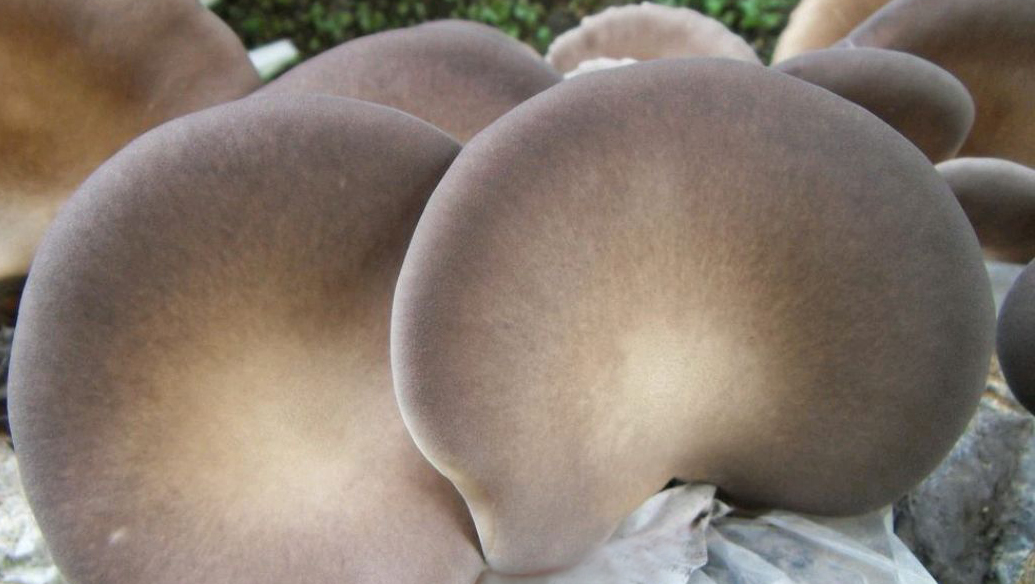
Abalone Mushroom (Pleurotus Abalones) Extract Powder 10:1, 20:1, 50:1 TLC, Polysaccharides 30% UV


The pharmacological effects of abalone mushrooms mainly stem from their polysaccharides (β - glucan) and other components, which have immunomodulatory, anti-tumor, antioxidant, anti-inflammatory, and lipid-lowering effects. Research has confirmed that it can enhance the body's immune function, inhibit cancer cell growth, eliminate free radicals, and improve metabolic health, demonstrating good medicinal and health potential.

Abalone Mushroom (Pleurotus Abalones) Extract Powder 10:1, 20:1, 50:1 TLC, Polysaccharides 30% UV
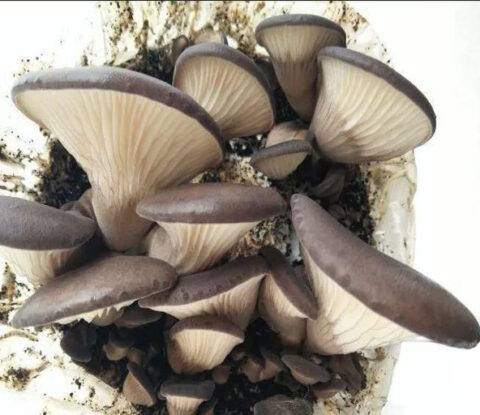
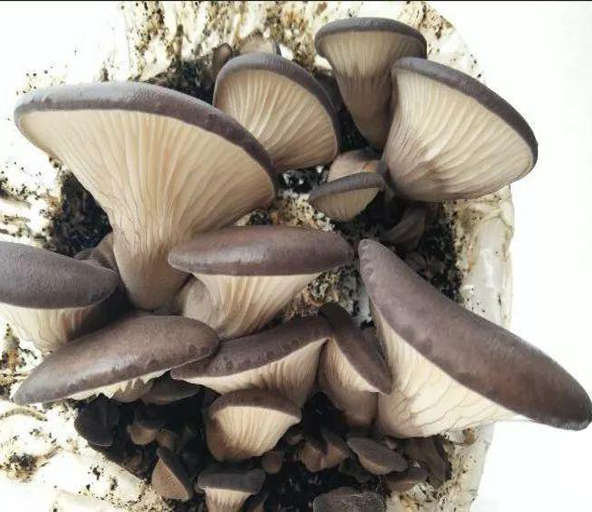
【Botanical source】: Pleurotus abalones
【Part used】: Mycelium&Frutingbody
【Specification】: 10:1, 20:1, 50:1 TLC, Polysaccharides 30% UV
【Extraction solvents】: Water
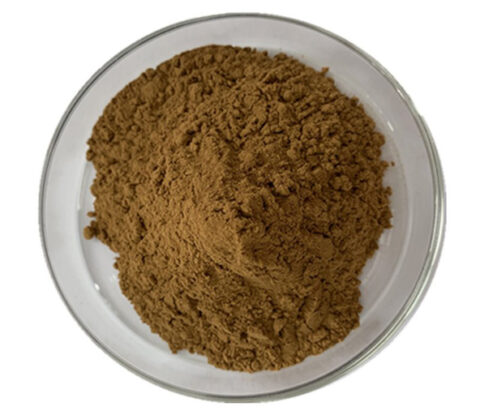
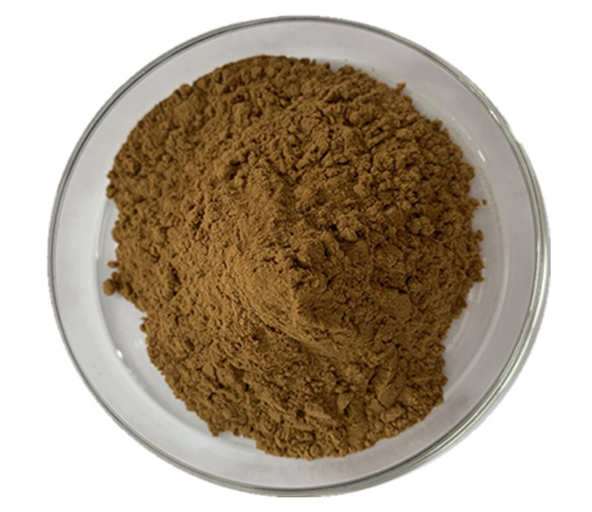
【Appearance】: Brownish yellow fine powder
【Particle size】: 95% pass 80 mesh size
【Main ingredients】: The polysaccharides in abalone mushrooms are important bioactive components, mainly β – glucan. These polysaccharides have complex branching structures, formed by glucose molecules connected by β – (1 → 3) and (1 → 6) glycosidic bonds.
【Storage conditions】:Store at room temperature in a sealed manner, away from light, and in a ventilated, cool, and dry environment.
【Shelf life】: 24 months from the production date
Abalone Mushroom (Pleurotus Abalones) Extract Powder Production Flowchart
Pleurotus Abalones frutingbody raw materials -Coarse powder(40 mesh) -Low temperature water extraction – 1st Reflux Extraction(10 times water,2 Hrs) – 2nd Reflux Extraction8 times water,1.5 Hrs) – 3rd Reflux Extraction(6 times water,1 Hrs) – Extraction Solution-combine&Filtrate-Concentrate-Extractum-spray drying – screening – packaging – detection of physical and chemical indicators – warehousing
Specification Sheet of Abalone Mushroom (Pleurotus Abalones) Extract Powder
| Product name: | Pleurotus Abalones Extract | ||
| Specification: | 30% polysaccharides UV | ||
| Part used: | Fruitbody of Pleurotus cystidiosus O.K. Mill. | ||
| Solvent used: | Water | ||
| Process: | Raw materials crushed, extracted, concentrated and spray-dried to powder | ||
| Non GMO according to regulation (EC) 1829/2003 and 1830/2003 or United States requirements. Non allergen according to Directive 2007/68 amending Annex IIIa to Directive 2000/13/EC and US Food allergen labelling and consumer protection act 2004. | |||
| Heavy Metals: | |||
| Lead: | NMT 3ppm | Cadmium: | NMT 1ppm |
| Arsenic: | NMT 2ppm | Mercury: | NMT 1ppm |
| Residual solvents: | Comply to USP | ||
| Pesticides residues: | Conform to Regulation USP<561> | ||
| Microbiology: | |||
| Total plate count: | 10000cfu/g Max | Yeasts and molds: | 1000cfu/g Max |
| E.coli: | Not detected in (g)10 | Salmonella spp.: | Not detected in (g)25 |
| Staphylococcus aureus: | Not detected in (g)10 | Clostridium spp.: | Not Present in 0.1 g of food |
| Organoleptic quality | Method | Specifications | |
| Aspect: | Visual : ( CQ-MO-148) | Powder | |
| Color: | Visual : ( CQ-MO-148) | Brownish yellow | |
| Flavor: | Sensory: (CQ-MO-148) | Characteristic | |
| Analytical quality | Method | Specifications | |
| Identification: | TLC | Conform | |
| Loss on drying: | USP <731> | < 10% | |
| Bulk density: | USP <616> Method I | 40 – 60 g/100mL | |
| Particle size: | Analytical sieving || USP <786> | 100% through 80meshes | |
| Packaging suitable for foodstuff. | |||
Extended Reading
Modern Pharmacological Research on Abalone Mushroom (Pleurotus abalonus) Extract
- Key Chemical Components:
The primary bioactive constituents are polysaccharides(especially β-1,3/1,6-D-glucans), dietary fibers, proteins/peptides(including lectins), and phenolic compounds. It also contains ergosterol (provitamin D2), vitamins (B-group), and minerals (selenium, potassium). - Documented Pharmacological Benefits (Based on Preclinical Studies):
- Immunomodulation & Anticancer: β-glucans enhance immune function (activating macrophages, NK cells) and exhibit antitumor activity via apoptosis induction and inhibition of angiogenesis.
- Antioxidant & Anti-inflammatory: Phenolics and polysaccharides scavenge free radicals and suppress pro-inflammatory cytokines (TNF-α, IL-6).
- Metabolic Health: Demonstrates antihyperlipidemic (lowers LDL cholesterol) and antidiabetic effects (improves insulin sensitivity, inhibits α-glucosidase).
- Antimicrobial & Prebiotic: Shows antibacterial/fungal activity; polysaccharides may promote beneficial gut microbiota.
- Hepatoprotective & Neuroprotective: Animal models indicate protective effects against liver damage and oxidative stress in neural tissues.
- Potential Drug & Health Interactions:
- Antidiabetic Drugs: May cause additive hypoglycemic effects.
- Antihypertensive/Anticoagulant Drugs: Possible additive blood pressure-lowering effects; theoretical increased bleeding risk with blood thinners (e.g., warfarin).
- Immunosuppressants: May counteract medications used in autoimmune diseases or organ transplants.
- Surgery: Discontinue use at least 2 weeks pre-surgery due to blood sugar and immune modulation concerns.
- Taboos & Contraindications:
- Allergy: Contraindicated in individuals with known mushroom allergies.
- Pregnancy & Lactation: Avoid therapeutic/extract use due to insufficient safety data (culinary amounts are safe).
- Autoimmune Diseases: Use with caution (e.g., rheumatoid arthritis, lupus) as immune stimulation may exacerbate symptoms.
- Gout: Contains purines; high intake may affect susceptible individuals.
- Dosage & Administration:
No universally established clinical dosage exists. In studies, doses vary widely (e.g., 250–1000 mg/kg in animal models). As a dietary supplement, follow the manufacturer’s label (typically 500–1500 mg/day of extract). For therapeutic purposes, consultation with a healthcare provider is essential.
References
- Chen, J., Mao, D., Yong, Y., Li, J., Wei, H., & Lu, L. (2012). Hepatoprotective and hypolipidemic effects of water-soluble polysaccharide extract of Pleurotus eryngii. Food Chemistry, 130(3), 687-694.
- Jayasuriya, W. J., et al. (2015). Hypoglycaemic activity of culinary Pleurotus species and their effect on key enzymes related to type 2 diabetes. International Journal of Medicinal Mushrooms, 17(3), 277-287.
- Li, S., & Shah, N. P. (2016). Antioxidant and antibacterial activities of polysaccharides from Pleurotus eryngii. Journal of Food Science, 81(4), M928-M934.
- Ma, G., Yang, W., Zhao, L., Pei, F., Fang, D., & Hu, Q. (2018). A critical review on the health promoting effects of mushrooms β-glucans. Food & Function, 9(12), 6325-6339.
- Reis, F. S., Martins, A., Barros, L., & Ferreira, I. C. (2012). Antioxidant properties and phenolic profile of the most widely appreciated cultivated mushrooms. Food Chemistry, 133(2), 503-508.
- Zhang, Y., Li, Q., Shu, Y., Liu, H., & Wang, J. (2016). Structural characterization and in vitro antitumor activity of an acidic polysaccharide from Pleurotus abalonus. Carbohydrate Polymers, 148, 351-359.
- Zheng, S., et al. (2020). Purification, characterization and immunomodulatory activity of a polysaccharide from Pleurotus abalonus. International Journal of Biological Macromolecules, 156, 1313-1323.
- Wan-Mohtar, W. A. A. Q. I., et al. (2020). The composition of bioactive compounds in the mycelium of the Pleurotus mushroom and its potential role in inflammation. Journal of Functional Foods, 72, 104077.
Disclaimer: This information consolidates current preclinical and limited clinical research. Pleurotus eryngii extract is a dietary supplement, not a medicine. Its effects can vary based on strain, cultivation, and extraction methods. Consultation with a healthcare provider is recommended before therapeutic use, especially for individuals with health conditions or those taking medications.