
Pleurotus Eryngii (King Oyster Mushroom) Extract Powder 10:1, 20:1, 50:1 TLC, Polysaccharides 30% UV


The modern efficacy of Fomitopsis Officinalis(Agarikon) Extract is primarily focused on anti-tumor and immune modulation. Its active components, such as triterpenoids like oleanolic acid and β-glucan, exert anti-tumor effects by inducing apoptosis of cancer cells, inhibiting proliferation, and regulating the tumor microenvironment. At the same time, they can activate immune cells such as macrophages, balance immune responses, and exhibit auxiliary activities such as anti-inflammatory, hepatoprotective, and neuroprotective effects.

Pleurotus Eryngii (King Oyster Mushroom) Extract Powder 10:1, 20:1, 50:1 TLC, Polysaccharides 30% UV
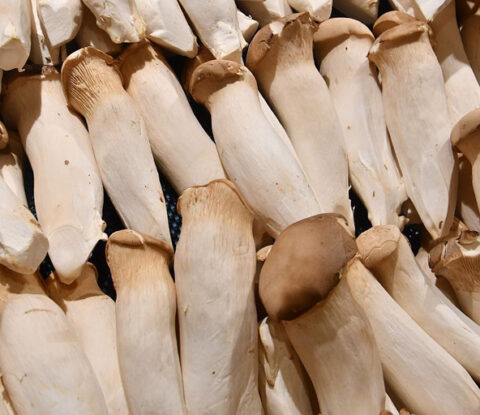
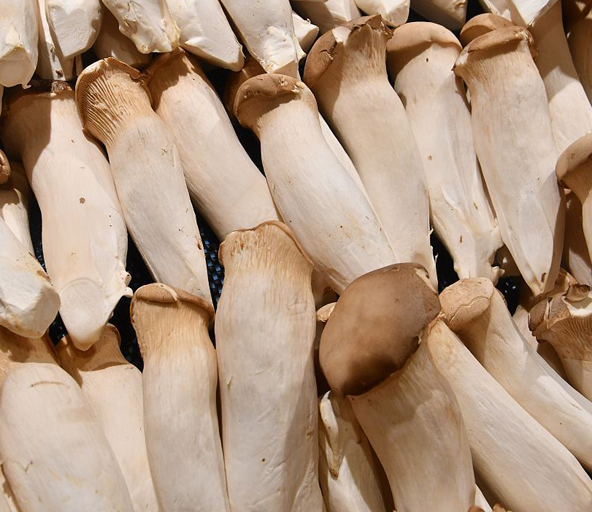
【Other names】: King Oyster Mushroom, King Trumpet Mushroom
【Botanical source】: Pleurotus eryngii (DC.) Quél.
【Part used】: Mycelium&Frutingbody
【Specification】: 10:1, 20:1, 50:1 TLC, Polysaccharides 30% UV
【Extraction solvents】: Water
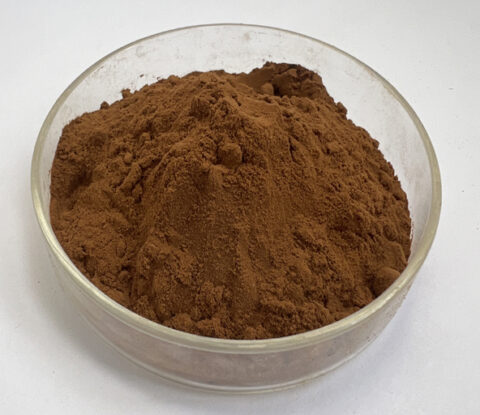
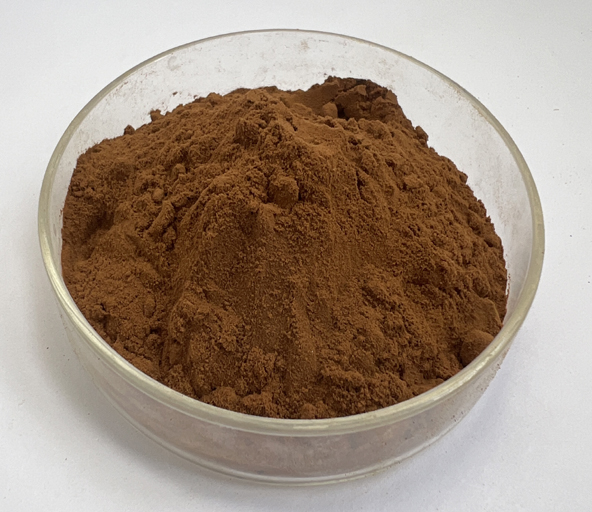
【Appearance】: Brownish yellow fine powder
【Particle size】: 95% pass 80 mesh size
【Main ingredients】: The core component of Pleurotus eryngii extract is bioactive polysaccharides, particularly β-glucan. It is rich in protein, dietary fiber, and various amino acids, and contains phenolic compounds, sterols, and triterpenoids. In addition, it also includes vitamins (such as B vitamins and D₂) and minerals (such as selenium and potassium), which collectively constitute its nutritional and pharmacological activity basis.
【Storage conditions】:Store at room temperature in a sealed manner, away from light, and in a ventilated, cool, and dry environment.
【Shelf life】: 24 months from the production date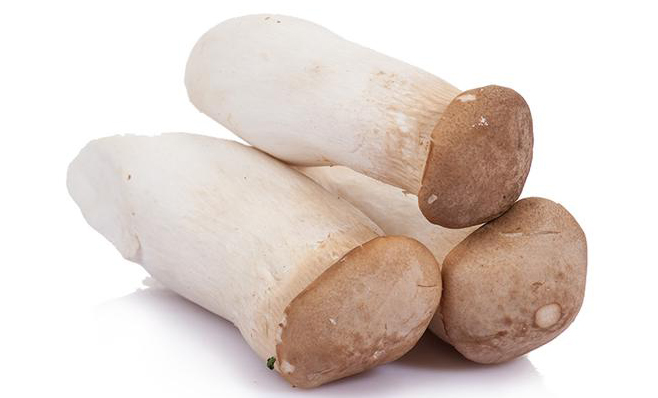
Pleurotus Eryngii (King Oyster Mushroom) Extract Powder Production Flowchart
Pleurotus Eryngii frutingbody raw materials -Coarse powder(40 mesh) -Low temperature water extraction – 1st Reflux Extraction(10 times water,2 Hrs) – 2nd Reflux Extraction8 times water,1.5 Hrs) – 3rd Reflux Extraction(6 times water,1 Hrs) – Extraction Solution-combine&Filtrate-Concentrate-Extractum-spray drying – screening – packaging – detection of physical and chemical indicators – warehousing
Specification Sheet of Pleurotus Eryngii (King Oyster Mushroom) Powder
| Product name: | Fomitopsis Officinalis Extract | ||
| Specification: | Polysaccharides 30% UV | ||
| Part used: | Fruitbody of Pleurotus Eryngii | ||
| Solvent used: | Water | ||
| Process: | Raw materials crushed, extracted, concentrated and spray-dried to powder | ||
| Non GMO according to regulation (EC) 1829/2003 and 1830/2003 or United States requirements. Non allergen according to Directive 2007/68 amending Annex IIIa to Directive 2000/13/EC and US Food allergen labelling and consumer protection act 2004. | |||
| Heavy Metals: | |||
| Lead: | NMT 3ppm | Cadmium: | NMT 1ppm |
| Arsenic: | NMT 2ppm | Mercury: | NMT 1ppm |
| Residual solvents: | Comply to USP | ||
| Pesticides residues: | Conform to Regulation USP<561> | ||
| Microbiology: | |||
| Total plate count: | 10000cfu/g Max | Yeasts and molds: | 1000cfu/g Max |
| E.coli: | Not detected in (g)10 | Salmonella spp.: | Not detected in (g)25 |
| Staphylococcus aureus: | Not detected in (g)10 | Clostridium spp.: | Not Present in 0.1 g of food |
| Organoleptic quality | Method | Specifications | |
| Aspect: | Visual : ( CQ-MO-148) | Powder | |
| Color: | Visual : ( CQ-MO-148) | Brownish yellow | |
| Flavor: | Sensory: (CQ-MO-148) | Characteristic | |
| Analytical quality | Method | Specifications | |
| Identification: | TLC | Conform | |
| Loss on drying: | USP <731> | < 10% | |
| Bulk density: | USP <616> Method I | 40 – 60 g/100mL | |
| Particle size: | Analytical sieving || USP <786> | 100% through 80meshes | |
| Packaging suitable for foodstuff. | |||
Extended Reading
Summary of Modern Research on Pleurotus eryngii (King Oyster Mushroom) Extract
Chemical Components
Pleurotus eryngii extract is rich in a variety of bioactive compounds:
- Polysaccharides: Primarily β-glucans (e.g., pleuran), along with heteropolysaccharides, which are key to its immunomodulatory effects.
- Proteins & Peptides: Bioactive proteins like lectins and glycoproteins.
- Phenolic Compounds: Flavonoids and phenolic acids (e.g., gallic acid, caffeic acid) contributing to antioxidant capacity.
- Sterols: Such as ergosterol (a precursor to vitamin D₂).
- Dietary Fiber: Abundant, including chitin and other polysaccharides.
- Vitamins & Minerals: B vitamins, vitamin D₂ (when UV-exposed), selenium, potassium, and zinc.
Health Benefits
Modern in vitro, animal, and emerging human studies indicate several potential benefits:
- Immunomodulation: β-Glucans are potent immune potentiators, activating macrophages, natural killer (NK) cells, and modulating cytokine production to enhance host defense.
- Antioxidant Activity: Phenolics and polysaccharides effectively scavenge free radicals, reducing oxidative stress.
- Anticancer Potential: Extracts exhibit antiproliferative, pro-apoptotic, and anti-metastatic effects in various cancer cell lines (e.g., colon, breast) via immunostimulation and direct cytotoxicity.
- Prebiotic & Gut Health: Its dietary fibers promote the growth of beneficial gut microbiota (e.g., Lactobacillus, Bifidobacterium), improving gut barrier function.
- Hypolipidemic & Anti-atherosclerotic: Shown to lower total cholesterol, LDL-cholesterol, and triglyceride levels in animal models, potentially through binding bile acids and modulating lipid metabolism.
- Anti-inflammatory: Inhibits pro-inflammatory mediators (COX-2, TNF-α, IL-6).
- Antihypertensive: Contains ACE-inhibitory peptides.
Interactions
- Immunosuppressants: May theoretically reduce the efficacy of drugs like cyclosporine or prednisone due to its immunostimulating effects.
- Antidiabetic Drugs: May have additive hypoglycemic effects; blood glucose monitoring is advised.
- Anticoagulants/Antiplatelets: Possible increased bleeding risk due to reported antiplatelet activity, though clinical evidence is limited.
- Chemotherapy: While researched as an adjunct, concomitant use should be medically supervised.
Taboo & Warnings
- Mushroom Allergy: Contraindicated in individuals with known allergies to mushrooms.
- Autoimmune Diseases: Use with caution in conditions like rheumatoid arthritis or lupus due to immune stimulation.
- Surgery: Discontinue use at least 2 weeks before elective surgery due to potential effects on immunity and bleeding.
- Gout/Purine Sensitivity: Contains purines; high intake may elevate uric acid in susceptible individuals.
- Pregnancy & Lactation: Safety data is insufficient for therapeutic doses; culinary consumption is generally safe.
- Quality & Contaminants: Risk of heavy metal accumulation (e.g., cadmium) and microbial contamination if not cultivated and processed under controlled conditions.
Applications
- Nutraceuticals & Functional Foods: Sold as powdered extracts, capsules, or used in health foods for immune and metabolic support.
- Prebiotic Supplements: As a source of dietary fiber to support gut microbiota.
- Cosmeceuticals: Incorporated into skincare products for antioxidant and moisturizing properties.
- Food Industry: Valued for its texture and umami flavor; extracts are used as natural flavor enhancers.
References
- International Journal of Biological Macromolecules, 2019. “Structural characterization and immunomodulatory activity of a β-glucan from Pleurotus eryngii.”
- Journal of Agricultural and Food Chemistry, 2017. “Antioxidant and antiproliferative activities of Pleurotus eryngii polysaccharides.”
- Food & Function, 2020. “Prebiotic effects of Pleurotus eryngii polysaccharides on gut microbiota and their associated metabolites.”
- International Journal of Medicinal Mushrooms, 2021. “Hypolipidemic and Anti-inflammatory Effects of Pleurotus eryngii in Animal Models of Metabolic Syndrome.”
- Oncology Reports, 2018. “Polysaccharide from Pleurotus eryngii inhibits tumor growth by remodeling the tumor microenvironment.”
- Molecules, 2022. “Bioactive Compounds and Health-Promoting Properties of Pleurotus eryngii: A Review.”
- Food Chemistry, 2015. “Analysis of phenolic compounds and ACE inhibitory activity in Pleurotus eryngii.”
Disclaimer: This information consolidates current preclinical and limited clinical research. Pleurotus eryngii extract is a dietary supplement, not a medicine. Its effects can vary based on strain, cultivation, and extraction methods. Consultation with a healthcare provider is recommended before therapeutic use, especially for individuals with health conditions or those taking medications.