
Pogostemon Cablin (Huo Xiang) Extract Powder 10:1, 20:1, 50:1 TLC


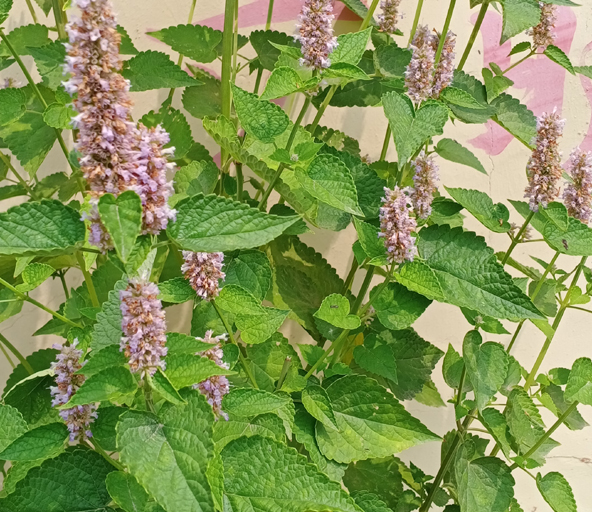
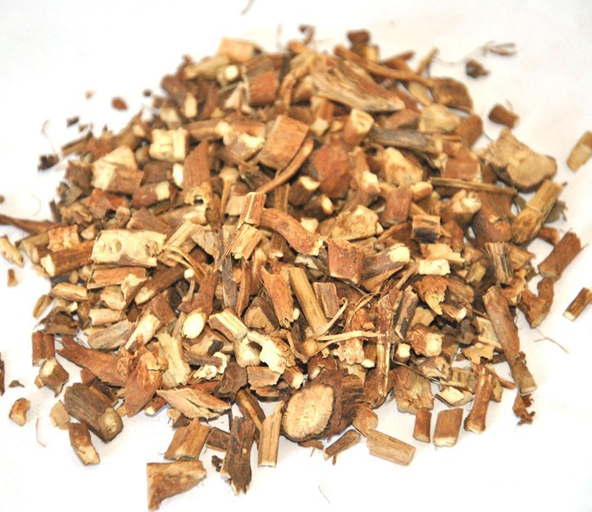
The functions of Huoxiang in traditional Chinese medicine include aromatizing turbidity, stopping nausea, and relieving heatstroke. Used for blocking dampness and turbidity, and for vomiting in the epigastric region; Heat dampness table syndrome, with initial onset of dampness and temperature, fever and fatigue, chest tightness and discomfort; Cold dampness closes heat, abdominal pain and vomiting; Nasorectal headache.

Pogostemon Cablin (Huo Xiang) Extract Powder 10:1, 20:1, 50:1 TLC
【Other names】: Guang Huo Xiang, Huo Xiang, Cablin Potchouli Herb, Herba Pogostemonis, Wrinkled Gianthyssop Herb
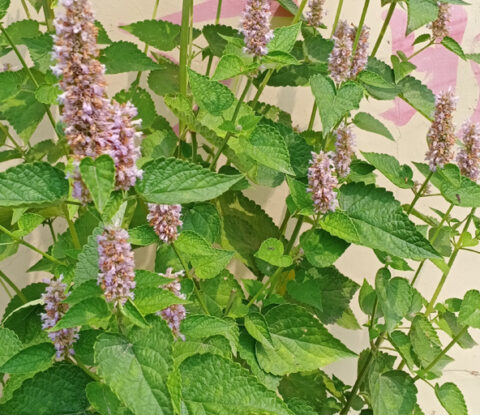
【Botanical source】: Pogostemon cablin(Blanco)Benth
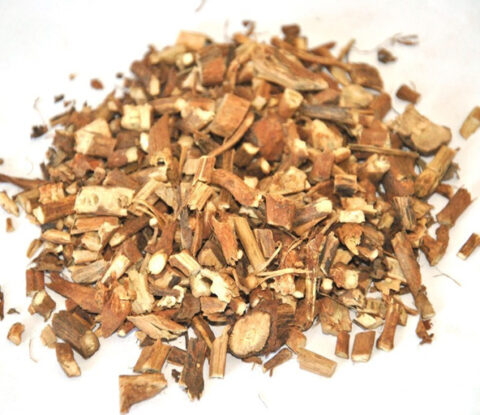
【Part used】: Dry aboveground parts of Pogostemon cablin (Blanco) Benth, a plant in the family Lamiaceae. When the branches and leaves are lush, they should be harvested. They should be exposed to the sun and dark at night, and repeated until they are dry.
【Specification】: 10:1, 20:1, 50:1 TLC
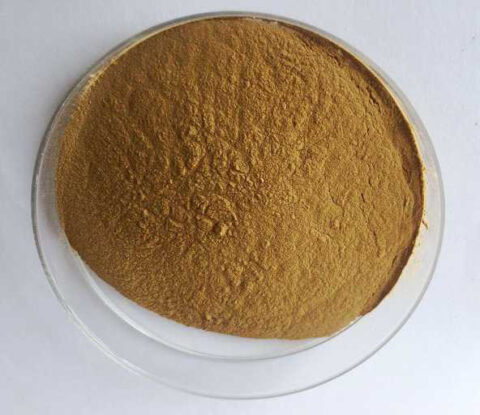
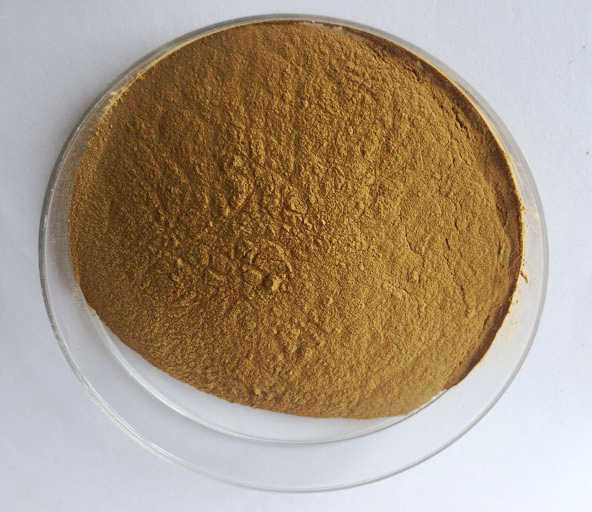
【Appearance】: Brownish yellow fine powder
【Particle size】: 95% pass 80 mesh size
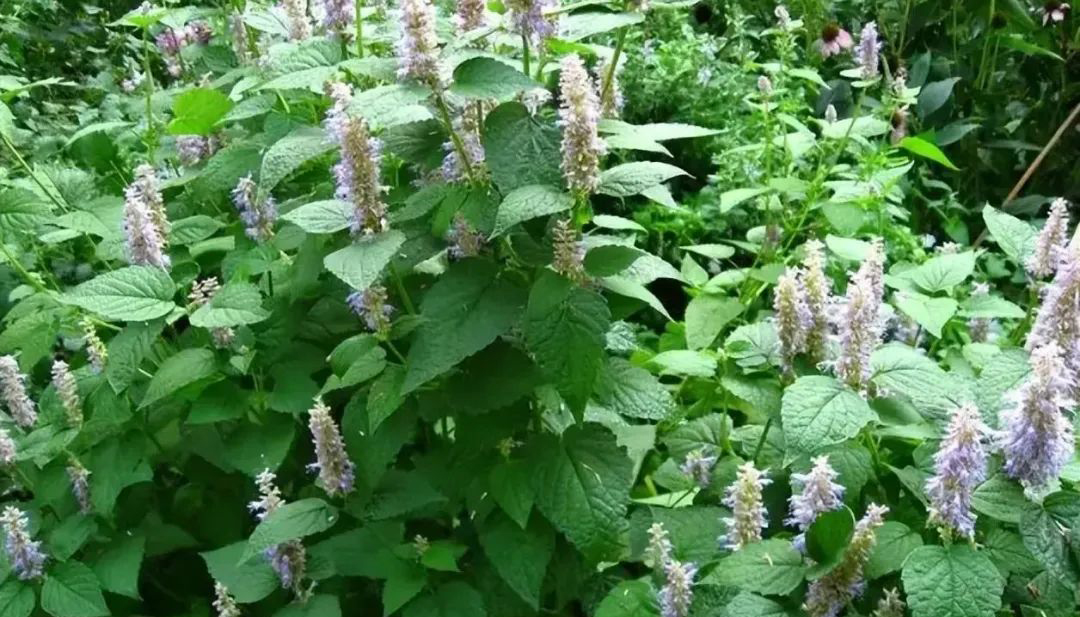
Pogostemon Cablin (Huo Xiang) Extract Powder Production Flowchart
Pogostemon Cablin (Huo Xiang) raw materials – natural air drying–Coarse powder(40 mesh) -Low temperature water extraction – 1st Reflux Extraction(10 times water,2 Hrs) – 2nd Reflux Extraction8 times water,1.5 Hrs) – 3rd Reflux Extraction(6 times water,1 Hrs) – Extraction Solution-combine&Filtrate-Concentrate-Extractum-spray drying – screening – packaging – detection of physical and chemical indicators – warehousing
Specification Sheet of Pogostemon Cablin (Huo Xiang) Extract Powder
| Product name: | Huo Xiang Extract | ||
| Specification: | 10:1 TLC | ||
| Part used: | Dried roots of Pogostemon cablin(Blanco)Benth | ||
| Solvent used: | Hot water | ||
| Process: | Raw materials crushed, extracted, concentrated and spray-dried to powder | ||
| Non GMO according to regulation (EC) 1829/2003 and 1830/2003 or United States requirements. Non allergen according to Directive 2007/68 amending Annex IIIa to Directive 2000/13/EC and US Food allergen labelling and consumer protection act 2004. | |||
| Heavy Metals: | |||
| Lead: | NMT 3ppm | Cadmium: | NMT 1ppm |
| Arsenic: | NMT 2ppm | Mercury: | NMT 1ppm |
| Residual solvents: | Comply to USP | ||
| Pesticides residues: | Conform to Regulation USP<561> | ||
| Microbiology: | |||
| Total plate count: | 10000cfu/g Max | Yeasts and molds: | 1000cfu/g Max |
| E.coli: | Not detected in (g)10 | Salmonella spp.: | Not detected in (g)25 |
| Staphylococcus aureus: | Not detected in (g)10 | Clostridium spp.: | Not Present in 0.1 g of food |
| Organoleptic quality | Method | Specifications | |
| Aspect: | Visual : ( CQ-MO-148) | Powder | |
| Color: | Visual : ( CQ-MO-148) | Brownish | |
| Flavor: | Sensory: (CQ-MO-148) | Characteristic | |
| Analytical quality | Method | Specifications | |
| Identification: | TLC | Conform | |
| Loss on drying: | USP <731> | < 10% | |
| Bulk density: | USP <616> Method I | 40 – 60 g/100mL | |
| Particle size: | Analytical sieving || USP <786> | 100% through 80meshes | |
| Packaging suitable for foodstuff. | |||
Extended Reading
Pogostemon Cablin (Huo Xiang) Function and Efficacy Recorded in TCM
Huoxiang is one of the most famous “dampness dispelling medicines” in traditional Chinese medicine. It has a fragrant aroma, pungent properties, and a mild temperature, and belongs to the three meridians of spleen, stomach, and lung. Its core function revolves around “aromatizing dampness, stopping vomiting, and relieving heatstroke”, and it is a key drug for treating dampness related disorders that hinder the spleen and stomach.
1. Aromatizing dampness, awakening the spleen and regulating the middle (core function)
Mechanism: The spleen is responsible for transporting water and dampness, but it prefers dryness and dislikes dampness. When dampness is blocked in the middle burner (spleen and stomach), it can lead to dysfunction of the spleen and stomach. Huoxiang has a fragrant aroma and can invigorate the spleen, dry and transform dampness, thereby restoring the digestive function of the spleen and stomach.
Typical symptoms: bloating and discomfort in the epigastric area, loss of appetite, nausea and vomiting, sweet or tasteless taste in the mouth, heavy body fatigue, and white and greasy tongue coating.
Common compatibility: It is often used in combination with herbs such as Atractylodes macrocephala, Magnolia officinalis, and Chenpi to dry dampness and promote qi circulation. For example, classic prescriptions do not replace Jinzheng Qi Powder.
2. Moisturizing and antiemetic (characteristic effect)
Mechanism: By eliminating the dampness and turbidity that hinder the spleen and stomach, the upward reflux of stomach qi can be balanced and reduced, thereby stopping vomiting. It is effective for various types of vomiting, but particularly good at treating vomiting caused by dampness and turbidity.
Flexible compatibility:
For those who prefer cold and damp conditions, pair with ginger and cloves.
For those who lean towards damp heat, pair with Huanglian and Zhuru.
Vomiting during pregnancy, accompanied by sand kernels and Su stems.
For those with weak spleen and stomach, pairing with Codonopsis pilosula and Atractylodes macrocephala is recommended.
3. Release on Relieving Heat (Summer Medications)
Mechanism: Its pungent and dispersing properties can dissipate the evil qi (wind and cold) on the surface, while its aromatic properties can dissolve the dampness and turbidity of the summer season.
Classic application: Summer moon cold or summer dampness cold. In summer, enjoying the cool and drinking cold can cause external wind chill and internal dampness and stagnation. Symptoms include: fever, chills, headache, abdominal pain, vomiting, and diarrhea.
Representative prescription: Huoxiang Zhengqi Powder (traditional Chinese patent medicines and simple preparations, such as Huoxiang Zhengqi Water, capsules, pills, etc., originated here), which is used as the sovereign medicine in the prescription, supplemented with perilla frutescens, angelica dahurica, magnolia officinalis, etc., to play a role in resolving exterior dampness, regulating qi, and regulating the middle.
Modern Pharmacological Effects of Pogostemon Cablin (Huo Xiang)
Modern pharmacological research has scientifically confirmed and deepened the traditional understanding of Huoxiang in traditional Chinese medicine. Its pharmacological activity is mainly attributed to its volatile components (such as patchouli alcohol, patchouli ketone, resveratrol, etc.) as well as non-volatile components such as flavonoids and terpenes.
The following are the main modern pharmacological effects of Huoxiang:
1. Regulating gastrointestinal function and preventing nausea
Function: This is a modern manifestation of its “moistening and stopping nausea” effect.
Mechanism:
Bidirectional regulation: Huoxiang extract can inhibit excessive movement of the gastrointestinal tract, alleviate intestinal spasms, and thus alleviate abdominal pain and diarrhea; At the same time, it can promote gastric emptying, alleviate gastric distension and fullness.
Antiemetic: Its volatile oil can directly act on the vomiting center and inhibit vomiting reactions.
2. Antibacterial and antiviral
Function: This provides a scientific basis for its ability to “relieve heat” and treat summer gastrointestinal diseases.
Mechanism:
Antibacterial: The volatile oil of Huoxiang has significant inhibitory effects on various Gram positive and Gram negative bacteria, such as Staphylococcus aureus, Shigella, Escherichia coli, etc. Among them, “patchouli ketone” is one of its main antibacterial components.
Antiviral: Studies have shown that Huoxiang has inhibitory effects on respiratory syncytial virus, influenza virus, etc., which explains its value in treating colds.
3. Anti inflammatory, analgesic, and antipyretic effects
Function: This corresponds to its “publication” treatment of symptoms such as fever and body pain.
Mechanism:
Anti inflammatory: Huoxiang extract can inhibit the production and release of various inflammatory factors (such as TNF – α, IL-6), and alleviate inflammatory reactions.
Analgesia and antipyretic: Its ingredients can act on the central nervous system, providing pain relief and reducing body temperature.
4. Anti allergy
Function: This is an extended pharmacological effect.
Mechanism: Huoxiang can inhibit the release of allergens such as histamine and alleviate allergic reactions. This has potential application value for diseases such as allergic rhinitis and asthma.
5. Protect the gastrointestinal mucosa
Research has found that Huoxiang extract can alleviate the damage of alcohol, drugs, and other substances to the gastric mucosa, and has a protective effect on the gastric mucosa.
6. Regulating the immune system
Huoxiang can affect the function of immune cells such as macrophages and regulate both non-specific and specific immunity in the body.
7. Antifungal
Especially, it has a strong inhibitory effect on various fungi that cause skin ringworm, which makes Huoxiang an ingredient in some topical ringworm medicines.