
Rhizoma Polygonati(Polygonatum sibiricum) Extract Powder 10:1, 20:1, 50:1 TLC


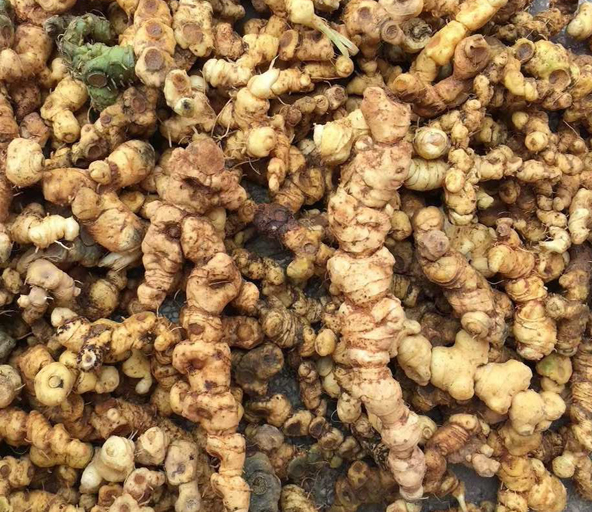
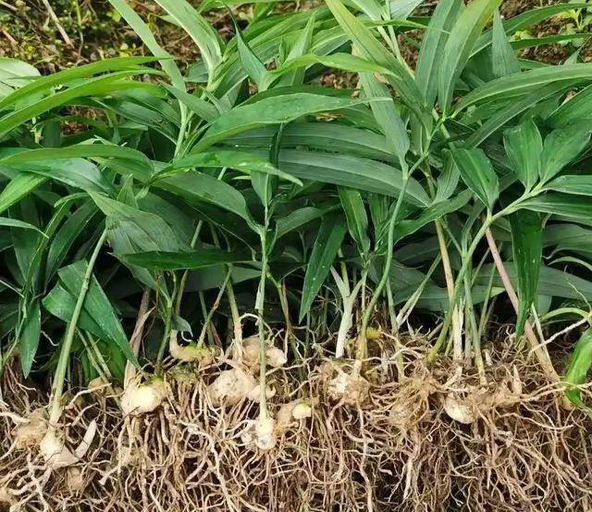
The core of modern pharmacological action of Polygonatum sibiricum is its polysaccharide component, which has significant immune regulation and anti fatigue activity. Research has confirmed that it can effectively resist oxidation, delay aging, improve learning and memory, and regulate blood glucose and lipid metabolism. Its probiotic like effects can optimize gut microbiota, while exhibiting multiple effects such as neuroprotection, myocardial protection, and promoting bone formation.

Rhizoma Polygonati(Polygonatum sibiricum) Extract Powder 10:1, 20:1, 50:1 TLC
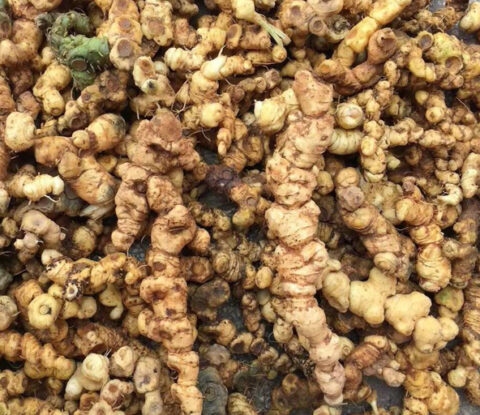
【Other names】: Huang Jing, Rhizoma Polygonati, King Solomonseal Rhizome, Manyflower Solomonseal Rhizome, Siberian Solomonseal Rhizome
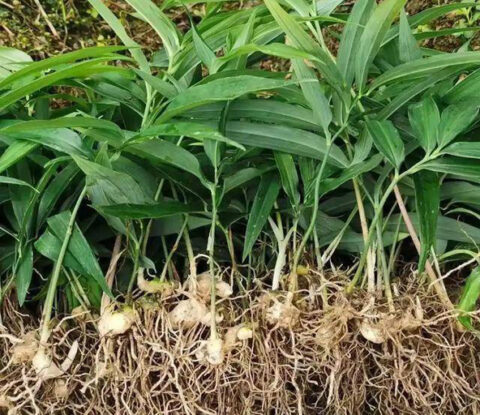
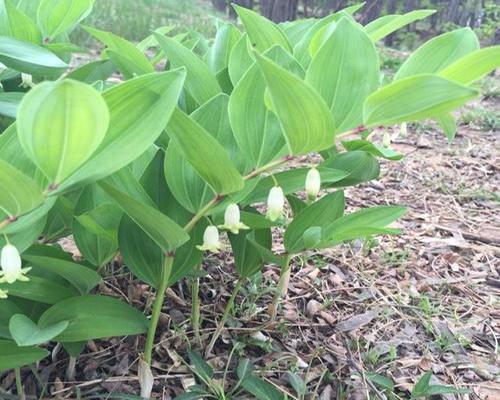
【Botanical source】: Polygonatum sibiricum Delar. ex Redoute
【Part used】: Root
【Specification】: 10:1, 20:1, 50:1 TLC
【Extraction solvents】: Water
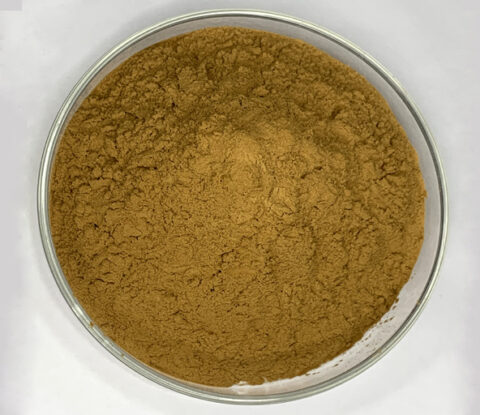
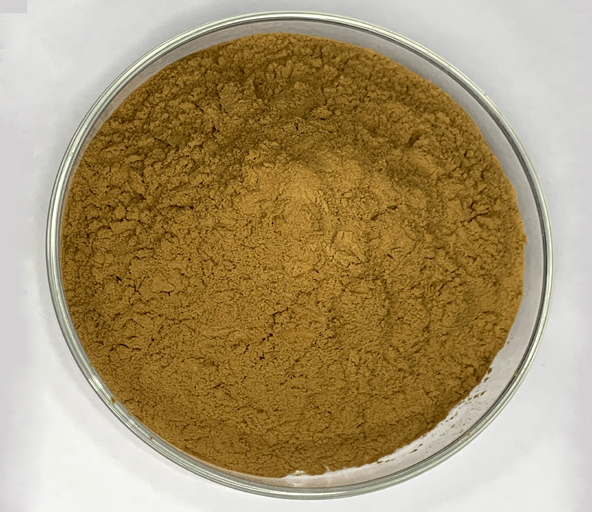
【Appearance】: Brownish fine powder
【Particle size】: 95% pass 80 mesh size
【Main ingredients】: The core component of Polygonatum sibiricum is polysaccharides (such as Polygonatum sibiricum polysaccharides), which are abundant and serve as the basis for its nourishing effects. It also contains saponins (such as diosgenin), flavonoids (such as resveratrol), amino acids (such as aspartic acid), anthraquinones, and various trace elements (zinc, iron, selenium). These ingredients collectively endow it with antioxidant, immune regulatory, and anti-aging activities.
【Storage conditions】:Store at room temperature in a sealed manner, away from light, and in a ventilated, cool, and dry environment.
【Shelf life】: 24 months from the production date
Rhizoma Polygonati(Polygonatum sibiricum) Extract Powder Production Flowchart
Rhizoma Polygonati(Polygonatum sibiricum) raw materials -Coarse powder(40 mesh) -Low temperature water extraction – 1st Reflux Extraction(10 times water,2 Hrs) – 2nd Reflux Extraction8 times water,1.5 Hrs) – 3rd Reflux Extraction(6 times water,1 Hrs) – Extraction Solution-combine&Filtrate-Concentrate-Extractum-spray drying – screening – packaging – detection of physical and chemical indicators – warehousing
Specification Sheet of Rhizoma Polygonati(Polygonatum sibiricum) Extract Powder
| Product name: | Rhizoma Polygonati(Polygonatum sibiricum) Extract | ||
| Specification: | 10:1 TLC | ||
| Part used: | Dried root of Polygonatum sibiricum Delar. ex Redoute | ||
| Solvent used: | Water | ||
| Process: | Raw materials crushed, extracted, concentrated and spray-dried to powder | ||
| Non GMO according to regulation (EC) 1829/2003 and 1830/2003 or United States requirements. Non allergen according to Directive 2007/68 amending Annex IIIa to Directive 2000/13/EC and US Food allergen labelling and consumer protection act 2004. | |||
| Heavy Metals: | |||
| Lead: | NMT 3ppm | Cadmium: | NMT 1ppm |
| Arsenic: | NMT 2ppm | Mercury: | NMT 1ppm |
| Residual solvents: | Comply to USP | ||
| Pesticides residues: | Conform to Regulation USP<561> | ||
| Microbiology: | |||
| Total plate count: | 10000cfu/g Max | Yeasts and molds: | 1000cfu/g Max |
| E.coli: | Not detected in (g)10 | Salmonella spp.: | Not detected in (g)25 |
| Staphylococcus aureus: | Not detected in (g)10 | Clostridium spp.: | Not Present in 0.1 g of food |
| Organoleptic quality | Method | Specifications | |
| Aspect: | Visual : ( CQ-MO-148) | Powder | |
| Color: | Visual : ( CQ-MO-148) | Brownish | |
| Flavor: | Sensory: (CQ-MO-148) | Characteristic | |
| Analytical quality | Method | Specifications | |
| Identification: | TLC | Conform | |
| Loss on drying: | USP <731> | < 10% | |
| Bulk density: | USP <616> Method I | 40 – 60 g/100mL | |
| Particle size: | Analytical sieving || USP <786> | 100% through 80meshes | |
| Packaging suitable for foodstuff. | |||
Extended Reading
Modern Research on Rhizoma Polygonati (Polygonatum sibiricum) Extract
Chemical Components
Modern phytochemical research, utilizing techniques like UPLC-QTOF-MS and NMR, has identified a diverse array of bioactive compounds in Polygonatum sibiricum (Huang Jing).
- Polysaccharides (Primary Bioactives): 10-25% of dry weight. Complex heteropolysaccharides composed of mannose, glucose, galactose, arabinose, and fructose, often with acetyl groups. Their immunomodulatory activity is highly dependent on molecular weight and monosaccharide composition.
- Saponins:
- Steroidal Saponins: Diosgenin, polygonatosides, and neurontosides. These are key markers for quality control.
- Homoisoflavonoids: Unique to the genus, e.g., polygonatumosides.
- Flavonoids: Vitexin, isovitexin, quercetin, and their glycosides.
- Alkaloids: Marginine, polygonatine.
- Lignans: Syringaresinol, its glucosides, and pinoresinol.
- Amino Acids & Peptides: High content of free amino acids (aspartic acid, glutamic acid) and bioactive peptides.
- Other: Phospholipids, vitamins (B1, B2), and trace elements (Zn, Cu, Se).
Health Benefits (Evidence-Based)
- Immunomodulation & Anti-fatigue
- Mechanism: Polysaccharides are the primary immunomodulators. They activate macrophages, promote lymphocyte proliferation (T & B cells), enhance NK cell activity, and increase cytokine production (IL-2, IFN-γ). They also increase glycogen storage in liver and muscle, reducing fatigue markers like blood urea nitrogen (BUN) and lactic acid (LA).
- Evidence: Numerous animal studies and small-scale human trials show improved physical endurance and reduced fatigue.
- Antioxidant & Anti-aging
- Potent Free Radical Scavenger: Polysaccharides, saponins, and flavonoids directly scavenge ROS (DPPH, ABTS, superoxide anions) and upregulate endogenous antioxidant enzymes (SOD, CAT, GSH-Px) via the Nrf2/ARE pathway.
- Cellular Senescence & Telomerase: Preliminary in vitro studies suggest P. sibiricum extract may delay replicative senescence in human diploid fibroblasts and modulate telomerase activity. It’s considered a traditional “anti-aging” (延年益寿) herb.
- Neuroprotection & Cognitive Enhancement
- Alzheimer’s Models: Reduces Aβ aggregation and tau hyperphosphorylation, inhibits acetylcholinesterase (AChE), and exhibits anti-neuroinflammation.
- Parkinson’s Models: Protects dopaminergic neurons via antioxidant and anti-apoptotic mechanisms (PI3K/Akt pathway).
- Memory Improvement: Enhances learning and memory in scopolamine- and D-galactose-induced amnesia models.
- Metabolic Syndrome & Diabetes
- Hypoglycemic: Improves insulin sensitivity, enhances glucose uptake in skeletal muscle and adipocytes (via GLUT4 translocation/AMPK activation), and inhibits hepatic gluconeogenesis.
- Hypolipidemic: Reduces serum triglycerides, total cholesterol, and LDL-C while increasing HDL-C in high-fat diet rodent models.
- Anti-obesity: Inhibits adipogenesis and promotes lipolysis.
- Cardioprotective
- Improves myocardial ischemia-reperfusion injury, reduces myocardial fibrosis, and has mild antihypertensive effects.
- Prebiotic & Gastrointestinal Health
- The polysaccharides act as prebiotics, selectively promoting the growth of beneficial gut bacteria (Bifidobacterium, Lactobacillus) and increasing short-chain fatty acid (SCFA) production, which contributes to systemic anti-inflammatory and metabolic benefits.
- Bone Health
- Promotes osteoblast differentiation and mineralization, and inhibits osteoclastogenesis, showing potential for osteoporosis prevention.
Interactions
- Immunosuppressants (Cyclosporine, Tacrolimus, Corticosteroids): THEORETICAL RISK. Due to its immunostimulating properties, it may counteract the intended effects of immunosuppressive therapy. Avoid in transplant patients or those with autoimmune diseases on therapy.
- Antidiabetic Drugs (Insulin, Metformin, Sulfonylureas): MODERATE RISK. Additive hypoglycemic effects are possible. Blood glucose should be closely monitored.
- Anticoagulant/Antiplatelet Drugs (Warfarin): LOW RISK. Limited data, but some saponins may affect platelet function. Monitoring INR is prudent.
- Cytochrome P450: Limited data. One study suggested potential inhibition of CYP2C9 and CYP3A4 in vitro. Clinical significance is unknown.
Taboos & Warnings
- “Dampness” or Phlegm According to TCM: Traditional contraindication for individuals with abdominal fullness, loose stools, or copious phlegm due to its “moistening” properties.
- Acute Cough with Copious Sputum: May exacerbate phlegm production.
- Allergy: Rare, but possible.
- Unprocessed Raw Herb: Traditionally considered slightly toxic and irritating to the throat. Must be processed (steamed/braised repeatedly, “九蒸九晒”) to enhance efficacy and reduce potential irritation.
- Pregnancy & Lactation: Insufficient safety data; avoid therapeutic doses.
- Quality & Adulteration: A known target for adulteration with similar-looking, cheaper rhizomes (e.g., from Polygonatum odoratum or other species). Standardized extracts are preferred.
Applications
- Traditional Chinese Medicine (TCM): A key “Qi and Yin” tonifying herb in formulations for weakness, dry cough, diabetes, and convalescence (e.g., in Wei Qi Tonifying formulas).
- Nutraceuticals & Functional Foods: Sold as powdered extract in capsules, added to health teas, porridges, wines, and confectionery for energy, immunity, and anti-aging.
- Cosmeceuticals: Incorporated into anti-aging skincare products for its antioxidant and potential collagen-synthesis promoting effects.
- Animal Husbandry: Studied as a feed additive to improve immunity and growth performance in poultry and aquaculture.
References
- Zhao, P., et al. (2018). A review of the botany, phytochemistry, pharmacology and clinical applications of Polygonatum sibiricum Red. (Huangjing). Journal of Ethnopharmacology, 214, 274-291. (Comprehensive systematic review)
- Wang, Y., et al. (2020). Structural characterization and immunomodulatory activity of a novel polysaccharide from Polygonatum sibiricum. International Journal of Biological Macromolecules, 143, 500-508.
- Cui, X., et al. (2018). Polygonatum sibiricum polysaccharide prevents depression-like behaviors by reducing oxidative stress, inflammation, and cellular and synaptic damage. Journal of Ethnopharmacology, 210, 232-241. (Neuropsychiatric effects)
- Liu, Y., et al. (2021). Polygonatum sibiricum saponin exerts anti-aging effects via modulation of the gut microbiota and metabolites. Aging, 13(3), 4648-4670. (Modern microbiome research)
- Wang, J., et al. (2019). Anti-diabetic effects of Polygonatum sibiricum polysaccharide in type 2 diabetic rats via regulation of the PI3K/Akt pathway. Journal of Functional Foods, 59, 227-234. (Mechanistic metabolic study)
- Huang, Y., et al. (2022). Steroidal saponins from the rhizomes of Polygonatum sibiricum and their cytotoxic activities. Phytochemistry, 194, 113015.
- Chinese Pharmacopoeia Commission. (2020). Pharmacopoeia of the People’s Republic of China. Vol. I. (Official monograph for identification and quality)
- Zeng, G., et al. (2017). Anti-fatigue activity of Polygonatum sibiricum extract in mice. Experimental and Therapeutic Medicine, 14(5), 4857-4862.
- Jin, M., et al. (2019). Polygonatum sibiricum prevents bone loss in ovariectomized rats through osteoblast activation and osteoclast inhibition. Journal of Medicinal Food, 22(5), 479-487.
- Li, H., et al. (2020). Quality evaluation of Polygonatum sibiricum based on HPLC fingerprint and chemometrics. Journal of Analytical Methods in Chemistry, 2020, 8859071. (Quality control focus)
- Zhao, H., et al. (2015). Effects of Polygonatum sibiricum on D-galactose-induced aging mouse model. *Evidence-Based Complementary and Alternative Medicine, 2015*, 574938. (Classic anti-aging model study)
- Liu, C., et al. (2022). The prebiotic potential of Polygonatum sibiricum polysaccharide and its impact on gut microbiota in type 2 diabetic mice. Food & Function, 13(3), 1242-1255.
Note: This summary is for informational purposes. It may interact with medications and is contraindicated in certain conditions. Consult a healthcare professional before therapeutic use, particularly regarding its estrogenic activity.